
 Worksheets
Unit 7 DNA and Protein Synthesis (Pre-Test)
Total questions: 25
Worksheet time: 25mins
Name
Class
Date
1.
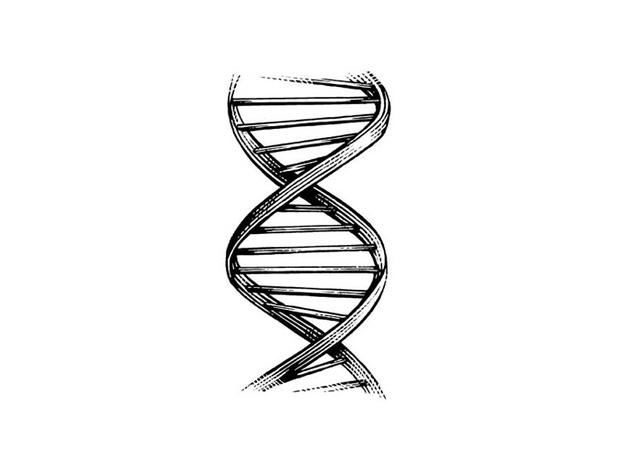
DNA has a _____________ structure.
a)
double helix
b)
single strand
c)
ring
d)
chain
2.
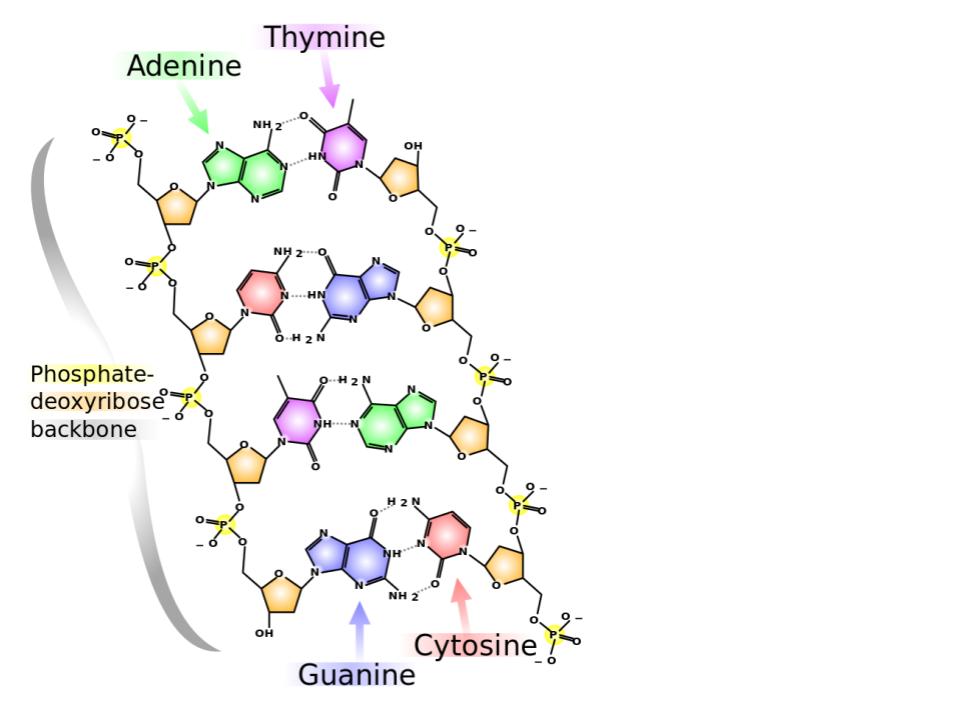
The two strands of DNA are held together by:
a)
Hydrogen Bonds
b)
Phosphodiester Bonds
c)
Glycolsyl Bonds
d)
Glycosidic Linkages
3.

In a molecule of double-stranded DNA, the amount of Adenine present is always equal to the amount of
a)
cytosine
b)
guanine
c)
thymine
d)
uracil
4.

What determines the code, or information, of a DNA molecule?
a)
the shape (structure) of the nitrogen bases
b)
the order (sequence) of the nitrogen bases
c)
the color of the nitrogen bases
d)
the frequency (number) of nitrogen bases
5.
RNA contains the sugar
a)
ribose
b)
deoxyribose
c)
glucose
d)
lactose
6.
A process in which DNA has the unique ability to make an exact copy of itself.
a)
Replication
b)
Translation
c)
Transcription
7.
One difference between DNA and RNA is that RNA....
a)
is double stranded
b)
contains the base Thymine
c)
contains the base Uracil
d)
contained the base Guanine
8.
tRNA is involved in
a)
carrying amino acids
b)
carrying ribosomes
c)
carrying glucose
d)
carrying lipids
9.
Which organelle is DNA usually found in?
a)
cell membrane
b)
vacuole
c)
chloroplast
d)
nucleus
10.

Which process is happening in this picture?
a)
Transcription
b)
Translation
c)
Replication
11.
Which of the following molecules is created during TRANSCRIPTION?
a)
Protein
b)
DNA
c)
mRNA
d)
tRNA
12.
Which of the following molecules is created during TRANSLATION?
a)
Protein
b)
DNA
c)
mRNA
d)
tRNA
13.
What is the three base sequence of mRNA that codes for a single amino acid?
a)
Anticodon
b)
Codon
c)
Protein
14.

Which of the following make up a nucleotide?
a)
Sugar, phosphate, and base
b)
Sugar, nitrate, and base
c)
Lipid, phospate, and sugar
d)
Protein, phosphate, and base
15.
Label the diagram.
a)
cytoplasm
b)
amino acids
c)
polypeptide chain
d)
ribosome
e)
mRNA
f)
tRNA
1
2
3
4
5
6
1)
2)
3)
4)
5)
6)
16.
What is a codon?
a)
a sequence of 3 amino acids
b)
a sequence of three nitrogen bases
c)
a sequence of 3 enzymes
d)
a sequence of 3 proteins
17.
The DNA nucleotide is composed of three parts. Which two components make up the nucleotide backbone?
a)
ribose sugar and base
b)
ribose sugar and phosphate group
c)
nitrogen base and deoxyribose sugar
d)
deoxyribose sugar and phosphate group
18.
Which type of RNA delivers the genetic code to the ribosome?
a)
tRNA
b)
mRNA
c)
rRNA
d)
tmRtmRNA
19.
What is the function of transfer RNA?
a)
It is a part of the ribosome.
b)
It bonds to other RNA molecules, leading to their destruction.
c)
It delivers the correct amino acid to the ribosome.
d)
It carries the information coding for the amino acid sequence of a protein.
20.
Which nucleotide is complementary to adenine?
a)
adenine
b)
thymine
c)
cytosine
d)
guanine
21.
Which correctly outlined the central dogma
a)
DNA --> mRNA --> rRNA
b)
DNA --> tRNA --> protein
c)
DNA --> mRNA --> protein
d)
DNA --> amino acid --> protein
22.

The drawing shows the structure of what molecule?
a)
A DNA molecule
b)
A lipid molecule
c)
A carbohydrate molecule
d)
A protein molecule
23.
Which of the following best defines a gene?
a)
A diploid cell containing two sets of chromosomes
b)
A unit made up of chromosomes that control for a specific trait
c)
A segment of DNA that codes for a particular protein
d)
All the other answers are correct.
24.
What is the difference between DNA and RNA
a)
DNA has uracil and RNA has thymine
b)
DNA is involved in transcription and RNA is involved in translation
c)
DNA contains thymine and RNA contains uracil
d)
DNA is made of nucleotides and RNA is not
25.
What type of bonds hold the nitrogen bases in the DNA rungs together?
a)
ionic bonds
b)
hydrogen bonds
c)
peptide bonds
d)
james bonds
100 %

