
NEW
Font size
 Worksheets
Unit 4 Test Review Earth’s Features
Total questions: 20
Worksheet time: 14mins
Which of the following is a non-renewable resource?
Paper
Coal
Milk
Water
Why is water classified as a renewable rather than a nonrenewable resource? Water is classified as renewable because it -
is constantly replaced
is important to all life
can be frozen into ice
evaporates into the air

Which of the following resources is collected by the panels on the roof of this home?
air
water
wind
sunlight
All fossils come from dinosaurs
True
False
Which type of rock are most fossils found?
sedimentary rock
metamorphic rock
igneous rock
fossils
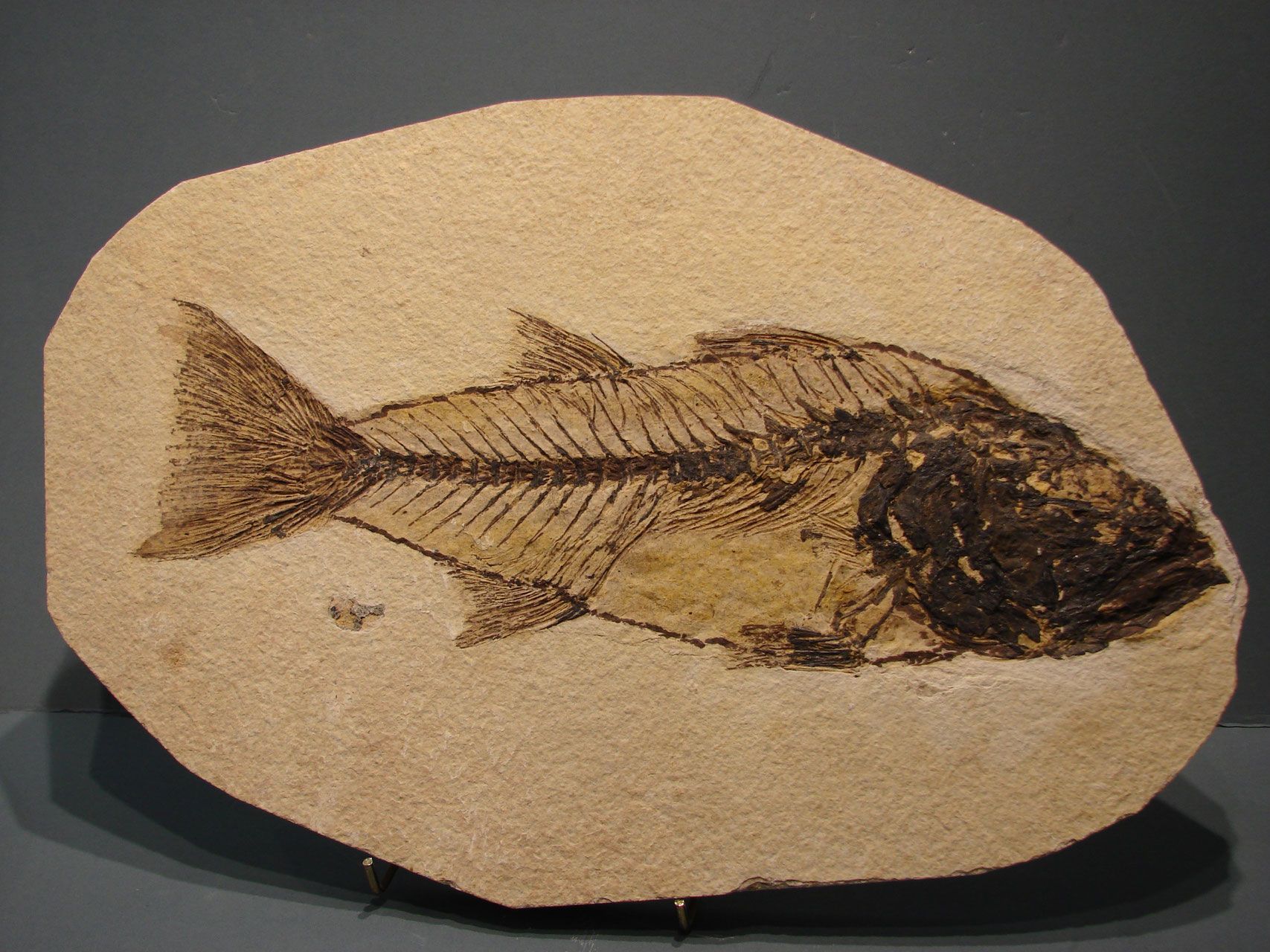
If a scientist found a fish fossil in the desert, what can they infer?
An animal ate the fish.
The water covered the area long ago.
Today's fish looks the same
The fish is endangered.
What needs to happen FIRST for a fossil to form?
A plant or animal must be covered by sediment.
A plant or animal must die and decompose.
Sediments fill a a mold to form a cast.
An earthquake shifts the land up.

Look at the diagram.
Which fossil is the youngest?
A
B
C
D
Look at the diagram.
Which fossil is the oldest?
A
B
C
D

What was the environment for Layer W like?
A forest
Underwater
A desert
A jungle

Which rock layer is probably the oldest?
A
B
C

A fish fossil was found in layer A. What does this tell us about the possible history of this area?
Fish used to live on land there
This area has always been land
That area used to be underwater
Layer A is currently covered in water
What do fossils tell us?
The Earth's history
The Earth's future
The Earth's current period

Study the map. At which letter is a volcano most likely to form?
A
D
B
C

Is there a pattern to the locations of earthquakes and volcanoes around the globe?
No, earthquakes and volcanoes are random.
Yes, earthquakes and volcanoes usually occur near the boundaries of tectonic plates.
yes, earthquakes and volcanoes usually occur in the middle of tectonic plates.
No, earthquakes and volcanoes usually occur under water.

A certain school is beside a river that will overflow during heavy rains. The water from the river will sometimes come through the lunchroom doors and form small puddles. What is the best option to protect the lunchroom floors?
build a new school away from the river
use sandbags or flood barriers outside doors to keep water from entering
build a wall around the entire river so that it cannot flood
stop the rain so the river cannnot flood
How can we reduce the impact of earthquakes?
Planting more trees in the neighborhood
Evacuating homes worth more than $1 million
Building stronger houses and building
Making more noise during an earthquake

