
 Worksheets
Environmental Science test Air Pollution
Total questions: 276
Worksheet time: 4hrs 47mins
Which gases combine with water to form acid rain?
radon and carbon oxides
ozone and carbon monoxide
nitrogen oxides and sulfur oxides
car emissions and ozone
Ozone...
good for humans when near Earth's ssurface
a harmful pollutant no matter where it happens
found near Earth's surface all the time
protects Earth when high in the atmosphere, but is a pollutant near Earth's surface
Protective layer in atmosphere that shields earth from UV radiation.
ozone layer
air pollution
smog
acid deposition
the contamination of the atmosphere by the introduction of pollutants from human and natural sources
air pollution
smog
acid deposition
climate change
What guide rates the quality of the air at a given location?
Air Quality Guide
Air Quality Index
Air Quality Information
Air Quality Bulletin
What is one example of natural source pollution?
Human/Environmental Interaction
Industrial Exhaust
Chlorine and Ammonia
Forest Fires
Respiratory and Heart problems
What do greenhouse gases do?
Make the sky blue
Trap heat inside our atmosphere
Keep out sunlight
Keep plants growing
We can reduce air pollution by:
Car pool and walk/bike more
Limit factories burning fossil fuels
Use more renewable energy sources
All of the above
what causes air pollution?
Cars
Fossil fuels
Wildfires
All of the above
Acid rain will cause our concrete and limestone building more fragile
True
False
What is one cause of air pollution?
Power plants
Burning fossil fuels
Littering/pollution
Does air pollution cause tears in the ozone layer?
True
False
Pollutions can cause illnesses in two ways
Directly and Indirectly
Poison and Disease
Air and Water
Cough and Flu
Why is air pollution a big issue?
Causes lung cancer, Strokes, and heart diseases
Air pollution isn’t an issue
Bad for environment
Both A and C
what causes air pollution?
Cars
Fossil fuels
Wildfires
All of the above
When did air pollution start?
Industrial revolution
Clean Air Act
I still don’t know what air pollution is
None of the above
What country has the biggest air pollution problem?
India
USA
Asia
Africa
How can the air and water get contaminated?
Littering
Increase in Oxygen in the atmosphere
Plants going through the process of Photosynthesis
Radioactive power plant
Why children are more affected by outside air pollution?
Because children spend more time outside
Children have smaller lungs
Children are not affected
None of the above
Increase in Carbon Monoxide in ozone
Wildfires
Photosynthesis
Increase of CO2 in the atmosphere
Another word for poisonous is?
Pollutions
Chemical
Toxicology
Toxic
What can you do to reduce air pollution?
Create wildfires
Use less energy, walk and ride bikes
Eat more meat to absorb toxins
Buy plants
Light pollution is a problem because
more electricity is used which release more pollutants
Can reduce our view of the night sky
Can change nocturnal animal behaviors
All of these
_____and ________ can also be considered a type of pollution.
Noise & light
Earth & wind
Both of these are correct
Which gas contributes to global warming?
Carbon Monoxide
Hydrocarbons
Carbon dioxide
Nitrogen dioxide
What are two causes of acid rain?
Oxygen and Sulfur
Noise and light
Sulfur and Nitrogen
What effect of air pollution causes millions of people to die each year?
Stroke
Heart disease
Heart attack
All of the above
What is the biggest single cause of air pollution?
Trains
Factories
First Fires
Bikes
_______________ are any type of pollutant directly into the environment.
asbestos
smog
primary pollutants
secondary pollutants

Electrostatic precipitators can be used to remove this type of air pollutant.
volatile organic compounds
sulfur dioxide
particulate matter
ground level ozone
___________ results from chemical reactions involving sunlight, air, exhaust, and ozone
Fog
Smog
Nitrogen
Oxygen
Two thousand years ago, Seneca, a Roman philosopher and writer, complained about the foul air in Rome. In 1273, England’s King Edward I ordered that burning a particularly dirty kind of coal called ____________ was illegal.
lignite
sea-coal
bituminous
anthracite
_______________ is an atmospheric condition that traps pollution near the ground
Temperature inversion
Pressure
inversion
Temperature anomaly
Pressure
gradient
Which pollution causes hearing loss in organisms?
Air pollution
Noise pollution
Water pollution
Soil pollution
What is noise measured in?
Hertz
Frequency
Decibels
Pressure
Acid rain has a pH of less than...
5.0
5.6
7.0
8.5
ground-level ozone
secondary pollutant
scrubber
pollution control
radon gas
indoor air pollution
nitrogen oxides
primary pollutant
decreased pH in rain
acid precipitation

During a temperature
inversion,
sulfur oxides and nitro-
gen oxides combine with
water in the atmosphere.
an influx of acidic water
causes a rapid change in
the pH of water.
levels of ground-level
ozone decrease.
pollutants are trapped
near Earth’s surface.
Acid precipitation is formed
when
sulfur oxides or nitrogen
oxides combine with
water.
sulfur oxides combine
with nitrogen oxides.
ozone combines with
automobile exhaust.
nitric or sulfuric acids
combine with ozone.
Normal Rain has a pH of
5.0
5.6
7.0
8.5
The Canada-US Air Quality Agreement was designed to...
reduce pollution from motor vehicles.
increase the use of renewable energy.
increase cooperation on the oil pipeline.
reduce emissions across boarders.
_______a measure of how acidic/basic water is
acid shock
smog
decibel
pH
Air pollution causes all of the following, except
holes in the ozone layer
increased particles in the air
acid rain
healthy air to breath
smog
Which gases combine with water to form acid rain?
radon and carbon oxides
ozone and carbon monoxide
nitrogen oxides and sulfur oxides
car emissions and ozone
Protective layer in atmosphere that shields earth from UV radiation. (a)
the contamination of the atmosphere by the introduction of pollutants from human and natural sources (a)
fog or haze combined with smoke and other atmospheric pollutants. (a)
acid deposition
Sulfur oxides and nitrogen oxides, emitted by burning fossil fuels, enter the atmosphere-where they combine with oxygen and water to form sulfuric acid and nitric acid-and return to Earth's surface
a change in global or regional climate patterns due to global warming caused by excess greenhouse gasses
the removal of carbon from fossil-fuel combustion and storage of the carbon, usually underground
Manipulation of earths climate system to counteract the effects of climate change caused by greenhouse gas emissions.
a change in global or regional climate patterns due to global warming caused by excess greenhouse gasses (a)
carbon footprint
the total carbon dioxide emissions produced by an individual, group, or location
the removal of carbon from fossil-fuel combustion and storage of the carbon, usually underground
chemicals that have the potential to destroy the ozone; ex.) hair-spray, refrigeration, etc.
Manipulation of earths climate system to counteract the effects of climate change caused by greenhouse gas emissions
chemicals that have the potential to destroy the ozone; ex.) hair-spray, refrigeration, etc. (a)
Manipulation of earths climate system to counteract the effects of climate change caused by greenhouse gas emissions.
geoengineering
chlorofluorocarbons (CFCs)
carbon capture and storage (CCS)
carbon footprint
the removal of carbon from fossil-fuel combustion and storage of the carbon, usually underground (a)

A drought is...
when there is little to no rain and it is very hot.
when there is little to no rain and it is very cold.
when there is less rain than normal for an extended period of time for an area.
when an area gets more rain than normal.
What can you do to lower your Carbon Footprint?
______________ ______________ is produced when fuels containing sulfur are burned in the presence of oxygen.
Carbon dioxide
Sulfur dioxide
Carbon monoxide
Greenhouse gas
A type of pollution found both indoors and outdoors, which includes pollen, dander, soot, carbon, and dust.
Water droplets
Allergens
Particulate matter
Combustibles
This primary pollutant creates a reddish brown gas creating photochemical smog and tropospheric ozone.
sulfuric acid
VOC
nitrogen dioxide
particulate matter
What is the major cause for air pollution?
deforestation
oil spills
transportation
cigarretes
Which pair below are the two main sources of air pollution in urban (populated) areas?
vehicles, volcanoes
vehicles, industries
Industries, agriculture
All of the above


Results from chemical reactions involving sunlight, air, exhaust, and ozone
ZEV's
Smog
Sea-coal
Results from chemical reactions involving sunlight, air, exhaust, and ozone
ZEV's
Smog
Sea-coal
Having no emissions from tailpipes or gasoline
ZEV's
Primary Pollutants
Smog
Results from chemical reactions involving sunlight, air, exhaust, and ozone
ZEV's
Smog
Sea-coal
Scrubbers and electrostatic precipitators help industries meet the requirements of this
Air Pollution Act
Temperature Inversion Act
Clean Air Act
Put directly into the air by human activities
secondary pollution
smog
primary pollution
A source of air pollution before modern times
Sea-coal
ozone
carbon
Which is the secondary air pollutant?
carbon monoxide
ozone
particulate matter
Volatile organic compounds
are tiny particles of liquid or solid matter
are produced by chemical interactions between sulfur and oxygen
are an odorless, colorless poisonous gas
are organic chemicals that form toxic fumes
Which device helps clean car exhausts?
electrostatic precipitator
catalytic converter
scrubber
Atmospheric condition that traps pollution near the ground
primary pollutant
temperature inversion
particulate matter
Which pair below are the two main sources of air pollution in urban areas?
vehicles, volcanoes
vehicles, industries
industries, agriculture
Which is a natural indoor air pollutant?
carbon monoxide
radon
nitrogen oxide
Which is not part of correcting sick-building syndrome?
removing sources of indoor air pollution
sealing cracks where air leaks into the building
cleaning air ducts
improving ventilation
Which of the following is true of air pollution and human health?
years of research link air pollution to lung diseases
air pollution is listed often as cause of death
there are no health effects from polluted air
healthy adults do not need to worry about air pollution
Which air pollutant scars the lungs?
radon
fungi
asbestos
Long term effects of air pollution
headache, eye irritation, coughing, bronchitis
emphysema, lung cancer, heart disease
stress, hearing loss, high blood pressure
Short term effects of air pollution
headache, eye irritation, coughing, bronchitis
emphysema, lung cancer, heart disease
causes stress, high blood pressure, hearing loss
noise pollution side effects include
headache, eye irritation, couching, bronchitis
emphysema, lung cancer, heart disease
causes stress, high blood pressure, hearing loss
Can occur in tightly sealed buildings
disease
air pollution
sick-building syndrome
Indoor air pollution
Carpets
cleaning fluids
asbestos

If the the air quality index is 30, it is safe for everyone to go outside. (a)

If the air quality index for the day is 105, it is unhealthy for ALL people. (a)

If a person has asthma and the air quality index is 155, should he or she go outside and play for long periods of time? (a)

Which health concern level has an index value of 201-300? (a)
The ozone layer protects us from (a)
The ozone layer is damaged by (a)
Dust, ash and pollen are examples of this air pollutant (a)
SUnburn occurs when your skin is exposed to harmful (a) rays
The Montreal Protocol was passed in
1985
1986
1987
1982
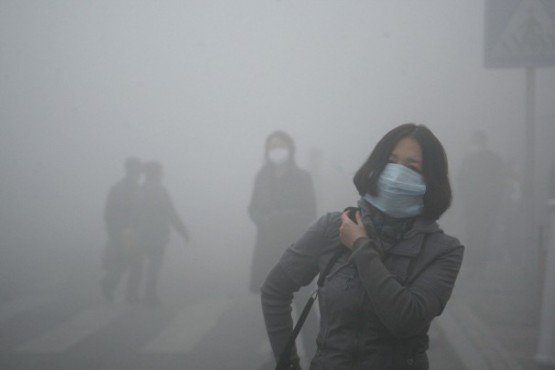
Chemical reactions involving sunlight, air, car exhaust, and ozone cause which of the following to form?
primary pollutants
sick-building syndrome
smog
acid rain
Which of the following is NOT a short-term health effect of air pollution?
lung cancer
headaches
eye irritation
nausea
Indoor air pollution is caused by...
chemicals we bring into our homes and use
outdoor air pollution entering the home
fumes from cooking and baking
smog and acid precipitation
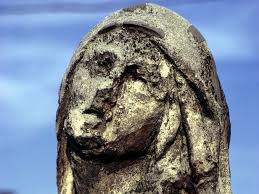
Natural causes of air pollution include all of the following (check all that apply)
forest fires
volcanic ash
wind
pollen
What is the Greenhouse Affect?
As carbon dioxide concentrations increase, temperatures increase
Condition that is caused by carbon dioxide, methane, and water vapor trapping heat in the Earth's atmosphere
causes sea levels to rise because it adds water to the ocean.
The cooling of Earth due to air pollution.
What is causing temperatures to get warmer on earth?
The earth is moving closer to the sun
The sun is just getting hotter; no one knows why
Carbon dioxide and other greenhouse gases are trapping more and more heat from the planet

Everyone should try to reduce their ...
carbon footprint
solar footprint
pylon footprint
global footprint
______________ ______________ is produced when fuels containing sulfur are burned in the presence of oxygen.
Carbon dioxide
Sulfur oxides
Carbon monoxide
Greenhouse gas

Where is the "GOOD" ozone located?
troposphere
stratosphere
mesosphere
thermosphere

Which of the following are examples of VOC's ? select 3
paint and paint thinners
gasoline
water vapor
formaldehyde
smog
Which ones are consider primary air pollutants?
Nitrogen oxides
Sulfur dioxides
Carbon monoxide
all are correct!!!!


Boiling Water (a)

Curling Iron (a)

Weather Patterns (a)

Sun Bathing (a)

Mantle (a)

Feet on Hot Sand (a)

Lava Lamp (a)

Heat Lamps (a)

Cold Pack on Person
Heat is transferred from the cold pack to the person.
Heat is transferred from the person to the cold pack
The cold pack is getting warmer. The person is getting colder.
The cold pack is getting colder. The person is getting warmer.
What is the transfer of heat by movement of liquids or gases? (a)
What is a transfer of heat energy by electromagnetic waves? (a)
What is the transfer of heat by direct contact? (a)
What is the measurement of the average kinetic energy of a substance? (a)
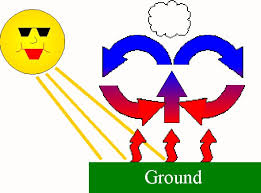
Warm air rises and the cool air sinks. This is...
(a)

Heat transfers from an area of (a) temperature to an area of (b) temperature.

Warm water from the ocean moves to the north while cool waters moves to the south. This is an example of.. (a)

If an object has particles that are moving very quickly, the object 's temperature is probably (a) .

conduction
ironing a shirt
convection
a radiator heating a cold room
radiation
a microwave heating food
Heat transfer through waves is called___
conduction
convection
radiation

In heat transfer, heat always flows from the _______________ substance to the _______________ substance.
hotter to colder
colder to hotter
hotter to hotter
colder to colder
Which is an example of heat being transferred by conduction?
a furnace blowing hot air through vents
an ice cube melting in a person’s hand
boiling water transferring heat to noodles
the sun heating water in a swimming pool


If I want two things to stay different temperatures from each other, I need to:
Maximize heat Transfer
Minimize heat transfer
Make them touch a lot
Blow on both with a fan

Near the ceiling of a room the air is warmer. The warm air rises because of ________.
conduction
convection
radiation

When I emit (send out) IR radiation, my body gets:
Hotter
Cooler
Stays the Same
Humans don't emit radiation

The heat transferred from the Sun to the Earth by waves is called ________.
conduction
radiation
convection

The baby chickens kept warm by the heat lamps. This is an example of ________.
conduction
convection
radiation
The heat transferred from the Sun to the Earth by waves is called ________.
conduction
radiation
convection
Without the sun's heat, what would happen to earth?
aliens would invade
the earth would explode
it would be too cold to survive
What is a conductor?
a material that heat moves through easily
a material that heat does not move through easily
a material that turns cold when heated
a tool for measuring temperature
Which of these is a better conductor?


Stir frying vegetables is an example of
Convection
Conduction
Radiation

Hot water rises and cold water sinks. Is this:
Convection
Conduction
Radiation
Cold Pack on Person
Heat is transferred from the cold pack to the person.
Heat is transferred from the person to the cold pack
The cold pack is getting colder. The person is getting warmer.
Which best explains why a refrigerator is usually not made completely out of metal?
Metal will not transfer heat, which allows the refrigerator to remain cool.
Metal easily transfers heat, which would warm the inside of the refrigerator.
Metal would heat up quickly on the outside, making the door too hot to touch.
Metal cools quickly, causing the refrigerator to be too cold and freeze the food inside.
Which best explains how candle wax is shaped into a mold?
Heat is added to candle wax to melt it so it is more flexible and can take the shape of the mold.
Heat is added to candle wax to melt it so it is less flexible and can take the shape of the mold.
Cold is taken away from candle wax so it is more flexible and can take the shape of the mold.
Cold is taken away from candle wax so it is less flexible and can take the shape of the mold.
Bob is putting new water pipes in his house. Which material would be best for Bob to use to prevent his pipes from freezing?
aluminum
copper
plastic
steel
Jack placed his wooden baseball bat in the sun. The bat cracked open along the center. What is the most likely reason for this happening?
The wooden bat cools in the sun.
The wooden bat evaporates in the sun.
The sun’s heat causes the wooden bat to expand.
The sun’s heat causes the wooden bat to contract.
Which best describes how heat is transferred?
Heat only flows within individual substances.
Heat flows from a warmer substance to a cooler substance.
Heat flows from a cooler substance to a warmer substance.
Heat flows in many different directions between substances.
If you hold a metal rod in a campfire to cook a marshmallow, why will the rod eventually burn your hand?
vaporization
conduction
convection
radiation
Electrical wires are coated with a rubber or plastic because these materials are good
conductors
magnets
resistors
insulators
What type of energy is transmitted from the Sun to Earth through the empty vacuum of space?
electromagnetic energy
electrical energy
kinetic energy
heat energy
The transfer of heat in the atmosphere by winds that circulate between the equator and the poles is an example of
radiation
insulation
convection
conduction
Which material BEST conducts heat and electricity?
wood
rubber
metal
plastic
Energy from the Sun reaches Earth by
conduction
radiation
convection
thermal expansion
A student standing near a campfire feels warmer as the fire grows. Which process MOST likely transfers heat from the campfire to the student?
transformation
conduction
convection
radiation
What is an insulator?
a loop of wire that makes another current
a material through which heat or electricity cannot move easily.
a switch that protects circuits from that are too high.
a device that keeps too much current from flowing through wires.
The handle of a frying pan is often coated in rubber because rubber provides
heat insulation
a nonstick surface
a low melting point
electric conduction
Metal is a good
resistor
conductor
insulator
accelerator
The transfer of heat from a warmer substance to a cooler substance through direct contact.
insulation
conduction
convection
radiation
The transfer of heat in a fluid or gas
through currents is called_____.
conduction
convection
radiation
insulation
The transfer of energy as electromagnetic waves
conduction
radiation
convection
A form of energy (light energy) that can move through the vacuum of space.
electromagnetic waves
convection
sound
kinetic
How does the color of an object affect the amount of energy it receives from sunlight?
Dark colors absorb more light and therefore become warmer.
Light colored objects reflect more light and become warmer than darker objects.
Dark colored objects reflect more light and become warmer than lighter objects.
A current caused by the rising of heated fluid or gas and the sinking of cooled fluid or gas. example: hot air balloon.
conduction current
radiation current
convection current
insulation current
Potholders make good____ and therefore keep you from getting burned.
conductors
insulators
transmitters
connectors
A blanket made with down feathers keeps you warm because it is a good
conductor
insulator
transmitter
radiator
Infrared will make your skin
sunburned
feel warm
cells die
see through
Why does a pencil look bent when put into water?
reflection
refraction
transmission
scattering
Which one of these are metal? (MORE than one answer)
socks
copper wire
steel
iron
Which is the best indicator that thermal energy is moving between two objects?
The temperature of both objects changes until they are equal.
The temperature of both objects remains the same.
The temperature of both objects decreases.
The temperature of both objects increases.
A person holds an ice cube in their hand. Which best describes the heat transfer of energy?
Heat is transferred from the person's hand to the ice by CONVECTION.
Heat is transferred from the person's hand to the ice by CONDUCTION.
Coolness is being transferred from the ice to the person's hand by convection
Coolness is being transferred from the ice to the person's hand by conduction
Which statement best explains why gases are poor conductors of thermal energy?
Their particles lack movement.
Their particles move too slowly.
Their particles are spread far apart.
Their particles are too close together.
Which condition is needed for heat to be transferred by conduction?
2 objects must be a liquid or gas.
2 objects must be touching or in direct contact.
2 objects must be located in a vacuum.
2 objects must be the same temperature.
If there is thermal expansion due to the increase in temperature inside a balloon which will happen to the volume?
The volume will increase.
The volume will go down.
The volume will decrease.
The volume will stay the same.
As water is heated on a stove, the cooler, denser water at the surface sinks and pushes the warmer water to the top.
This is an example of _____.
phase changes
convection currents
radiation
conduction
Sam records the temperatures of two cups of ice. Which best explains why the temperatures stop changing after several hours?
one cup has given all of its heat energy to the other cup.
Each cup reaches the same temperature as the other cup.
The two cups reach the same temperature as the surrounding air
All of the ice melts in the two cups so their temperatures stop changing.
Why does the sky appear blue?
because of the convection of light by molecules in the air.
because of absorption of light by molecules in the air.
because of scattering of light by molecules in the air.
because of diffusion of light by molecules in the air.
Which section of the electromagnetic spectrum is the only one humans can see?
visible light
radio waves
gamma waves
radio waves
Which statement best describes how the intensity of radiation impacts an object?
The intensity of waves does not affect the movement of particles in an object.
The more intense the waves, the slower the particles of the object move.
The more intense the waves, the faster the particles of the object move.
The intensity of waves destroys the particles within an object.
What process in the atmosphere protects people from the ultraviolet rays in sunlight?
Ozone absorbs ultraviolet light.
Nitrogen reflects ultraviolet light.
water vapor scatters ultraviolet light.
carbon dioxide blocks ultraviolet light.
A student needs a conductor for a demonstration involving a battery and a lightbulb. Which material should the student select?
a rubber band
cotton string
glass rods
paper clip
Why do bridges have expansion joints?
Cars tear up the bridge without them.
They allow for the expansion and contraction of the bridge during summer and winter.
They allow for expansion but not contraction
They allow for contraction but not expansion.
Which best describes what happens to metal railroad tracks on a hot, summer day?
Extreme heat causes them to get shorter.
Extreme heat causes them to break in half.
Extreme heat causes them to contract and buckle.
Extreme heat causes them to expand and get slightly longer.
Designed to protect the ozone layer by phasing out substances responsible
Montreal Protocol
Kyoto Protocol
Madrid Protocol
Yucca Protocol
Which of these is not part of the Antarctic Treaty?
To protect all Antarctic animals and plants
To ban all commercial mining until at least 2048.
To share scientific knowledge
To use Antarctica as an area of negotiation when required
What does the Clean Air Act regulate and protect the public from?
Wild Life
Bad Air Pollutants
Aquatic Lifeforms
Litter on the streets
True or False: The Clean Water Act (CWA) and The Safe Drinking Water Act (SDWA) are the same thing.
True
False
Which of the following international treaties bans the hunting, capture, and sale of threatened or endangered species in 181 countries? CITES
Endangered Species Act (ESA)
The Convention on International Trade in Endangered Species (CITIES)
National Enviornmental Policy Act (NEPA)
In the 1970s, the United States introduced the _________________________ which calls for a recovery plan to be created for each endangered species.
Resource consevation and Recovery Act
Clean Water Act
Endangered Species Act
Which act mandates the restoration and maintenance of the chemical, physical, and biological integrity of the nation's waters?
Safe Drinking Water Act
Clean Water Act
Toxic Substances Control Act
Which answer choice addresses the issue of stratospheric ozone depletion?
Montreal Protocol
Kyoto Protocol
Endangered Species Act
National Environment Policy Act
Makes use of science, ethics, economics, and political process to solve environmental problems.
industrialization
environmental policy
environmental science
environmental Impact statement
Cradle-to-grave law for describes rules for the proper handling of hazardous and toxic waste
The EPA
Clean Air Act
Resource Conservation and Recovery Act, RCRA
Recylcing Act
International law where countries agree to cut back on carbon emissions to curb climate change
Montreal Protocol
Kyoto Protocol
Stockholm Agreement
CITES
Environmental policy addresses all of the following issues EXCEPT __________.
air pollution
water pollution
natural disasters
overfishing
CERCLA ensures the removal or the regulation of hazardous waste?
Removal
Regulation
What does the Delaney Clause deal with?
Endangered Animals
Banning food preservatives
Natural Disasters
Hazardous Waste
Most (78%) of the air we breathe is made up of _________.
oxygen
carbon dioxide
nitrogen
water vapor
As water vapor rises, it cools. As ________ occurs, clouds are formed.
evaporation
melting
precipitation
condensation
Lower altitudes experience ________ air pressure to/than higher altitudes.
Higher
Lower
Equal
Which color absorbs more light energy from the sun and converts it to the most heat?
white
gray
silver
black
Which 2 sources of pollution are natural and release CO2 into the air? (Pick 2)
forest fires
volcanic activity
burning coal
coal dust in mines
Which term describes air pollutants that are already dangerous when they enter the air?
primary
secondary
particulate
nonpoint-source
Which term describes air pollutants that result from a chemical reaction?
primary
secondary
particulate
nonpoint-source
What is the source of most air pollution?
burning fossil fuels
volcanic activity
forest fires
wind blowing particulate matter
Particles in smoke, soot, and coal dust are all examples of _______.
fossil fuels
particulate matter
volatile organic compounds
volcanic matter
Overgrazing or overfarming can loosen soil and make dust from _______ worse.
volcanoes
soot
wind
fires
Since being passed in 1963, the ________ has resulted in a significant reduction in air pollutants.
Clean Water Act
Safe Drinking Water Act
The Frack Act
The Clean Air Act
Chlorofluorocarbons have contributed most to which issue?
climate change
the ozone hole
asthma rates
heat exhaustion
Since being signed in 1986, the ________ has resulted in a significant reduction in CFC use and production.
Clean Water Act
Safe Drinking Water Act
Montreal Protocol
The Clean Air Act
The hole in the ozone layer results in an increase in _______.
climate change
acid rain
exposure to UV rays
lung disease
What does ecological footprint measure?
How quantity of natural resources humans need compared to the earth's capacity to provide those resources
The size of cities across the world
The amount of fossil fuels that are burned for energy
The shoe size of the average human
How is ecological footprint measured?
In terms of land required by each person in a selected area for food, water, transport, housing and waste management
In terms of number of years it would take before resources ran out
In terms of the average life expectancy of a nation
In terms of shoe size, e.g. women's 9

Which one of the following are Greenhouse Gases
Carbon dioxide
Oxygen
Hydrogen
Helium
Which is NOT a way to decrease your ecological footprint?
Eating less meat and processed foods
Walking or biking to school
Turning off electricity and water when you're not using it.
Using cars for short journeys
What kinds of resources make up your ecological footprint?
waste production
water and energy use
food and shelter
clothing and transportation
All of the above
Purchasing fewer clothes could reduce your carbon footprint by: (choose any two)
saving you money which would make you more financially secure
leading to less land being cleared to grow fibre crops such as cotton
reducing the fuel required to transport clothes from overseas
setting a good example for your friends so that you can show them how good a person you are

Which of the following is a concern of deforestation? Check all that apply.
It can have negative effects on soil quality.
It can raise carbon dioxide levels by reducing the number of trees that can remove it from the atmosphere.
It can compromise the availability of fresh water.
It can lower Carbon dioxide levels.

According to this image, in which continent does the ecological footprint exceed capacity by the largest amount?
Europe
North America
South America
Australia

