
NEW
Font size
 Worksheets
Art History Exam 1: Quiz 2
Total questions: 66
Worksheet time: 33mins

Where is the head of the Akkadian ruler from?
Nineveh (modern Kuyunjik), Iraq
Babylon, Iraq
Uruk, Iraq
Damascus, Syria

What is the head of the Akkadian ruler made of?
Bronze
Gold
Copper
Stone

Where is the head of the Akkadian ruler displayed?
The British Museum, London
The Louvre, Paris
The Metropolitan Museum of Art, New York
National Museum of Iraq, Baghdad

What is the estimated date range when the head of the Akkadian ruler was made?
Ca. 3,000 - 2,750 BCE
Ca. 2,250 - 2,200 BCE
Ca. 1,800 - 1,750 BCE
Ca. 2,500 - 2,450 BCE
What time period does the Neo-Sumerian and Babylonian Period fall under
2,150 - 1,600 BCE
9,000 - 4,000 BCE
14,000 - 9,000 BCE
6,000 - 4,000 BCE
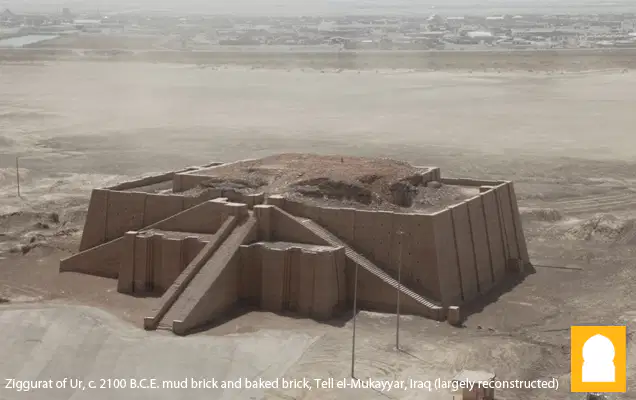
Where is the Ziggurat of Ur located?
Egypt
Greece
Iraq
India
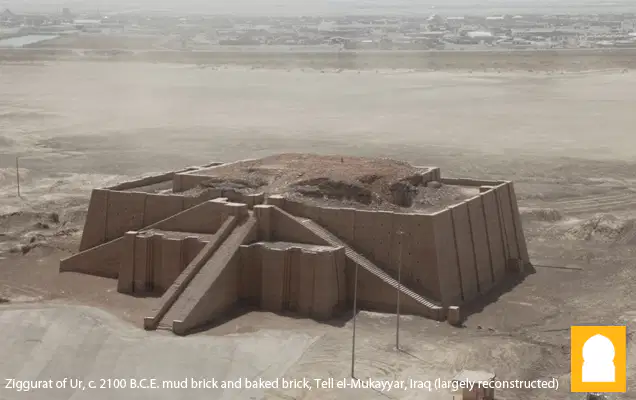
What is the approximate date of the Ziggurat of Ur?
3100 BCE
2100 BCE
1100 BCE
100 CE
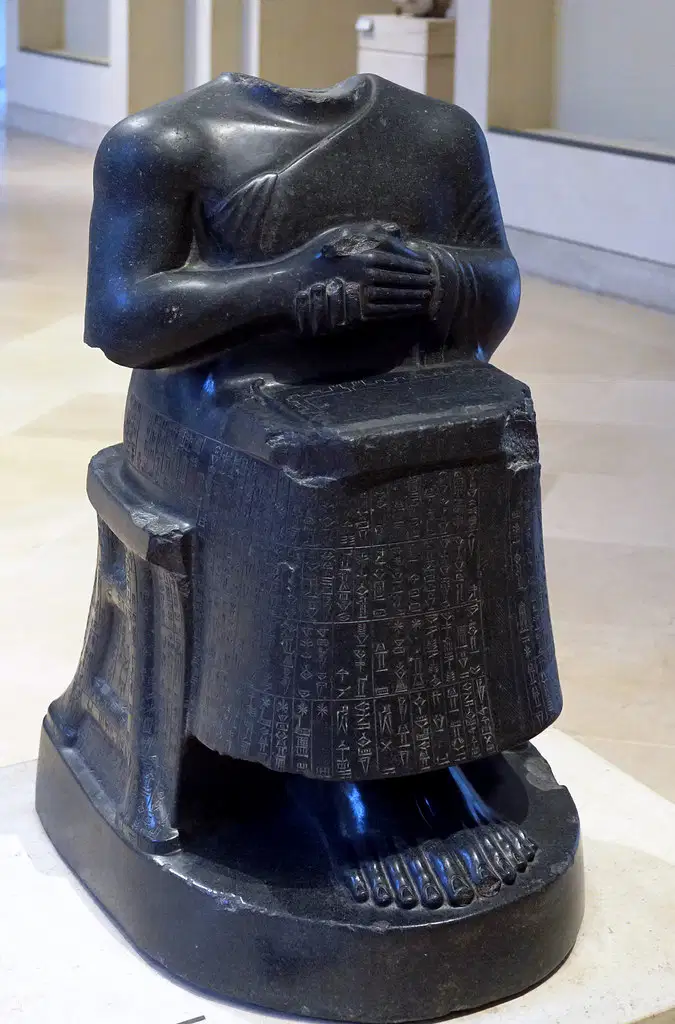
Where is the original location of the statue "Gudea seated, holding the plan of a temple" from?
Paris, France
Girsu (modern Telloh), Iraq
Rome, Italy
Athens, Greece
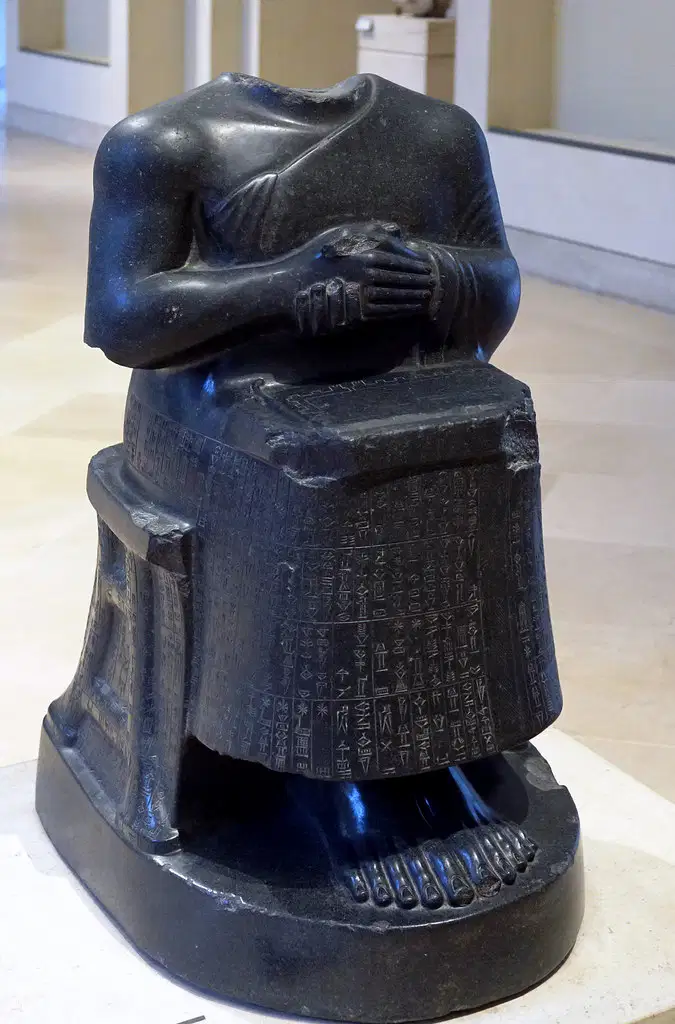
What is the statue "Gudea seated, holding the plan of a temple" made of?
Marble
Granite
Diorite
Limestone
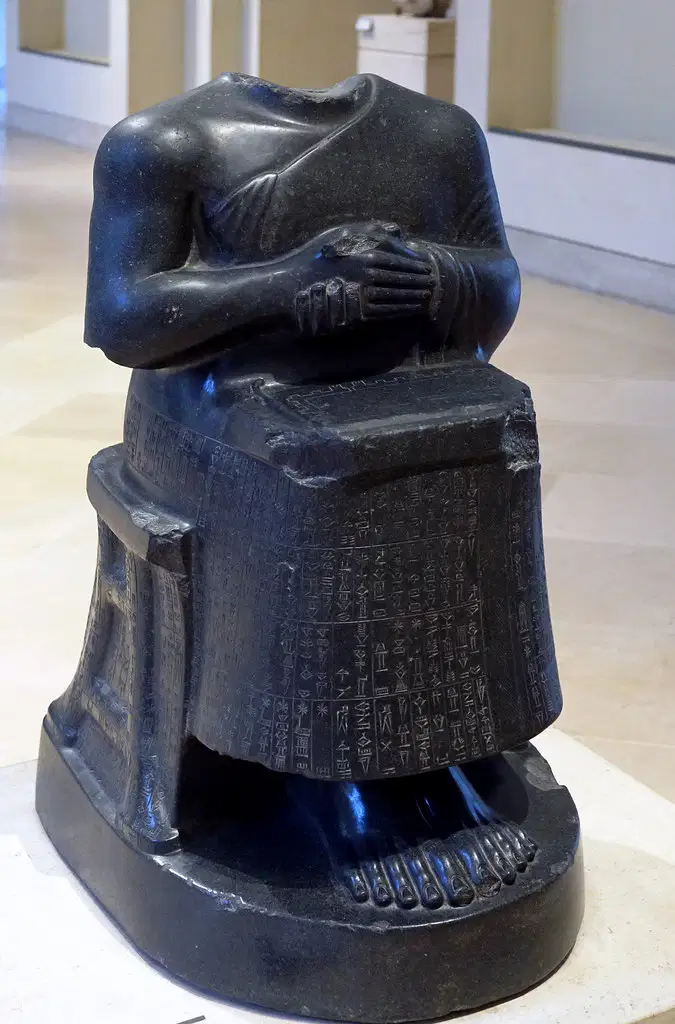
What is the approximate date of creation for the statue "Gudea seated, holding the plan of a temple"?
1,500 BCE
2,100 BCE
2,500 BCE
3,100 BCE
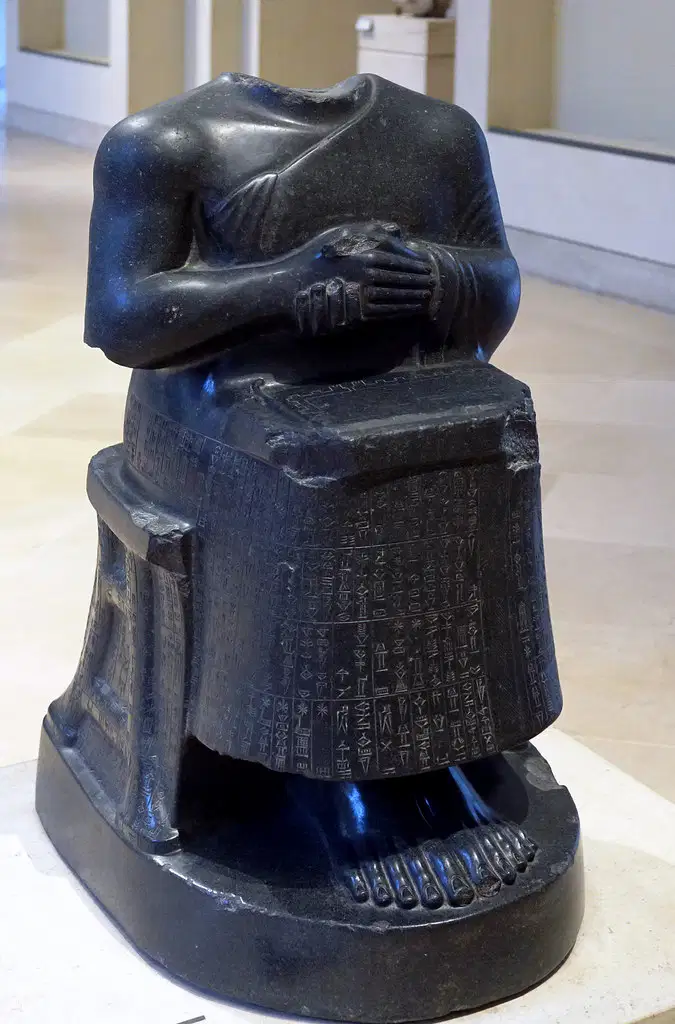
As of the information provided, where is the statue "Gudea seated, holding the plan of a temple" currently located?
British Museum, London
Musee du Louvre, Paris
The Metropolitan Museum of Art, New York
The State Hermitage Museum, St. Petersburg

Where was the Stele with Code of Hammurabi originally set up?
Susa, Iran
Babylon, Iraq
Paris, France
The Louvre Museum

What is the approximate date of the Stele with Code of Hammurabi?
1,580 BCE
1,780 BCE
1,980 BCE
2,180 BCE

What material is the Stele with Code of Hammurabi made of?
Granite
Limestone
Basalt
Marble

Where is the Stele with Code of Hammurabi located today?
British Museum, London
Museum of Natural History, New York
Musee du Louvre, Paris
The Metropolitan Museum of Art, New York
What is the time period of the Assyrian and Neo-Babylonian empires?
Ca. 1000 - 539 BCE
Ca. 900 - 539 BCE
Ca. 800 - 539 BCE
Ca. 900 - 600 BCE

What is the Lamassu made of?
Marble
Granite
Limestone
Sandstone

Where is the Lamassu currently located?
The British Museum, London
The Metropolitan Museum of Art, New York
The Louvre, Paris
The Pergamon Museum, Berlin

From which period does the Lamassu date?
Ca. 500 - 400 BCE
Ca. 721 - 705 BCE
Ca. 850 - 800 BCE
Ca. 650 - 600 BCE

Where was the Lamassu originally located?
The citadel of Nebuchadnezzar II, Babylon
The citadel of Sargon II, Dur Sharrukin (modern Khorsabad), Iraq
The temple of Marduk, Babylon
The palace of Ashurbanipal, Nineveh
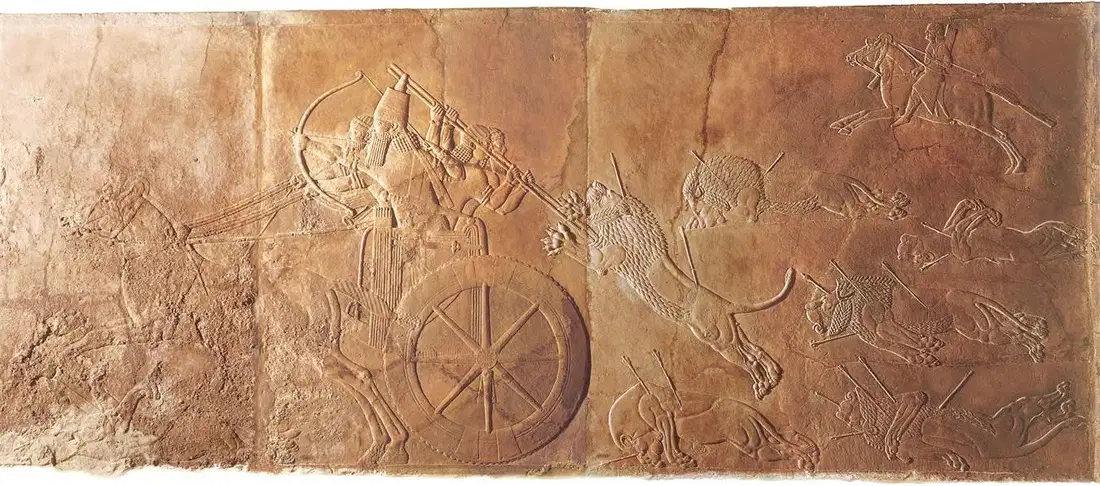
Where is the relief of Ashurbanipal hunting lions from?
The British Museum, London
The north palace of Ashurbanipal, Nineveh (modern Kuyunjik), Iraq
The Louvre Museum, Paris
The Metropolitan Museum of Art, New York
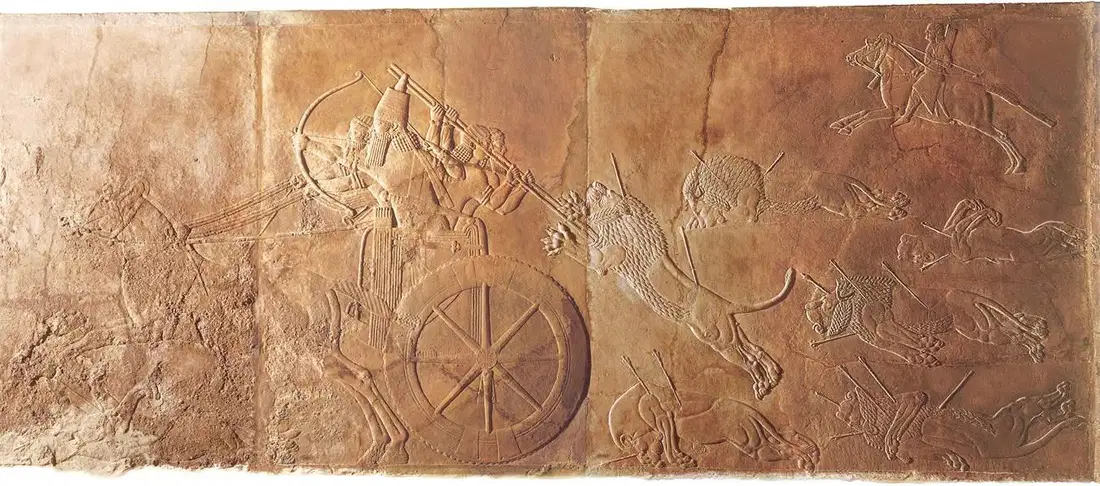
What is the relief of Ashurbanipal hunting lions made of?
Marble
Limestone
Gypsum
Sandstone
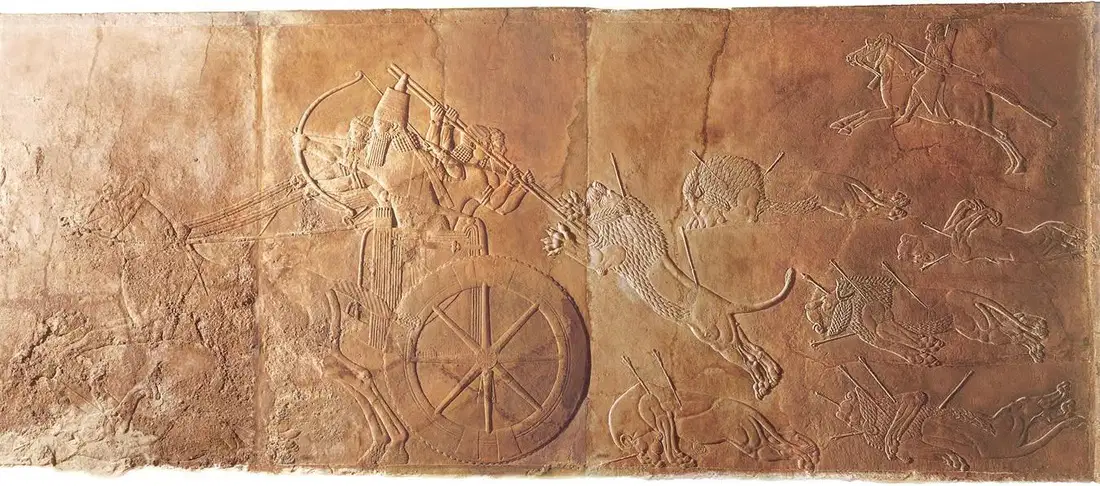
When was the relief of Ashurbanipal hunting lions created?
Ca. 645 - 640 BCE
Ca. 550 - 545 BCE
Ca. 700 - 695 BCE
Ca. 760 - 755 BCE
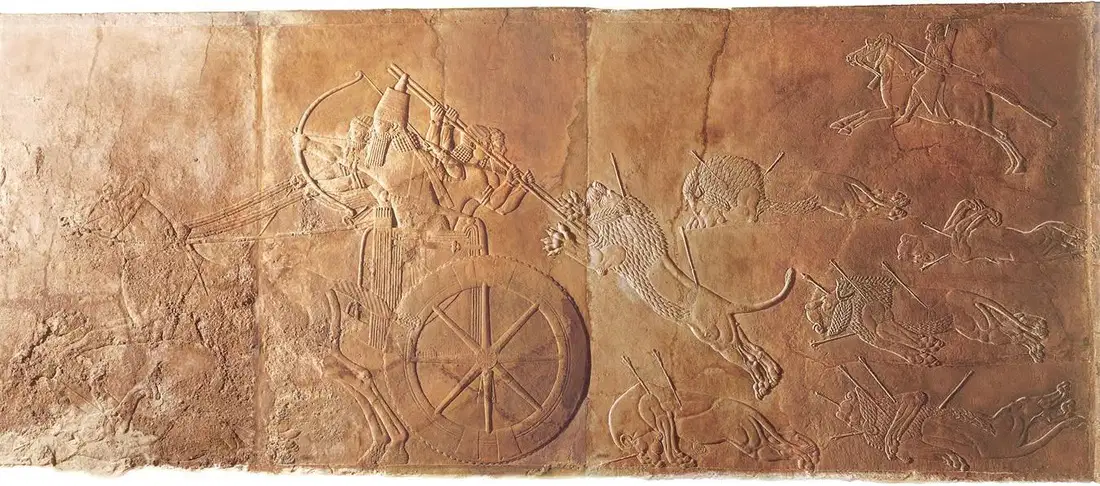
As of the latest information, where is the relief of Ashurbanipal hunting lions housed?
The British Museum, London
The north palace of Ashurbanipal, Nineveh (modern Kuyunjik), Iraq
The Louvre Museum, Paris
The Metropolitan Museum of Art, New York
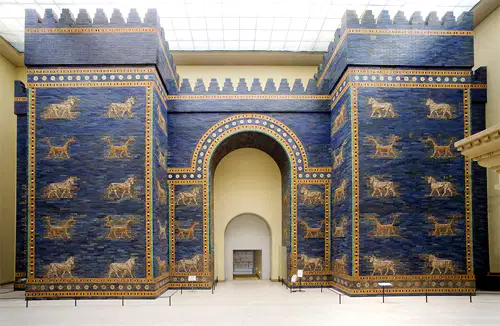
Where is the restored Ishtar Gate currently located?
Babylon, Iraq
Vorderasiatisches Museum, Staatliche Museen zu Berlin, Berlin
British Museum, London
The Louvre, Paris

What is the approximate date of the Ishtar Gate's construction?
500 BCE
575 BCE
650 BCE
700 BCE
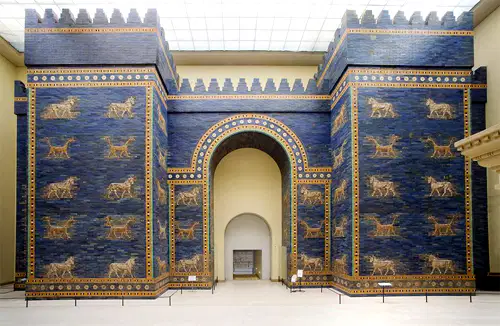
From which location was the Ishtar Gate originally?
Berlin, Germany
Babylon, Iraq
Damascus, Syria
Cairo, Egypt
What is the time period of the Achaemenid Empire of Persia?
500 - 300 BCE
559 - 330 BCE
600 - 350 BCE
550 - 320 BCE

Where is Persepolis located?
Greece
Egypt
Iran
Italy

When was Persepolis built?
331 - 320 BCE
521 - 465 BCE
600 - 550 BCE
400 - 350 BCE
What do the Tigris and Euphrates rivers define historically?
The boundaries of Sumer
The land known as Mesopotamia
The region of the Ancient Near East
The location of Uruk
Mesopotamia is the land between which two rivers?
Nile and Jordan
Indus and Ganges
Tigris and Euphrates
Amazon and Orinoco
The ancient Near East has
nothing
the foundations of the ethnical principles
been regarded as part of the Western canon of the history of art
Sumer is
the S region of Babylonia, seat of civilization of city-states that reached its height in the 3rd millenium BC
above
Ur is
an important sumerian city-state in ancient Mesopotamia
above
Uruk is
today known as Warka, city in the ancient Near East situated east of the present bed of the Euphrates River on the dried up ancient channel
above
Sumerians
are the people of southern Mesopotamia whose civilization flourished between 4,100 - 1,750 BCE
above
Akkadians are
sematic inhabitants of central Mesopotamia before 2,000 BC
above
Babylonian is
the dialect of akkadian spoken in ancient Babylon
above
Which city-state was considered an important Sumerian city in ancient Mesopotamia?
Uruk
Akkad
Ur
Babylon
What is Uruk known as today?
Ur
Akkad
Warka
Babylon
Who were the Sumerians?
A Semitic people of central Mesopotamia
The inhabitants of the Tigris and Euphrates river valleys
The people of southern Mesopotamia whose civilization flourished between 4,100 - 1,750 BCE
The creators of the Akkadian language
Who were the Akkadians?
The people who lived in Mesopotamia after 2,000 BC
A Semitic inhabitant of central Mesopotamia before 2,000 BC
The inhabitants of ancient Babylon
The people who lived along the Nile River
What is the Babylonian language?
The language spoken by the Sumerians
The dialect of Akkadian spoken in ancient Babylon
The language of the Akkadians before 2,000 BC
The original language of Mesopotamia
What is an Assyrian according to the definitions provided?
A celestial being from ancient Mesopotamian religion
A native or inhabitant of ancient Assyria
A system or organization in which people or groups are ranked
A fortress, typically on high ground
What does the term "Cuneiform" refer to?
A city that with its surrounding territory forms an independent state
A rectangular stepped tower
Wedge-shaped characters used in the ancient writing systems of Mesopotamia, Persia, surviving mainly on clay tablets
A fortress, typically on high ground
What is a Ziggurat?
A celestial being from ancient Mesopotamian religion
A system or organization in which people or groups are ranked
A city that with its surrounding territory forms an independent state
A rectangular stepped tower, sometimes surmounted by a temple
What does the term "Lamassu" describe?
A celestial being from ancient Mesopotamian religion bearing a human head, symbolizing intelligence, a bull’s body, symbolizing strength; and wings of an eagle to symbolize freedom
A native or inhabitant of ancient Assyria
A fortress, typically on high ground
A system or organization in which people or groups are ranked
What is the definition of a "Hierarchy" as given in the document?
A celestial being from ancient Mesopotamian religion
A rectangular stepped tower
A fortress, typically on high ground
A system or organization in which people or groups are ranked one above the other according to status or authority
When does the Predynastic and Early Dynastic period take place in Egypt?
14,000 - 9,000 BCE
3,500 - 2,575 BCE
9,000 - 4,000 BCE

Where was the Palette of King Narmer originally from?
Cairo
Giza
Hierakonpolis
Luxor

What is the estimated date range for the Palette of King Narmer?
3,500 - 3,200 BCE
3,000 - 2,920 BCE
2,800 - 2,700 BCE
3,200 - 3,100 BCE

What material is the Palette of King Narmer made of?
Granite
Limestone
Slate
Alabaster

Where is the Palette of King Narmer displayed today?
The British Museum, London
The Louvre, Paris
The Metropolitan Museum of Art, New York
Egyptian Museum, Cairo

From which location and dynasty is the stepped pyramid of Djoser?
Giza, Fourth Dynasty
Saqqara, Third Dynasty
Luxor, Second Dynasty
Memphis, First Dynasty

What is the estimated date range for the construction of the stepped pyramid of Djoser?
Ca. 2,500 - 2,450 BCE
Ca. 2,550 - 2,500 BCE
Ca. 2,630 - 2,611 BCE
Ca. 2,700 - 2,650 BCE
What time frame does the Old Kingdom in Egypt fall under?
14,000 - 9,000 BCE
2,575 - 2,134 BCE
9,000 - 4,000 BCE
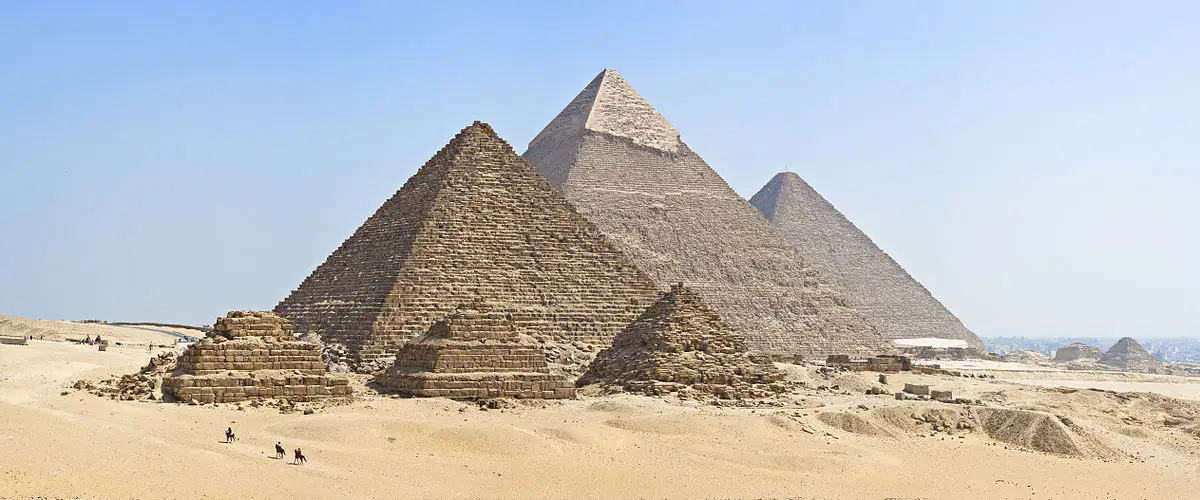
Where are the Great Fourth Dynasty Pyramids located?
Luxor, Egypt
Gizeh, Egypt
Cairo, Egypt
Alexandria, Egypt
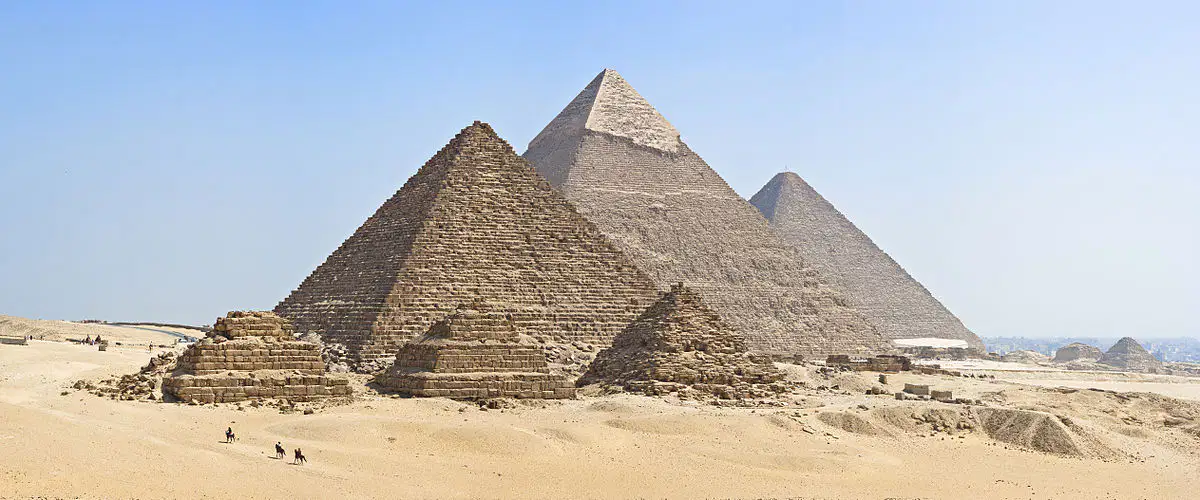
Which material were the Great Fourth Dynasty Pyramids made of?
Sandstone
Granite
Cut limestone
Marble
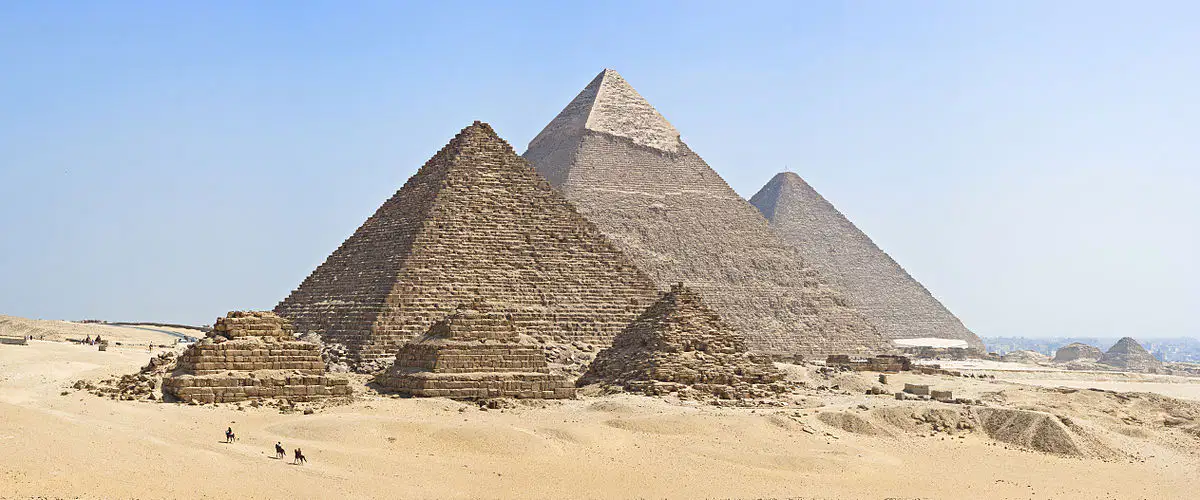
What is the estimated date range for the construction of the Pyramid of Khufu?
2,551 - 2,528 BCE
3,000 - 2,975 BCE
2,600 - 2,575 BCE
2,490 - 2,472 BCE

During which years was the Pyramid of Khafre built?
2,490 - 2,472 BCE
2,551 - 2,528 BCE
5,520 - 2,494 BCE
3,100 - 2,900 BCE
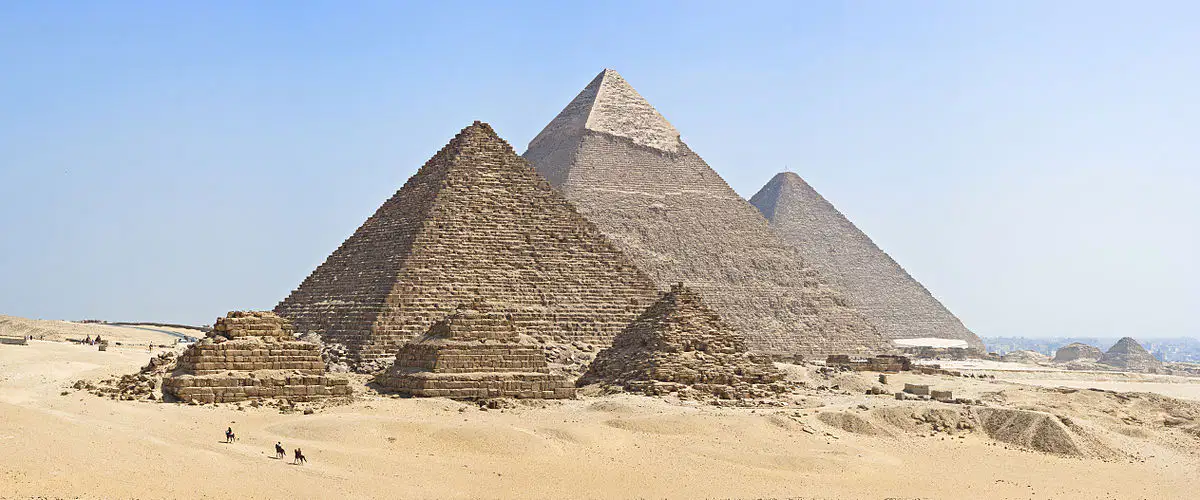
What is the date range for the construction of the Pyramid of Menkaure?
2,490 - 2,472 BCE
2,551 - 2,528 BCE
5,520 - 2,494 BCE
3,100 - 2,900 BCE
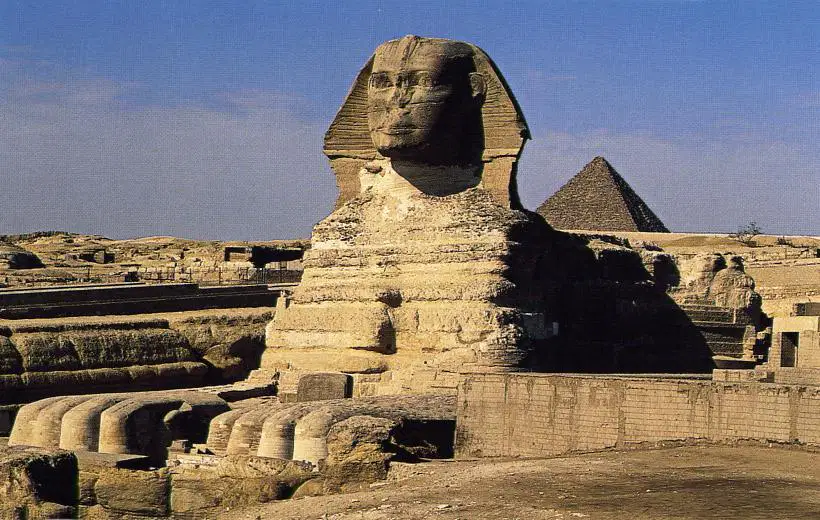
Where is the Great Sphinx located?
Luxor, Egypt
Gizeh, Egypt
Cairo, Egypt
Alexandria, Egypt
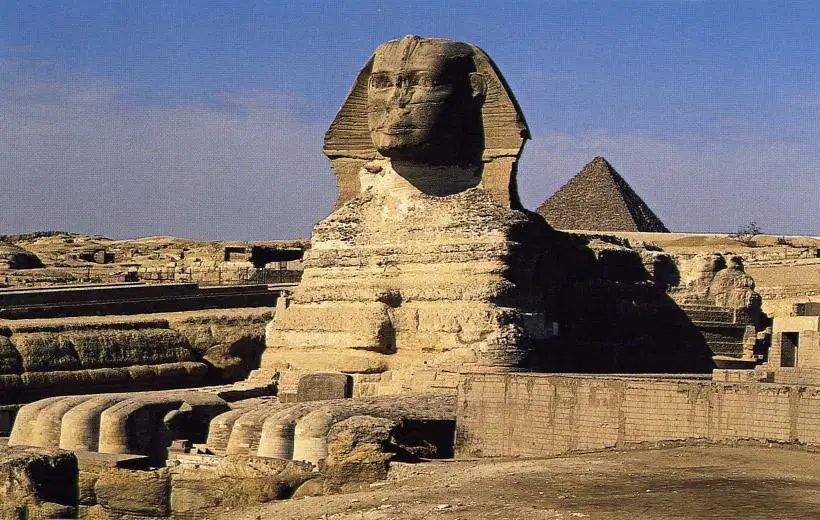
What is the Great Sphinx made of?
Granite
Limestone
Marble
Sandstone
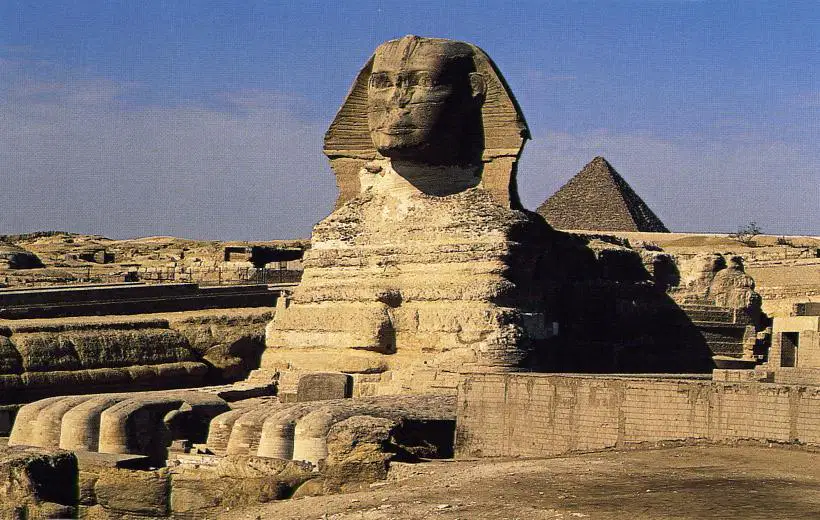
During which dynasty was the Great Sphinx built?
Third Dynasty
Fourth Dynasty
Fifth Dynasty
Sixth Dynasty
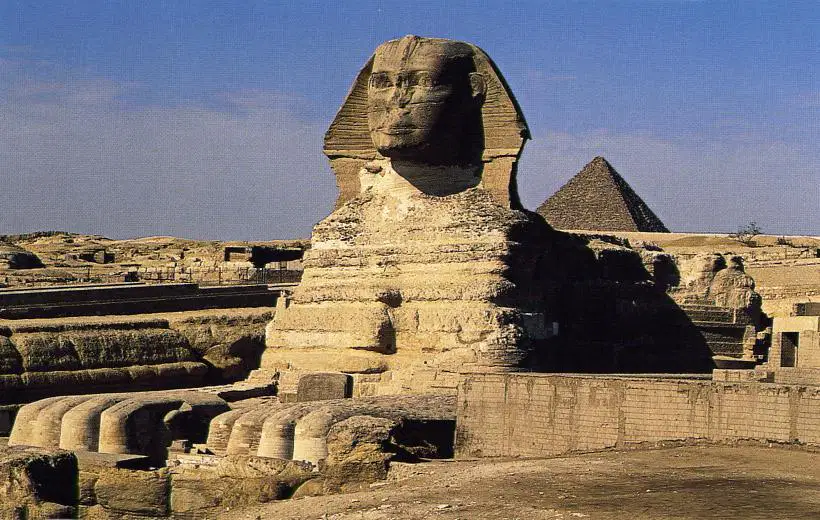
What is the approximate date range when the Great Sphinx was constructed?
Ca. 3,000 - 2,750 BCE
Ca. 2,750 - 2,500 BCE
Ca. 2,520 - 2,494 BCE
Ca. 2,250 - 2,000 BCE

