
 Worksheets
FEGEG
Total questions: 171
Worksheet time: 2hrs 1mins

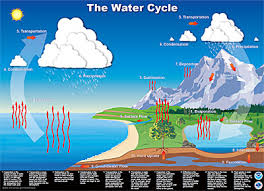
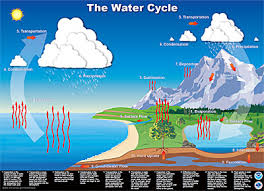
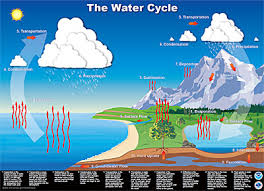
When changing from a liquid to a gas, the water molecules are ____________________________.
freezing and moving away from each other.
evaporating and moving away from each other
condensing and moving closer to each other
evaporating and moving closer to each other
When changing from a liquid to a solid, the water molecules are ____________________________.
freezing and moving away from each other.
evaporating and moving away from each other
condensing and moving closer to each other
freezing and moving closer to each other
Water in its gas form is called ____________________,
water vapor
precipitation
ice
air
This provides the power to keep the water cycle running.
The Sun
The Earth
The wind
living things
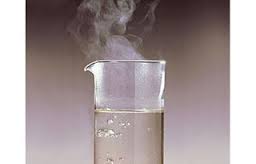
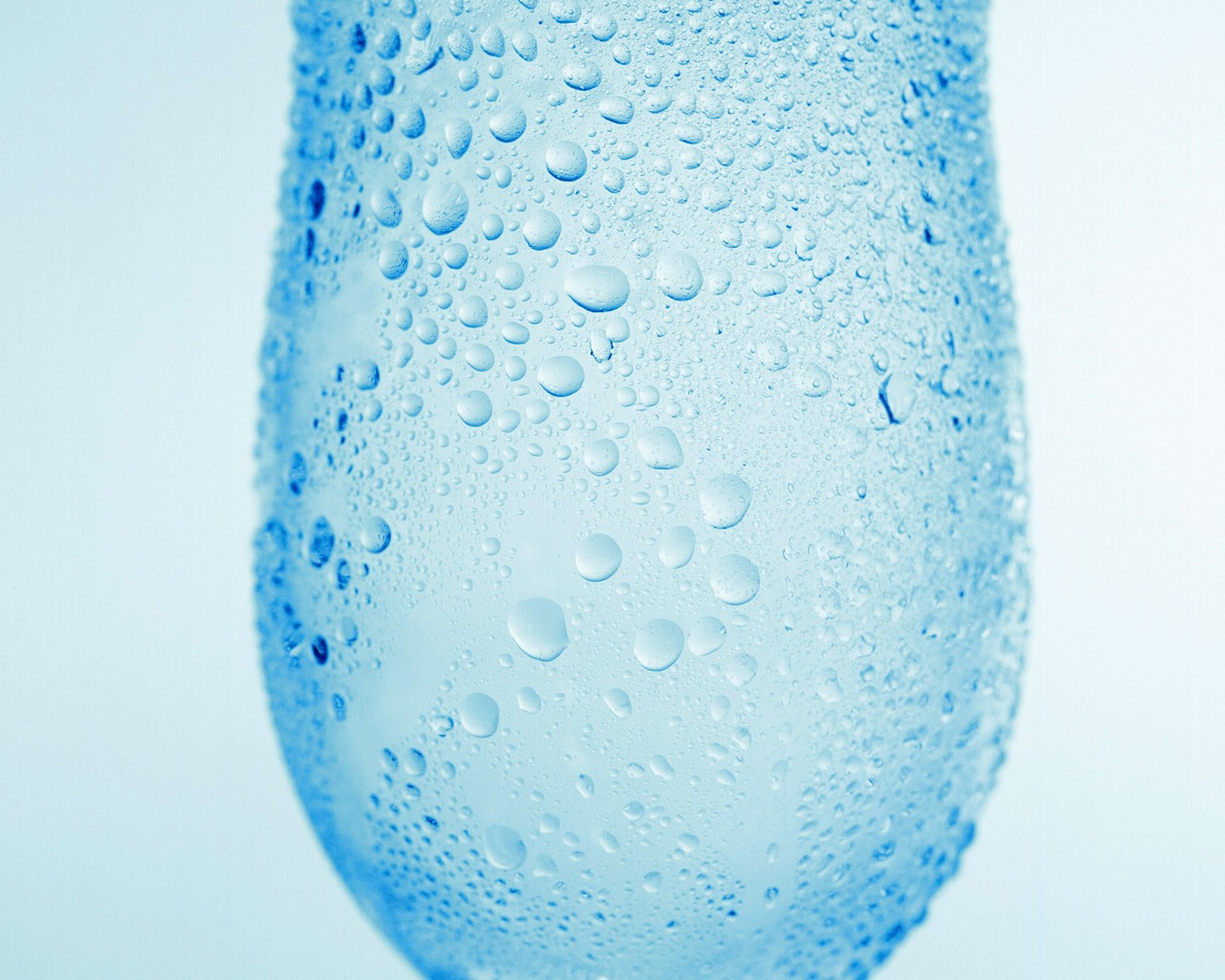
What controls whether water is a gas, liquid, or solid ice?
how long it has been in a place
if it is being used for anything
what temperature it is
what cup it is in
When the temperature of a sample of water is -5 C, the water is ______?
solid
liquid
vapor
gas
In the water cycle, rain, snow, or sleet falling to the ground is a form of ____?
collection
evaporation
precipitation
condensation
A cook heats water on the stove until it reaches the temperature at which it boils. The water changes from _______.
a liquid into a gas
a gas into a liquid
a liquid into a solid
a solid into a liquid
Water is found in three forms, or states. What are the 3 states of water?
solid, liquid, and gas
rain, snow, and sleet
lakes, oceans, and streams
collection, evaporation, and condensation
In the condensation stage of the water cycle, tiny drops of water combine together to form ______.
clouds
precipitation
evaporation
rain
The _______ is the movement of water into the air as water vapor and back to Earth's surface as precipitation.
water vapor
heat
water cycle

There are three stages of the water cycle in the picture. What's happening in letter A?
condensation
collection
precipitation
evaporation

There are three stages of the water cycle in the picture. What's happening in letter B?
precipitation
condensation
evaporation
collection

There are three stages of the water cycle in the picture. What's happening in letter C?
collection
evaporation
condensation
precipitation
Water freezes at what temperature?
212 degrees F
78 degrees F
32 degrees F
90 degrees F
What do you call a body of water in the water cycle?
precipitation
run off
collection
water vapor
What do we call the gas form of water as it changes from liquid to gas during evaporation?
water cycle
ice
water vapor
infilitration
What controls whether water is a gas, liquid, or solid ice?
how long it has been in a place
if it is being used for anything
what temperature it is
what cup it is in
When the temperature of a sample of water is -5 C, the water is ______?
solid
liquid
vapor
gas
In the water cycle, rain, snow, or sleet falling to the ground is a form of ____?
collection
evaporation
precipitation
condensation
A cook heats water on the stove until it reaches the temperature at which it boils. The water changes from _______.
a liquid into a gas
a gas into a liquid
a liquid into a solid
a solid into a liquid
Water is found in three forms, or states. What are the 3 states of water?
solid, liquid, and gas
rain, snow, and sleet
lakes, oceans, and streams
collection, evaporation, and condensation
In the condensation stage of the water cycle, tiny drops of water combine together to form ______.
clouds
precipitation
evaporation
rain
The _______ is the movement of water into the air as water vapor and back to Earth's surface as precipitation.
water vapor
heat
water cycle
There are three stages of the water cycle in the picture. What's happening in letter A?
condensation
collection
precipitation
evaporation
There are three stages of the water cycle in the picture. What's happening in letter B?
precipitation
condensation
evaporation
collection
There are three stages of the water cycle in the picture. What's happening in letter C?
collection
evaporation
condensation
precipitation
Water freezes at what temperature?
212 degrees F
78 degrees F
32 degrees F
90 degrees F
What do you call a body of water in the water cycle?
precipitation
run off
collection
water vapor
What do we call the gas form of water as it changes from liquid to gas during evaporation?
water cycle
ice
water vapor
infilitration
When warm, evaporated air rises, it cools and begins to turn into liquid again. This part of the water cycle is called:
transpiration
precipitation
crunoff
condensation
When moisture is released from the leaves of trees into the air it is called:
transpiration
evaporation
precipitation
runoff
What does condensation look like in the sky?
It looks like rain
It looks like clouds
It looks like a tornado
I see it on my windows

The process by which molecules of water vapor become liquid water.
transpiration
evaporation
condensation
accumulation
Any form of water that falls from clouds and reaches Earth’s surface because of gravity.
accumulation
precipitation
condensation
surface runoff

In order for evaporation to occur, liquid water must change state into a ___________.
gas
solid
ocean
______________ is the step in the water cycle that moves the most amount of water up into the atmosphere.
Condensation
Crystallization
Evaporation
What is the correct order of the water cycle?
cloud, water vapor, rain,
water vapor, cloud, rain
rain, cloud, water vapor
water vapor, rain, cloud
What is the correct order of the water cycle?
precipitation, evaporation, run off, condensation
evaporation, run off, precipitation, condensation
evaporation, condensation, precipitation, run off
run off, condensation, evaporation, precipitation
What would happen if less water evaporated from the oceans?
Ocean levels would increase and there would be more precipitation.
Ocean levels would decrease and there would be more precipitation.
Ocean levels would increase and there would be less precipitation.
Ocean levels would decrease and there would be less precipitation.

This picture of the mirror shows an example of--
precipitation
transpiration
evaporation
condensation

This picture shows -
evaporation
condensation
precipitation
transpiration

The image shows various stages in the water cycle. During which stage does water flow back towards the sea as runoff?
W
X
Y
Z

What step of the water cycle does this picture show?
Condensation
Runoff
Precipitation
Evaporation

Which best explains why runoff is important?
It returns water to other locations on Earth
It increases the chance of flooding
It makes evaporation occur faster
It increases condensation
When water changes from a liquid to a solid it is known as...
melting.
condensation.
freezing.
evaporation.
In which area would the rate of evaporation be the lowest?
Over the ocean
Over the mountains
Over the rainforest
Over the desert
An underground layer of sand, gravel or rock that stores and carries water
water table
water cycle
aquifer
Infiltration
Water running off the land surface
Evaporation
Sublimation
Transpiration
Run-off
What is the energy source for the water cycle?
sun
wind
rain
oceans
What are clouds made of?
dry air
water

A student draws a model to represent the precesses involved in the water cycle, as shown. To which process is the formation of clouds related?
Condensation
Evaporation
Freezing
Melting
On Earth, what process generates most of the water vapor?
Condensation
Evaporation
Precipitation
Transpiration

What is the energy source that drives the water cycle?
The moon T
The heat from our home in the winter all around the world
The sun
he heat generated solely from the core of the earth

What are formed when water vapor condenses?
Clouds
Mountains
Transpiration
Valleys
Water in its gas form is called ____________________,
water vapor
precipitation
ice
air
Which of the following is an example of precipitation?
sleet
hail
snow
all of the above
If groundwater reaches earth's surface, how does it reenter the water cycle?
by transpiration
by evaporation
by accumulation
it can't

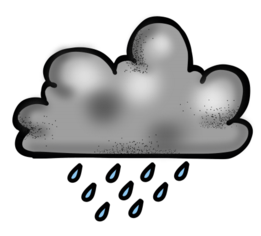
What process occurs when tiny water droplets cling together in the atmosphere?
clouds
evaporation
condensation
accumulation

What is the role of the sun in the water cycle?
provide heat energy for evaporation
provide heat energy for condensation
dry out the soil for runoff to occur
provide thermal energy for accumulation
Which of the following is an example of precipitation?
sleet
hail
snow
all of the above
Which of the following is NOT a way water moves from the land to the air?
transpiration
respiration
evaporation
precipitation

What is it called when plants release water vapor through their leaves?
sublimation
respiration
transpiration
precipitation
What is the process called when water vapor turns to liquid water?
evaporation
condensation
precipitation
transpiration
What do we call water in its gas state?
rain
snow
ice
water vapor
If groundwater reaches earth's surface, how does it reenter the water cycle?
by transpiration
by evaporation
by accumulation
it can't
Water falls to Earth as rain after water vapor ________ into clouds.
evaporates
accumulates
condenses
freezes
During evaporation, water changes from a _________ to a __________.
solid, liquid
gas, liquid
liquid, gas
liquid, solid
The water cycle starts at....
evaporation
condensation
precipitation
it has not beginning or ending

What process is show by letter A in the diagram?
condensation
evaporation
accumulation
precipitation

What is shown by letter D in the diagram?
runoff
groundwater
melting
vapor

What process is shown by letter B in the diagram?
condensation
transpiration
evaporation
precipitation

What would most likely happen if letter B stopped.
the water cycle would end
there would be more clouds
water would freeze
animals in the ocean would die
Water is very important for life. We need water for . . . .
cooking
hydrating the body
washing
showering
What is the name given to water in the gaseous state?
water
water vapour
ice cube
snow
Ice cube and iceberg are water in . . . .
gaseous state
liquid state
solid state
Name of the process whereby water turns to ice is . . . .
condensation
freezing
melting
evaporation
What is the name of the process whereby water vapour turns to water?
condensation
evaporation
boiling
freezing
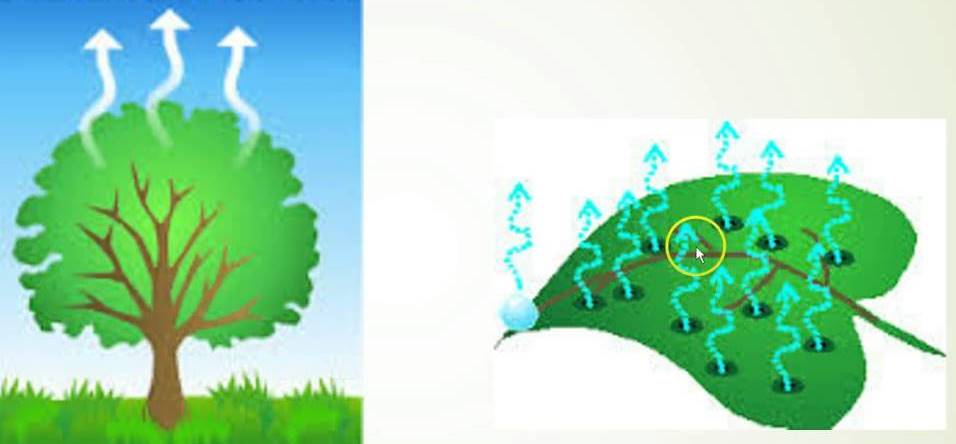
What is it called when plants give off water vapour from the leaves?
presipitation
evaporation
transpiration
condensation
In the process of water cycle, during which stage do clouds form?
evaporation
condensation
transpiration
presipitation

What is the role of the sun in the water cycle?
provide heat energy for condensation
provide heat energy for evaporation
provide heat energy for presipitation
provide light energy for enabling us to see
During evaporation, water changes from a _________ to a __________.
solid, liquid
solid, gas
gas, liquid
liquid, gas

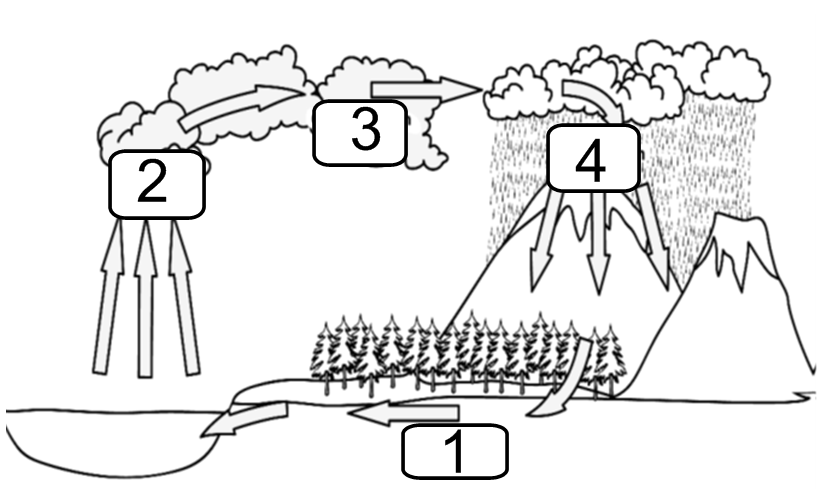
What process is show by number 4 in the diagram?
evaporation
transpiration
condensation
presipitation

The process of transpiration is shown by number . . . .
1
2
3
4
The forms presipitation are:
sand
rain
hail
snow
During condensation, water vapour changes from a _________ to a __________.
liquid, solid
gas, liquid
gas, solid
solid, liquid
Precipitation happens when clouds of water droplets are too ______________.
high
heavy
hot
cold
Precipitation is...
Any form of water that falls from a cloud to the Earth.
Drinkable water that collects underground
Water that turns to a gas.
water vapour that turns to a liquid
The greatest amount of water found on earth is fresh water.
TRUE
FALSE

What process is shown by number 1 in the diagram?
evaporation
transpiration
condensation
presipitation

Where did the water droplets on this cold glass come from?
dishwasher
water inside the glass
refrigerator
water vapour in the air
Sun turns water into...
water
water vapour
hail
snow
Condensation is when . . . .
the sun heats up water and turns it into water vapor
water droplets become too heavy and fall from the atmosphere
water vapor turns into water droplets forming clouds
water gathers in rivers or streams and then flows into the ocean and lakes.




2.Groundwater
2. The remains of the water is soaked into the ground.
2. Transpiration happens to the plants.
2. Evaporation
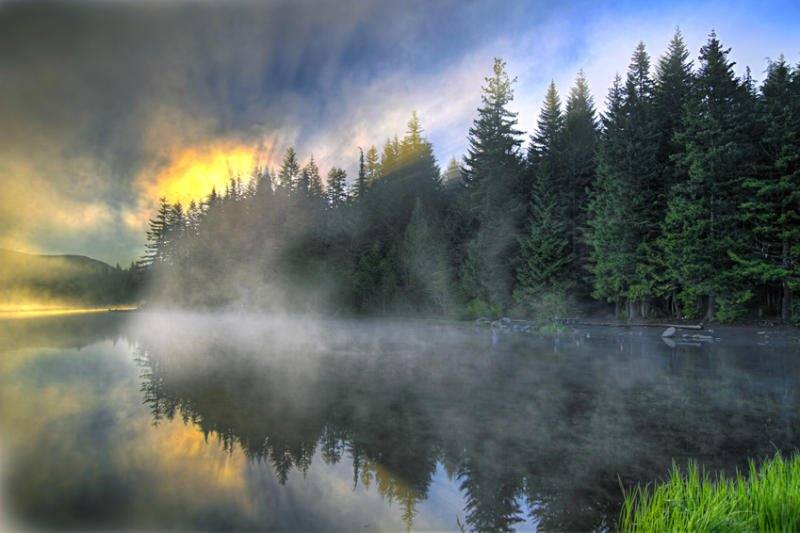


Water vapor is formed when
precipitation of water occurs
condensation of water occurs
liquid water is heated to form a gas
liquid water is cooled to form a solid
Water becomes a solid when it is cooled to
0 degrees C/
32 degrees F
10 degrees C/
50 degrees F
32 degrees C/
90 degrees F
100 degrees C/
212 degrees F
Any form of water that falls from clouds to Earth surface is
condensation
precipitation
temperature
evaporation
When water changes state from a gas to a liquid. It goes through
boiling
condensation
evaporation
melting
Which is not a form of precipitation?
rain
snow
fog
hail
Water that gathers on the ground is called
condensation
precipitation
accumulation
evaporation
An example of water in a solid form is
rain
clouds
ice
river
Water on the stove that boils is changed from
a liquid to a solid
a liquid into a gas
a solid into a liquid
a gas into a liquid
Which is not a form of water that falls to Earth?
sleet
hail
clouds
snow
What determines the state of water?
temperature
rain
evaporation
condensation
What is true about the water cycle?
It is the path that water travels.
It does not have a starting place.
It does not follow a single pathway.
ALL OF THE
ABOVE
Ice melts into a ___________ when the temperature is above 32 degrees.
solid
gas
liquid
cloud
What causes water to change states of matter?
temperature
condensation
precipitation
accumulation
What is true about condensation?
It can be seen on the outside of a cup on a hot day.
When water vapor cools, it forms
into clouds.
Dew and frost are examples of condensation.
ALL OF THE
ABOVE
Water is heated by the sun and turns into water vapor. This is called
condensation
precipitation
accumulation
evaporation
When water vapor cools, _________ are formed.
clouds
sun
dew
frost
The heat source for the water cycle is
water vapor
clouds
sun
rain
Water boils into a
liquid
solid
gas
none of the above
Where can water be accumulated?
ground
sky
clouds
sun
Which is not a form of precipitation?
rain
sleet
snow
sun
Water vapor is formed when
precipitation of water occurs
condensation of water occurs
liquid water is heated to form a gas
liquid water is cooled to form a solid
Water becomes a solid when it is cooled to
0 degrees C/
32 degrees F
10 degrees C/
50 degrees F
32 degrees C/
90 degrees F
100 degrees C/
212 degrees F
Any form of water that falls from clouds to Earth surface is
condensation
precipitation
temperature
evaporation
When water changes state from a gas to a liquid. It goes through
boiling
condensation
evaporation
melting
Which is not a form of precipitation?
rain
snow
fog
hail
Water that gathers on the ground is called
condensation
precipitation
accumulation
evaporation
An example of water in a solid form is
rain
clouds
ice
river
Water on the stove that boils is changed from
a liquid to a solid
a liquid into a gas
a solid into a liquid
a gas into a liquid
Which is not a form of water that falls to Earth?
sleet
hail
clouds
snow
What determines the state of water?
temperature
rain
evaporation
condensation
What is true about the water cycle?
It is the path that water travels.
It does not have a starting place.
It does not follow a single pathway.
ALL OF THE
ABOVE
Ice melts into a ___________ when the temperature is above 32 degrees.
solid
gas
liquid
cloud
What causes water to change states of matter?
temperature
condensation
precipitation
accumulation
What is true about condensation?
It can be seen on the outside of a cup on a hot day.
When water vapor cools, it forms
into clouds.
Dew and frost are examples of condensation.
ALL OF THE
ABOVE
Water is heated by the sun and turns into water vapor. This is called
condensation
precipitation
accumulation
evaporation
When water vapor cools, _________ are formed.
clouds
sun
dew
frost
The heat source for the water cycle is
water vapor
clouds
sun
rain
Water boils into a
liquid
solid
gas
none of the above
Where can water be accumulated?
ground
sky
clouds
sun
Which is not a form of precipitation?
rain
sleet
snow
sun