
 Worksheets
Level 8 Vocabulary 3 & 4 quiz
Total questions: 21
Worksheet time: 15mins
I like it now, but I ____.
didn't use to
didn't used to
didn't using to
He __________ several books a month, but he doesn't have time any more.
got used to reading
used to read
was used to reading
Don't worry, it's a simple program to use. You ______________ it in no time, I'm sure.
used to use
are used to
will get used to
I'm afraid I'll never ________________ in this place. I simply don't like it and never will.
used to live
get used to living
got used to living
I _____ to being spoken to like that!
used
am not used
don't get used
It's taking me a long time to ____ speaking Norwegian.
used to
get used to
My new job is exhausting,
I didn't used to wake up at 5 am
I will used to getting up at 5am
I was used to get up at 5am
I'm not used to waking up at 5 am
Where____you_____live when you were at college?
were (you) used to
did (you) use to
got (you) used to
Walking to work this morning was tiring because I______taking the bus every day.
'm used to
've got use to
've used to
'm getting used to
I .............. have short hair when I was a teenager
used to
would
I .............. always lose when I played chess with my father
used to
would
She ............. be able to dance very well
used to
would
My grandfather ............drink a cup of coffee after dinner every night
used to
would
My family ..............often go to the countryside for the weekend when I was young
used to
would
We ............... live in Brazil.
used to
would





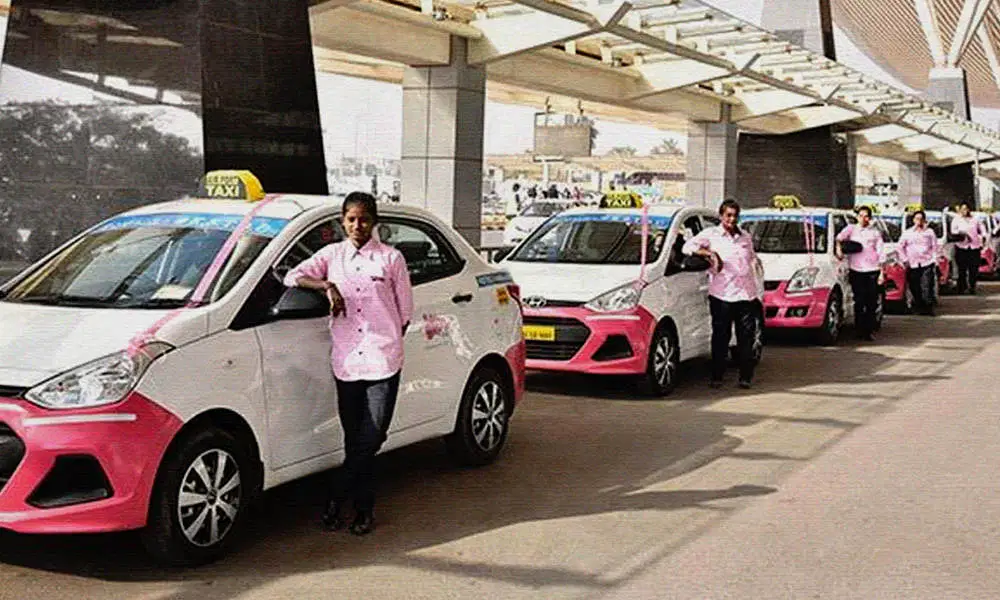
People tend to make (a) about you when you have a disability. (b) , these individuals are viewed as tragic figures whom society should pity. These incorrect ideas are (c) ignorance, triggered by fear, lack of understanding or prejudice.
I don’t have easy access to a gym
I don’t have easy access to my workout clothes
These are examples of...
restraining forces
assumptions
incentives
advocacy


The concept of the achievement gap underscores the significant disparities in academic performance that persist among different demographic groups within our education system. Addressing this gap requires challenging deeply ingrained assumptions about the capabilities and potential of students from marginalized backgrounds. Moreover, it necessitates a critical examination of the desirability of current educational practices and policies, particularly those that perpetuate inequality and hinder equitable opportunities for all learners. By interrogating these assumptions and reassessing the desirability of existing educational paradigms, we can begin to implement more inclusive and effective strategies to close the achievement gap and promote educational equity.
What does the passage emphasize about the capabilities of students from marginalized backgrounds?
They are often underestimated and need to be challenged
They are always given the same opportunities as other students
They are inherently less capable than other students
They do not require any special attention or support
What is necessary to address the achievement gap according to the passage?
A) A critical examination of existing educational paradigms
B) Increased funding for schools
C) Implementing standardized testing
D) Providing more extracurricular activities

