
NEW
Font size
 Worksheets
Hazardous Symbols
Total questions: 19
Worksheet time: 19mins
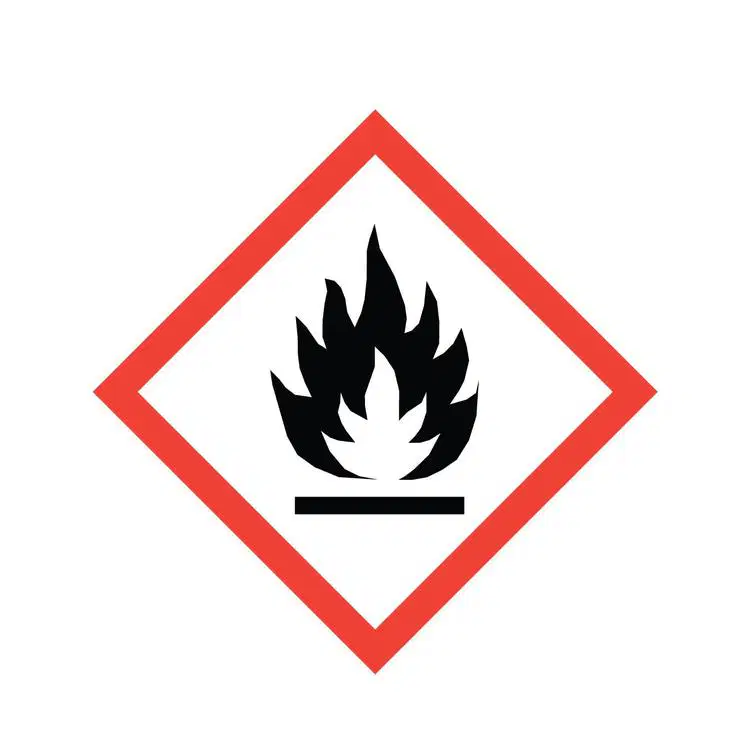
What does the flammable symbol look like?
Red diamond with a flame inside
Yellow circle with a sun inside
Green triangle with a lightning bolt inside
Blue square with a water drop inside
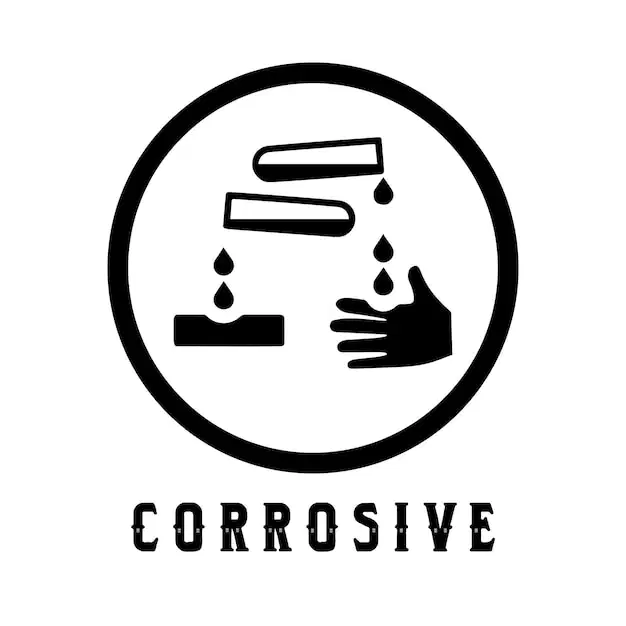
What does the corrosive symbol indicate?
It indicates that the substance is corrosive and can cause damage to living tissue.
It indicates that the substance is flammable and should be kept away from heat
It indicates that the substance is biodegradable and environmentally friendly
It indicates that the substance is safe for human consumption
What type of materials are indicated by the toxic symbol?
Non-toxic materials
Hazardous or poisonous materials
Biodegradable materials
Inert materials
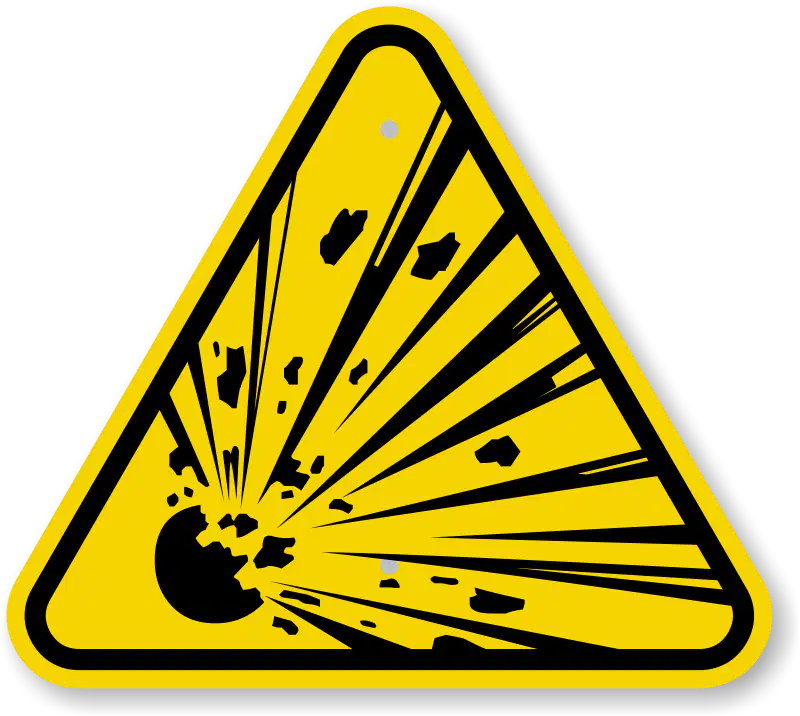
What does the explosive symbol warn about?
Fire safety procedures
Explosive materials or potential explosive hazards
Chemical spill hazards
Radiation exposure risks
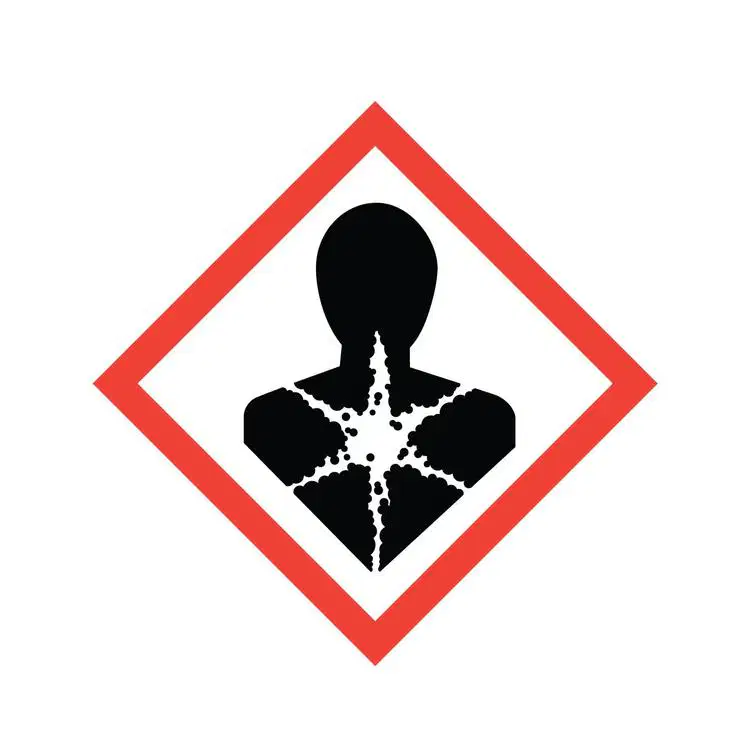
What does the health hazard symbol represent?
It represents the color of the substance
It represents the temperature of the substance
It represents the taste of the substance
It represents the potential health effects of breathing a substance.
What color is typically associated with the flammable symbol?
yellow
green
red
blue
What precautions should be taken when handling materials with the corrosive symbol?
Handle the materials with bare hands
Work in a confined space
Wear appropriate personal protective equipment, work in a well-ventilated area, use caution when transferring or pouring, and store the material properly.
Transfer or pour the material quickly and carelessly
What are the potential dangers of materials with the toxic symbol?
Fire hazard
Allergic reactions
The potential dangers include poisoning, skin irritation, respiratory issues, and environmental pollution.
Radiation exposure
What are some common examples of materials with the explosive symbol?
Propane tanks
Gasoline
Matches
Dynamite, fireworks, gunpowder, nitroglycerin, TNT
How can exposure to materials with the health hazard symbol affect individuals?
Exposure to these materials can result in enhanced physical fitness
Exposure to these materials can result in improved mental health
Exposure to these materials can result in increased energy and productivity
Exposure to these materials can result in poisoning, burns, respiratory issues, or other health problems.
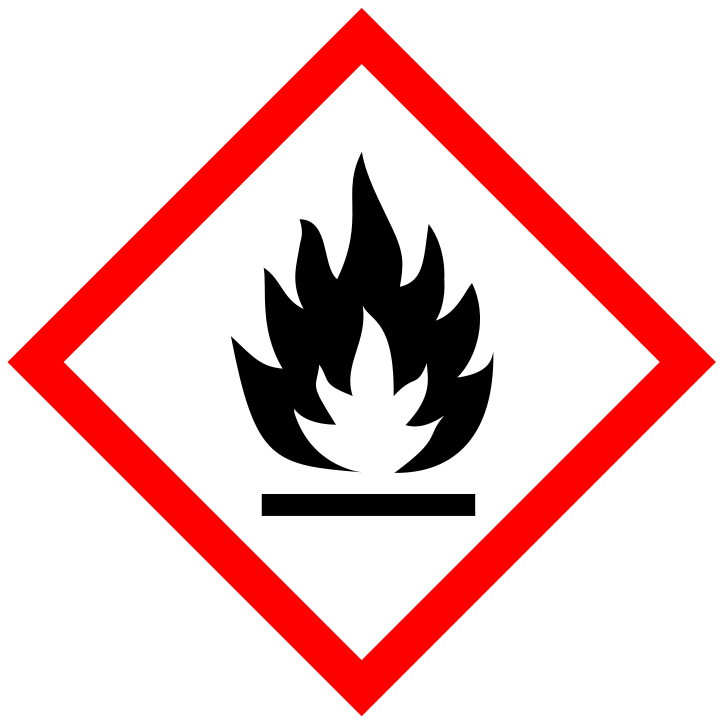
What does this symbol mean?
Flammable
Explosives
Oxidising Agent
Corrosive
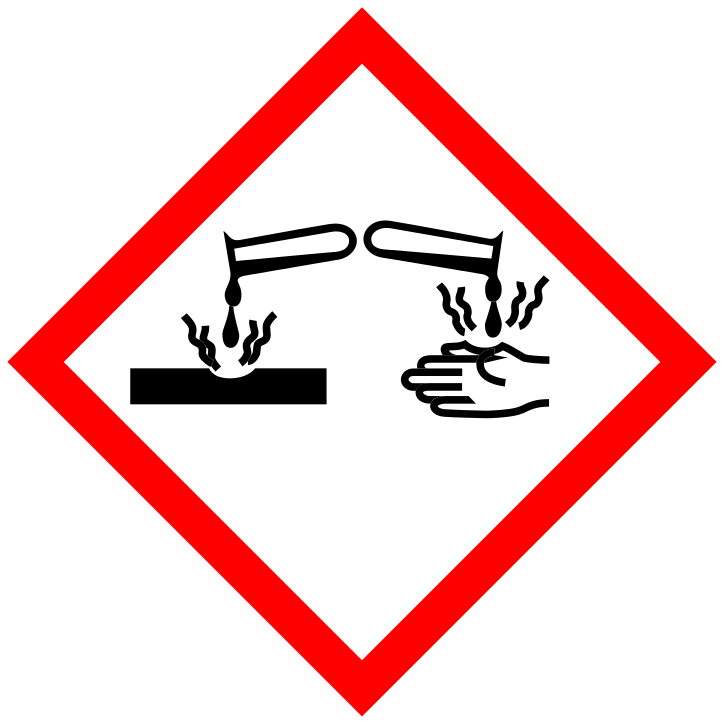
What does this Symbol mean?
Corrosive
Irritant
Poison
Carcinogenic
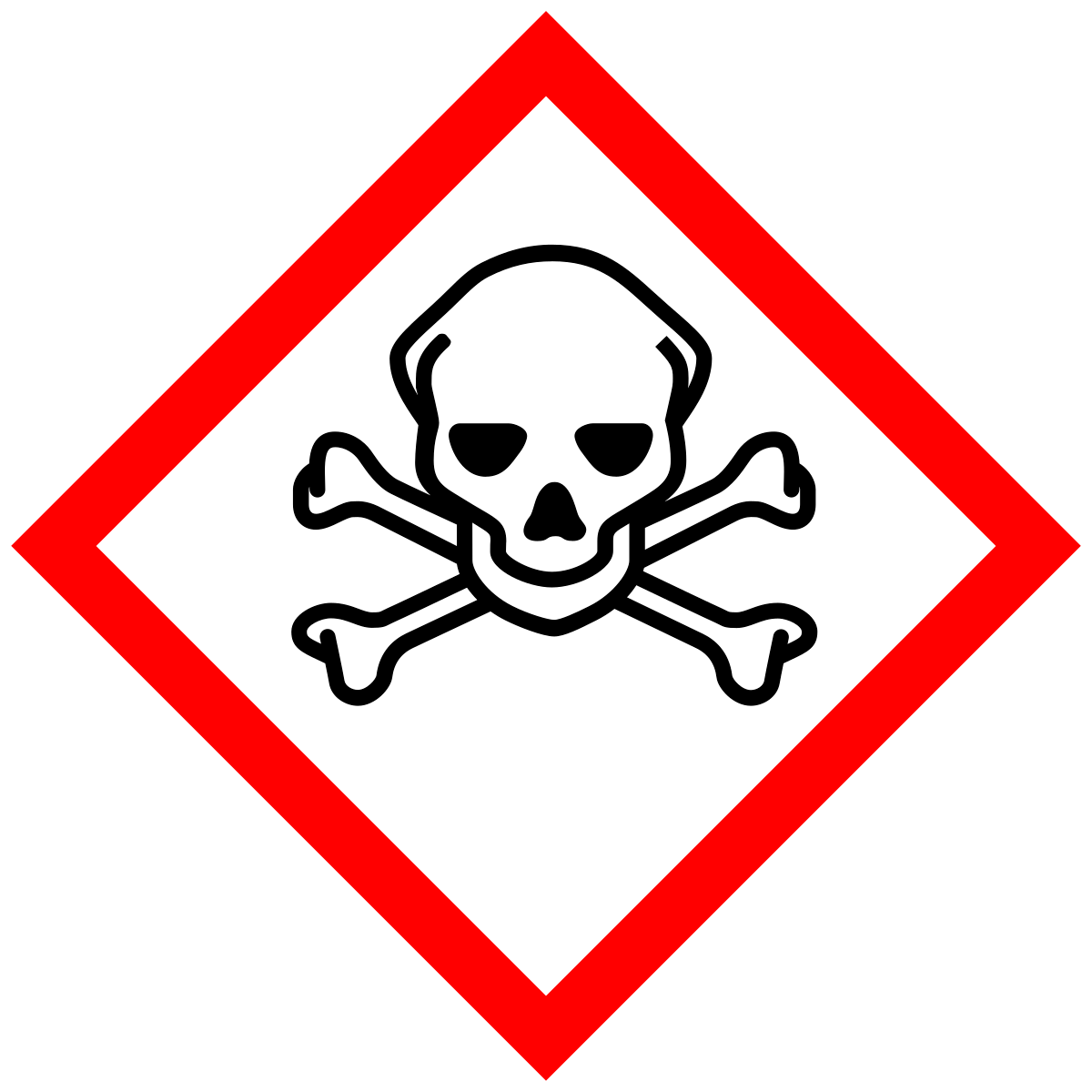
The above hazard symbol means ......
explosive
flammable
toxic or poisonous
corrosive
What you should do if someone inhaled toxic gas?
Hold under running water
Spit out immediately
Move away from the gas for fresh air
Flush eyes vigorously with water


What symbol is represented above?
open flame
electrical
disposal
eye safety
What action should be taken if skin contact occurs with a corrosive material?
Rinse the affected area with lukewarm water immediately.
Cover the area with a dry cloth and apply pressure.
Apply a neutralizing agent directly to the skin.
Immediately flush the skin with plenty of water for at least 15 minutes and remove contaminated clothing.
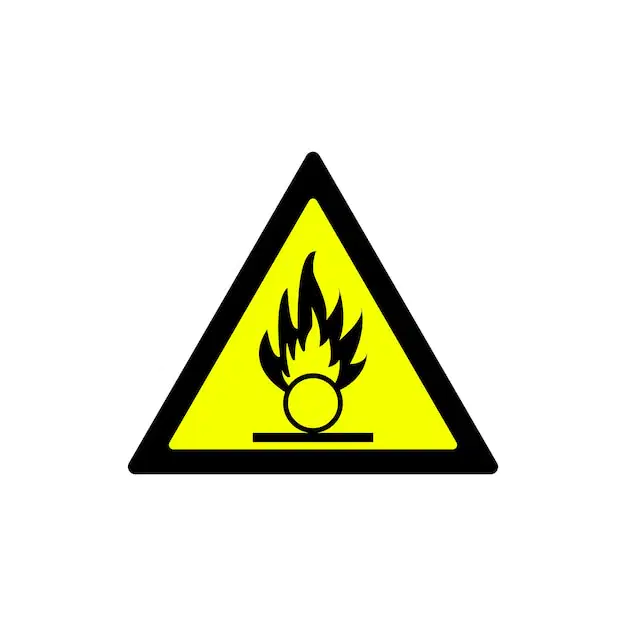
What does the oxidizing symbol indicate about a substance?
It is safe to handle without protective gear.
It can cause or intensify a fire; extra caution is needed when handling.
It is non-reactive and stable under normal conditions.
It is primarily used as a cleaning agent.
How should you store flammable materials to ensure safety?
In any container, as long as it is sealed.
In a refrigerator to keep them cool.
In specially designed flammable material storage cabinets away from ignition sources.
Under direct sunlight to ensure they remain at a stable temperature.

