
NEW
Font size
 Worksheets
Legislative Branch (Congress) Review - LCMS (WI)
Total questions: 42
Worksheet time: 21mins

What are the three constitutional requirements to be a member of the U.S. Senate?
What are the three constitutional requirements to be a member of the U.S. House of Representatives?
The minimum age for a Senator according to the U.S. Constitution is ______ years old.
The minimum age for a member of the House of Representatives according to the U.S. Constitution is ______ years old.
A person must have at least ______ years of U.S. citizenship in order to be a member of the U.S. Senate.
A person must have at least ______ years of U.S. citizenship in order to be a member of the House of Representatives.
6
9

The term length for a member of the Senate is _______ years.
2
The term length for a member of the House of Representatives is ______ years.
3
Both Senators and members of the House of Representatives can serve ________________.
two terms
as many terms as they are elected for
six terms
three terms
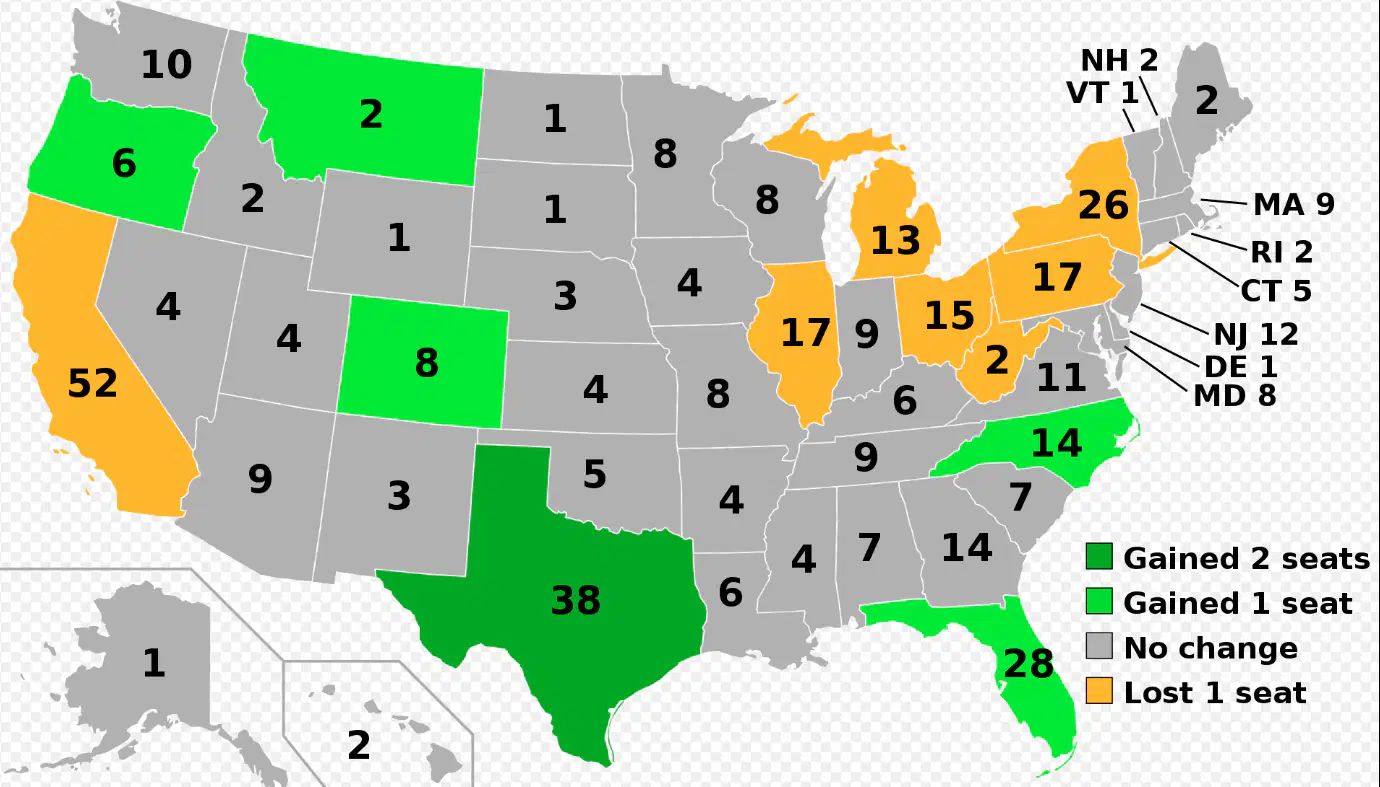
How is the number of representatives for the House of Representatives from each state determined?

The day-to-day leadership of the Senate is handled by ____________________.
President Pro Tempore
Today, a session of Congress lasts ________________.
most of the year
three months
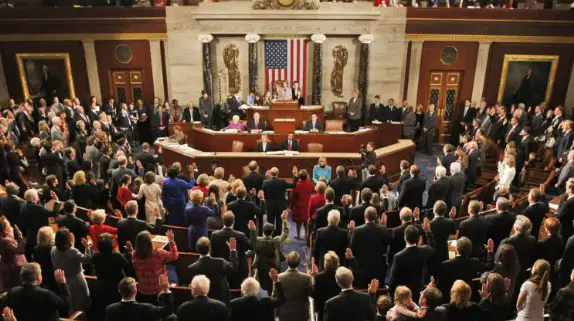
In the process of a bill becoming a low what portion of both houses of congress needs to vote approval of the bill?
majority
2/3
3/4
3/5
Who is our current representative in the House of Representatives?
Tony Wied
Mike Pence
Ron Johson
Tammy Baldwin

Who is the current Speaker of the House?
Mike Johnson
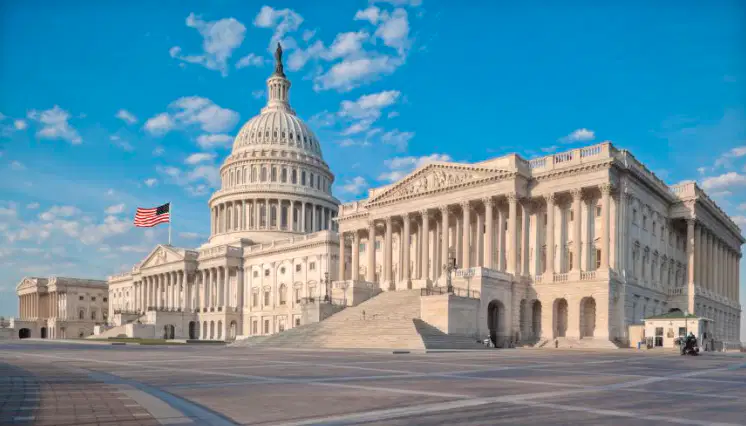
Who are our current U.S. Senators representing Wisconsin?
Scott Walker and Thomas Nelson
Ron Johnson and Jake Van Wychen
Brett Bauer and Tammy Baldwin
Tammy Baldwin and Ron Johnson

Who is the current President Pro Tempore of the Senate?
Chuck Grassley
Kamala Harris

Who is the current President of the United States?
Phil Hammen
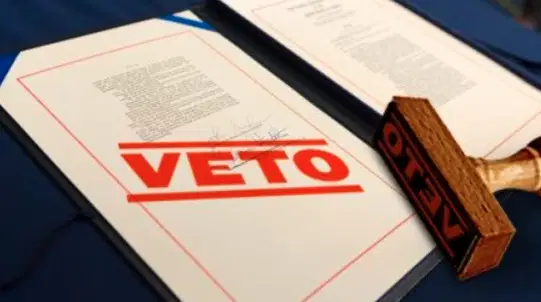
What fraction of the U.S. Congress is required to override a President's veto?

Who is the current Vice President of the United States?
JD Vance
Ken Golomoski
Patty Murray

How many total members are in the U.S. Senate?
435
How many total members are in the U.S. House of Representatives?

It is the job of the _____________________ to keep track of how party members vote and to try to persuade them to vote together on issues.
party whip
speaker of the house
floor leader
If the Republicans have the most members in Congress, their floor leader is the called the ____________________________.
Minority Floor Leader
Majority Floor Leader
A member of congress who acts dishonestly or irresponsibly may face __________________ and be forced to leave Congress.
censure
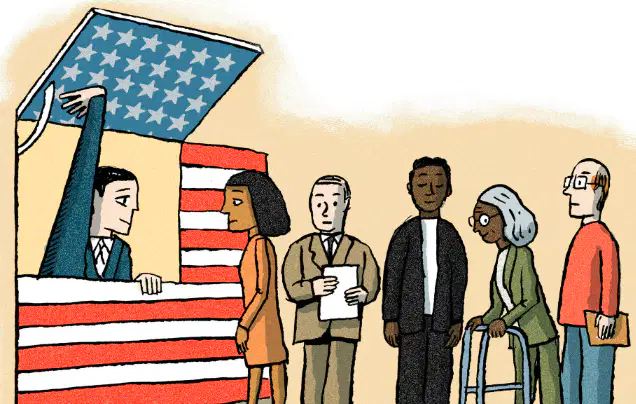
All of the people in a Senator’s district are known as his or her ________________.

Members of Congress are granted_____________ because they can send job related mail for free.
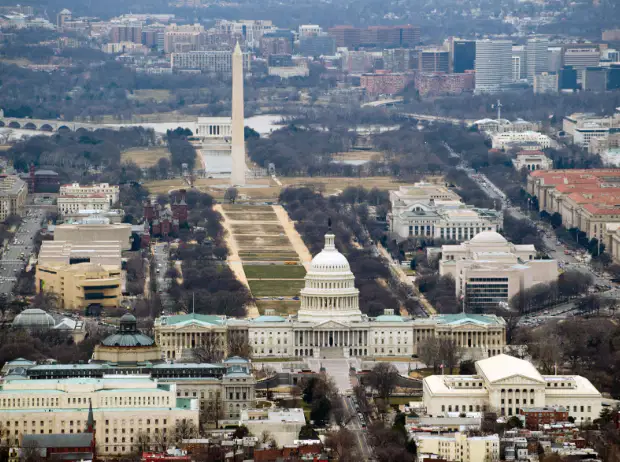
The leader of the House of Representatives is the _____________________________.
President Pro Tempore
Party Whip
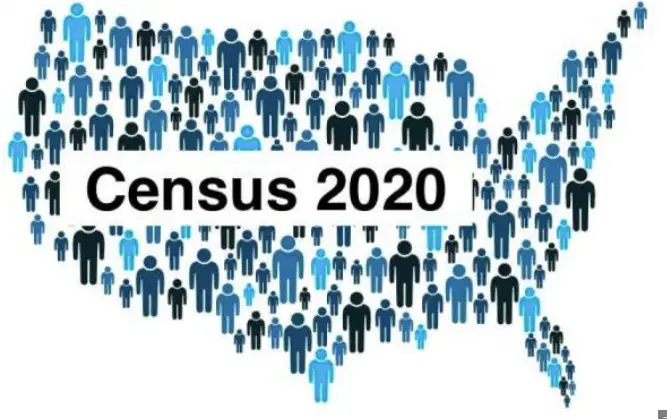
The Census Bureau studies ___________________ figures to determine whether adjustments are needed in the number of representatives.
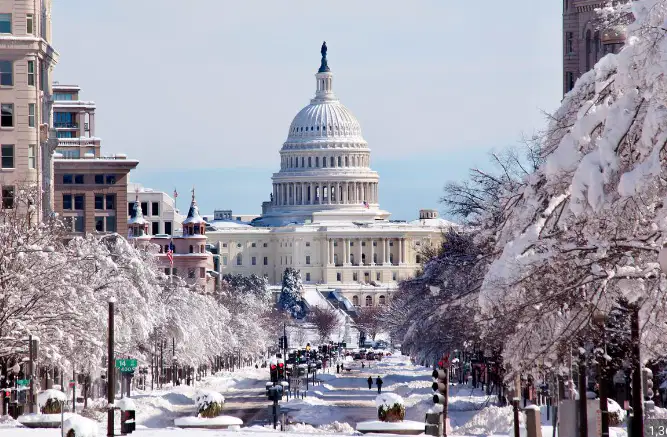
A temporary committee in congress formed to deal with particular issues is a ____________ committee.

In impeachment, the House of Representatives needs a ______________ vote to officially impeach the accused official.
True or False? - Being impeached automatically means that the accused official is removed from office.
True
False
If the accused person is impeached by the House of Representatives then the case moves on to the Senate. The Senate acts as a jury and a _____ vote will determine if the accused person gets removed from office.

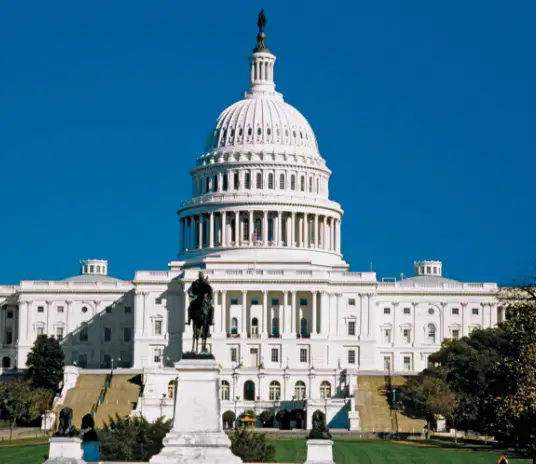
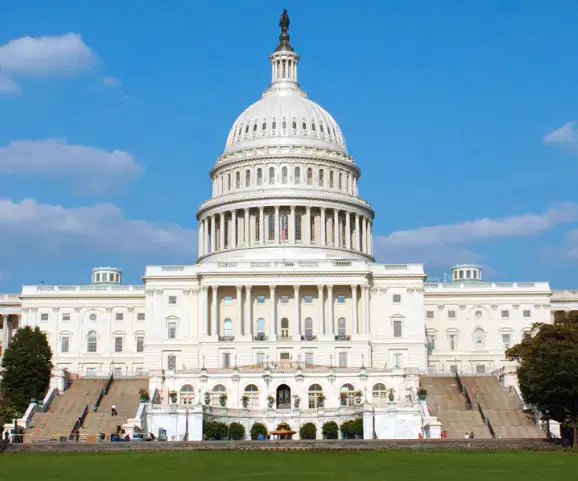
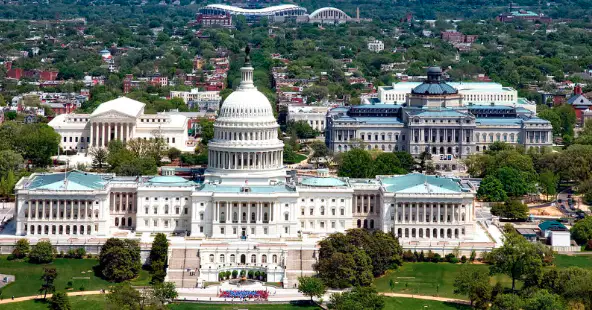
What building does the U.S. Congress meet in to get its work done?
What state has the most representatives in the House of Representatives?
Which three U.S. Presidents were impeached by the U.S. House of Representatives?
Richard Nixon, Donald Trump, Bill Clinton
Andrew Jackson, Richard Nixon, Jimmy Carter
Andrew Johnson, Ronald Reagan, Bill Clinton

How many U.S. President have been removed from the office by the Senate via the impeachment process?
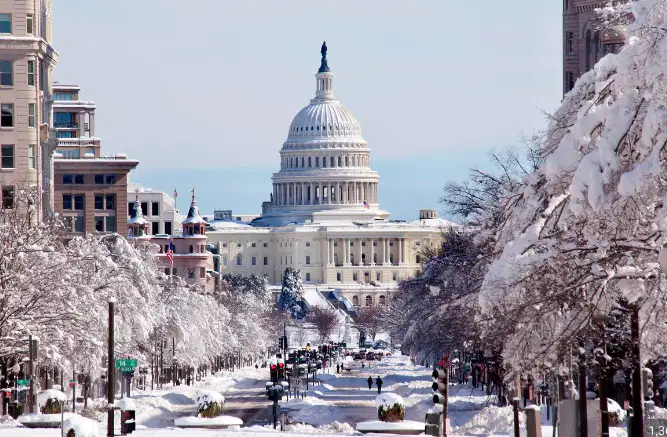
The main job of the legislative branch is to _________.
Make laws
Why might a bill that has strong public support still fail to become law?
The Supreme Court automatically reviews all popular bills
The legislative process includes multiple points where a bill can be stopped or changed
The President has absolute power to choose which bills Congress can consider
State governors must approve all federal legislation
A Congressional committee is holding hearings about a new environmental law. What is the primary purpose of these committee hearings?
To immediately implement the law across all states
To gather information and expert testimony before deciding on legislation
To determine if the President will veto the legislation
To select which judges will interpret the law in court cases
Which of the following is a true statement about impeachment in the United States?
Only presidents can be impeached
Impeachment automatically removes an official from office
Impeachment is a formal accusation of misconduct
The Supreme Court automatically reviews all popular bills
How does a bill typically move through leadership channels in Congress before becoming a law?
It is written by the President and automatically approved by Congress
It passes through committees, floor debates, and votes in both chambers
It requires unanimous approval from all members of Congress
The President has absolute power to choose which bills Congress can consider

