wayground logo

Free Printable Worksheets

Font size

S
M
L
XL
Worksheets

Humanities

Total questions: 72

Worksheet time: 37mins

Name
Class
Date
1.

what is weather?

a)
Weather is the measurement of ocean currents
b)
Weather is the study of rocks and minerals
c)
Weather is the process of photosynthesis in plants
d)

The atmosphere over a short period of time.

2.

Weather affects

a)
the price of gold in the stock market
b)
the migration patterns of birds
c)

various aspects of our daily lives such as holidays and what we do for the weekends.

d)
the boiling point of water
3.

what is climate?

a)
Climate is the long-term patterns of temperature, humidity, wind, and precipitation in a particular area.
b)
Climate is the measurement of ocean depth
c)
Climate is the study of rocks and minerals
d)
Climate is the daily weather in a specific location
4.

This morning is so hot but last night it was cold. Is this Weather or Climate

a)
Weather
b)
Season
c)
Atmosphere
d)
Temperature
5.

Guyana generally receives more rainfall than Antigua. Is this Weather or Climate

a)
Climate
b)
Temperature
c)
Wind speed
d)
Barometric pressure
6.

What are the elements of weather. List them out?

a)
Solar radiation, dew point, thunderstorm activity
b)
Cloud cover, air quality, daylight hours
c)
Temperature, humidity, precipitation, wind speed and direction, atmospheric pressure
d)
Barometric pressure, cloud type, visibility
7.

factors affecting climate.

a)
Latitude, altitude, distance from the sea, ocean currents, prevailing winds, and topography
b)
Average annual rainfall
c)
Proximity to volcanoes
d)
Population density
8.

what is climate zones?

a)
Climate zones are areas of the Earth that have different weather patterns and temperatures.
b)
Climate zones are areas of the Earth that have similar animal and plant species.
c)
Climate zones are areas of the Earth that have similar geological formations and landscapes.
d)
Climate zones are areas of the Earth that have similar weather patterns and temperatures.
9.

what is a relief rainfall?

a)
Relief rainfall is caused by excessive heat in a particular area
b)
Relief rainfall occurs when cold, dry air is forced to rise over elevated terrain
c)
Relief rainfall is a result of air pressure changes in coastal areas
d)
Relief rainfall is precipitation that occurs when warm, moist air is forced to rise over elevated terrain, leading to cooling and condensation of the air.
10.

Relief rainfall occurs when air has beenblown over the sea and is ______to rise over a high land as a ____ or a mountain

(a)  

11.

what is a frontal rainfall

a)
Frontal rainfall is caused by excessive evaporation from the ocean
b)
Frontal rainfall occurs only in deserts
c)
Frontal rainfall is a result of volcanic activity
d)
Frontal rainfall is precipitation that occurs when a warm air mass meets a cold air mass.
12.

What is Conventional Rainfall?

a)
Conventional rainfall is the result of the heating of the Earth's surface, which causes air to rise and cool, leading to the formation of rain.
b)
Conventional rainfall is the result of excessive deforestation
c)
Conventional rainfall is the result of air pollution
d)
Conventional rainfall is caused by the melting of polar ice caps
13.

what is latitude?

a)
The angle of elevation of a location
b)
Angular distance of a location north or south of the earth's equator, measured in degrees.
c)
The measurement of the earth's circumference
d)
The distance between the earth and the sun
14.

What is longitude?

a)
Measurement of temperature
b)
Angular distance east or west from the prime meridian
c)
Distance north or south from the equator
d)
Angle of elevation above sea level
15.

what is lines of latitude?

a)
Lines of latitude are also known as meridians.
b)
Lines of latitude are used to measure distance east and west.
c)
Lines of latitude are only found in the Southern Hemisphere.
d)
Lines of latitude are also known as parallels.
16.

What is lines of Longitude?

a)
Lines of longitude are also known as meridians.
b)
Lines of longitude are perpendicular to the equator.
c)
Lines of longitude are used to measure distance north and south of the equator.
d)
Lines of longitude are also known as parallels.
17.

The degrees for the artic circle?

a)
60 degrees
b)
45 degrees
c)

66.1/2 N degrees

d)
75 degrees
18.

The degrees for the tropic of Cancer?

a)
10 degrees north
b)
23.5 degrees north
c)
45 degrees north
d)
30 degrees south
19.

the degrees for the equator?

a)
0 degrees
b)
90 degrees
c)
180 degrees
d)
360 degrees
20.

the degrees for the tropic of Capricorn?

a)
30 degrees south
b)
10 degrees south
c)
45 degrees south
d)
23.5 degrees south
21.

the degrees for the Antarctic circle?

a)
66.5 degrees
b)
180 degrees
c)
45 degrees
d)
90 degrees
22.

what are the three major climate zones??

a)
tropical, temperate, and polar
b)
arid, humid, and dry
c)
equatorial, frigid, and arctic
d)
continental, maritime, and desert
23.

hottest month and degree

a)
September, with temperatures reaching up to 100 degrees Fahrenheit or more
b)
January, with temperatures reaching up to 100 degrees Fahrenheit or more
c)
December, with temperatures reaching up to 100 degrees Fahrenheit or more
d)
July or August, with temperatures reaching up to 100 degrees Fahrenheit or more
24.

what is a climograph

a)
A climograph is a tool used for measuring wind speed
b)
A climograph is a type of rock formation found in mountainous regions
c)
A climograph is a type of cloud formation associated with thunderstorms
d)
A climograph is a graphical representation of the climate of a location, showing the average temperature and precipitation for each month of the year.
25.

what is the instrument and measurements for rainfall?

a)
Anemometer and the measurements are typically in meters per second
b)
Thermometer and the measurements are typically in degrees Celsius
c)
Barometer and the measurements are typically in pressure units
d)
Rain gauge and the measurements are typically in millimeters or inches.
26.

what is the instrument and measurements for snow

a)
Snow gauge and measurements in inches or centimeters
b)
Barometer and measurements in pressure units
c)
Rain gauge and measurements in millimeters
d)
Thermometer and measurements in Fahrenheit or Celsius
27.

what is the instrument and measurements for wind speed

a)
Barometer and measurements in inches of mercury
b)
Anemometer and measurements in m/s or mph
c)
Thermometer and measurements in degrees Celsius
d)
Hygrometer and measurements in percentage
28.

what is the instrument and measurements for wind direction?

a)
Wind vane and degrees
b)
Barometer and pressure
c)
Thermometer and Celsius
d)
Anemometer and speed
29.

what is the instrument and measurements for Humidity

a)
Barometer, millibars
b)
Hygrometer, percentage
c)
Thermometer, degrees
d)
Anemometer, meters per second
30.

what is the instrument and measurements for Sunshine?

a)
Anemometer
b)
Barometer
c)
Thermometer
d)

Campbell stokes sunshine recorder, measured in hours.

31.

what is the instrument and measurements for Cloud cover?

a)
Ceilometer and measurements in oktas
b)
Anemometer and measurements in knots
c)
Barometer and measurements in millibars
d)
Thermometer and measurements in degrees Celsius
32.

what is the instrument and measurements for Atmosphere pressure

a)

Barometer, measured in millibars (mb)

b)
Anemometer, measured in miles per hour
c)
Hygrometer, measured in percentage
d)
Thermometer, measured in degrees Celsius
33.

What is the Age of Exploration?

a)
The Age of Exploration was a period in history from the 18th to 20th centuries when Asian nations explored and colonized new lands around the world.
b)
The Age of Exploration was a period in history from the 12th to 14th centuries when African nations explored and colonized new lands around the world.
c)
The Age of Exploration was a period in history from the 5th to 7th centuries when South American nations explored and colonized new lands around the world.
d)
The Age of Exploration was a period in history from the 15th to 17th centuries when European nations explored and colonized new lands around the world.
34.

What time was the age of exploration?

a)
18th to 20th centuries
b)
10th to 12th centuries
c)
15th to 17th centuries
35.

What is the Quadrant?

a)

A quadrant is used to measure angles in 90 degrees

b)
A quadrant is a type of geometric shape
c)
A quadrant is a unit of measurement for angles
d)
A quadrant is a term used in music theory
36.

What is a compass used for?

a)
Measuring temperature
b)
Recording time
c)
Calculating distance
d)
Determining direction
37.

What is astrolabe?

a)

An instrument used to solve problems relating to time and the position of the sun and stars.

b)
An astrolabe is a new social media platform
c)
An astrolabe is a type of fruit
38.

What is a hourglass?

a)
A device used to measure time.
b)
A type of food.
c)
A musical instrument.
d)
A type of flower.
39.

What are the dangers of explorations?

a)
Discovering new species
b)
Risks include getting lost, encountering dangerous wildlife, facing extreme weather conditions, and potential accidents or injuries.
c)
Meeting friendly locals
d)
Finding hidden treasures
40.

Where was Christopher columbus born?

a)
Madrid, Spain
b)
Lisbon, Portugal
c)
Genoa, Italy
41.

When was Christopher born?

a)

1451

b)

1471

c)

1463

d)

1455

42.

What three ships did Christopher have?

a)

Niña

b)

Pinta

c)

Cimboco

d)

Santa Maria

43.

What was Christopher columbus plan?

a)
To reach the North Pole
b)
To establish a trade route with Africa
c)
To discover a new continent
d)
To find a new sea route to Asia by sailing west from Europe
44.

Who did Christopher sign the contract with to go sailing out of europe?

a)
King and Queen of Spain, Ferdinand and Isabella
b)
Queen Elizabeth I of England
c)
Pope Alexander VI
d)
King and Queen of France, Louis XVI and Marie Antoinette
45.

Who did christopher columbus sail for?

a)
Portuguese monarchy
b)
French monarchy
c)
British monarchy
d)
Spanish monarchy
46.

Where did Christopher columbus think he landed in 1492?

a)
Africa
b)
India
c)
Asia
d)
Australia
47.

Why did Columbus call the native people he met on the island indians?

a)
He was trying to be disrespectful
b)
He wanted to confuse other explorers
c)
He thought they were from India
d)
He mistakenly believed he had reached the East Indies in Asia
48.

Christopher columbus is known as an

a)
chef
b)
astronaut
c)

explorer and navigator

d)
sailor
49.

What language did christopher learn?

a)
French language
b)

Portuguese castilian and latin language

c)
German language
d)
Italian language
50.

Who did christopher mary and what was his sons name?

a)
Pedro Columbus
b)
Fernando Columbus
c)
Juan Columbus
d)

Diego Columbus and married Filipa Perestrello

51.

How did the Caravel Aide the Age of Exploration?

a)
The Caravel was highly maneuverable and versatile, allowing explorers to navigate more efficiently and explore new territories with greater ease.
b)
The Caravel was prone to sinking, putting explorers at risk during voyages.
c)
The Caravel was too large and cumbersome, making it impossible to navigate through narrow waterways.
d)
The Caravel was slow and difficult to maneuver, hindering exploration efforts.
52.

Who sailed with Christopher Columbus to the New World?

a)
A group of aliens from outer space
b)

Juan de la cosa

c)
A crew of over 100 women
d)
A team of trained dolphins
53.

What is government?

a)
A type of food
b)
A popular TV show
c)
A system or group of people governing an organized community.
d)
A new fashion trend
54.

What is the legislative assembly?

a)
A judicial body responsible for interpreting laws
b)

Makes and repeals laws

c)
A group of individuals who enforce laws
d)
An executive branch responsible for implementing laws
55.

What does the Judiciary do in the government?

a)
Writes new laws, enforces existing laws, and collects taxes.
b)
Manages public transportation, maintains infrastructure, and oversees public health.
c)

Enforces and interprets the laws

d)
Regulates the economy, conducts foreign policy, and provides social services.
56.

What does the Executive do in the government?

a)

set policies

b)
Writes laws, interprets the constitution, oversees the judiciary.
c)
Manages foreign relations, negotiates treaties, declares war.
d)
Regulates commerce, collects taxes, controls the military.
57.

what does Adult suffrage mean?

a)
Voting is restricted to individuals over 60 years old
b)
Voting is limited to individuals with a certain level of education
c)
All adults have the right to vote in elections.
d)
Only men have the right to vote
58.

what does Ballot mean?

a)
A device used to cast votes in an election
b)
A type of dance
c)
A type of fruit
59.

What does Ballot Box mean?

a)
A type of dance move
b)
A tool used for gardening
c)
A musical instrument
d)
A container used to collect votes in an election.
60.

What does Budget mean?

a)
A type of fruit
b)
A financial plan for a defined period
61.

What does Cabinet mean?

a)
Body of high-ranking state officials
b)
A type of musical instrument
c)
A type of food storage container
d)
A type of furniture
62.

What does Candidate mean?

a)
A person who is already hired for a job
b)
A person who is not qualified for a job
c)
A person who is not interested in a job
d)
A person who applies for a job or is nominated for election.
63.

What does Coalition government mean?

a)
A coalition government is formed when a single political party rules alone.
b)
A coalition government is formed when the military takes control of the government.
c)
A coalition government is formed when the government is dissolved.
d)
A coalition government is formed when multiple political parties come together to create a governing body.
64.

What does Constituency mean?

a)
A geographical area represented by an elected official
b)
A type of clothing
c)
A type of food
65.

What does Constitution mean?

a)
A type of fruit
b)
A type of car
c)
A set of fundamental principles or established precedents according to which a state or other organization is governed.
66.

What does Democracy mean?

a)

Democracy means a government by the people

b)
Democracy means a system of government by a single ruler
67.

What does Election mean?

a)
The process of baking a cake
b)
The process of selecting a person based on their favorite color
c)
The process of choosing a person or group of people for a position by voting.
68.

What does Electorate mean ?

a)
A type of fruit
b)
A type of musical instrument
c)
A type of weather phenomenon
d)
All the people in a country or area who are entitled to vote in an election.
69.

WHat does Franchise mean?

a)
A franchise is a type of fast food restaurant
b)
A franchise is a type of car rental service
c)
A franchise is a type of clothing brand
d)

the right or licence granted by a company (franchisor) to an individual (franchisee) to market and/or trade products and services in a specific area or territory.

70.

What does floating voter mean?

a)
A person who does not have a strong allegiance to any particular political party.
b)
A person who votes based on the weather
c)
A person who votes based on their favorite color
d)
A person who always votes for the same political party
71.

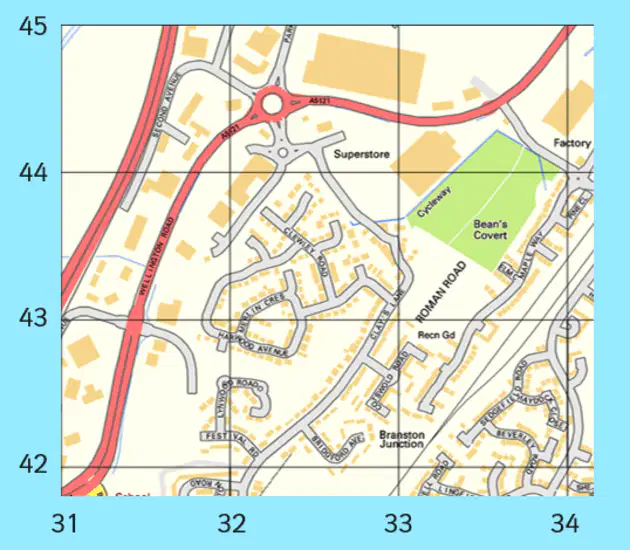
What is the reference for Bean's convert?

a)

3344

b)

3343

c)

3142

d)

3244

72.

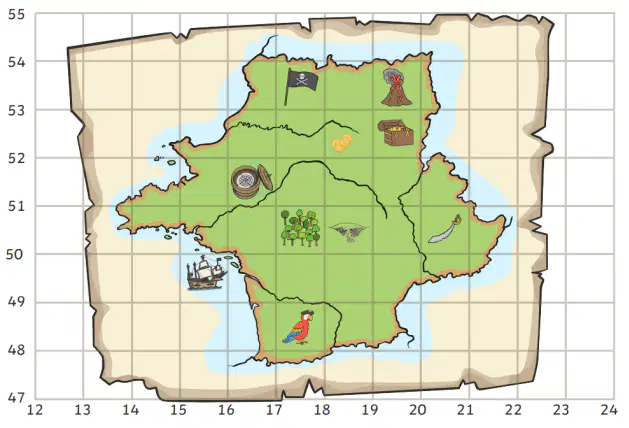
What if the reference for the parrot (6-figure)?

a)

176489

b)

175488

c)

1748