
 Worksheets
Cell Cycle and Regulation Review
Total questions: 80
Worksheet time: 1hrs 10mins
(a) is the uncontrolled growth of cells, often resulting in a tumor or mass of abnormal cells
Put the Cell Cycle events in order
Cell grows
DNA replicates
Cell prepares for Mitosis
Cell divides
Label the picture
Interphase
Prophase
Metaphase
Anaphase
Telophase
Cytokinesis
Put the Cell Cycle phases in order

Prophase

Metaphase

Anaphase

Telophase

Cytokinesis
Match each phase with its correct description
Cell grows rapidly while carrying out normal functions.
G1 Phase
Cells must replicate their DNA before cell division to ensure that identical genetic information is passed to the next generation.
S Phase
FINISHES GROWING
Errors in DNA replication are checked- if something is wrong, cell needs to fix its errors before it divides!
G2 Phase
Cytokinesis is the division of the (a)
Mitosis is the division of the (a)

During which phase of the cell cycle does the cell spend the most time?
Mitosis
Cytokinesis
Interphase
Label the parts of the Cell Cycle
G1
S phase
G2
Mitosis
Match the image to the correct answer

Prophase

Metaphase

Anaphase

Telophase

Cytokinesis
What is the result of the cell cycle?
Three cells
Four daughter cells
Two identical cells
One clone cell

Label the images.
Metaphase
Prophase
Anaphase
Cytokinesis
Interphase
Telophase
Match the following
-chromosomes condense
-nuclear membrane dissolves
-spindle fibers form
prophase
-chromosomes line up in the middle
-spindle fibers attach to centromere
metaphase
-sister chromatids move away from each other to opposite poles of the cell
anaphase
-chromosomes uncoil
-nuclear membrane reforms
-spindle fibers dissolve
telophase
Interphase is where cells...
spend most of their time and where DNA is replicated
cytokinesis happens
chromosomes line up in the middle
cell division
Reorder the following phases of the cell cycle. (Cytokinesis is missing).


Nuclear membrane disappears
Chromosomes can now be seen
Centrioles move to opposite sides
Metaphase
Interphase
Telophase
Prophase

Chromosomes line up at the equator of the cell
Spindle fibers extend from the centrioles to the middle of the chromosomes
Prophase
Metaphase
Anaphase
Interphase

Chromatids separate
Anaphase
Metaphase
Prophase
Telophase
During what phase of the cell cycle is DNA replicated?
G1 phase
G2 phase
S phase
M phase


Check the two correct boxes:
Plant Cell - cell plate; Animal Cell - cleavage furrow
Plant Cell - cleavage furrow; Animal Cell - cell plate

What is the image above:
Chromosome
Chromotid
Centromere
Centriole
A chromosome is packaged
DNA
Protein
Carbohydrates
Lipids
If there are 20 chromosomes in the nucleus before mitosis how many will there be in each new daughter cell after cytokinesis?
20
10
40
200


Which of the following describes the purpose of the mitotic cell division?
To make more of the same cells.
For growth and repair.
To prevent the cell from becoming too large.

The G1, S, and G2 are parts of which phase of the cell cycle?
Prophase
Interphase
Telophase
Anaphase
The correct sequence of mitosis:
metaphase, anaphase, telophase, prophase
prophase, metaphase, anaphase, telophase
prophase, anaphase, metaphase, telophase
telophase, metaphase, prophase, anaphase
During which cycle can you identify chromosomes
G1 phase
G2 phase
S phase
M phase
Identical halves of a chromosome are called?
Cousins
Chromatids
Centromere
Centrosome
Chromosomes are visible and spindle fibers start to appear
prophase
metaphase
telophase
anaphase
Sister Chromatids separate from each other
prophase
telophase
anaphase
metaphase
There are 2 nucli in one cell
telophase
prophase
anaphase
metaphase
Having only one copy of each chromsome
haploid
diploid
triploid
octoploid
After mitosis the number of chromosomes in the newly created cells will be:
Half the number of the original cell
The same number as the original cell
Twice as much as the original cell
The division of the cytoplasm is called?
anaphase
mitosis
cytokineses
G0
The division of chromosomes is called?
anaphase
mitosis
cytokineses
G0
What type of cell will form a cell plate during mitosis?
Haploid cells
Plant Cells
Animal Cells
Diploid Cells
Non dividing state of the cell cycle
Interphase
Mitosis
Telophase
Cytokinesis
Uncontrolled growth can result in:
G0 phase
S phase
Replication
Cancer
Where does DNA replication occur?
(a)
DNA replication occurs during (a) .
Compare and contrast the functions of carbohydrates and lipids.
Compare and contrast Proteins and Nucleic Acids
Which nutrition label will provide more quick energy, but have the fewest amount of calories?
One of the main functions of the semi-permeable cell membrane is to maintain homeostasis for the cell. Semi-permeable means that only some molecules are allowed to cross the membrane and others are not.
Which biomolecule molecule enables large molecules to cross the membrane?
(a)
Both prokaryotes and eukaryotes have small, free-floating organelles. The cell makes these organelles from nucleic acids and amino acids found in food. Without these organelles, the cell could not make proteins.
These organelles are called (a)
Match the cell structure with its primary function.
Move the correct answers to the correct boxes.
(a) - controls cell activities
(b) - protein synthesis
(c) - controls what goes in and out of the cell
(d) - support
(e) - provides energy for the cell
Which type of movement across a cell’s plasma membrane requires energy supplied by ATP?
Passive Transport
Simple Diffusion
Active Transport
Osmosis
Passive transport is represented in three different forms. (a) is the movement of water across a semipermeable membrane. (b) , like when someone sprays perfume, is the movement of molecules down or under a concentration gradient. (c) is the movement of molecules down a gradient with the help of special protein channels.
Correctly label the image

No, because the excess water would accumulate and burst the cell.
Yes, because the paramecia would simply become bigger organisms.
Yes, because just like all living things, paramecia need water to survive.
No, because the excess water would create a balance between the inside and outside of the cell.
What are the 3 functions of the cell membrane?
Maintain Homeostasis
Protect the inside of the cell from the external environment
Allows specific things to enter or exit the cell (semi-permeable)
Keep all solutes out of the cell, only allows water in
cell growth
G1
DNA Replicates
S
Interphase
G1, S, G2
M Phase
Cell Division
division of nucleus
Mitosis
Put the following phases into the correct order
Interphase
Prophase
Metaphase
Anaphase
Telophase
Which letter in the image represents metaphase?
Cancer is a disease of uncontrolled cell division. Cancer cells behave differently than normal cells, and function incorrectly during the cell cycle. Which of these best describes how cell division irregularities might lead to cancer?
Cancer cells become "stuck" in G1 of Interphase, which causes each cell to grow excessively large.
Cancer cells keep dividing and do not stop when overcrowded, leading to tumor formation.
Cancer cells remain too long in the DNA Replication part of Interphase, which creates excessive copies of new cells.
Cancer cells divide far less than normal cells, allowing each individual cell to increase in size.
Patients who have lymphoma, a cancer effecting blood cells,
are frequently prescribed a medication called Bleomycin.
This medication stops the growth of cancer cells in the body,
preventing them from dividing or growing.
What phase(s) of the cell cycle would likely be most heavily impacted by Bleomycin?
G1 and Prophase
Mitosis only
S
(DNA Replication)
G2 and Mitosis
What do all living things have in common?
have DNA
maintain homeostasis
able to reproduce
have identical proteins
What is a mass of cancer cells?
(a)

What is the chromosome number for the cell shown
(a)


Which of the following organisms use cellular respiration to make ATP.
Plants only
Animals only
Plant and animals
Glucose
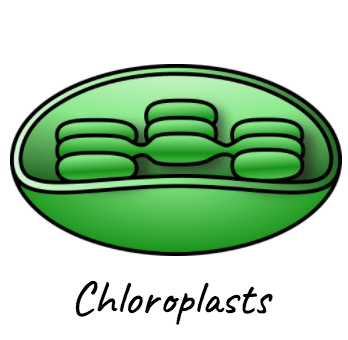
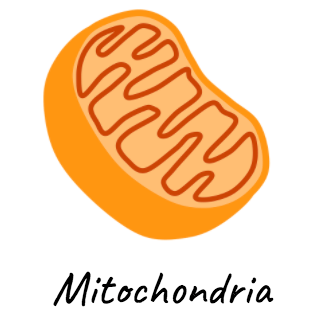
Mitochondria are (a) .

Process X represents (a) which occurs in the (b) . Process Y represents (c) which occurs in the (d) . Do both plant and animals cells complete cellular respiration? (e)
Match the following:
active transport
requires ATP
passive transport
does not require ATP
diffusion
molecules move from high to low
endocytosis
molecules move from low to high
What is the purpose of the cell cycle? List TWO reasons why this is an essential process.
Cells differentiate into many types of specialized cells during embryonic development. What biomolecule most directly regulates the process of differentiation?
ATP
Carbohydrates
Nucleic Acids
Lipids
Which is NOT true of cancer cells?
Cancer cells fail to undergo apoptosis.
Cancer cells exit the cell cycle and enter the G0 phase.
Cancer cells ignore signals that should cause them to stop dividing.
Cancer cells can migrate to other parts of the body through the process of metastasis.

