
 Worksheets
TLE 10 SOLOMON 3RD MONTHLY EXAM
Total questions: 49
Worksheet time: 27mins
What is a contaminant?
A disease that is caused by eating contaminated food
A substance in food that does not belong in food and can cause death or illness
Food that contains contaminants
What is a food borne illness?
A substance in food that does not belong in food and can cause death or illness
Food that contains contaminants
A disease that is caused by eating contaminated food
What is contaminated food?
A disease that is caused by eating contaminated food
A substance in food that does not belong in food and can cause death or illness
Food that contains contaminants
What is a physical contaminant?
An item that accidentally gets into food
A microscopic living substance that accidentally gets into food
A chemical that is toxic or not usually found in the food
What is a chemical contaminant
An item that accidentally gets into food
A chemical that is toxic or not usually found in the food
A microscopic living substance that accidentally gets into food
What is a biological contaminant?
An item that accidentally gets into food
A chemical that is toxic or not usually found in the food
A microscopic living substance that accidentally gets into food
Which of the following are examples of a physical contaminant?
Fingernails
Cleaning agents
Viruses
Wood splinters
Which of the following are examples of chemical contaminants?
Bandages
Pesticides
Cleaning agents
Fungi
Which of the following are examples of biological contaminants?
Bits of metal
Fungi
Parasites
Pesticides
Which type of contaminant is responsible for most food borne illness?
Physical
Chemical
Biological
What is a virus?
A microorganism that reproduces in the cells of other living things
Single-celled microscopic organisms that reproduce very rapidly under ideal conditions
An organism that must live in another living thing in order to survive and gets its nourishment from the host
What is bacteria?
A microorganism that reproduces in the cells of other living things
Single-celled microscopic organisms that reproduce very rapidly under ideal conditions
An organism that must live in another living thing in order to survive and gets its nourishment from the host
What is a parasite?
An organism that must live in another living thing in order to survive and gets its nourishment from the host
Single-celled microscopic organisms that reproduce very rapidly under ideal conditions
A microorganism that reproduces in the cells of other living things
What is the temperature danger zone?
30-150 degrees
50-130 degrees
40-140 degrees
1. The arrangement and decoration of a table before a meal, especially a special one.
Table Etiquette
Table Setting
Table Set-up

2. What type of table setting is this?
Casual Table Setting
Basic Table Setting
Formal Table Setting

3. What type of table setting is this?
Basic Table Setting
Formal Table Setting
Casual Table Setting

4. What type of table setting is this?
Formal Table Setting
Casual Table Setting
Basic Table Setting
What is the importance of Table Setting?
Which napkin fold is diamond napkin fold?
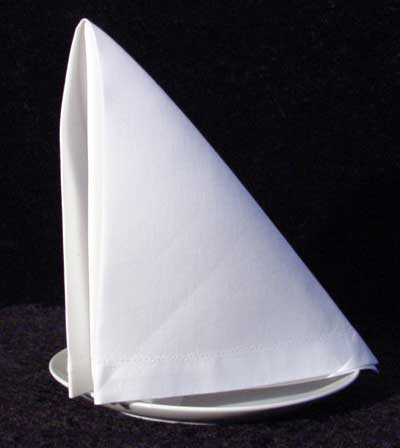
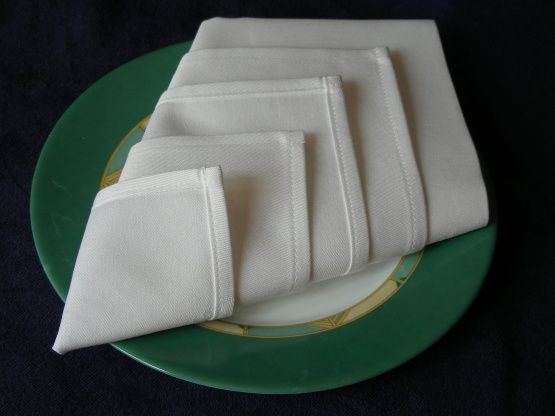
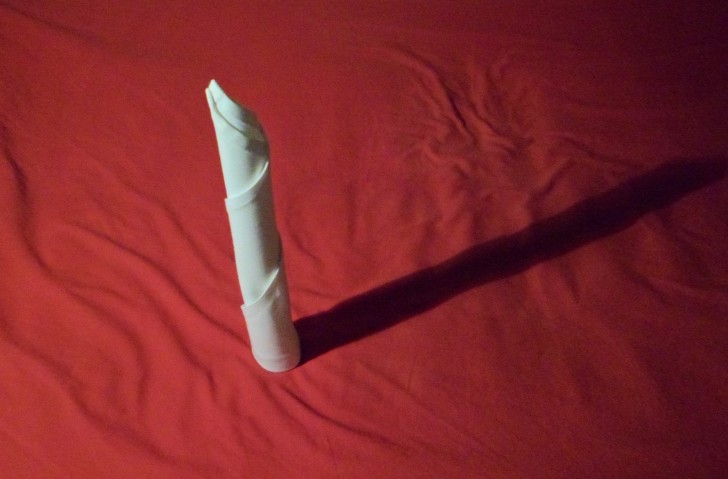
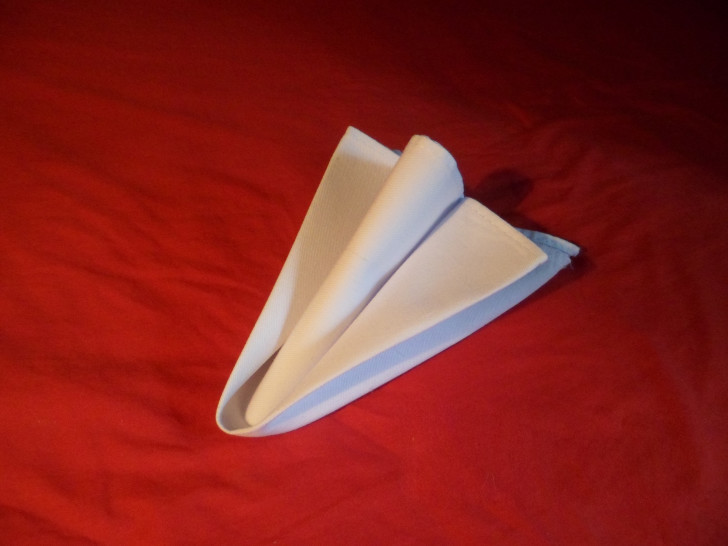
Which napkin fold is candle napkin fold?
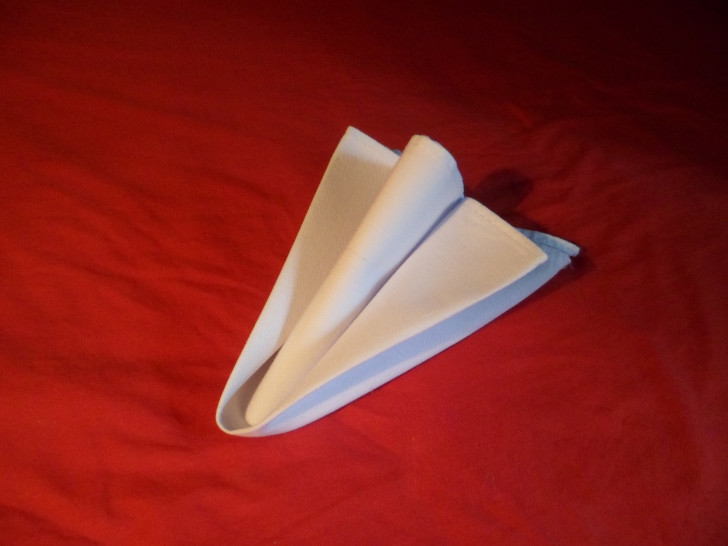
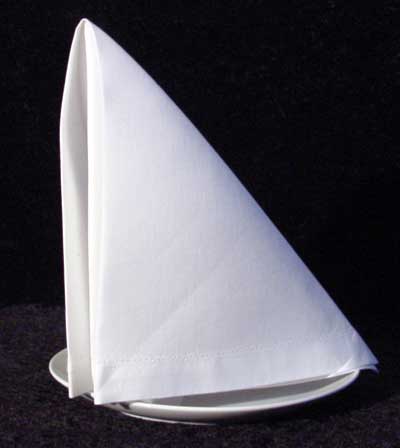
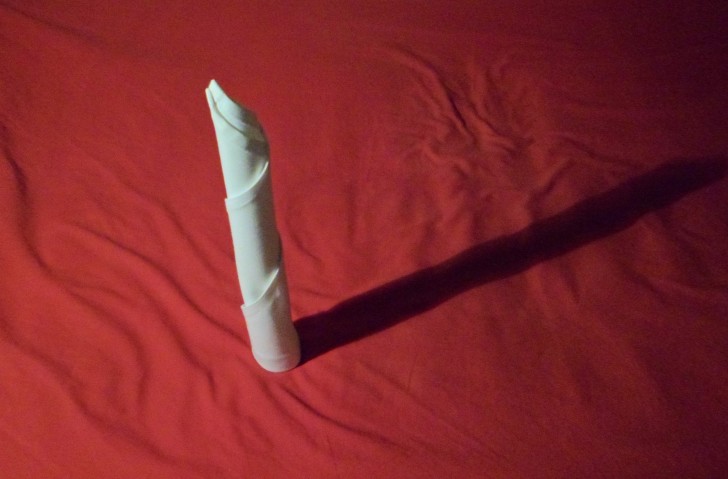
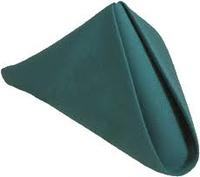
Which napkin fold is sail napkin fold?
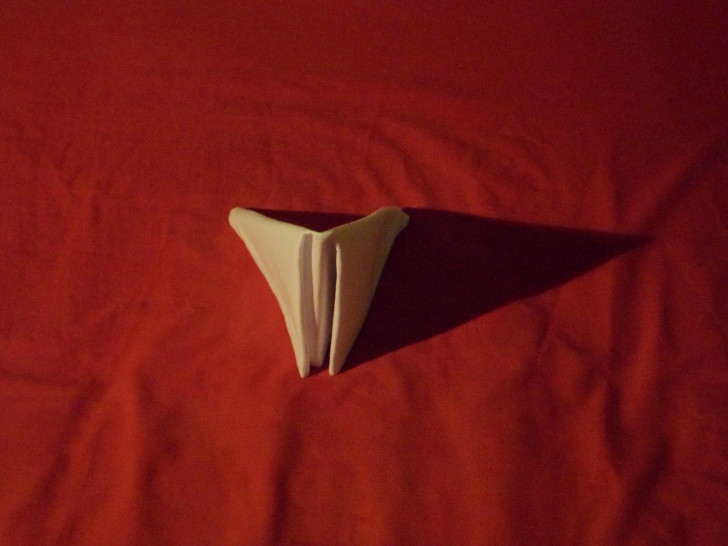
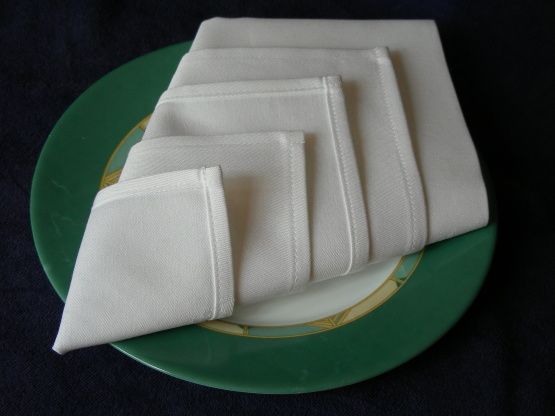
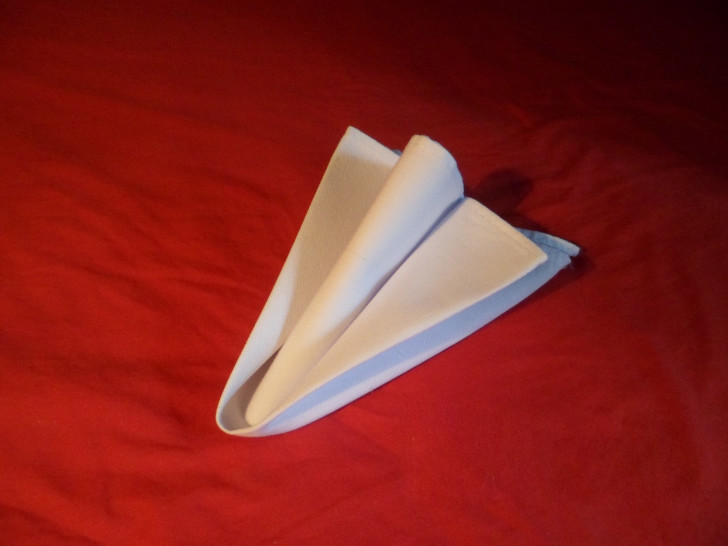
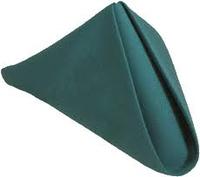
Name this napkin fold.
(a)
Which napkin fold is pyramid napkin fold?
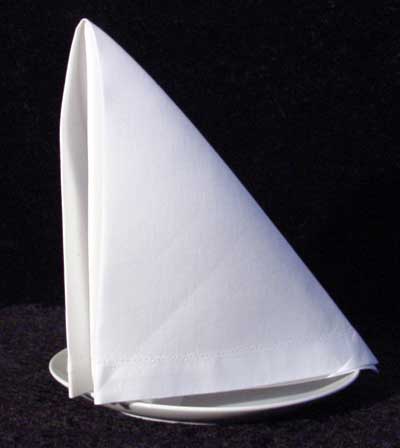
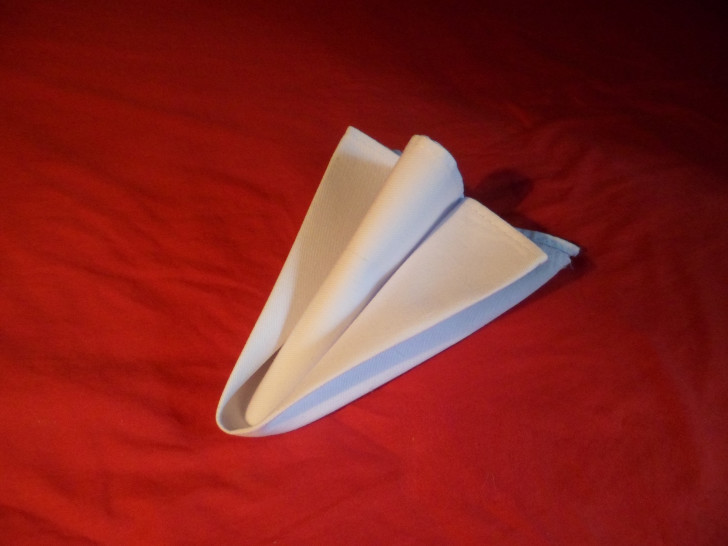
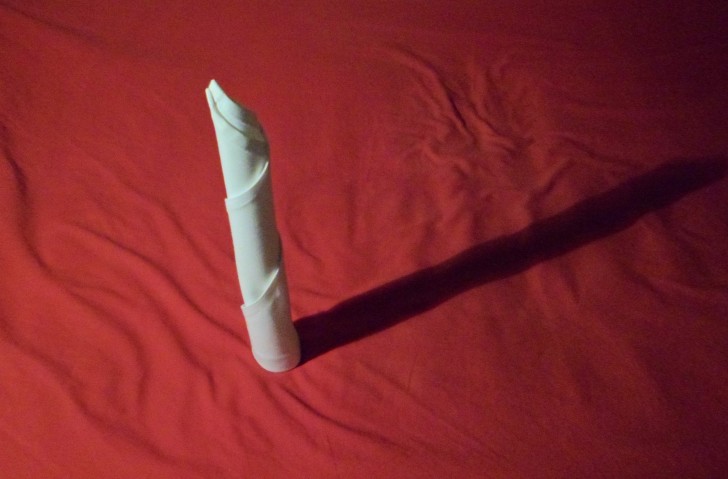
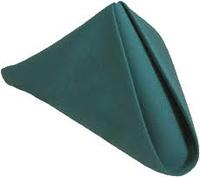
Which napkin fold is the fanfold ?


Which napkin fold is the birds of Paradise Fold?


Which napkin fold is the Pyramid?


Which Napkin Fold is the Bishop's Hat?


It is the importance of the napkin folding, except.
to catches crumbs
wipes our mouth
prevents from coughs and sneeze
for sweeping the floor
for catching fire
A piece of Cloth That is Used at the table for wiping the mouth and fingers while eating.
TABLE NAPKIN
TOP CLOTH
HANDKERCHIEF
TABLE SKIRT
When you are finished eating, put your silverware on the tablecloth
TRUE
FALSE
You should not blow your nose into a napkin.
TRUE
FALSE
The following tells something about a table napkin except:
It is used to cover the lap to protect the clothing of the guest.
It can be folded or in variety of fancy shapes when set on the table.
It should not match with the color of the table cloth in formal occasion.
It can be placed at the left of the fork or at the center of cover between the knife and fork.
The following are the steps in folding a candle except one.
Begin with the napkin open as a square, then fold in half horizontally.
Fold the bottom edge up to the center part of the napkin.
Fold the napkin in half to create a triangle.
Fold the top edge up to the center of the napkin

