
 Worksheets
Wolf Behavior Quiz
Total questions: 10
Worksheet time: 5mins
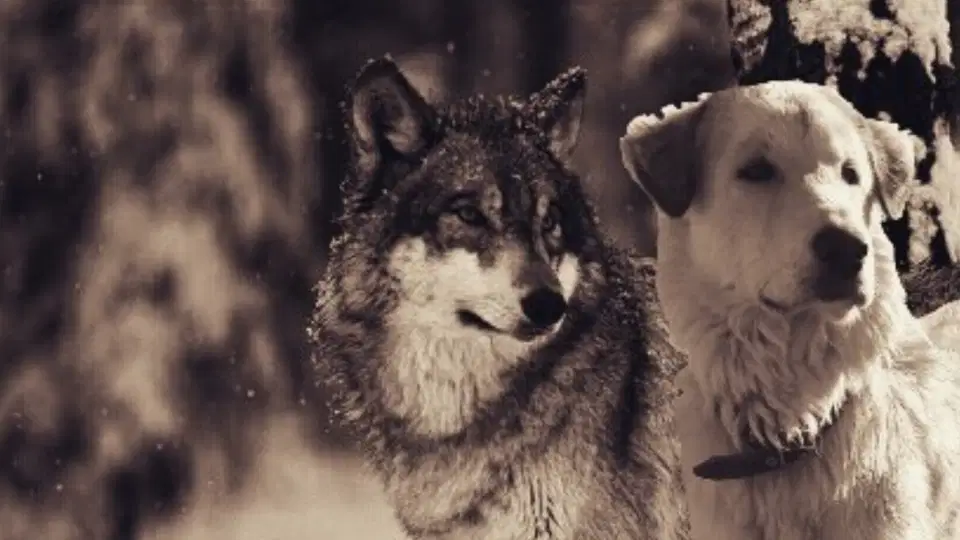
What is the main reason wolves and domesticated dogs look similar?
They are both large animals.
They are both members of the canidae family.
They both live in packs.
They both hunt for food.
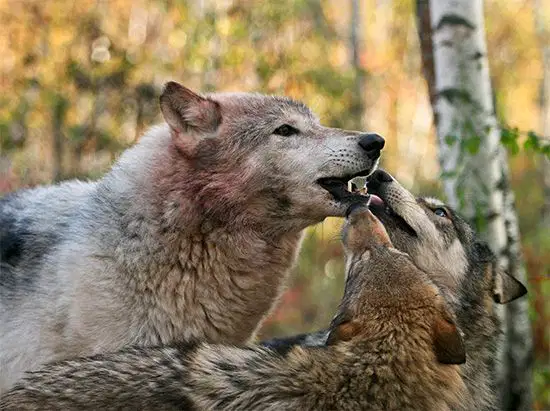
What is the social structure of a wolf pack?
A democracy where all wolves have an equal say.
A hierarchy with an alpha male and female leading.
A solitary system where each wolf lives alone.
A random structure with no specific order.

How do wolves communicate aggression?
By howling.
By chasing each other.
By showing their teeth and growling.
By hunting in a pack.
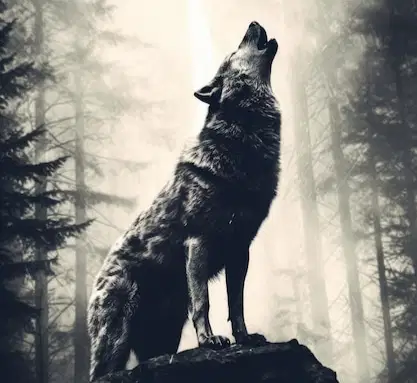
What can wolf howls indicate?
The beginning of a hunt.
A successful hunt.
An end to a period of sadness.
All of the above.

What is the most common species of wolves?
Red wolves
Arctic wolves
Gray wolves
Desert wolves

Which of the following statements best describes red wolf populations?
Red wolves are the most common species of wolves.
A red wolf can grow up to 130 pounds.
Red wolves can be found in the northern tundra regions.
Red wolves are a critically endangered species.
What is the definition of "keen" as used in the reading passage?
loathe or hate
hostile or violent behavior
wild, uncultivated lands
sharp or highly developed
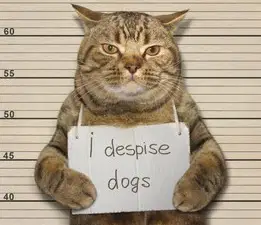
Choose the correct definition for "despise" from the reading passage.
loathe or hate
hostile or violent behavior
wild, uncultivated lands
tamed and kept as a pet
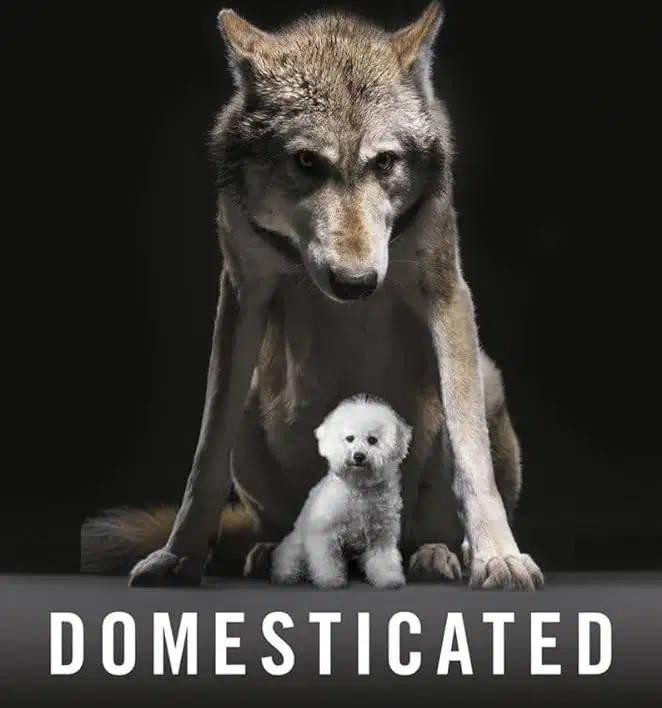
What does "domesticated" refer to in the context of the reading passage?
wild, uncultivated lands
at risk of becoming extinct
an animal that eats other animals
tamed and kept as a pet
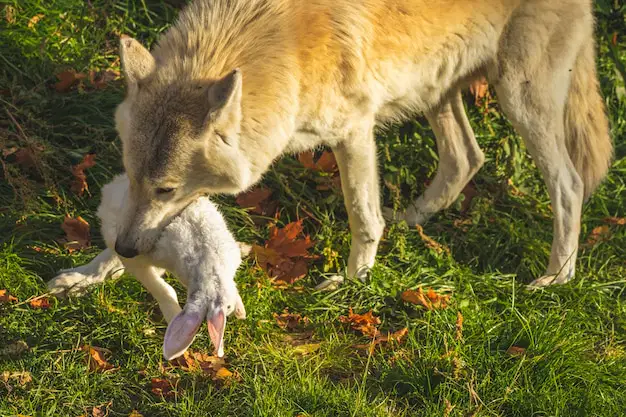
Choose the correct definition for "prey" from the reading passage.
wild, uncultivated lands
an animal that eats other animals
an animal that gets eaten by other animals
dominant animal in a group

