
 Worksheets
3rd qtr bonus points opportunity
Total questions: 164
Worksheet time: 3hrs 53mins
What was the Great Depression?
A period of economic success and an improving economy
The worst economic catastrophe in U.S. history
A period of time that witnessed American involvement in violent foreign wars
A hotly contested presidential election
What caused many farmers to foreclose on their farms in the 1930s?
Growing too few crops
Overproduction of crops and costs of machines
Expensive land and not enough workers
The Wall Street Crash
Which TWO answers best describe President Herbert Hoover's presidency during the Great Depression?
A very hands-on government
Mostly hands-off government
Largely unable to better economic conditions
Created many New Deal programs
Which TWO answers best describe Franklin D. Roosevelt's presidency during the Great Depression?
Very active hands-on gov't with business
Mostly hands-off gov't with business
Created many New Deal Programs
Created a tariff that hurt American economy
Which situation was a basic cause of the Great Depression?
excessive profits for farmers
overregulation of the stock market
overproduction of consumer goods
continued increases in wages for workers
What were two basic causes of the Dust Bowl during the early 1930s?
strip mining and toxic waste dumping
over farming and severe drought
clear-cutting of forests and construction of railroads
overpopulation and urban sprawl
The main purpose of New Deal measures such as the Securities and Exchange Commission (SEC) and the Federal Deposit Insurance Corporation (FDIC) was to
provide immediate employment opportunities
develop rules to limit speculation and safeguard savings
enable the Federal Government to take over failing industries
assure a guaranteed income for American families

What was the most likely cause of the election results shown on the map?
Most voters blamed President Herbert Hoover for the Great Depression.
It is difficult to defeat an incumbent (sitting) president.
Franklin D. Roosevelt had more business experience than Herbert Hoover.
Republican Party popularity had been declining for several elections.
A major criticism of President Franklin D. Roosevelt's programs to combat the Great Depression was that these programs
reduced the power of the federal government.
provided too much protection for big business.
ignored the plight of homeowners with mortgages.
made people dependent on the federal government.
Which of the following accurately describes how foreign policy contributed to the Great Depression?
German aggression threatened war, causing massive military buildups and draining treasuries
European factories produced automobiles, challenging American manufacturing dominance.
American tariffs slowed global trade by reducing exports, harming worldwide economies.
South American sugar producers slowed production, straining worldwide supply chains.
What was one of the biggest reasons why the American economy boomed in the 1920s?
mass production led to goods being made faster and an increase in supply
the arrest of criminals who wouldn't stop killing people
the banning of alcohol
giving women the right to vote
overproduction and underconsumption
a decrease in the supply of consumer goods
an increase in demand for imported products
an increase in the price of wheat on the world market


Which trend in U.S. foreign policy is shown by the passage of the Neutrality Act of 1939, the destroyers for bases deal, and the Lend-Lease Act of 1941?
withdrawal from overseas colonies
expansion of trade with the Axis powers
increase in support for the Allied powers
reduction in war preparedness
- Banning loans to nations at war.
- Prohibiting the sale of arms to nations at war.
The governmental actions listed above were similar in that each was intended to
keep the United States out of war
protect American colonies from foreign aggression
limit the influence of Japan in the Pacific
support efforts for the U.S. to join the League of Nations
Identify two policies changes that showed the U.S. was moving away from its policy of isolationism.
Passage of the Neutrality Acts
Growth of radio and magazine advertising
Entered into a Destroyer for Bases Agreement
Congress passed the Lend-Lease Act
What was a major goal of U.S. foreign policy in the 1930s?
provide defensive weapons to our European friends
increase European immigration to the United States
fund the construction of a wall separating France from Germany
bring Hitler and Mussolini to trial as war criminals
laws passed to limit U.S. involvement in future wars.
No sale of war weapons to nations involved within conflict.
Cash-and-Carry
Lend-Lease Act
Selective Training and Service Act
Neutrality Acts
a statement of British and American goals for the postwar world following the defeat of the Nazis
Good Neighbor Policy
Four Freedoms
Arsenal of Democracy
Atlantic Charter
What policy that prohibited the shipping of arms to nations of war to reduce the possibility of attacks from foreign vessels?
Conflict Act of 1933
Neutrality Act of 1935
What was the main goal of the Good Neighbor policy?
To establish military bases in Latin America
To promote economic cooperation with European countries
To improve relations with Latin American countries
To increase trade barriers with Asian countries

How did American policy gradually change with the advancing of World War II?
America was forced out of isolationism into direct involvement in the war.
America became more isolated from world events.
America refused economic aid to Allies.
America became allies with Germany and stayed neutral.

The policy of avoiding involvement in the affairs of other countries is--
nationalism
socialism
isolationism
imperialism
__________?____________
-Began the war as an isolationist nation
-Began giving economic aid to the Allies
-Became directly involved in World War II when their country was attacked.
Which member of the World War II Allies is described by these events?
United States
Canada
Great Britain
France
How did the results of World War I cause World War II?
The League of Nations declared war on Italy because World War I created problems between Germany and Italy.
The war debt from World War I that Germany had to pay was one of the causes of the political and economic instability of Europe.
President Wilson's peace plan called for the invasion of Germany if the country failed to pay its war debt.
When Great Britain was blamed for World War I, Great Britain invaded France to demand payment for the war.
Reorder the following to show how the US got involved in WWII.
Neutral
economic aid to allies
Pearl Harbor
Direct Involvement
Giving in to an aggressive country to avoid war
Lend Lease Act
Appeasement
Blitzkrieg
Cash and Carry
These American Indians were recruited by the military to encode, transmit, and decode messages; the Navajo language was used to develop a code that was not broken by the enemy in WWII
Cherokee
Navajo
Apache
Sioux
Determined young men who enlisted to become America's first black military aviators at a time when the U.S. military still practiced racial segregation. They participated in over 15,000 sorties and earned over 100 Flying Crosses.
Tuskegee Airmen
Flying Tigers
Charles Lindbergh
Black Panthers
Who were the Tuskegee Airmen?
African American pilots who flew successful missions during WWI
A group of Civil Rights Activists
Hitler's elite army pilots
African American pilots who flew successful missions


The US encouraged immigrants from what country to come to the US to work as farm laborers during WWII.
Mexico
Japan
Germany
Canada

What group migrated from the rural South to the North and West for higher paying factories jobs during WWII?
Japanese Americans
African Americans
Women
Native Americans

What 3 ways did American Civilans helped on the Home Front?
Victory Gardens
Recycling Metals
Car Pooling/ Riding Bikes
Protest the war in Europe

What was the purpose of War Bonds
Conserve food and resources
Raise money for the war
Limit public spending
Recruiting soldiers

What was the purpose of rationing?
Limit use of food and fuel doing the war
Raise more money for US troops
Helping the poor and sick
Producing more weapons

Who were ordered into internment camps during WWII?
Japanese Americans
Mexican Americans
African Americans
Native Americans

American law that allowed the U.S. to lend, lease, sell, or otherwise provide aid to other nations if doing so helped the defense of the United States
Lend-Lease Act
Tripartite Pact
Atlantic Charter
Allied Trade Act

Prior to 1939, which of the following foreign policies did the U.S. practice?
isolationism
aggression
appeasement
federalism
What U.S. action against Japan led to the attack on Pearl Harbor?
The U.S. attacked Japan's capital.
The U.S. had Japan removed from the League of Nations.
The U.S. placed all Japanese Americans in prison.
The U.S. placed an oil embargo on Japan.
What bill provided funds to help veterans establish businesses, buy homes, and attend college?
What act provided $25 billion, 10-year project to build more than 40,000 miles of interstate highways?
The Federal highway act
Interstate Highway Act
Transportation Improvement Act
Between 1940 and 1955, the average annual income of U.S families roughly _______?
quadrupled
Tripled
From 1945-1961 more than 65 million children were born. What was this called?
Nothing
What was urban renewal?
Government programs that attempt to eliminate poverty and revitalize urban areas.

This item increased the buying power of consumers during the 1950's by allowing them to "buy now and pay later."
Credit Cards
Payday loans
JG Wentworth 877-CASH-NOW
The dark web

This was the name given to large housing developments of nearly identical houses. Four were built in the US in New York, Pennsylvania, New Jersey and Puerto Rico.
Levittowns
Cookie Cutter Housing Project
G.I. Towns
Dream Homes
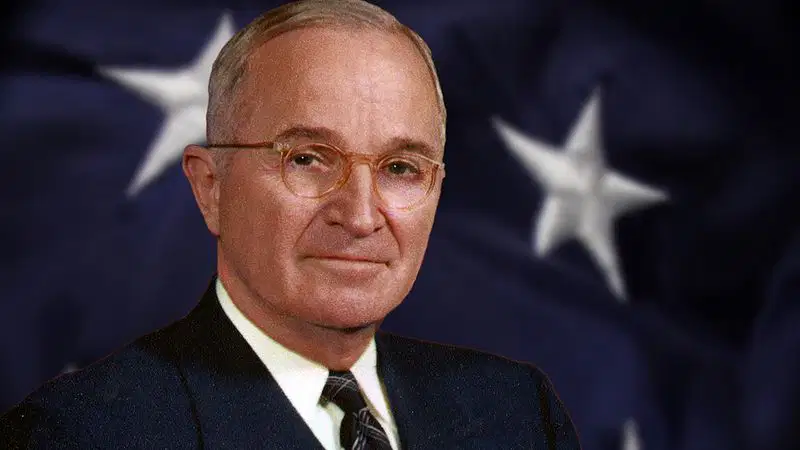
He was the President who in 1948 signed an executive order desegregating the military.
John F. Kennedy
Harry S. Truman
Franklin D. Roosevelt
Dwight D. Eisenhower
Lyndon B Johnson.
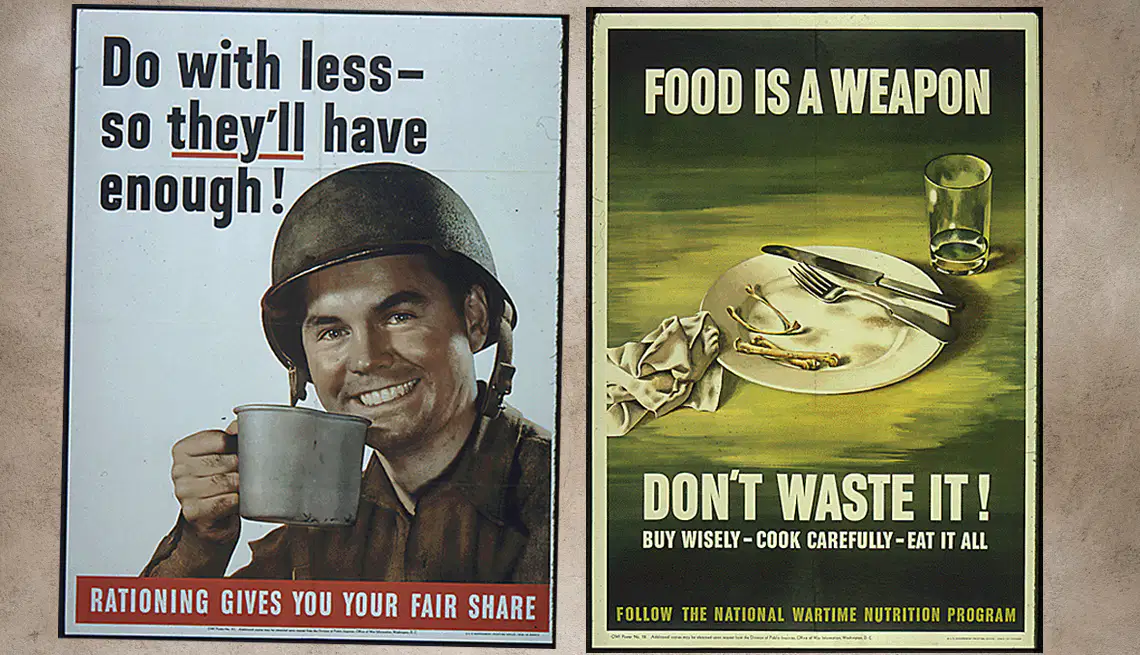
This was a World War II era program where consumers could only purchase limited amounts of certain goods. This policy ended after the war.
rationing
communism
democracy
layaway
Which of the following was not a reason for the rapid growth of the American economy after WWII?
Businesses converted to making consumer goods.
Americans purchased goods on credit.
The workforce shifted back to men, and most women returned full-time to family responsibilities.
Labor unions fell apart and were not powerful at all.
The next generation of women re-entered the labor force in large numbers.
What did the G.I. Bill of 1944 provide?
lifelong careers in the military
women and minorities with factory jobs
low-income families with housing
soldiers with money for housing or education
People moved out of the city and into ______, or Levittowns, to start families.
suburbs
farms
trailers
ghettos
What did Eisenhower implement in America's infrastructure to promote auto travel?
river dams
interstate highways
paved roads
complex bridges
Following the end of the war, men returned to working in the _________ whereas women returned to working in the _____.
home; factories
fields; church
factories; home
military camps; classrooms
Which of the following was an effect of the economic prosperity of the 1950's?
Americans invested in consumer goods based on the home, such as televisions, appliances, & automobiles.
Americans invested heavily in the stock market
Americans continued to pay high taxes
Americans purchased more foreign goods produced in Asian countries like Korea and Japan
Which of the following was NOT a result of the economic boom of the 1950s?
Increased standard of living
Growth of the middle class
Decline in consumer credit usage
Expansion of the housing market
How did the economic boom of the 1950s influence American society's view on success?
Success was increasingly associated with political power
Success was primarily seen as achieving self-sufficiency
Success became closely tied to material wealth and consumer goods
There was a significant shift towards valuing intellectual achievements
What was one result of the "white flight" of the post–World War II years?
Many urban African Americans relocated to the rural South.
Businesses flocked to the cities to take advantage of lower rents.
Middle-class whites had greater daily contact with the urban poor.
City governments struggled to pay for services for poor residents.
What was the image of the ideal woman in the 1950’s?
Nurse
Teacher
Housewife
Astronaut
This document declared the colonies’ independence from Great Britain:
Declaration of Independence
VA Statute for Religious Freedom
Charter for the Virginia Company of London
VA Declaration of Rights
This document created our first government
Constitution
Declaration of Independence
Bill of Rights
Articles of Confederation
This document created our current government and set up a system of checks and balances:
Constitution
Declaration of Independence
Bill of Rights
Articles of Confederation
This document protects the rights of citizens of the United States of America:
Constitution
Declaration of Independence
Bill of Rights
Articles of Confederation

This quote comes from which founding document?
VA Declaration of Rights
VA Statute of Religious Freedom
Declaration of Independence
Articles of Confederation
What document listed grievances against the king of England?
United States Constitution
Magna Carta
Articles of Confederation
Declaration of Independence
What document establishes the structure of the current U.S. government?
U.S. Constitution
Declaration of Independence
Charters of the Virginia Company
Articles of Confederation
What document affirmed the idea that all people are created equal?
U.S. Constitution
Magna Carta
Declaration of Independence
Virginia Declaration of Rights
What document created a weak central government?
Articles of Confederation
U.S. Constitution
Charters of the Virginia Company
Declaration of Independence
Why was the Declaration of Independence written?
to explain why the colonies were separating from Great Britain
the start the American Revolution
to offer a peace settlement to Great Britain.
to instruct how a county wins its freedom.
What are the first ten amendments of the Constitution called?
A menu
Bill of Rights
Articles of Confederation
Magna Carta
This document is famous because it was the first real form of national government, but it had some frailites, such as a weak central government with no power to tax or enforce laws.
The Magna Carta
The Virginia Declaration of Rights
The Articles of Confederation
The Virginia Statute for Religious Freedom
This document speaks specifically about "life. liberty, and the pursuit of happiness."
The Magna Carta
The Virginia Statute of Religious Freedom
The Declaration of Independence
Articles of Confederation
Monopolies are bad because they (a) and (b) . Monopolies are good because they (c) and (d) .
Where did most immigrants come from in the Gilded Age (1870-1900)?
Western Europe, Northern Europe, and South Asia
West Africa, Eastern Europe, and South Asia
Eastern Europe, Southern Europe, and East Asia
South American, Central American, and South Asia
The main goal of these laws were to keep whites and African Americans separate in public places.
Racial Segregation Laws
Jim Crow Laws
Separation of Color Laws
Literacy Tests

What Supreme Court case ruled "separate but equal" was legal?
Texas vs. Johnson
Tinker vs. DesMoines
Brown vs. Board of Education
Plessy vs. Ferguson
Andrew Carnegie and John D. Rockefeller developed business practices that let them take total control of a specific industry. This practice was called ______________.
monopoly
technology
labor unions
urbanization

These organizations tried to improve working conditions for workers-
Political Bosses
Labor Unions
Political Machines
Farmers

A refusal to work (most successful method)
strikes
lockouts
collective bargaining
black lists
Where did the majority of the new immigrants settle?
small towns
rural areas
suburbs
big cities
The poorly built, overcrowded apartments many immigrants lived in were called
steerage
sweatshops
tenements
benevolent societies

Based on the information in this graph, why did immigration increase rapidly between 1895 and 1905?
Railroad construction created jobs for immigrants.
Cheap land prices in the West attracted immigrant farmers.
Industrial growth provided factory jobs for immigrants.
World War I caused immigrants to flee Europe.
Identify “pull” factors that brought immigrant groups to the U.S.
More Freedom, jobs, could own land, free education
Children could work, the diversity of food they could buy, ghettos
Famine, lack of freedom and persecution
Nicer weather

Which answer choice below would best complete the web diagram seen here?
Gospel of Wealth Theory
Social Gospel Theory
Socialism
Laissez-Faire Capitalism
A monopoly is best defined as
a business that provides a necessity to the general public
a market situation where there is only a single provider of a good or service
a negotiation by workers as a group with business owners over compensation
an arrangement of similar businesses created to regulate production and control pricing
The greatest economic consequence of the transcontinental railroad network was that it
developed a skilled industrial workforce
united the nation into a single, integrated national market
enabled people from farms and small towns to visit all the big cities
enabled farmers to make a highly profitable living by shipping their goods across the country
Captains of Industry valued competition in a free market because they believed only the strongest companies would survive and result in better goods and services. This is an example of
Unionism
Control Market
Socialism
Social Darwinism
Why did immigrants tend to vote according to the demands of political machine bosses in urban America?
Bosses provided jobs and services
Bosses threatened deportation
Bosses offered top management positions
Bosses would target family members
~Upton Sinclair exposed the unhealthy practices of Chicago's meat-packing plants
~Ida Tarbell revealed the dishonest business tactics of Rockefeller's Standard Oil
Company
~Jacob Riis wrote How the Other Half Lives, showing the conditions of the residents of
New York City tenements
What was the impact of these muckraking activities during the early 1900s?
Society changed in response to their promotion of Social Darwinism
Voters agreed to let big business owner create more profitable monopolies
Reports of their works in publications abroad caused a decline in immigration
Public reaction to their books led to new laws addressing the abuses of industrialization
Which group used violence and fear tactics to prevent non-whites from voting?
Al-Quida
Ku Klux Klan
White Knights of Labor
Bull-Moose Party
What is another name for trust?
Belief
Banking
Anti-Trust
Monopoly
What were journalists called that investigated and wrote about the issues in society during the progressive era?
Reporters
Muckrakers
Yellow Journalists
Paparazzi
What is the 19th Amendment?
Women's right to vote
Prohibition in the South
Legalizing of Child Labor
Federal Income Tax
Which of the following best describes the views of 'Progressives?'
Government should support the growth of corporations
Corruption in politics is good
Government should do what is good for their citizens

What was the purpose of poll taxes in the late-1800s and early-1900s?
to fund anti-discrimination organizations
to prevent African Americans from buying homes
to prevent African Americans from voting
to fund the construction of southern factories

You are eligible to vote if you grandfather was eligible to vote under this clause.
Grandfather clause
Father Clause
Grandmother Clause
Santa Clause
Think back to the Living in the Cities reading from last week. What were some of the problems of the cities? Check all that apply.
crime
poverty
overcrowding
raw sewage contaminating water supply
not enough jobs
Which literary work led to the creation of the Pure Food & Meat Inspection Act?
How the Other Half Lives
The Jungle
Sixteenth Amendment
Organization founded in 1909 to promote full racial equality
Progressive Movement
NAACP
NAWSA
Niagara Movement

William M. Tweed (Boss Tweed)
was Robber Barron who made a ton of money
was a philanthropist who donated most of his fortune
was a corrupt party boss of a political machine
was a Captain of Industry

What trend occurred in population during industrial expansion?
urbanization increased
migration from cities to rural areas
immigration decreased
farming increased

European Immigrants arrived at Ellis Island... Asian Immigrants arrived at...
Whidbey Island
Angel Island
Alcatraz Island
Manhattan Island

The "bosses" of urban political machines often...
denied voting rights to the poor
wasted money on military spending
discriminated against migrant workers
accepted bribes in return for favors

Nativists wanted to...
group immigrants into their sections of the city
assimilate immigrants into American society
limit immigration
convert immigrants into Protestantism
Prejudice against "New Immigrants" increased because these immigrants...
had superior job skills than most of the American workers
formed their own labor unions and received higher wages
tried to change the American political system
came from different cultural backgrounds than most Americans

What type of music was developed by African Americans in New Orleans in the late 1800s?
ragtime
opera
jazz
vaudeville

Many immigrants lived in these run-down urban buildings.
cabins
nickelodeons
apartments
tenements

Jane Addams started a _____________________________ in Chicago to help the poor.
hospital
assimilation program
hotel
settlement house

With Ford's development of the Model T, the middle class began living outside the cities in the _________________.
urban areas
suburbs
farms
rural areas
The practice of stronger nations extending their control over weaker countries and territories is
Militarism
Alliances
Imperialism
Nationalism
One cause of U.S. imperialism was
Militarism
Alliances
Spanish Treachery
Desire to gain more land and natural resources
Why did the United States acquire Hawaii?
The US wanted volcanoes
To use the islands as a naval base, and for its sugar
to create a naval base during World War II
to assist Queen Liliuokalani take control of the islands

This cartoon is an example of:
Miitarism
Yellow Journalism
Black Journalism
Alliances

What was a result of headlines like the one above?
World War I begin
The Spanish-American War
The US entered World War I
The Union defeated the Confederacy
After the Spanish American War, the U.S. Directly controlled all of the following territories EXCEPT
The Philippines
Guam
Puerto Rico
Cuba
Which policy gave US the right to be the "policemen of the Western Hemisphere"
Roosevelt Corollary
Good Neighbor Policy
Open Door Policy
Marshall Plan
Why did Theodore Roosevelt help support a revolt against Columbia?
Columbia refused to comply with trade agreements
He wanted to establish a naval base in Columbia
He wanted to establish a colony in Columbia
He wanted to build the Panama Canal
Why did the US acquire Hawaii, create the Open Door Policy, and fight in the Spanish-American War?
to establish military alliances with other nations
to gain overseas resources & become a global power
to begin the policy of manifest destiny
to support Isolationism
________________was a widely held belief in the 19th century United States that its settlers were destined to expand across North America.
Imperialism
Annexation
Monroe Doctrine
Manifest Destiny
What is the "White Man's Burden"?
A belief in "cultural superiority"
A philosophy related to Manifest Destiny
Taft's foreign policy approach
A belief in white privilege
Which president said “speak softly and carry a big stick; you will go far.” The U.S. Navy is the “big stick” he is referring to.
Woodrow Wilson
William H. Taft
Teddy Roosevelt
This gave every country equal access to trade with China.
Boxer Rebellion
Open Door Policy
Modernization
Sphere of Influence
Why is the Spanish American War of 1898 often considered a major turning point in US history?
It revealed the US as an imperial power in the world.
It marked the first American victory over a European country.
It demonstrated the need for better communications in wartime.
It showed American support for European economic interests in East Asia.
Americans purchased (a) to help finance the war in WWI and WWII.
To supplement food shortages, Americans grew their own food in (b) during WWI and WWII.
What event changed the role of the US and led to us declaring war and sending troops into battle?
attack on Pearl Harbor
Lend-Lease Act
Operation Torch
What treaty caused the start World War II?
Treaty of Versailles
Treaty of Paris
Paris Peace Accords
Treaty of Lasting Peace
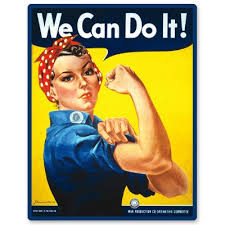
Who is this a image of and what did she a symbol of .....
June the Fighter symbol of women's suffrage
Susan the solider symbol of women working on airplanes
Rosie the Riveter symbol of women working in factories during the war.
President (Republican) during the 1929 stock market crash. Believed cities, states, and banks should try to lead in the recovery before the federal government because the fear of a growing national debt. Did little to improve the economy
President Herbert Hoover
President Franklin D. Roosevelt
The New Deal
drought-related conditions in the Great Plains states.
Dust Bowl
Acai Bowl
Duster
shantytowns, communities of makeshift shacks on unused or public land nicknamed after President Herbert Hoover
Hoovervilles
Rooseveltvilles
margin call
Roosevelt’s policies for ending the Depression
New Deal
Real Deal
Square Deal
Direct talks FDR held with the American people to let them know his plan
Fireside Chats
IG Chat
Radio Talks
Program that provided aid to people with disabilities and pensions for retired workers
Social Security
Civilian Conservation Corps
Works Progress Administration

