
 Worksheets
Forensics Chapter 2 Test
Total questions: 54
Worksheet time: 14hrs 30mins
The documented and unbroken transfer of evidence from the crime scene through to the lab analysis is known as the ____________.
chain of custody
chain of command
police report
eyewitness account
Indirect evidence that is used to imply a fact but not to prove it directly is known as ________ evidence.
direct
circumstantial
key
erroneous
In the Jon Benet Ramsey case, there was a 3 page SIGNED ransom note found at the crime scene. How would you classify this piece of evidence?
direct
circumstantial
class
individual
Evidence that directly proves an alleged fact, such as an eyewitness account of a crime.
direct
circumstantial
individual
class
The first person to a crime scene is known as the ______.
detective
first responder
investigator
medical examiner
A folded paper used to hold trace evidence is known as a ______.
label
sealed evidence
toggle
bindle
Is video surveillance considered to be circumstantial evidence or direct evidence?
circumstantial
direct
both
neither
Is a confession considered to be circumstantial evidence or direct evidence?
circumstantial
direct
neither
both
Is pollen from a plant considered to be physical evidence or biological evidence?
Both
Neither
Physical
Biological
What principle states that when a person comes into contact with an object, a cross transfer can occur?
Locard's Exchange Principle
Frye Standard for Evidence
Daubert Ruling for Expert Testimony
The Law of Transference
_______ evidence narrows an identity to a single person or thing.
class
individual
personal
group
______ evidence narrows an identity to a group of persons or things.
class
group
individual
personal
What is the first step in following the 7S’s of Crime Scene Investigation?
separating witnesses
searching the scene
photographing the scene
securing the scene
What is the proper method of opening a sealed bag of evidence?
cut the label and open carefully
peel off the label without tearing it and open from the top
cut the bag from the bottom and remove the evidence
all of the above
What must be written over a label that seals evidence?
the signature of the investigator
the signature of the judge
the signature of the victim
the signature of the medical examiner
What is the purpose of the chain of custody?
It provides documentation of the people that handled the evidence
It provides a log of dates
It creates a traceable path that the evidence takes from crime scene to court room
all of the above
What happens to the evidence if the Chain of Custody is not followed correctly?
Nothing...the COC isn't that important
the evidence can be considered inadmissible in court
the defendant automatically is convicted
the defendant is automatically set free
True or False: A crime scene investigator decides what evidence is admissible in court.
true
false
What is the name given to the first 10 amendments to the US Constitution?
Deceleration of Independence
Bill of Rights
Emancipation Proclamation
Chain of Custody
Which amendment gives US citizens the right to a speedy and fair trial?
first
second
fourth
sixth
1st priority at the crime scene
safety of everyone
secure the scene
separate witnesses
secure fragile evidence
2nd priority at crime scene
safety of everyone
secure fragile evidence
secure the scene
separate witnesses
1st "S" of crime scene investigation
secure scene
secure evidence
see
search
2nd "S" of crime scene investigation
secure scene
separate witnesses
see
search
3rd "S" of crime scene investigation
sketch scene
scan scene
see scene
search
4th "S" of crime scene investigation
sketch scene
scan scene
see scene
search
5th "S" of crime scene investigation
sketch scene
scan scene
see scene
search
6th "S" of crime scene investigation
sketch scene
scan scene
see scene
search for evidence
7th "S" of crime scene investigation
secure scene
scan scene
see scene
secure evidence

Which search pattern is depicted?
spiral
quadrant/zone
linear
grid
Evidence that identifies a group of people is called
Trace Evidence
Individual Evidence
Class Evidence
Direct Evidence
Which of the following members of the crime scene team has the job of interviewing witnesses?
the forensic scientists
the detectives
the specialists
the crime scene investigators

Once DNA has been extracted from the nucleus of a cell, it is exposed to ______ ______ that act like biochemical scissors to cut the DNA.
restriction enzymes
gel agarose
clotting factors
electric shock


The parents of a new baby believe they brought the wrong child home from the hospital. Gel electrophoresis was performed using DNA samples from the parents and the child. A section of the gel
electrophoresis results is shown below. Which conclusion is valid based on the gel electrophoresis results?
They have the correct child, because her genetic information is identical to that of the father.
They have the wrong child, because her genetic information does not match that of either parent.
They have the correct child, because her genetic information came from both parents.
They have the wrong child, because her genetic information matches only that of the mother.
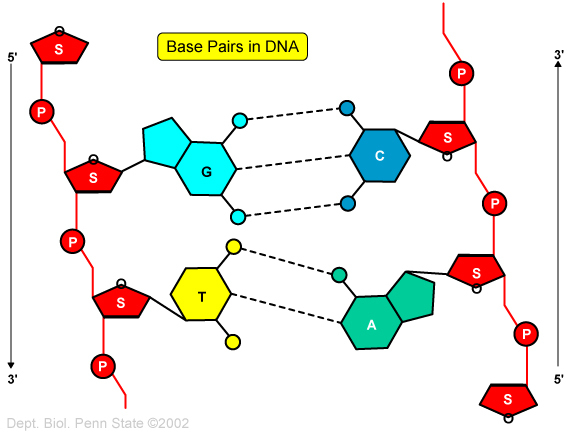
The order of the bases in is what distinguishes different DNA strands.
True
False


The parents of a new baby believe they brought the wrong child home from the hospital. Gel electrophoresis was performed using DNA samples from the parents and the child. A section of the gel
electrophoresis results is shown below. Which conclusion is valid based on the gel electrophoresis results?
They have the correct child, because her genetic information is identical to that of the father.
They have the wrong child, because her genetic information does not match that of either parent.
They have the correct child, because her genetic information came from both parents.
They have the wrong child, because her genetic information matches only that of the mother.

