
 Worksheets
Art History Chapter 4 Pre/PostTest
Total questions: 20
Worksheet time: 10mins
Name
Class
Date
1.

The meaning, mood, or idea communicated to the viewer.
a)
Design Qualities
b)
Expressive Qualities
c)
Literal Qualities
d)
Aesthetic Qualities
2.
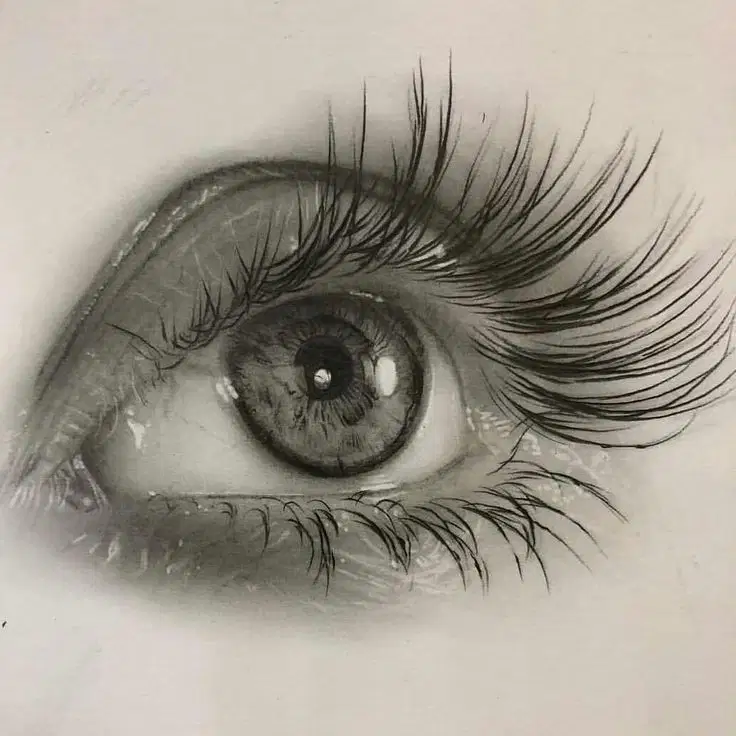
realistic presentation of subject matter
a)
Expressive Qualities
b)
Literal Qualities
c)
Design Qualities
d)
Aesthetic Qualities
3.
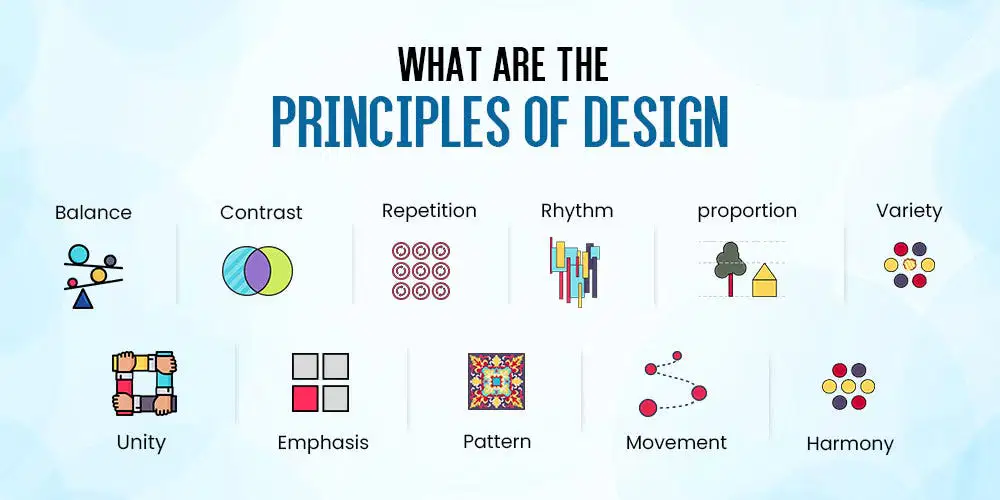
How well the work is organized, or put together
a)
Design Qualities
b)
Expressive Qualities
c)
Literal Qualities
d)
Aesthetic Qualities
4.

The qualities that can increase their understanding of the works and serve as the criteria on which their judgments are based
a)
Expressive Qualities
b)
Design Qualities
c)
Literal Qualities
d)
Aesthetic Qualities
5.
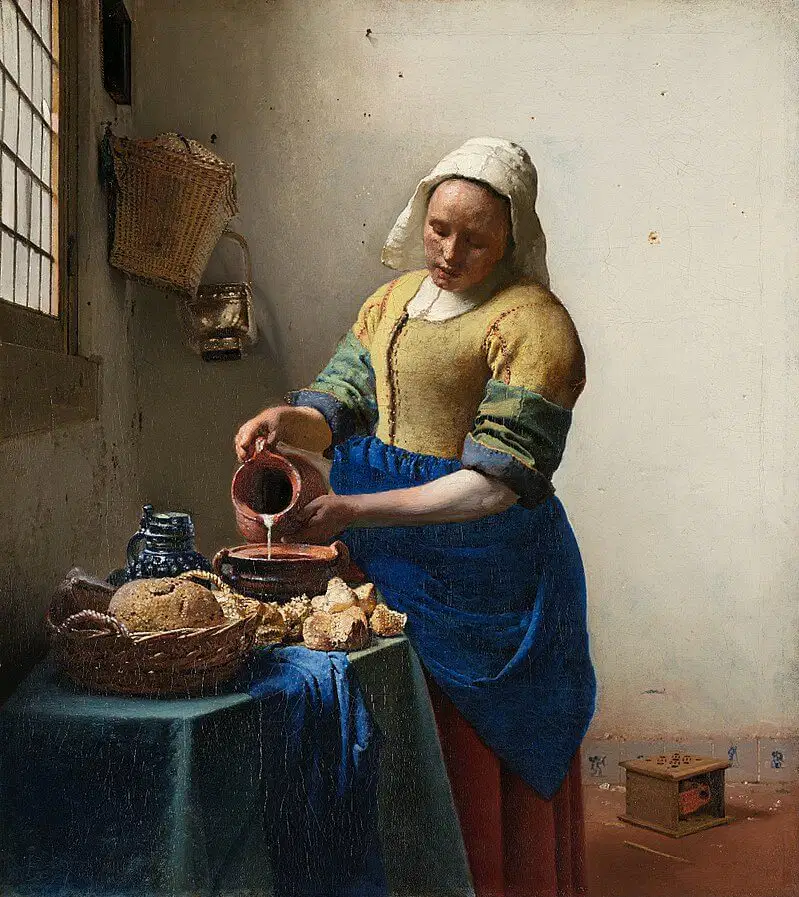
Stressing the importance of literal qualities
a)
Formalism
b)
Description
c)
Imitationalism
d)
Judgment
6.

Focus: subject matter and/ or elements of art noted in the work
a)
Judgment
b)
Description
c)
Interpretation
d)
Nonobjective Art
7.

Any artwork that contains no apparent reference to reality
a)
Nonobjective Art
b)
Analysis
c)
Emotionalism
d)
Formalism
8.

Focus: Decision-making about the work's artistic merit
a)
Judgment
b)
Analysis
c)
Imitationalism
d)
Formalism
9.

Focus: Moods, feelings, and ideas communicated by the work
a)
Analysis
b)
Interpretation
c)
Judgment
d)
Description
10.
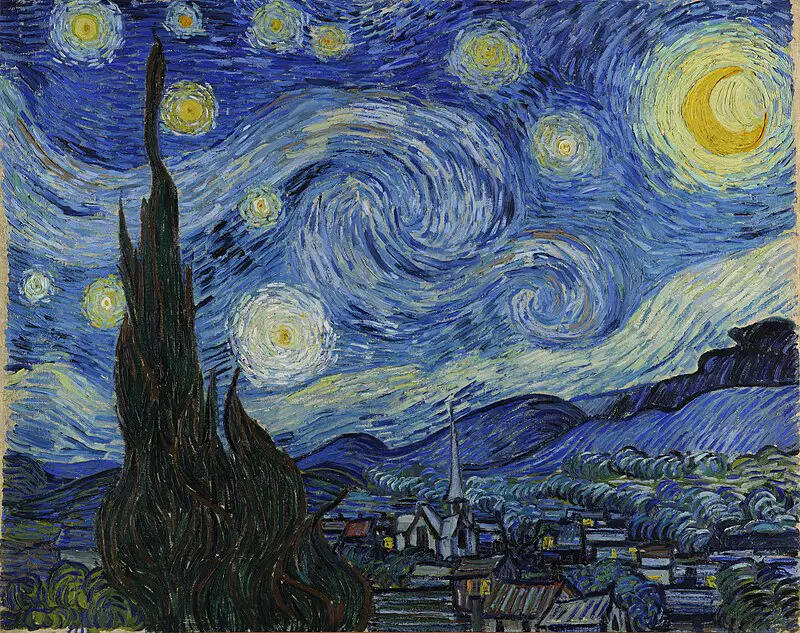
Success of the work depends on the design qualities or the way it is organized
a)
Formalism
b)
Emotionalism
c)
Nonobjective Art
d)
Interpretation
11.

Focus: Organization - how principles of art have been used to arrange the elements of art
a)
Judgment
b)
Description
c)
Interpretation
d)
Analysis
12.
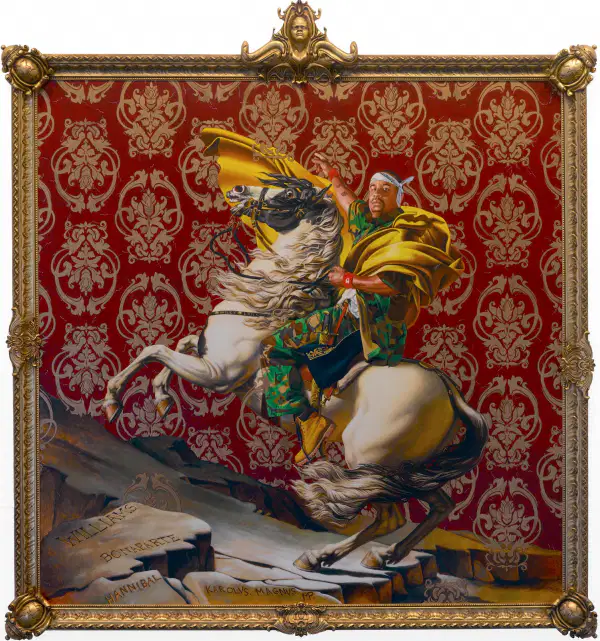
Success of an artwork depends on its ability to communicate an emotion or idea to the viewer
a)
Formalism
b)
Emotionalism
c)
Imitationalism
d)
Description
13.

What are the aesthetic qualities?
4 lines
14.
When examining an artwork, for what kinds of questions does a critic seek answers?
4 lines
15.
How did the lack of footprints in the sand around the gypsy influence Robert's interpretation of The Sleeping Gypsy?
4 lines
16.
Why is judgment such an important step in the art criticism process?
4 lines
17.
Why is no single theory of art adequate when examining and judging different works of art?
4 lines
18.
Where do critics turn to find out more about a work after they have examined it using the art criticism operations?
4 lines
19.
Why does the critic typically avoid referring to external clues while critiquing a work?
4 lines
20.
On what do nonobjective artists place emphasis when creating their works?
4 lines
100 %

