
 Worksheets
Conservation of Mass and ID'ing Substances Review
Total questions: 29
Worksheet time: 20mins
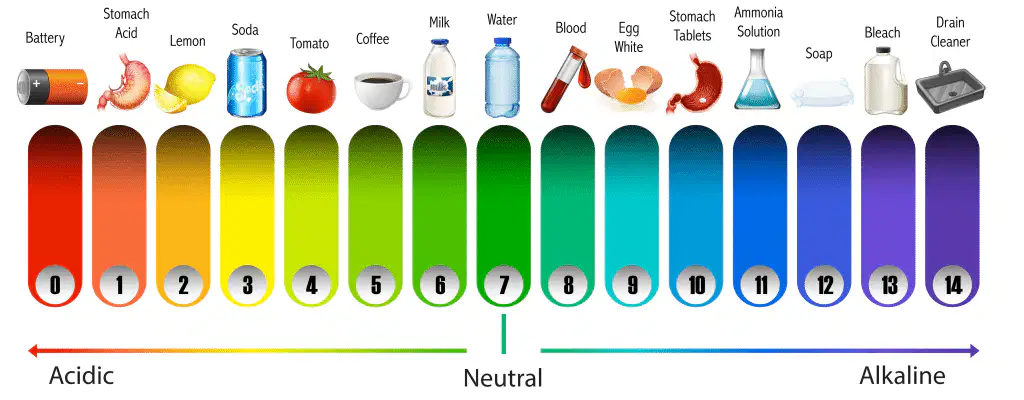
Which of the following substances has a pH of 7?
soda
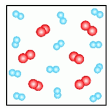
pure substance
mixture

Identify the substance in box B.
pure substance
mixture
Identify the substance in box C.
pure substance
mixture
Identify the substance in box A.
pure substance
mixture

Identify the substance in box D.
pure substance
mixture

Identify the substance in box Y.
pure substance
mixture
Identify the substance in box Z.
pure substance
mixture

Identify the substance in box W.
pure substance
mixture
A substance that is combustible or flammable reacts chemically with
oxygen in the air
nitrogen in the air
carbon dioxide in the air
helium in the air
Not all substance may be flammable because they may not react with
oxygen
water
carbon dioxide
acid
Two blocks that are the same color, same shape, and same size. However, they have different densities. What must be true?
They are made of the same substance because they share a lot of extensive properties
Their masses are also the same
Even though they share the same properties, they may not be the same substance
They both will sink in water
Out of the following properties, which would be the LEAST helpful in determining a substance's identity?
pH
odor
viscosity
shape
Out of the following properties, which would be the MOST helpful in determining a substance's identity?
color
mass
volume
density
Out of the following properties, which would be the LEAST helpful in determining a substance's identity?
solubility
melting point
boiling point
mass
Based on the Law of Conservation, the total mass of the reactants will always be _________ to the total mass of the products in a reaction.
the same
greater
less
greater or less depending on the reaction
Baking Soda + Vinegar --> Sodium Acetate + Carbon dioxide + water
10 grams of baking soda was combined with 35 grams of vinegar to form a chemical reaction. How many grams of total products can we expect at the end of the reaction?
25 grams
45 grams
350 grams
there is no way to predict the answer
An alka-seltzer tablet was dropped in some water and the chemical reaction resulted in bubbling. The total mass of the substances was weighed before and after the reaction. It was observed that the mass after the reaction was a little less than the mass before the reaction happened.
What best explains what happened to the mass?
Some of the mass went into the air as a gas at the end of the reaction
Some of the mass got destroyed and disappeared during the reaction
The substances at the end of the reaction weigh less than the starting substances
The tablet is a solid and it created a gas and solids always weigh more than gas
Which would be the best test to tell substances apart if two substances are calculated to have similar densities?
They can heat them up and test their melting or boiling points
They can observe their shapes to see if they are similar
They can weigh them to see if they have the same mass
Compare their colors

