
 Worksheets
PR2024-BioDiv-Phase2
Total questions: 40
Worksheet time: 22mins
A substance present in the cell wall that differentiates bacteria from archaeobacteria.
Cellulose
Chitin
Peptidoglycan
Tunicin
A group of unicellular, photosynthetic algae that have a glassy silica cell wall consisting of two parts or shells that fit together.
Chlorophyceae
Rhodophytes
Diatoms
Phaeophyceae
What would be an accurate way to describe viruses?
Microscopic organisms that cause disease
Genes packaged in a protein coat
Single-celled organisms that can reproduce on their own
Complex organisms made up of multiple cells
The function of these prokaryotes is to transform or decompose organic matter (dead organisms) into their basic elements so that they can be reincorporated into ecosystems through biogeochemical cycles.
Decomposer
Producers
Nitrogen fixers
Industrial
Some of these prokaryotes are used in the production of dairy products such as yogurt. Others have the ability to digest oil and are used in environmental remediation processes. Some others are used to synthesize medicines.
Decomposer
Producers
Nitrogen fixers
Industrial
These types of prokaryotes convert atmospheric nitrogen into forms useful to other organisms. For example, they transform it into ammonia, which is then transformed into nitrates for plant uptake. It also forms part of the protein-forming amino acids in all living things.
Decomposer
Producers
Nitrogen fixers
Industrial
Cyanobacteria are photosynthetic organisms and are among the most important and abundant producers on the planet. It is estimated that this group produces half of the primary production in the oceans. They're an example of...
Decomposer
Producers
Nitrogen fixers
Industrial
Prokaryotes differ from Eukaryotes in that their cells…
Lack nuclei
Have organelles
Have cell walls
Lack nucleic acids
These are characteristics of bacteria:
Peptidoglycan cell wall
Methanogenesis or biomethanation
Extremophilia
Pathogenic
These are characteristics of archaea:
Peptidoglycan cell wall
Methanogenesis or biomethanation
Extremophilia
Pathogenic
Which of the following statements does NOT apply to the protist group?
They are unicellular, colonial, coenocytic or simple multicellular organisms
Their cilia and flagella have a 9 + 2 arrangement of microtubules
They are prokaryotes like bacteria and archaea
Some are free-living, and some others are endosymbionts
Most are aquatic and live in the ocean or freshwater ponds
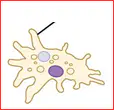
Temporary extension of an amoeboid cell used for feeding and locomotion.
Pseudopodia
Flagella
Cilia
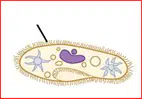
A short hair-like structure that projects from certain cells. It is used in locomotion or movement of materials to the cell surface. They can occur in large numbers.
Pseudopodia
Flagella
Cilia
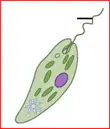
A long, mobile structure that projects from certain cells. It is used for locomotion. In protists they have a 9 + 2 microtubule arrangement.
Pseudopodia
Flagella
Cilia
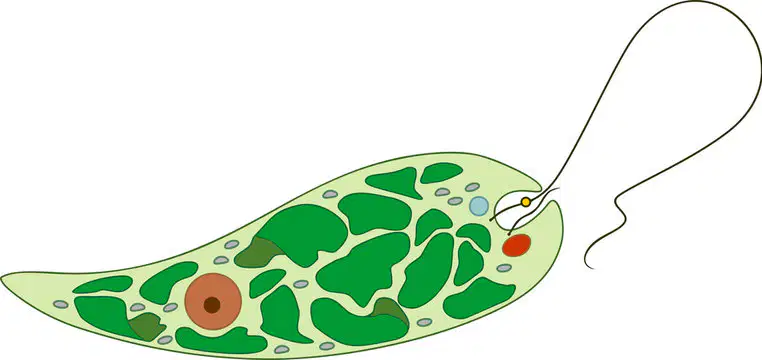
To what protist group does Euglena sp. belong to?
Excavata
Alveolata
Archaeplastida
Amoebozoa
Rhizaria
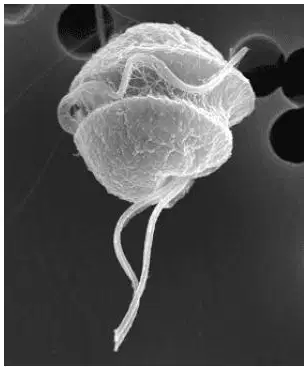
To what protist group does Dinoflagellata belong to?
Excavata
Alveolata
Archaeplastida
Amoebozoa
Rhizaria
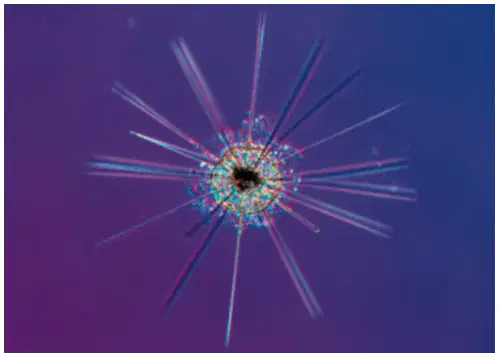
To what protist group does Radiolaria belong to?
Excavata
Alveolata
Archaeplastida
Amoebozoa
Rhizaria
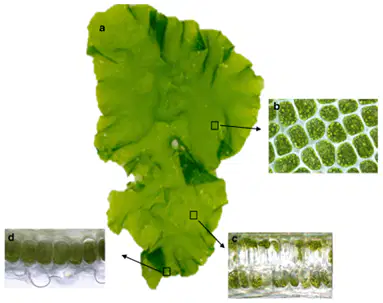
To what protist group does Chlorophytes belong to?
Excavata
Alveolata
Archaeplastida
Amoebozoa
Rhizaria

To what protist group does Mycetozoa belong to?
Excavata
Alveolata
Archaeplastida
Amoebozoa
Rhizaria

A group of fungi whose cell wall has simple septa, most have fruiting bodies and many of them are macroscopic, such as mushrooms and cap mushrooms.
Ascomycetes
Basidiomycetes
Deuteromycetes
Zygomycetes
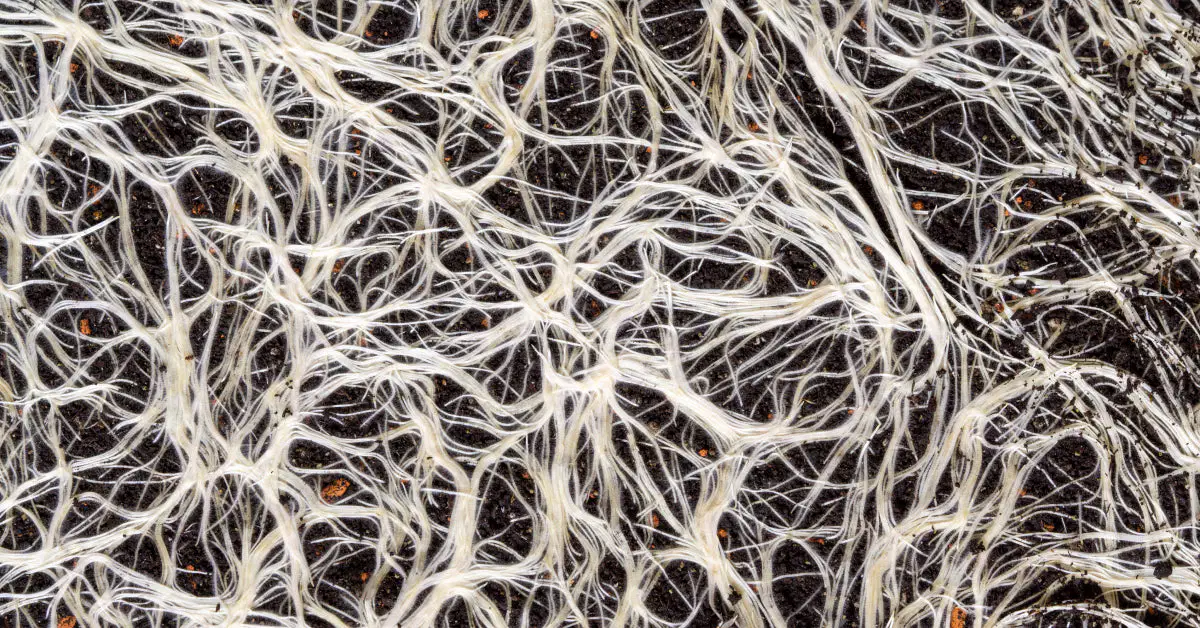
The structure that forms the body of the fungi, consisting of a network of branched and interwoven hyphae adapted for absorption, is called mycelium.
True
False

Bryophytes with horn-shaped sporangia belong to the Class Antocerothae and those with flat, liver-shaped gametophytes belong to the Class Marchantiophyta.
True
False
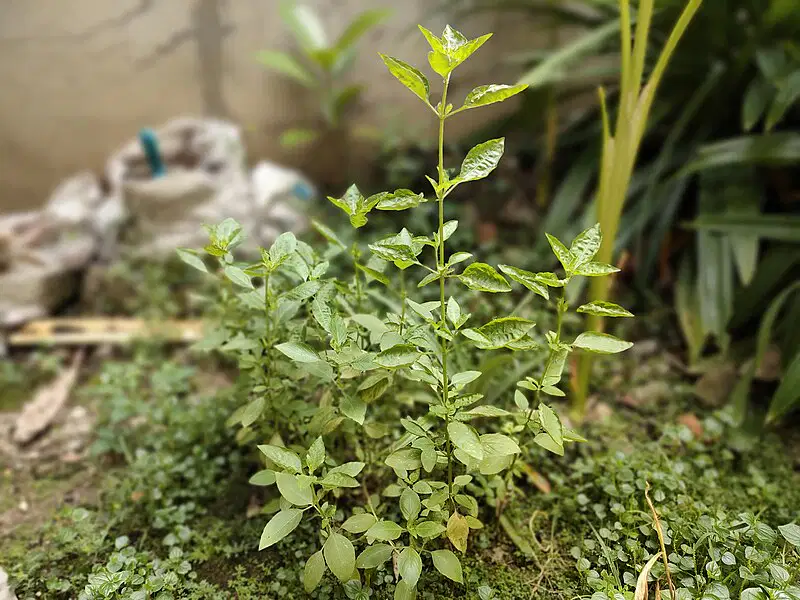
What are characteristics of tracheophytes not found in bryophytes?
The presence of xylem and phloem tissues
Sporophyte dominance
True leaves
Sporangia
All sporophytes are tracheophytes
True
False
Examples of sporophytes are...
Pines
Ferns
Orchids
Mosses
Kingdom Plantae characteristics:
Sexual reproduction with alternation of generations
Chloroplasts
Cellulose cell wall
Chitin cell wall
Which of the following fungi usually doesn't develop a mycelium?
Black bread mold
Yeast
Cultivated mushrooms
Penicillium sp.
Ferns and mosses are two types of flowering plants with vascular systems.
True
False
A composite organism that arises from algae or cyanobacteria living among filaments of multiple fungi species in a mutualistic relationship is known as:
Arbuscular endomychorrhiza
Ectomycorrhiza
Lichen
Epiphyte
Mutualistic associations between fungi and plant roots are called:
Lichen
Mycorrhizae
Pathogenic associations
Mycotoxic symbiosis
Which of the following is not a trait found in plants?
Eukaryotic cells
Multicellular structures
Chitinous cell walls
Chlorophyll
In sexually reproducing fungi, the haploid is stage is dominant over (i.e. longer than) the diploid stage.
True
False

Traits shared by green algae and basal plants
Apical meristems
Flagellated sperm
Ring-shaped cellulose-synthesizing complexes
Alternation of generation sexual cycles
What fungal groups produce zoospores?
Rozellomycota (Cryptomycetes + Microsporidia)
Zygomycetes
Dikarya (Basidiomycetes + Ascomycetes)
Chytridiomycota
The haploid stage is the dominant one in the tracheophytes' sexual cycles.
True
False
The male gametophyte in ferns is usually found within the pollen
True
False
Group of gymnosperms with flagelated sperms, whose males are usually used as ornaments
Cycadidae
Ginkgoidae
Pinidae
Magnoliids
Characteristics of monocots
Two cotyledons
Scattered vascular tissues
Trimerous flowers
3-pore pollen
Plant group whose megasporophylls and megasporophylls are known as stamens and carpels
Gymnosperms
Angiosperms
Lychophytes
Polypodiophyta
The sporophyte in angiosperms is reduced and found within the gametophyte
True
False

