
 Worksheets
Unit 05 Test Review
Total questions: 11
Worksheet time: 6mins
Name
Class
Date
1.
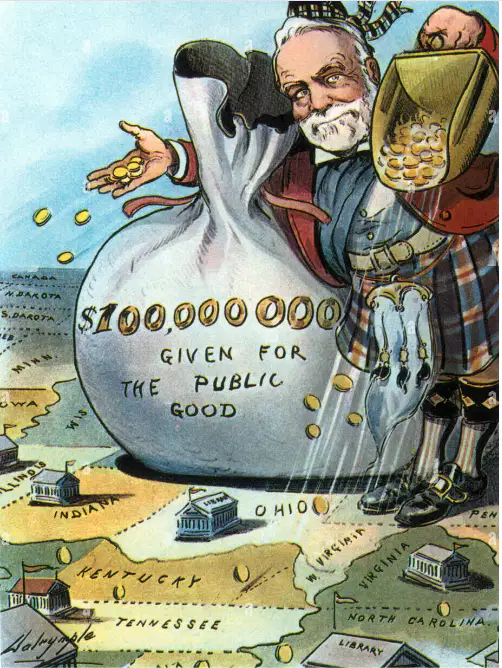
According to the "Gospel of Wealth" supported by Andrew Carnegie
a)
the accumulation of wealth is beneficial to society and the government should take no action to hinder this accumulation.
b)
the wealth and resources in a society should be equitably distributed among the members of that society.
c)
a graduated income tax is needed to reduce the gap between the richest and poorest members of society.
d)
the government should play a major role in controlling the American economy.
2.

The most significant obstacle in building the Transcontinental Railroad was
a)
crossing the Sierra Nevada Range and the Rocky Mountains.
b)
removing hostile Native Americans from the region.
c)
laying track across the Great Plains.
d)
crossing the Appalachian Mountains.
3.
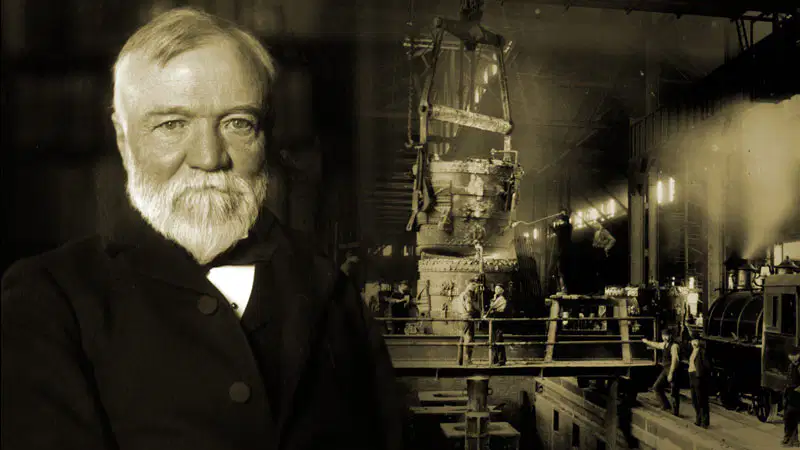
Andrew Carnegie once said, “Two pounds of iron-stone purchased on the shores of Lake Superior and transported to Pittsburg; two pounds of coal mined in Connellsville and manufactured into coke and brought to the Pittsburg; One-half pound of limestone mined east of the Alleghenies and brought to Pittsburgh; A little manganese ore mined in Virginia and brought ot Pittsburg; and these four and one half pounds of material manufactured into one pound of solid steel and sold for one cent. That’s all that need be said about the steel business.” This tactic used by Carnegie to control every step of the manufacturing process from raw material to finished good in order to establish a monopoly is known as a?
a)
Vertical Integration
b)
Horizontal Integration
c)
Pool or Trust
d)
Collective Bargaining
4.
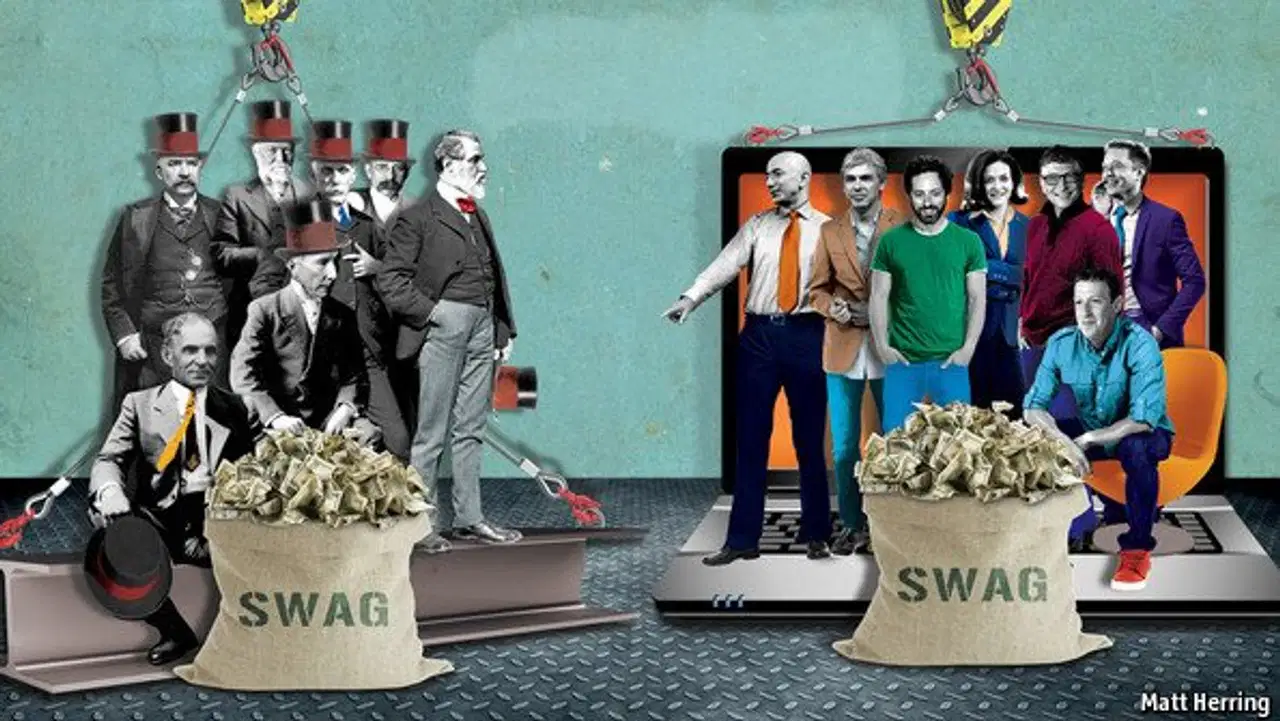
Which of these is the BEST definition of a philanthropist?
a)
a person who makes an active effort to promote human welfare and make a positive impact on society
b)
an individual who creates a business to provide goods and services for those who are poor
c)
a wealthy person who donate money to charities in order to keep from paying high taxes
d)
a company that accepts donations from people in order to help the less-privileged
5.

Dawes Severalty Act, 1887
An act to provide for the allotment of lands in severalty to Indians on the various reservations, and to extend the protection of the laws of the United States and the Territories over the Indians, and for other purposes.
Based on this excerpt from the Dawes Severalty Act, United States domestic policy toward Native Americans in the late 1800s made an attempt to
a)
force Native American Indians to give up their traditional cultures.
b)
grant them full citizenship and due process.
c)
increase the land holdings of western tribes.
d)
give their tribal groups authority over their own governmental affairs.
6.

- George Armstrong Custer and the 7th Cavalry
- Lakota, Cheyenne, and Arapaho tribes led by Crazy Horse and Sitting Bull
- The most prominent action during the Great Sioux War of 1876
This image and list of research notes would be of GREATEST value to a student writing a report titled
a)
"The Battle of Little Big Horn."
b)
"The Wounded Knee Massacre."
c)
"The Second Seminole War."
d)
"The Trail of Tears."
7.
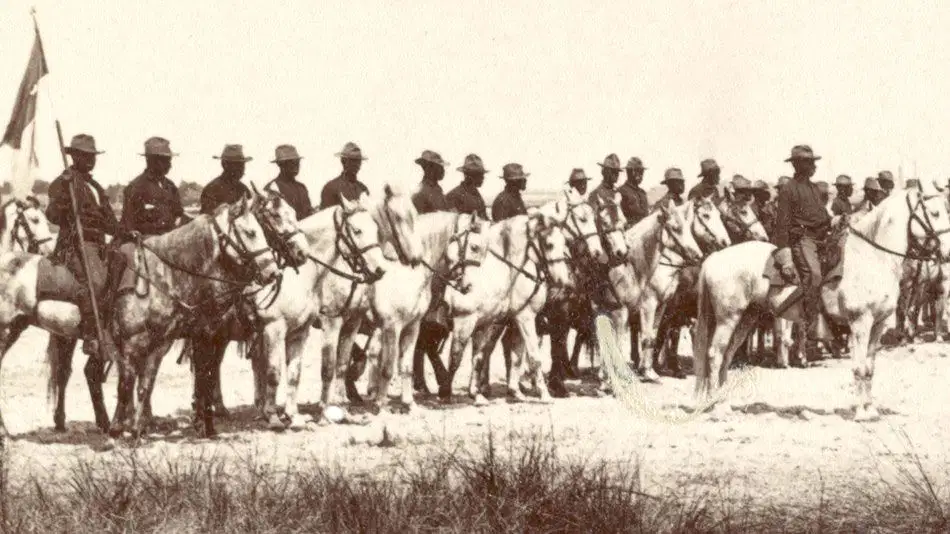
This group of African Americans have a complex legacy on the great plains as they participated in the Indian Wars. However, they were highly respected by Native Americans and would serve as some of the nations first national park rangers?
a)
Exodusters
b)
Buffalo Soliders
c)
Cowboys
d)
Yeoman famers
8.
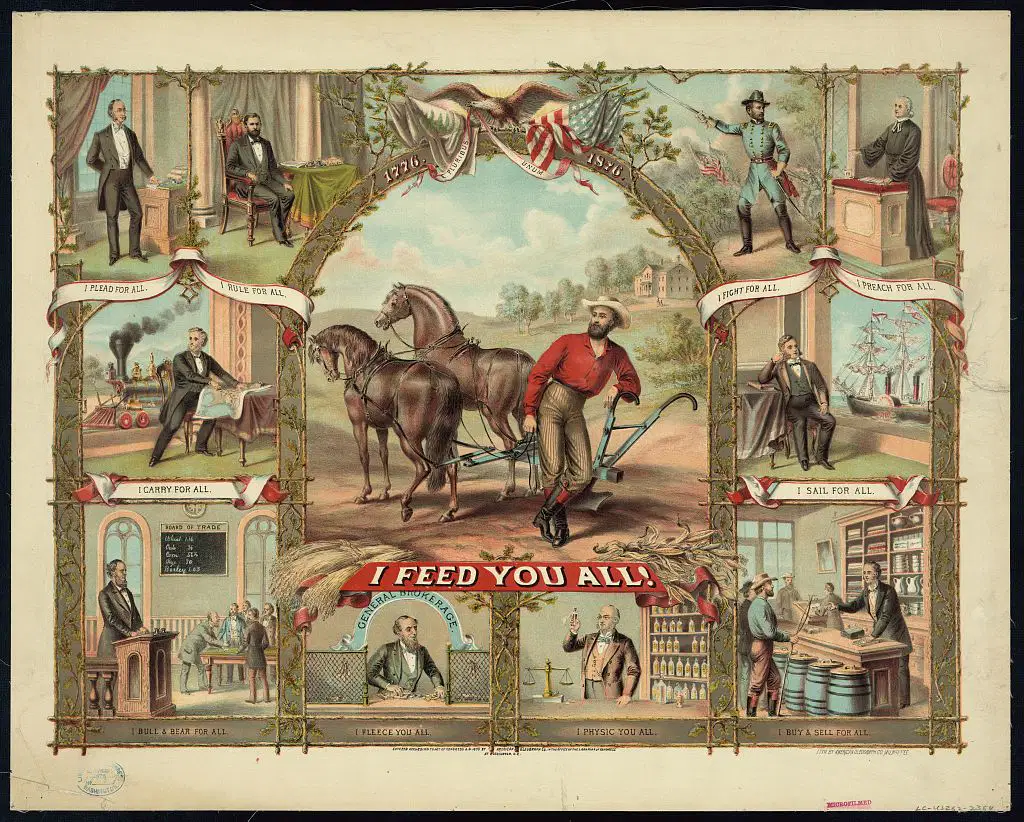
Why did the high tariffs on industrial products during the late 1800s have a negative impact on farmers?
a)
High tariffs on industrial products made farm tools expensive, but a lack of tariffs on crops kept farm products low.
b)
High tariffs required farm workers be paid artificially high wages for the use of heavy, industrial products.
c)
High tariffs encouraged overproduction of crops and led to a severe deflation in the prices of crops.
d)
High tariffs led to an inflated circulation of gold, which drove down the price of the dollar, thus, the price of crops.
9.
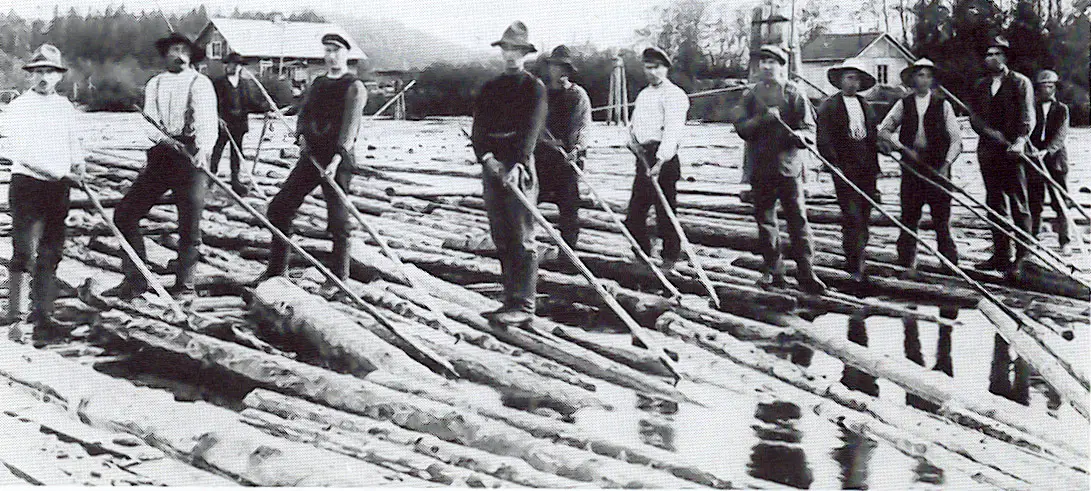
The new national economy and new immigration patters following the Civil War saw large amounts of timber-men from what two Northern European regions to areas of Minnesota and Wisconsin?
a)
Norwegians
b)
Swedes
c)
Austrians
d)
Italians
10.
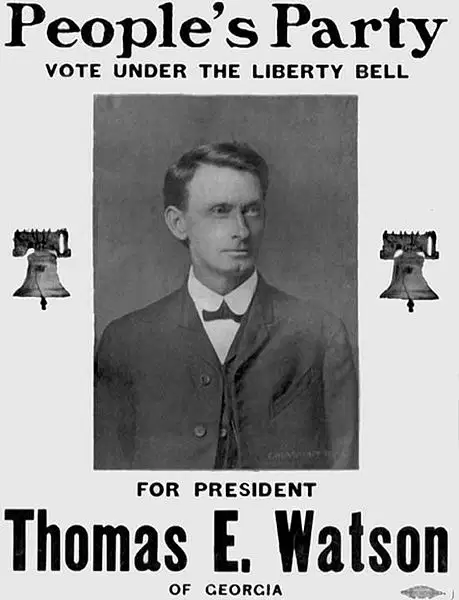
This poster of Thomas E. Watson is from the 1904 Presidential race.
Which group of people would have been MOST LIKELY to support Watson and the Populist Party?
a)
poor farmers
b)
urban professionals
c)
rich industrialists
d)
suburban middle class
11.
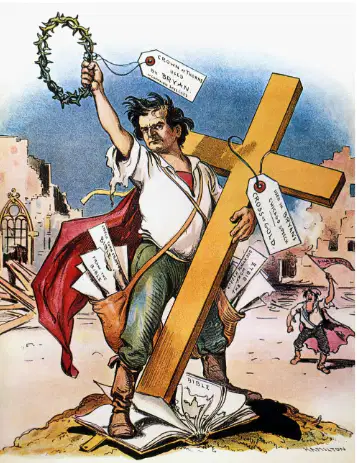
Why did big business oppose the candidacy of William Jennings Bryan in the 1896 presidential election?
a)
Bryan's stance on the gold standard posed a threat to the stability of the currency, which could disrupt business investments.
b)
Bryan's support for protective tariffs threatened international trade agreements.
c)
Bryan's advocacy for labor rights and unionization threatened the stability of industrial production.
d)
Bryan's emphasis on civil rights for minorities conflicted with the racial policies of many business leaders.
100 %

