
 Worksheets
Chp. 17 Reaction and Revolution
Total questions: 33
Worksheet time: 24mins
A desire for small and large ethnic groups to seek independence and defend their interests.
liberalism
nationalism
conservatism
realism

The Austrian foreign minister of affairs that became the leader of the Congress of Vienna.
Charles Talleyrand
Klemens von Metternich
Lord Castlereagh
Alexander I
All of the following were goals of the Congress of Vienna:
Restablish political authority through reinstating the monarchs
Granting territory to the victors of Napoleon
Harshly punishing France with war debts
Maintaing a balance of power through alliances
Affirming the principles of the French Revolution and providing more freedom for the people
Identify some of the reasons why the Congress of Vienna failed to reach its goals.
They did not address the concerns of the people and their desires for freedom
They did not choose to consider the different ethnic groups when redrawing the map
The "Concert of Europe" alliance system did not work for everyone's self interest
The monarchs reinstated across Europe provided a sense of security


Who is NOT a key figure in the Italian Unification movement
Giuseppe Mazzini
Camillo Benso, count di Cavour
Giuseppe Garibaldi
Otto Von Bismark

Who is the most important individual when discussing German Unification?
Otto von Bismark
Albrecht von Roon
Helmuth von Moltke the Elder
Frederick III

Otto von Bismarck created a strong unified German State under Prussian dominance by employing what political strategy of
realpolitik.
machiavellianism.
utopianism.
populism.
The Revolutions of 1848 were -
successful
unsuccessful

The Greek Revolt was successful in giving them independence from the (a) Empire.
The officials sent from Spain and appointed by the crown to direct colonial affairs in Latin America.
peninsulares
caudillos
liberators
governors

A freedom figher known as "the Liberator" who gained independence for Gran Colombia from Spain.
Simon Bolivar
Jose de San Martin
Dom Pedro
Porfirio Diaz
The military leaders who seized power and established dictatorships in Latin America.
peninsulares
caudillos
gureillas
generals

The freedom fighter who fought for the independence of Chile and Peru from Spain.
Simon Bolivar
Jose de San Martin
Dom Pedro
Porfirio Diaz
The nineteenth century belief in inidividual rights, personal freedoms, written constitutions, limited power of rulers, economic freedom, and voting rights.
conservatism
liberalism
realpolitik
nationalism
All of the following are reasons why Latin American colonies had a more difficult time establishing and maintaining self-governing republics:
A powerful, wealthy upper class
State religion of the Roman Catholic Church
Ethnic Disunity
Land of industry and variety of economic resources
The nineteenth century belief in the absolute monarch, nobilty, and Roman Catholic Church of Europe's old order.
conservatism
liberalism
realpolitik
nationalism

The monarch who regained the throne of France after Napoleon's defeat.
Louis XVIII
Louis Phillippe
Louis Napoleon
Charles X
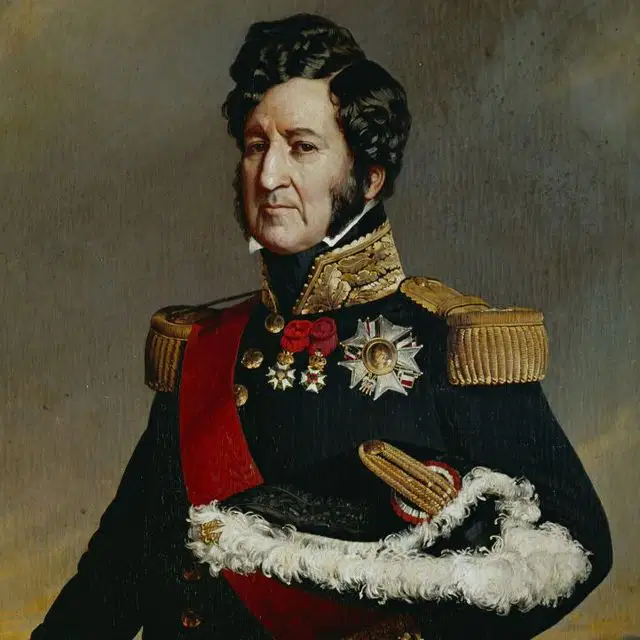
The "citizen king" of France who the people elected after the July Revolution, who later fled to England for favoring the upper classes.
Louis XVIII
Louis Phillippe
Louis Napoleon
Charles X
The Treaty of London gave this country its independence from the Dutch.
Belgium
Prussia
Sardinia
Hungary

Leader of the French government who staged a coup d'etat and made himself emperor of the Second French Empire.
Louis XVIII
Louis Philippe
Louis Napoleon
Charles X
The czar of Russia who prevented uprisings with his policy of "Autocracy, Orthodoxy, and Nationalism".
Alexander I
Nicholas I
Peter I
Franz Josef I
The man primarily responsible for the unifciation of Italy.
Mazzini
Cavour
Garibaldi
Victor Emmanuel II
The leader of the "Red Shirts" who was able to unite southern Italy.
Mazzini
Cavour
Garibaldi
Victor Emmanuel II
The King of Sardinia who was asked to be the first leader of a unified Italy.
Mazzini
Cavour
Garibaldi
Victor Emmanuel II
The Dual Monarchy was a combination of Austria and (a)
The leader of the new Austro-Hungarian Empire was:
Nicholas I
Otto von Bismarck
Franz Josef I
Victor Emmanuel II
The cultural movement of the late 18th and early 19th centuries that gave expresson to the concepts of "liberty, equality, and fraternity."
(a)
All of the following were writers in the Romantic Period of Literature:
James Fenimore Cooper
The Brothers Grimm
Sir Walter Scott
Victor Hugo
Charles Dickens
This composer was known to bridge the gap between the classical and romantic periods of music.
Mozart
Beethoven
Chopin
Tchaikovsky
All of the following are TRUE of romanticism:
It was a reaction against the Age of Reason
Emphasis on originality, over imitation
Sought to follow the rules and depict things realistically
Emphasis on self-fulfillment over the common good
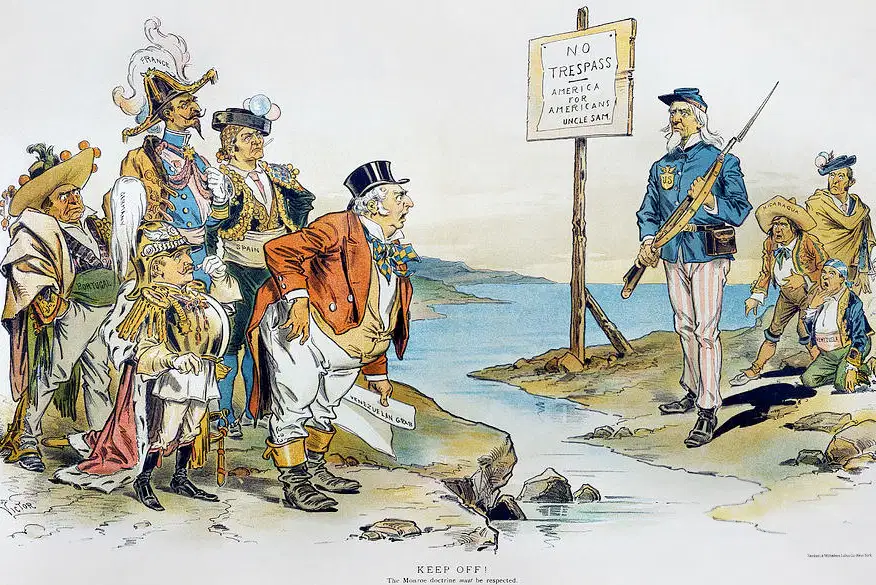
The United States' foreign policy to try and prevent Europe from colonizing or recolonizing the Western Hemisphere.
Treaty of London
Monroe Doctrine
Freedom Plan
Peace of Westphalia

