
 Worksheets
Organization of Life - Summative
Total questions: 25
Worksheet time: 13mins
What Domain and Kingdom does the organism with the following description belong in:
Has a nucleus, has a cell wall made of chitin, is a heterotroph.
Archaea
Bacteria
Eukarya: Plants
Eukarya: Animals
Eukarya: Fungi
What Domain and, if any, Kingdom does the organism with the following description belong in:
Has a nucleus, has a cell wall made of cellulose, is an autotroph.
Archaea
Bacteria
Eukarya: Plants
Eukarya: Animals
Eukarya: Fungi
What Domain and, if any, Kingdom does the organism with the following description belong in:
Has no nucleus, has a cell wall, can be found anywhere.
Archaea
Bacteria
Eukarya: Plants
Eukarya: Animals
Eukarya: Fungi
What Domain and, if any, Kingdom does the organism with the following description belong in:
Has no nucleus, unicellular, can be found in very acidic ponds where other living organisms have a hard time thriving.
Archaea
Bacteria
Eukarya: Plants
Eukarya: Animals
Eukarya: Fungi
What Domain and, if any, Kingdom does the organism with the following description belong in:
Has no nucleus, unicellular, can be found in the deep ocean near volcanic vents.
Archaea
Bacteria
Eukarya: Plants
Eukarya: Animals
Eukarya: Fungi
What Domain and, if any, Kingdom does the organism with the following description belong in:
Has a nucleus, multicellular, and consumes plants like lettuce.
Archaea
Bacteria
Eukarya: Plants
Eukarya: Animals
Eukarya: Fungi

What Domain and, if any, Kingdom does the organism with the following description belong in:
Archaea
Bacteria
Eukarya: Plants
Eukarya: Animals
Eukarya: Fungi

What Domain and, if any, Kingdom does the organism with the following description belong in:
heterotroph, has a cell wall made of chitin
Archaea
Bacteria
Eukarya: Plants
Eukarya: Animals
Eukarya: Fungi
What Domain and, if any, Kingdom does the organism with the following description belong in:
unicellular, heterotroph, does not have a cell wall
Eukarya: Plants
Eukarya: Animals
Eukarya: Fungi
Eukarya: Protista

What Domain and, if any, Kingdom does the organism with the following description belong in:
heterotroph, does not have a cell wall
Eukarya: Plants
Eukarya: Animals
Eukarya: Fungi
Eukarya: Protista
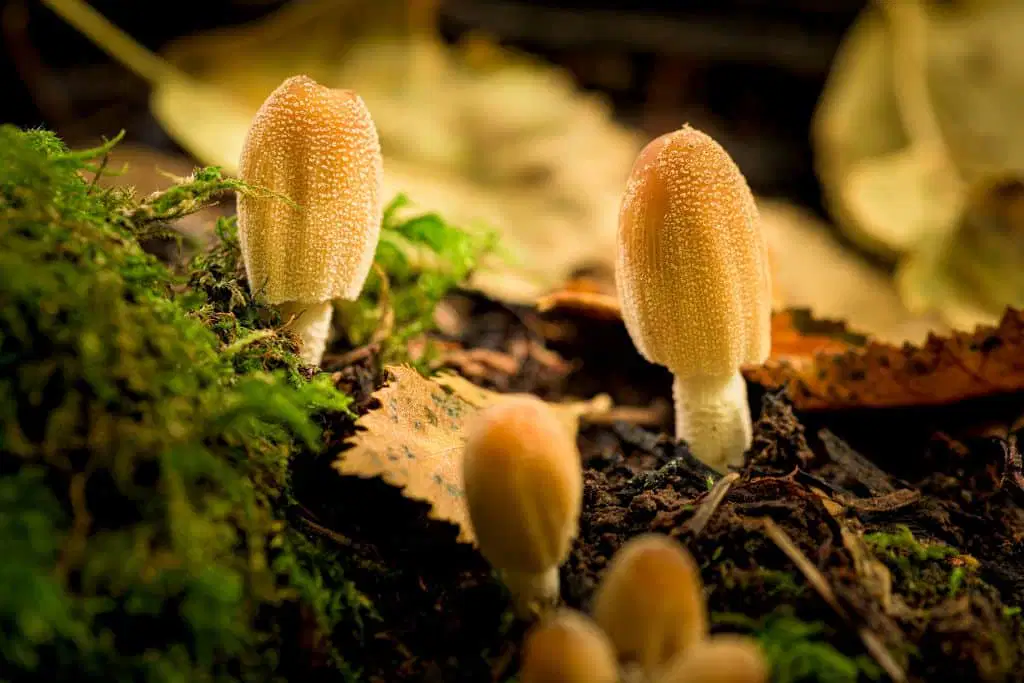
What Domain and, if any, Kingdom does the organism with the following description belong in:
heterotroph, consumes dead organisms, has a cell wall
Eukarya: Plants
Eukarya: Animals
Eukarya: Fungi
Eukarya: Protista

What Domain and, if any, Kingdom does the organism with the following description belong in:
autotroph, multicellular, has a cell wall
Eukarya: Plants
Eukarya: Animals
Eukarya: Fungi
Eukarya: Protista

What Domain and, if any, Kingdom does the organism belong in:
Eukarya: Plants
Eukarya: Animals
Eukarya: Fungi
Eukarya: Protista

What Domain and, if any, Kingdom does the organism belong in:
Eukarya: Plants
Eukarya: Animals
Eukarya: Fungi
Eukarya: Protista

What Domain and, if any, Kingdom does the organism belong in:
Has a cell wall made of cellulose
Eukarya: Plants
Eukarya: Animals
Eukarya: Fungi
Eukarya: Protista
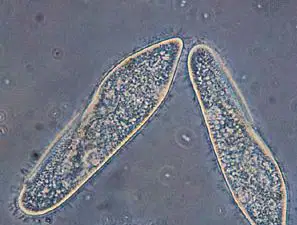
What Domain and, if any, Kingdom does the organism with the following description belong in:
heterotroph, unicellular, has no cell wall, has a nucleus
Eukarya: Plants
Eukarya: Animals
Eukarya: Fungi
Eukarya: Protista

What Domain and, if any, Kingdom does the organism with the following description belong in:
unicellular, has no nucleus, can be found on the surface of everyday objects like tables.
Bacteria
Archaea
Eukarya: Fungi
Eukarya: Protista
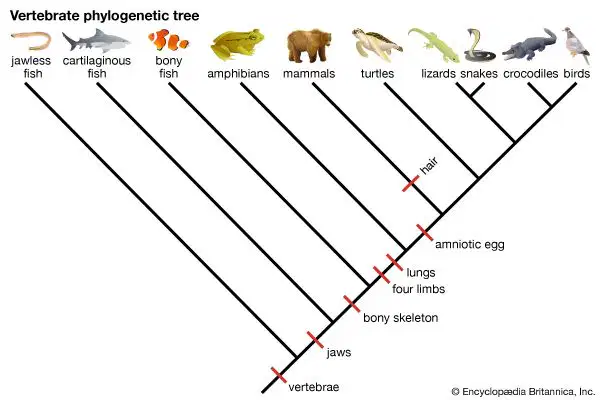
What species is most closely related to the jawless fish?
Cartiliginous Fish
Bony Fish
Amphibians
Turtles
What species is most closely related to the mammals?
Cartiliginous Fish
Bony Fish
Amphibians
Turtles
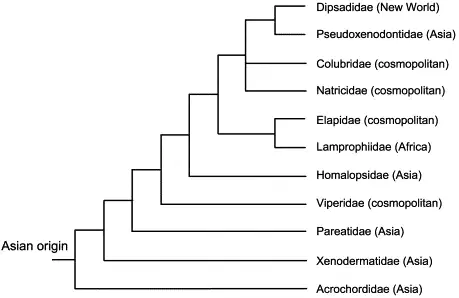
What species is most closely related to the Elapidae?
Dipsadidae
Natricidae
Lamprophiidae
Homalopsidae
What species is most closely related to the Pareatidae?
Dipsadidae
Acrochordidae
Lamprophiidae
Viperidae
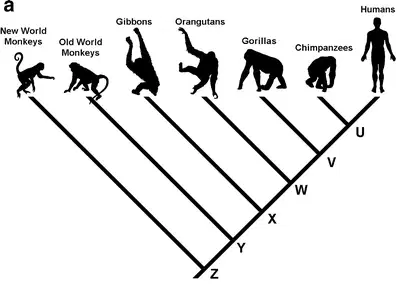
What is the most common recent ancestor between humans and gorillas?
Gibbons
Chimpanzees
V
U
What species is most closely related to the orangutans?
Old World Monkeys
Chimpanzees
Gorillas
Humans
What is the most common recent ancestor between Gibbons and Orangutans?
Y
X
W
Z
What is the difference between a cladogram and a phylogenetic tree?
Cladograms separate species based on observable traits
phylogenetic trees separate species based on observable traits
Cladograms separate species based on genetics
Phylogenetic trees separate species based on genetics

