
 Worksheets
Fossils Quizizz Core 4
Total questions: 22
Worksheet time: 15mins

Most fossils are formed within which kind of rock?
sedimentary
metamorphic
igneous
they form equally in all types of rock
Describes a group of living things that are no longer living.
fossil
extinct
endangered
dinosaur

An animal has sharp, pointy teeth, what can we infer about this animal?
The animal lived in the water
The animal lived near the beach.
The animal is a carnivore.
The animal only ate plants.
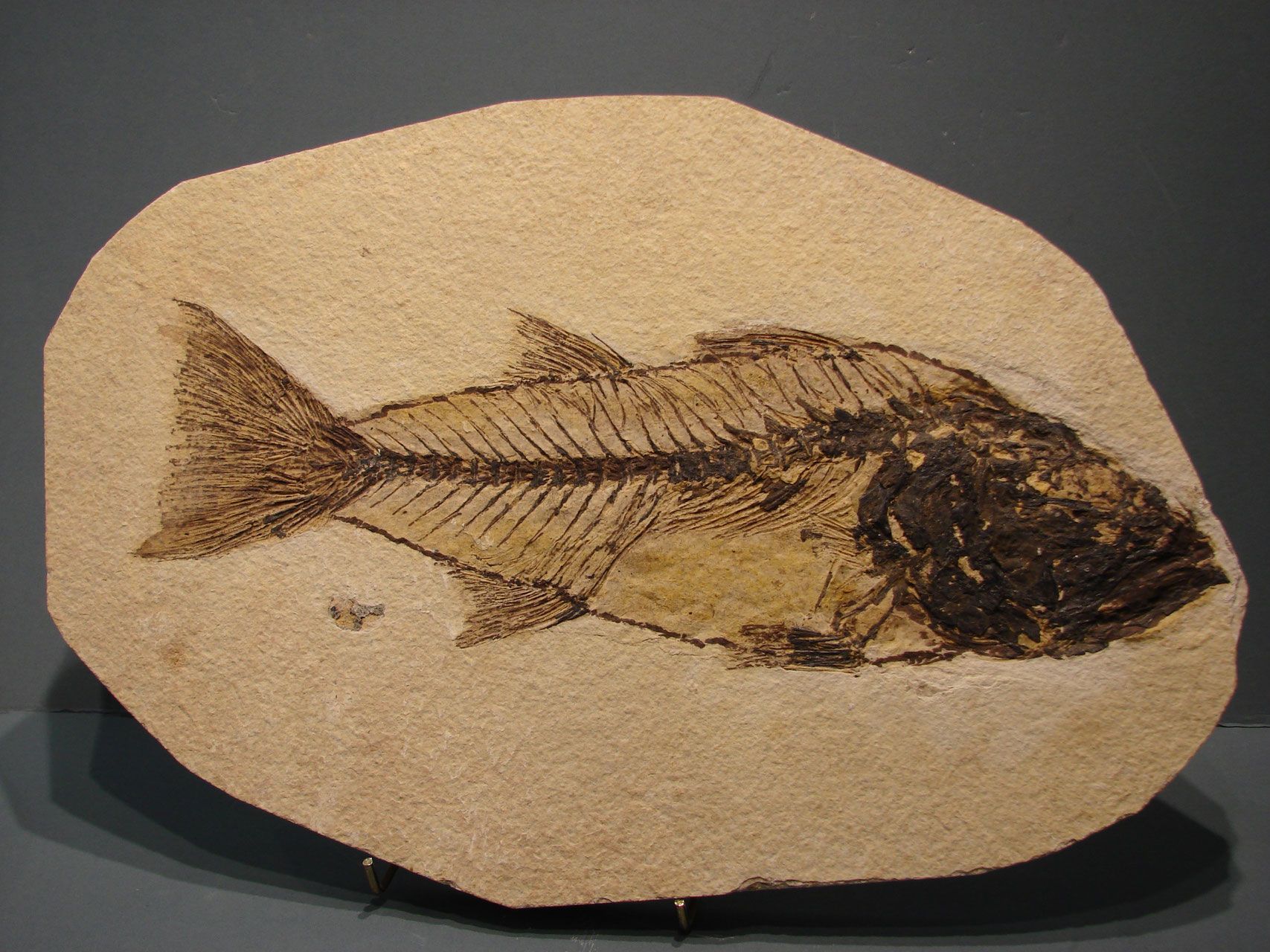
If a scientist found a fish fossil in the desert, what can they infer?
An animal ate the fish.
The water covered the area long ago.
Today's fish looks the same
The fish is endangered.
What replaces the wood of a once-living thing to form petrified wood?
amber
cast
mold
minerals
The hardened remains of a living thing that died long ago.
fossil
extinct
endangered
minerals

Scientist study the ____________________ to learn about the history of life, past environments on Earth, and how different groups of organisms have changed over time.
fossil record
animal record
historical record
Earth record
A fossil of sea shells were found in the Arctic... this most likely means...
the Arctic was once under water
A shell was dropped off by a bird in the Arctic
Shells now form in the Arctic
Wind carried the shell to the Arctic

Scientist cannot tell an animal's ____________ when studying fossils.
size
diet
color
weight
A ______________________ is a scientist who studies fossils.
biologist
chemist
paleontologist
astronomer
Which organism is most likely to become fossilized in the next million years?
a butterfly
a giraffe
an octopus
an earthworm
An insect trapped in amber from a tree-like sap called resin, and a wooly mammoth frozen in ice are examples of?
Preserved Fossils
Mold Fossils
Cast Fossils
Trace Fossils
Most fossils that are found are...
Skin and Hair
Hard Parts like Bones, Teeth, and Shells
Organs


Which is more likely to form a fossil?
a fish because it has bones
a worm because it has skin
a jellyfish because it has tentacles
leaves on a tree because they are green

