
Font size
 Worksheets
H CS - Environmental impact (revision)
Total questions: 22
Worksheet time: 11mins
Which of the following is NOT an example of an intelligent system?
Self-driving vehicles
Rescue robots
Smartphones
Digital assistants

What is one of the benefits of intelligent systems acting on gathered data without human interaction?
Slower responses in crisis situations
Decreased efficiency in resource management
Safer performance of difficult tasks
Increased need for human control
What can smart heating and home systems be controlled with?
A remote control
An app or computer software
A manual thermostat
Voice commands

Imagine a city where every home is equipped with smart heating systems that optimise the use of boilers and radiators. What would be the long-term impact on natural gas consumption?
Increased use of natural gas
No change in natural gas consumption
Overall reduction in the amount of gas necessary to heat homes
Higher electricity bills
Some smart heating systems learn your temperature preferences by (a) .
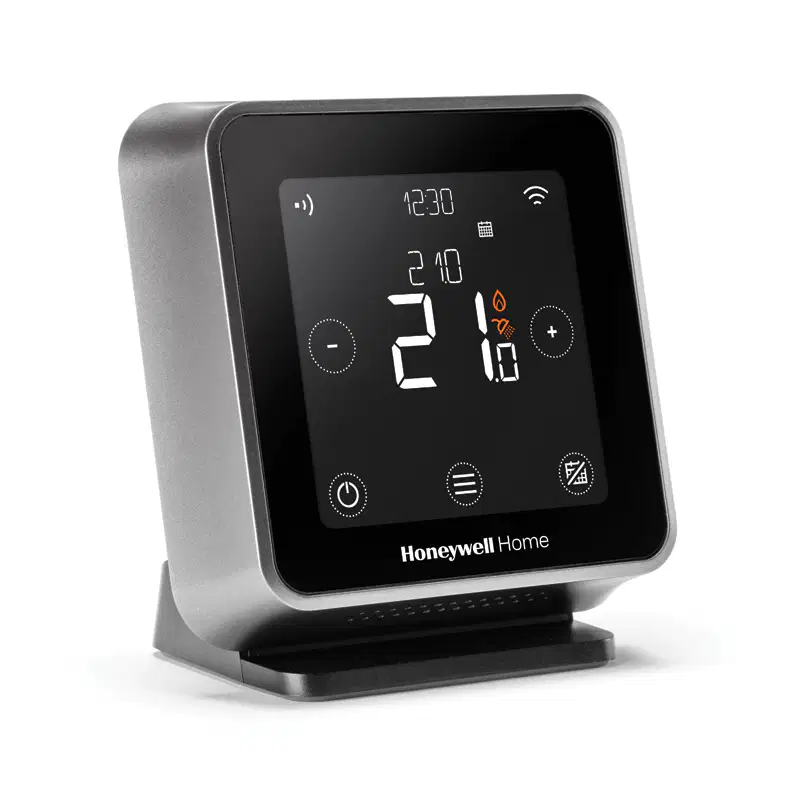
How can the thermostat of a smart heating system be controlled?
By using a remote control
Through a wall-mounted panel
Connected to wi-fi and controlled by an app
It cannot be controlled remotely

Imagine you're on holiday and you forgot to adjust your home's heating system. What is the advantage of having a smart heating system connected to an app on your phone?
It can only be turned off remotely
It allows for temperature control based on weather forecasts
It enables you to turn the heating system off or on depending on whether you are going home
It provides energy consumption statistics only

One purpose of the intelligent traffic control system mentioned in the text is to (a) .
What technology is used in the traffic control system to identify individual vehicles?
GPS tags
Barcodes
Radio frequency identification (RFID) tags
Bluetooth devices

What action does the traffic control system take when an RFID-tagged stolen vehicle is detected?
It shuts down the vehicle immediately.
It sends a message to the vehicle owner.
It sends a message to the police control room.
It increases the green light duration for that path.

How does the traffic control system respond when an ambulance is approaching a junction?
It sends an alert to nearby vehicles.
It turns ON the red light.
It turns ON the green light.
It charges a fee to the ambulance.
What is a debated issue regarding the use of RFID tracking in traffic control systems?
The cost of implementing the system
The effectiveness in reducing traffic
The potential violation of civil rights-privacy
The durability of RFID tags
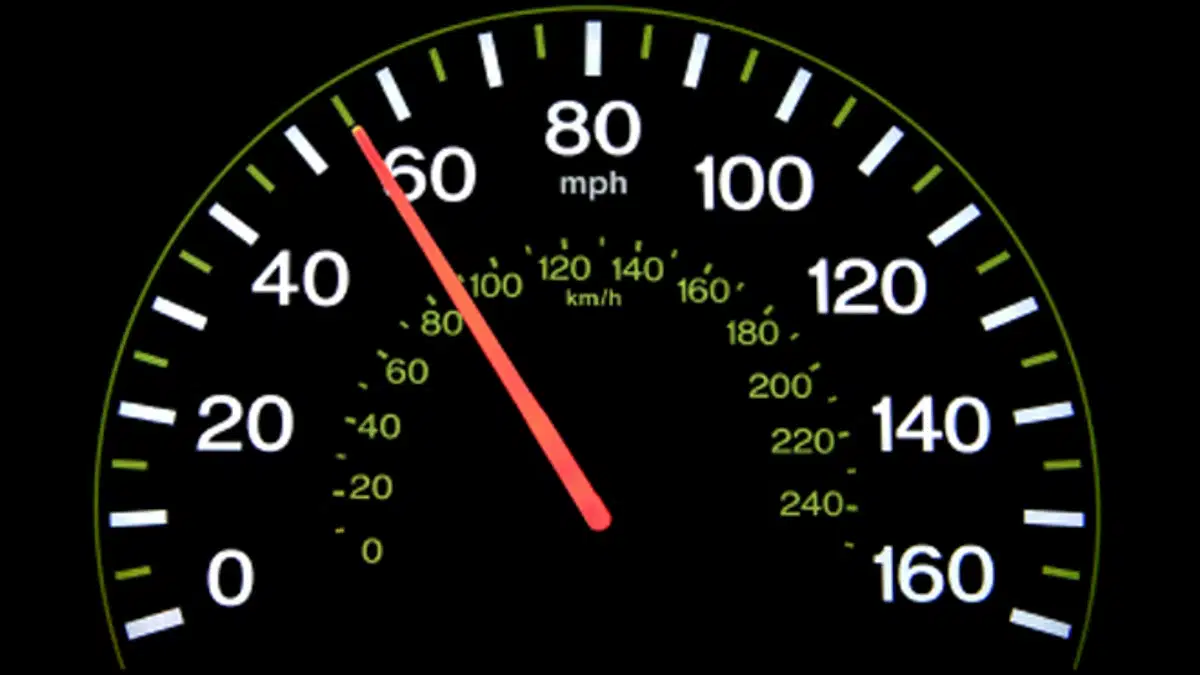
What is the optimum speed range for low fuel consumption and low emissions as mentioned in the text?
25 to 45 miles per hour
45 to 65 miles per hour
65 to 85 miles per hour
85 to 105 miles per hour
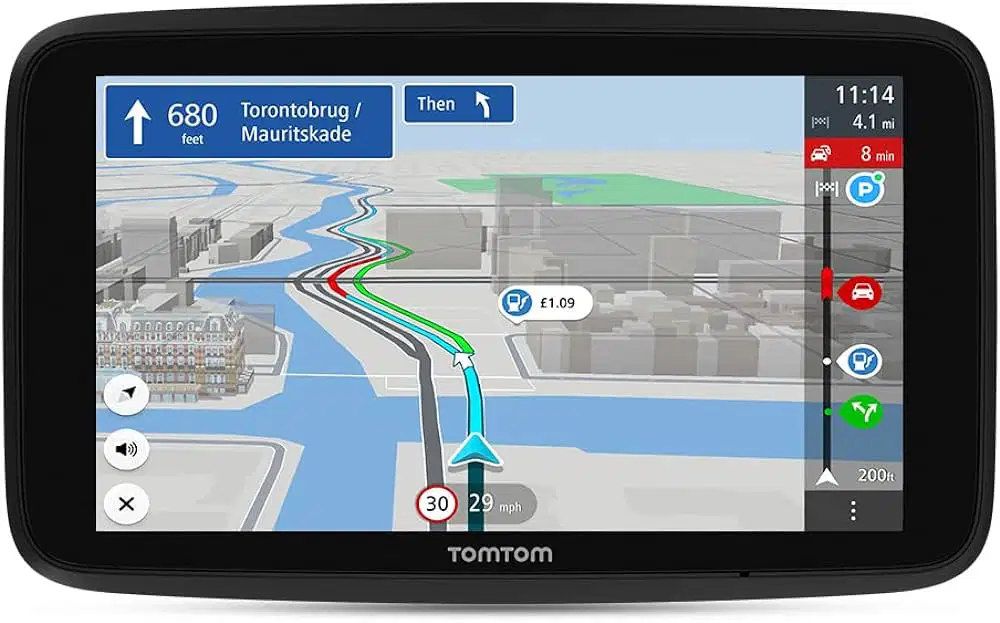
How do cars with individual navigation systems help in traffic control?
By increasing fuel consumption
By using satellite information to guide drivers away from traffic congestion
By stopping frequently in traffic
By accelerating and braking constantly

Which situations lead to vehicles using increased amounts of fuel?
Smooth traffic flow
Frequent stops and starts
Consistent speed
Light traffic
What overall environmental impact does the use of intelligent traffic control systems have?
Increases air pollution
No impact on the environment
Reduces fuel consumption and emissions
Leads to more traffic congestion
What are Car Management Systems designed to do?
Increase the fuel consumption of a car
Find the most economical driving setup for a specific car
Monitor the driver's behavior and report to the insurance company
Play music and videos for entertainment purposes
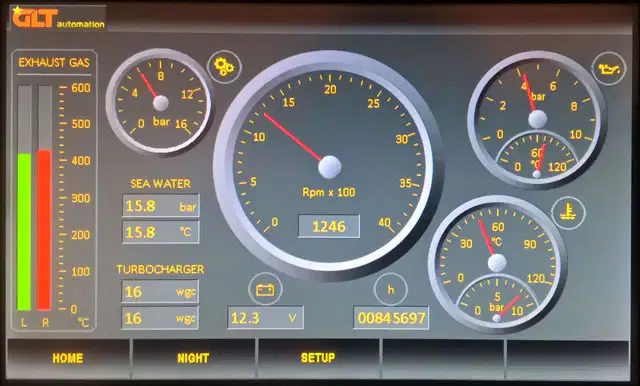
What do sensors in Car Management Systems monitor?
The driver's heart rate
The car's location via GPS
The engine while driving
The number of passengers in the car
What kind of feedback might a driver receive from the onboard computer while driving?
Weather updates
Tyre pressure, oil levels, etc.
Stock market prices
News headlines

How do start-stop systems in cars work?
They stop the car at traffic lights automatically
They shut down the engine when the car is not moving and restart it when the accelerator is pressed
They control the car's speed in traffic jams
They switch the car to electric mode when idling
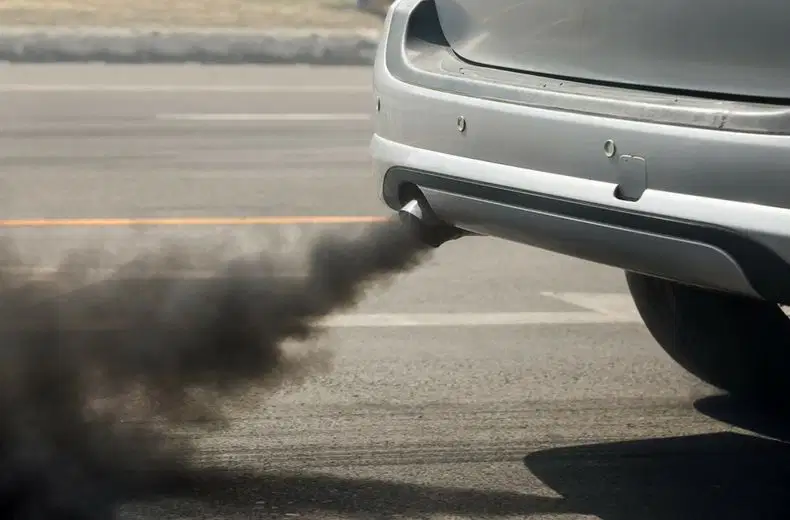
What is the advantage of vehicles with start-stop systems at traffic lights or in traffic jams?
They can change lanes more efficiently
They can navigate through traffic faster
They reduce fuel consumption and emissions by not idling
They alert the driver when to stop and start
What do engine control units use to ensure optimum fuel consumption?
GPS technology
Manual adjustments by the driver
Sensors to control the air/fuel ratio
A special type of fuel

