
 Worksheets
APHG Unit 4.7-4.10 Quiz
Total questions: 43
Worksheet time: 43mins
The process whereby regions within a state demand and gain political strength and growing autonomy at the expense of the central government.
colonialism
Devolution
Imperialism
Nation State
A nation-state that has a centralized government and administration that exercises power equally over all parts of the state
Unitary states
Republic
Democracy
Federal State
A political-territorial system wherein a central government represents the various entities within a nation-state where they have common interests-defense, foreign affairs, and the like-yet allows these various entities to retain their own identities and to have their own laws, policies, and customs in certain spheres.
Federal states
Unitary State
National State
State Nation
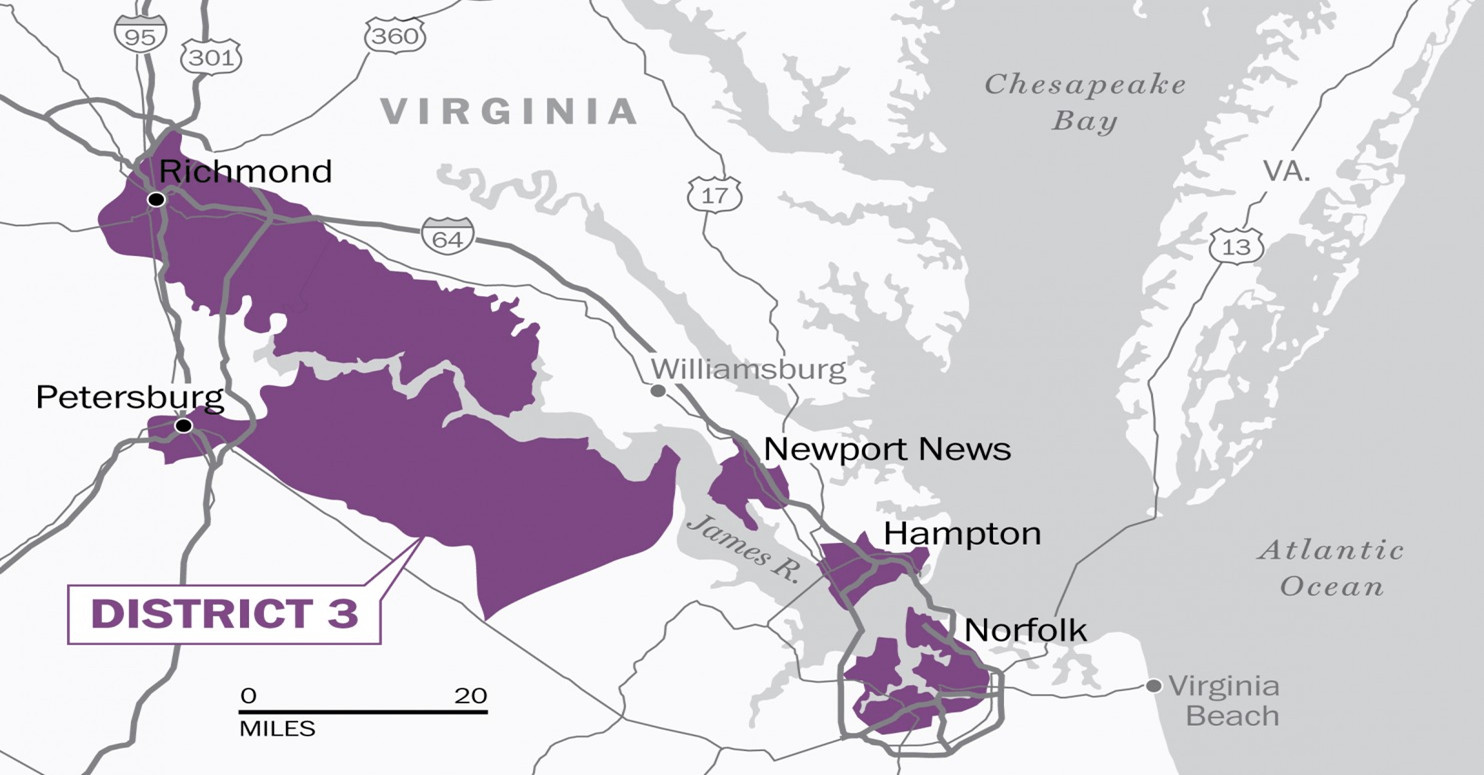
A state with separation of powers and power distributed among central and state governments is likely
Federal
Autocratic
Unitary
Anocratic
A state like France or Great Britain, featuring a strong central government, is likely
Anocratic
Confederal
Federal
Unitary
Which of the following is an example of a centrifugal force within a nation-state?
Strong sense of nationalism
Strong national economy
Separatist movement demanding independence
Economic equality among regions
States with the ability to carry out actions or policies within their borders independently from interference are said to have
Sovereignty
Nationalism
Legitimacy
Integration
Which of the following is NOT a supranational organization?
The U.S. Democratic Party
United Nations
North Atlantic Treaty Organization
African Union
Which of the following is considered a State?
France
Virginia
Hong Kong
Texas
Which of the following is NOT part of the definition of a state?
A common language
An organized economy and circulation system
Political sovereignty
A permanent resident population
Defined boundaries
Which of the following events could be a threat to a state’s sovereignty at the national scale, while holding a region together at the global scale?
A natural disaster such as an earthquake or tsunami occurring within the country
A member of the state’s minority political party being elected to lead the country
Admittance into a supranational organization such as the European Union
Decommitment to environmental resolutions established by the United Nations
A shift from a federal system to a unitary system of governance within the state
The Canadian government created the new territory of Nunavut in order to
re-create the pre-1912 boundary of Quebec
recognize the territorial rights of indigenous people in the area
facilitate the exploration of mineral resources in the Northwest Territories
grant autonomy to the Cree and Mohawk people living in eastern Canada
guarantee Canadian fishing rights in the Atlantic Ocean
When three or more states join in an agreement together ( e.g., politically, economically, etc.) for common purposes (each state gives up some form of sovereignty in the agreement).
Balkanization
Supranationalism
Devolution
Nationalism
The transfer of power from the central government to subnational levels is called
Devolution
Chokepoint
Shaterbelts
Secession
What centrifugal force would best fit the division between Quebec and the rest of Canada?
Language
Religion
Socioeconomic status
Physical geography
Supranational Organizations often lead to increased conflict among member states.
true
false
A state like France or Spain, featuring a strong central government, is likely
Anocratic
Monarchy
Federal
Unitary
A state with separation of powers and power distributed among central and provincial governments is likely
Federal
Autocratic
Unitary
Anocratic
How can communication technology act as an centripetal force?
It could help spread new ideas that may inspire dissent
it could help a state provide a common message that brings people together
It could connect people of different cultures to help create global citizens
All of the following are causes of devolution except:
ethnonationalism
nationalism
physical geography
economic issues

