
 Worksheets
Ecology #1 Review
Total questions: 39
Worksheet time: 40mins
Match each of the elements pictured below as Biotic or Abiotic.

Abiotic

Biotic

Biotic

Abiotic

Abiotic


The phytoplankton are found on trophic level ___, and are ___.
1 ; producers
2 ; consumers
1 ; heterotrophs
3 ; producers
On average, this much energy transfers from prey to predator:
15%
5%
10%
100%

The primary consumer of this energy pyramid is
B
A
D
C
A food web has arrows. The arrow shows:
The direction of energy flow (from predator TO prey)
The direction of energy flow (from prey TO predator)
The biomass at each trophic level
Possible feeding relationships

The organisms represented by X are
A) Decomposers
B) Producers
C) Carnivores
D) Scavengers

Which two organisms are classified as producers?
A) tadpole and worm
B) algae and grass
C) grass and tadpole
D) raccoon and algae
For a producer to maintain itself, which factor
must be present in its environment?
A) carnivores
B) herbivores
C) sunlight
D) parasites
A fruit fly is classified as a consumer rather
than as a producer because it is unable to
A) reproduce asexually
B) synthesize its own food
C) release energy stored in organic molecules
D) remove wastes from its body
Because turkey vultures feed mainly on animals
that they have not killed, they are known as
A) predators
B) scavengers
C) omnivores
D) autotrophs

Which row in the chart below best describes decomposers?
1
2
3
4

Which organisms are primary consumers?
A) grass, mice, and hawks
B) owls, snakes, and hawks
C) seeds, grass, and shrubs
D) songbirds, mice, and rabbits

Which statement most accurately predicts the result
of interfering with populations in the web?
A) Removing the cricket population will have little
effect on the balance of the food web.
B) Removing all the mountain lions from the food
web will benefit the ecosystem.
C) Removing the cricket and rabbit populations
would cause the number of trees to decrease.
D) Removing deer from the food web will affect
the rabbit and grass populations.

Which population would be most immediately affected by the removal of the lizard
population?
A) sedges
B) algae
C) ants
D) centipedes

Which sequence of organisms represents a food chain within this food web?
A) tadpoles —> algae -> daphnia —> back swimmers
B) sedges —> ants —> frogs —> kookaburras
C) algae —> daphnia —> decayed material —> bacteria
D) dragonflies —> sedges —> ants -> centipedes

The largest number of individuals that an environment can support long term is...
carrying capacity
emigration
immigration
population density

What happens if a population grows past its carrying capacity?
The population keeps growing
The population starts to die off
The entire species will go extinct
The carrying capacity just increases
This may cause a population to increase
increase of food supply
removal of predators
removal of disease
all of these

Something that regulates the size of a population is called...
a limiting measure
a limiting factor
carrying capacity
biodiversity

What is the carrying capacity of the graph?
1000
8000
800
600
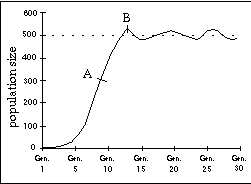
What is the carrying capacity of the graph?
around 500
more than 800
less than 300
around 700
What will happen if all of the frogs in a population die?
The frogs' predators will decrease and the frogs' prey will increase
The frogs' predators will increase and the frogs' prey will decrease
We better all pray because there isn't anymore frogs.
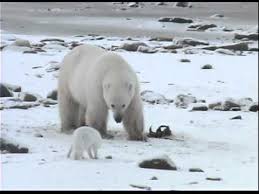
Two arctic fox are fighting with a polar bear for a sea lion carcass. One fox distracts the bear while the other eats. What type of limiting factor is the polar bear?
Predator-Prey Relationships
Competition
Herbivory Effect
Weather
What do you call a close relationship between two different species?
symbiosis
friendship
community
coevolution
Match the following types of relationships to their descriptions:
Both organisms are harmed by fighting over a resource
Competition
One organism benefits at the expense of the other
Parasitism
One organism benefits while the other remains neutral
Commensalism
Both organisms benefit (help each other)
Mutualism
Macaws (a large, tropical bird) have strong beaks that can bit through thick shells. They are messy eaters, often opening nuts and droping them on the ground, leaving them behind. Other animals eat the dropped food. What type of relationship is this?
commensalism
parasitism
mutualism
competition

Aztec ants live in Cecropia trees. The tree provides a home for the ants and the ants protect the tree from herbivores. What kind of relationship is this?
parasitism
mutualism
competition
commensalism
the breaking of habitats into smaller pieces is called...
habitat division
habitat pollution
habitat corruption
habitat fragmentation

