
Font size
 Worksheets
Introduction To Textiles
Total questions: 22
Worksheet time: 11mins
The definition of 'Textiles' is:
The artistic or creative expression of ideas and thoughts through a textile medium.
Many different types of fabric, normally woven, knitted or bonded (non-woven).
The processing of basic fibres into yarns and fabrics.
The process that uses a combination of aesthetic and functional components to create solutions for an intended need.
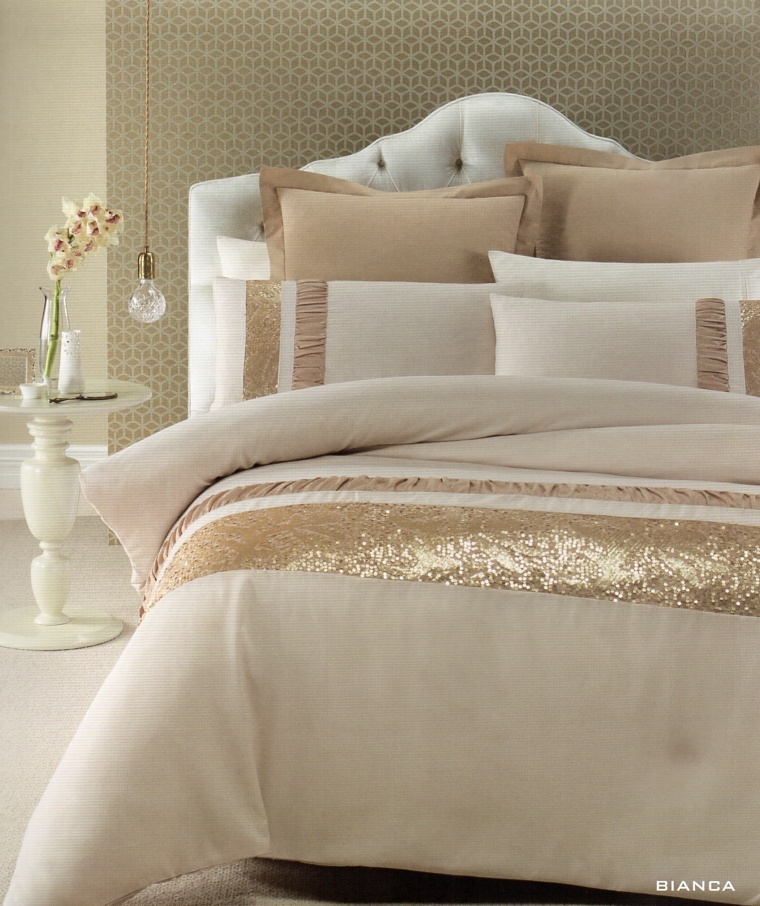
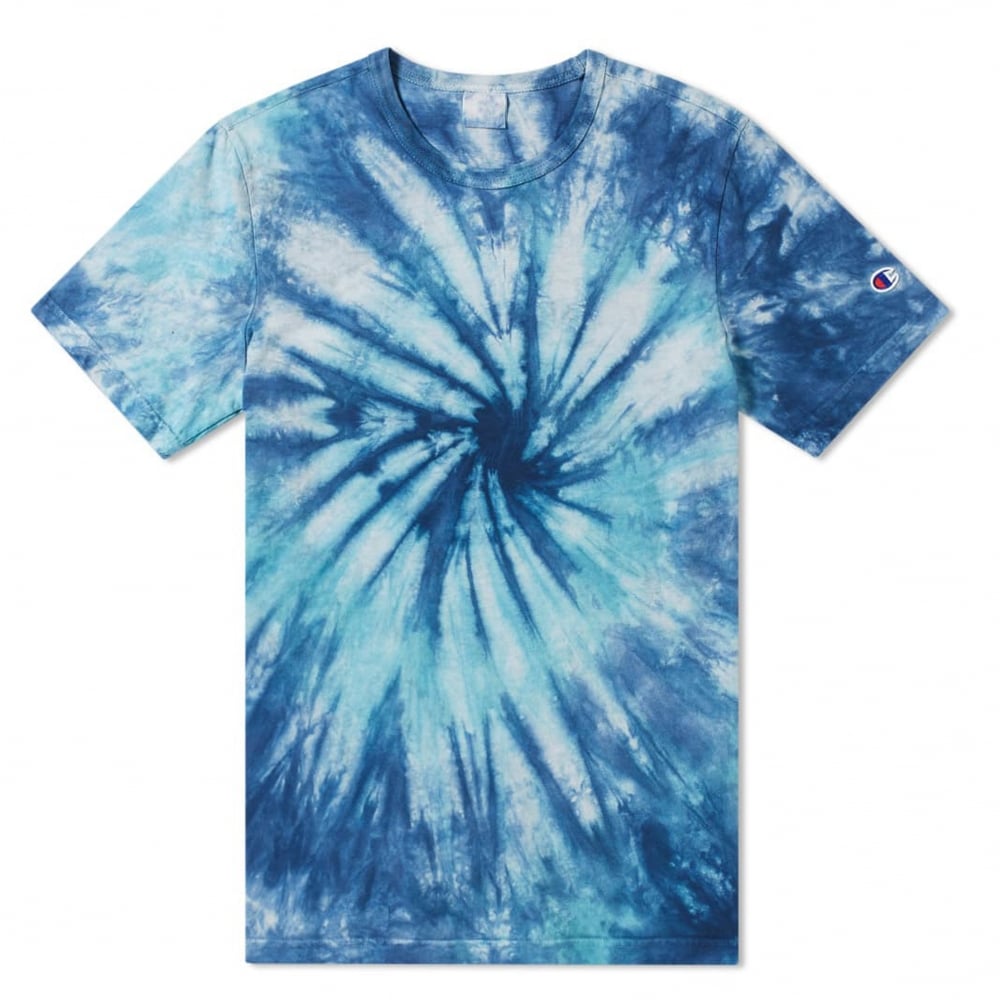
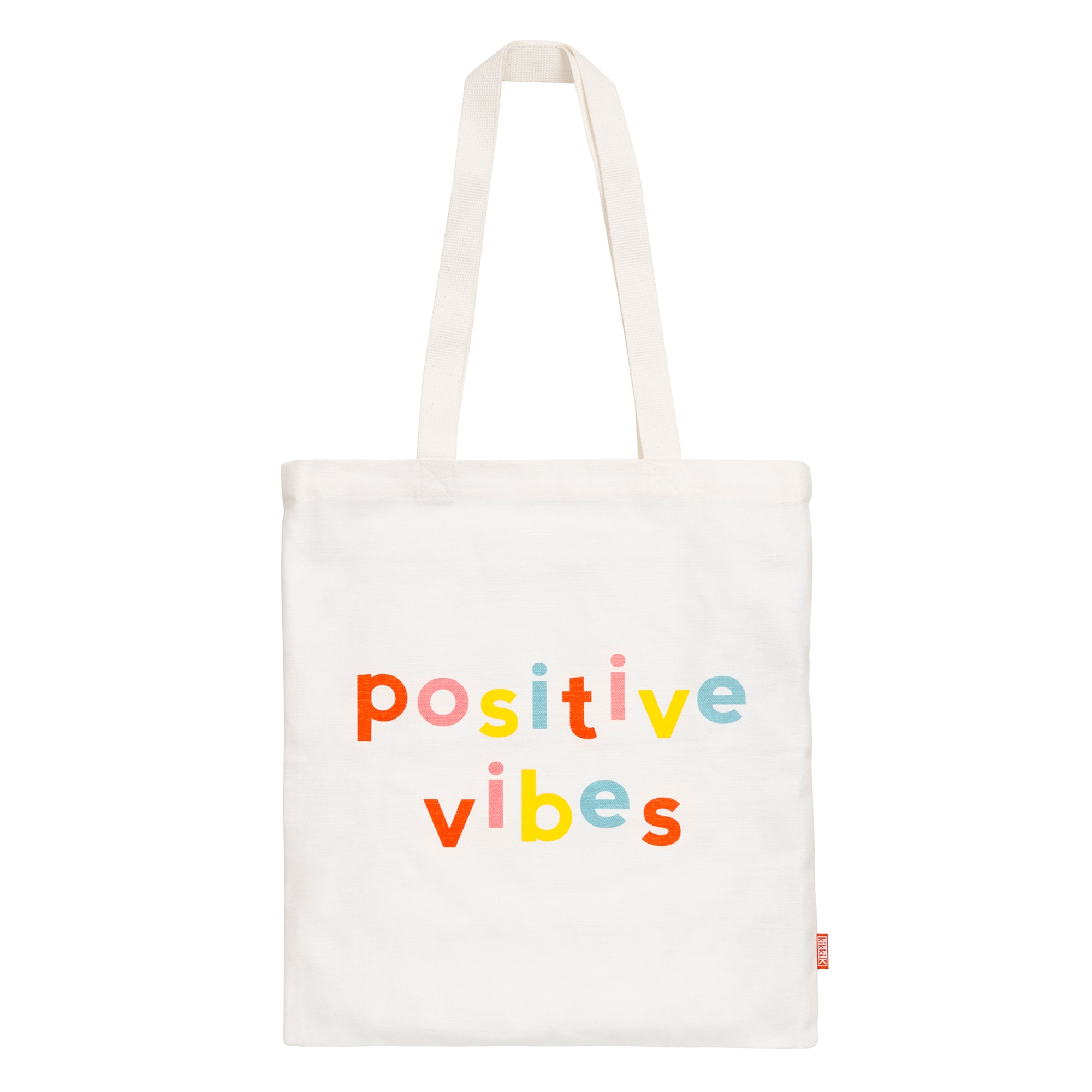
Some examples of textiles include (hint: there is more than one answer for this question):
What is fibre in textiles?
A continuous thread made from fibres
A material or product made from fibres
A threadlike strand used for making yarn
A part of a plant that is good for digestive health
Fibres are the _____________ unit of a textiles fabric. Fibres are hairlike strands which are twisted together to make yarns.
Biggest
Weakest
Smallest
Strongest
Where would you use textiles in a car? (Pick 2)
Roof and Door Lining
Seats
Fuel Tank
Headlamp

Where does silk come from?
Silkworms
Silkmoths
Silkbugs
Silkflies

Where does cotton come from?
Plants
Sheep
Plastic
Rabbits

What are woven fabrics made on
(a)

Yarns are made up of a number of fibres twisted together. The process of making yarns from fibres is called _____________ and makes the yarns strong, smooth and fine.
Twisting
Spinning
Felting
Bonding

Which fibre is sustainable?
Nylon
Cotton
Polyester
Acrylic

The correct method of fabric production is:
Fibre > Yarn > Fabric
Fabric > Fibre > Yarn
Yarn > Fibre > Fabric
Fibre > Fabric > Yarn

Cotton, Wool, Linen and Silk are examples of:
Natural Fibres
Synthetic Fibres

Polyester, Nylon and Acrylic are examples of:
Natural Fibres
Synthetic Fibers

This is a fine, lustrous (shiny) fibre that comes from a cocoon spun by a worm. It is sensitive to heat, sunlight and water spots.
Flax
Silk
Acrylic
Cotton

Which of the following is an advantage of cotton:
Expensive
Stiff
Comfortable
Sparkly

Fibres that form the fleece of a sheep are:
Wool
Cotton
Leather
Nylon
True or False - Wool is a renewable fibre.
True
False
What is fabric?
A continuous thread made from fibres
Any material or product made from fibres
A threadlike strand used for making yarn
A piece of cloth that is made of yarn
What are natural fibers made of? Click all that apply.
Silk worms
Animals
Plants
Wood chips
Oil
Natural fibres collected from animals and plants are made into yarn by spinning them together to produce long strands
True
False
Manufacture fibres are made from? Click all that apply.
Wood chip
Chemicals
Oil
Petrochemicals
Where can you find what kind of fabric on your clothes. Choose the best answer.
On your docket
A care lable
Near the neck of your top
By feeling the fabric and looking at its qualities

