wayground logo

Free Printable Worksheets

Font size

S
M
L
XL
Worksheets

5th Grade Review Ecosystem 2

Total questions: 37

Worksheet time: 29mins
Name
Class
Date
1.
Survival of the Fittest and Evolution were proposed by what scientist?
a)
Charles Darwin
b)
Albert Einstein
c)
Steven Hawking
d)
Isaac Newton
2.
Where the better adapted organisms survive to pass traits along to offspring.
a)
Evolution
b)
Natural Selection
c)
Extinction
d)
Artifical Selection
3.
Why are advantageous traits more likely to be passed onto offspring?
a)
Because they are more likely to survive and reproduce.
b)
Because they come from dominant alleles.
c)
Because they come from recessive alleles.
d)
Because the trait is an acquired phenotype.
4.
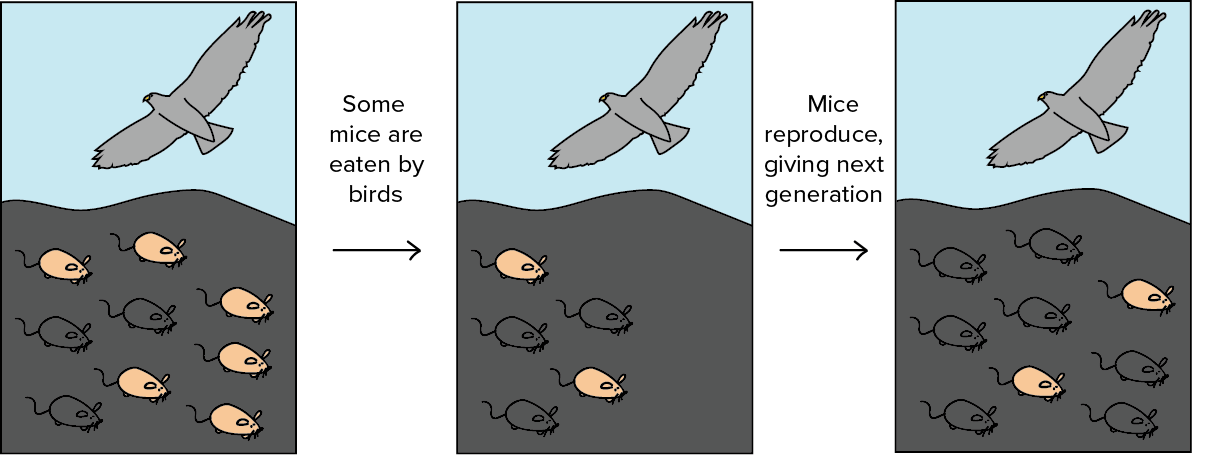
Why is the mouse population changing over time?
a)
The light mice can reproduce more successfully than the dark mice
b)
The hawks eat more dark mice than light mice because the dark mice taste better
c)
The hawks eat more light mice than dark mice because they can see the light mice more easily
d)
The hawks eat more dark mice than light mice because they can see the dark mice more easily
5.

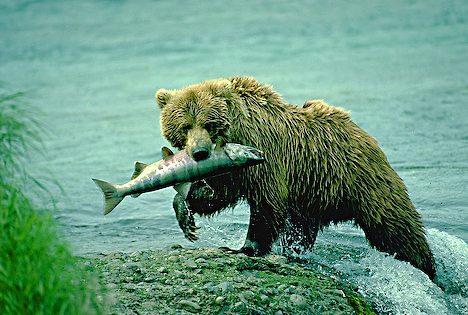
A grizzly bear survives because he is well-adapted to his environment. When he reproduces he passes on those traits to his offspring. this process is called

a)

Natural Selection

b)

Selective Breeding

c)

Random mutations

d)

Variations in a species

6.
The theory of evolution by natural selection means that what is changing over time?
a)
The inherited traits of a population.
b)
The acquired traits of a population.
c)
Hair color and eye color
d)
Attractive features.
7.

What word describes a trait or behavior that helps an organism survive in its environment?

a)

natural selection

b)

mutation

c)

camouflage

d)

adaptation

8.
Which organisms are most likely to survive?
a)
the best adapted
b)
the fastest
c)
the strongest
d)
the most domesticated (tamed)
9.
Do organisms "decide" to evolve and change?
a)
Yes, they know they need to change to survive 
b)
No, they change because of natural selection
10.
The differences among a species, like different bird beaks, are called
a)
genes.
b)
variations.
c)
traits.
d)
theories.
11.
When every organism of a given species has died
a)
Natural Selection
b)
Homeostasis
c)
Extinction
d)
Selective Breeding
12.
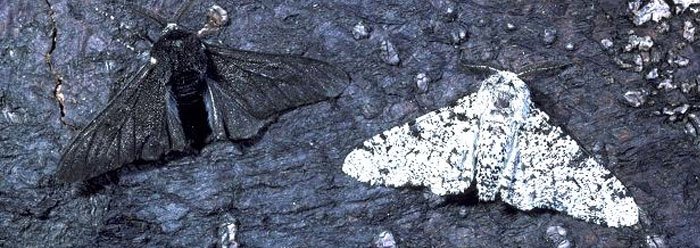
The trees these moths used to live on were white, but have been covered in soot from coal factories. Which moth will be more successful in this environment?
a)
Dark moth
b)
Light moth
c)
Both will be equally successful
d)
Neither will be successful
13.
Why is the mouse population changing over time?
a)
The light mice can reproduce more successfully than the dark mice
b)
The hawks eat more dark mice than light mice because the dark mice taste better
c)
The hawks eat more light mice than dark mice because they can see the light mice more easily
d)
The hawks eat more dark mice than light mice because they can see the dark mice more easily
14.
Another word for adapt is ____________.
a)
change
b)
create
15.
Cattle egrets forage (feed) in fields among cattle. The egret gets easy access to flying insects stirred up by the cattle, and the cattle don't care if they are there or not.
a)
mutualism
b)
commensalism
c)
competition
d)
parasitism
16.
A relationship between two organisms in which one organism benefits and the other is unharmed...
a)
Mutualism 
b)
Competition
c)
Parasitsm 
d)
Commensalism 
17.

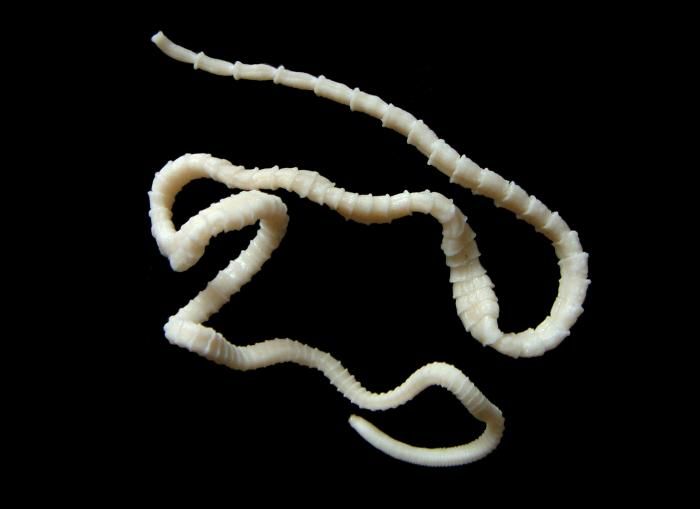
A tapeworm lives in the intestine of a cat absorbing nutrients through its skin. A tapeworm and a cat have this type of relationship.

a)

mutualism

b)

parasitism

c)

commensalism

d)

competition

18.
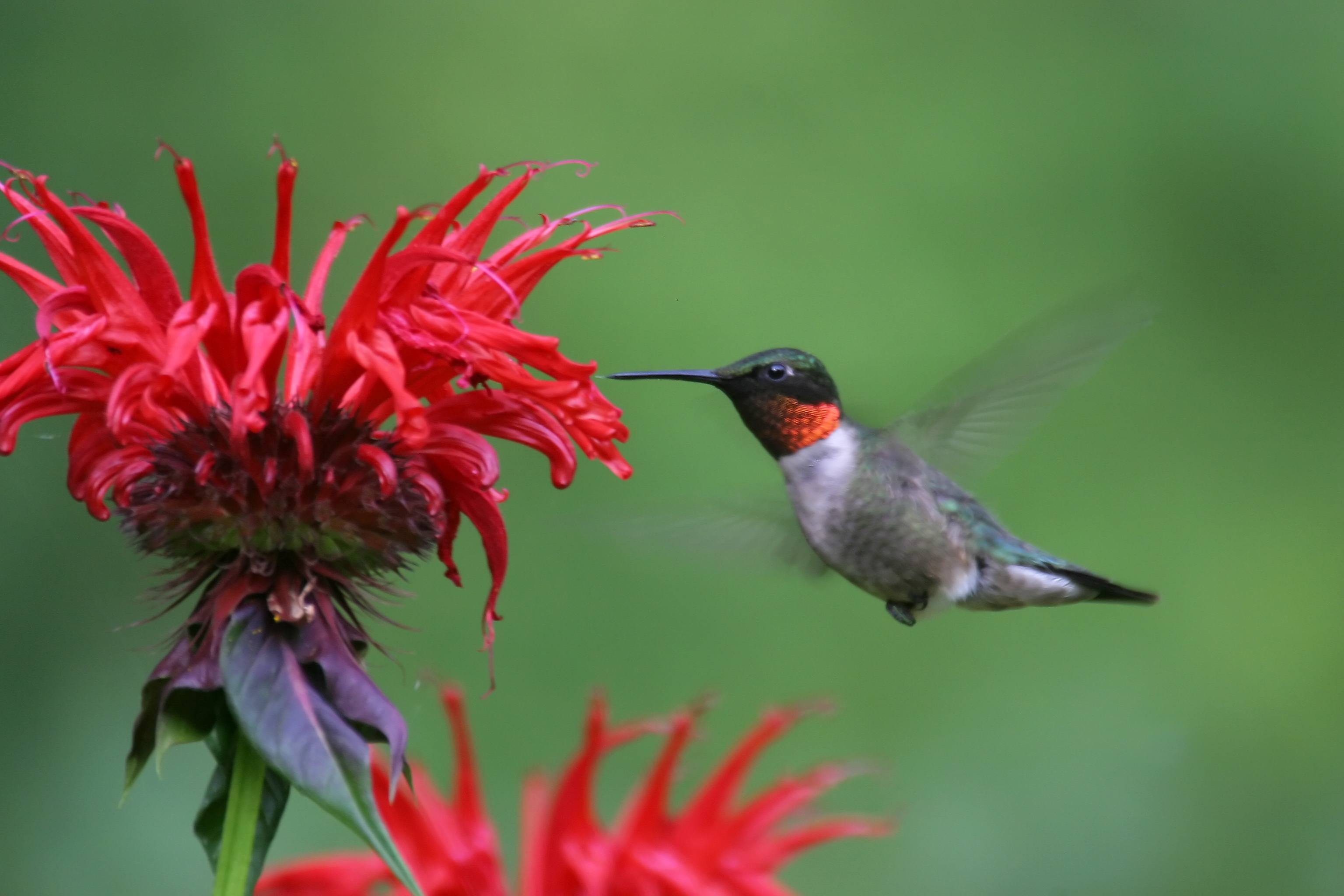
What type of symbiosis?  Hummingbirds feed on nectar from flowers.  The flowers are pollinated by hummingbirds as they move from flower to flower.
a)
commensalism
b)
mutualism
c)
parasitism
d)
predation
19.
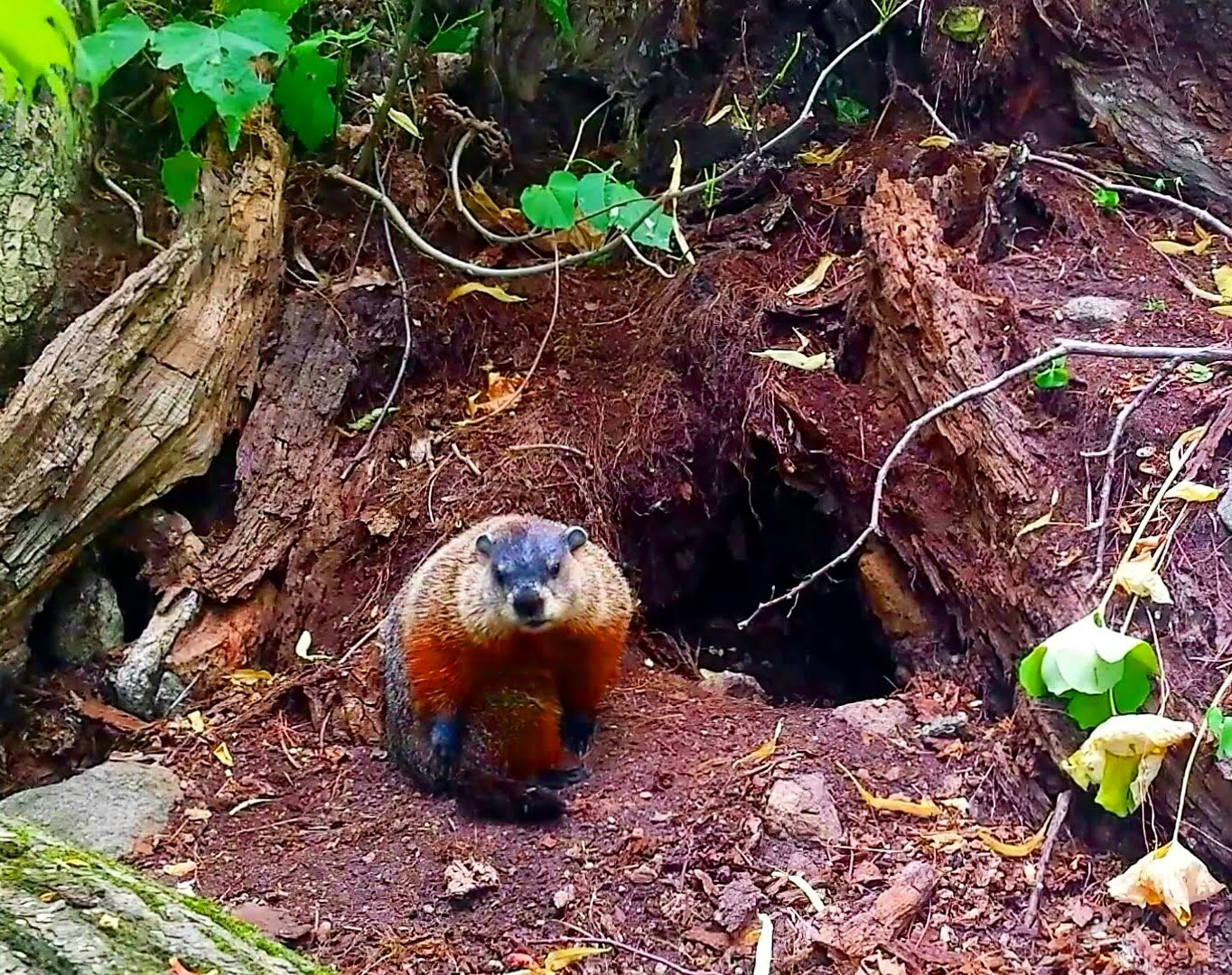
What type of symbiosis?  Skunks often live in burrows that have been dug and abandoned by woodchucks.  
a)
commensalism
b)
mutualism
c)
parasitism
d)
predation
20.
A relationship between two organisms in which both organisms benefit. 
a)
Mutualism 
b)
Competition
c)
Parasitsm 
d)
Commensalism 
21.
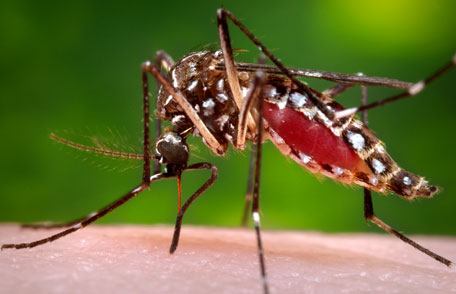
When a mosquito bites you, you are the __________ and the mosquito is the  ____________.
a)
host, hostess
b)
parasite, host
c)
host, parasite
d)
prey, predator
22.
When a mosquito bites you, you are the __________ and the mosquito is the  ____________.
a)
host, hostess
b)
parasite, host
c)
host, parasite
d)
prey, predator
23.

Clown fish live among anemones, acting as a lure for the sea anemone's prey. The clown fish get protection and shelter from the anemone. This is an example of which type of symbiosis?

a)

Commensalism

b)

Mutualism

c)

Parasitism

24.

A bee and a flower work together to benefit each other. This is an example of a ______. The bee helps the flower by pollinating it and the flower helps the bee by providing it with nectar.

a)

commensalistic relationship

b)

parasitic relationship

c)

mutualistic relationship

25.
Which of he following interactions demonstrates a PARASITIC relationship?
a)
A mosquito sucking blood from a warm blooded animal.
b)
A group of baby otters floating together to help warm each other in the cold waters.
c)
Many fish swimming together to protect each other from predators.
d)
Two hyenas fighting over a female to mate with.
26.
A bird makes a nest in a tree.  The bird gets a house, but the tree is unharmed.
a)
Commensalism
b)
Mutualism
c)
Parasitism
27.
Birds eat the flies off of a rhino's back in the savannah
a)
commensalism
b)
Mutualism
c)
parasitism
28.

Which type of adaptation is show in the image?

a)

mimicry

b)

camouflage

29.

Which type of adaptation is show in the image?

a)

camouflage

b)

mimicry

30.

Which type of adaptation is show in the image?

a)

camouflage

b)

mimicry

31.

If an animal hides by looking like another living thing, which adaptation does it have?

a)

feathers

b)

mimicry

c)

camouflage

d)

blubber

32.

If an animal can blend in to its environment, which adaptation does it have?

a)

sharp eyesight

b)

mimicry

c)

camouflage

d)

feathers

33.

What adaptations would this animal have?

a)

It is nocturnal.

b)

It has large ears to keep it cool.

c)

It has sharp talons.

d)

It has blubber.

34.

What are two adaptations this animal has to help it survive in the desert?

a)

It is camouflaged to protect it from predators.

b)

It has strong back legs to help it escape from predators.

c)

Its large ears act as air conditioning to keep it cool.

d)

It is a carnivore.

35.

What do the ptarmigan, arctic fox, and polar bear all have in common?

a)

They all have adaptations for life in the arctic.

b)

They all have mimicry.

c)

They all have blubber to keep them warm.

d)

They all have waterproof fur.

36.

The original source of energy for a food web is...

Answer choices

a)

Plants

b)

Sun

c)

Decomposers

d)

Produceurs

37.

Decomposers get energy from...

a)

the Sun

b)

eating plants

c)

eating animals

d)

dead things and waste