
 Worksheets
Management Theory
Total questions: 195
Worksheet time: 3hrs 46mins
Which of the following are keys to model training?
Data Preparation
Data Management
Data Handling
Data Diversion
Multiple machine learning models can together improve the results. What kind of learning is this?
Collective Learning
Symbiotic Learning
Ensemble Learning
More Learning
Who contains resources for exploring, transforming, and managing data in Azure ML.
Datasets
Datastores
The data management process, includes...
The use of datastores and datasets
Data importing
Versioning
How to monitor for data drift
Which of the following could not be a feature of a T-Shirt
Medium
Colour
Size
None of the above
Which of these could be steps of feature engineering?
Derive new features on the basis of existing features
Applying a mathematical function to a pre-existing feature
Training a separate ML model to create new features
Fetching more data with wider set of features
Which dataset is supported in Microsoft Azure?
Tabular Dataset
Web URL (File Dataset)
Graph Based Data set
Folder Based Data set
Data Wrangling is ___________ process.
Done according to performance, An iterative
Done only once, non-iterative
Datasets helps in seamless integration with numerous machine learning task, such as:
Consummation of Datastores in automated processes
Data labelling
Monitoring issues like data drift
Access of datastore through inference process
Identify the correct sequence.
Dataset Monitor -> Datastore -> Dataset
Datastore -> Dataset Monitor -> Dataset
Data Store -> Dataset -> Dataset Monitor
In which technique in ML is use to decrease number of features
Feature deduction
Feature subtraction
Feature reduction
Deep learning depends on feature engineering much more than Classical machine learning.
True
False
what's the potential benefits of feature engineering
Smaller trained model
Increased model accuracy
Smaller space taken by model
Faster training time
Driving a Boolean value from each entity is called
Part-of
Binning
Flagging
Aggregation
A change in user behavior over time is
Data quality issue
Covariate shift
Natural drift in data
Upstream process change
Two features that used to be correlated are no longer correlated is called
Data quality issue
Covariate shift
Natural drift in data
Upstream process change
Missing values imputation comes under
Data Cleansing
Data restructuring
Data discovery
Data exploration
Data used to check the performance of the final, fully trained model.
Train data
Test data
Hyper parameters
Validation data
The centralized place for working with all the components of the machine learning process
Model registry
Experiments
Workspace
Compute Instance
Classify an image as one (and only one) of five possible types of birds.
Multi-class single label classification
Multi-class multi label classification
Binary classification
True or False: Communication is more than just talking face to face?
True
False
What is Body Language?
Postures, gestures, and facial expressions.
The exchange of information through the use of words.
Your words say one thing but your body language say another.
Speak from your point of view.
Good listening skills include what?
Smiling and waving at people
Yelling loud at people
Writing in slang.
None the above.
The exchange of information through the use of words or actions is
Active listening
Body language
Communication
Aggressive
Which of the following is considered a speaking skill?
Make clear, simple statements
Paying attention
Rereading your words before you send a message
Which of the following is considered a listening skill?
Thinking before you speak
Writing clear, simple statements
Paying attention

Two types of communication are:
Verbs and Nouns
Verbal and information
Verbal and non-verbal
Happy and sad

An example of verbal communication is:
Phone conversation
Posture
Eye contact
Writing an email
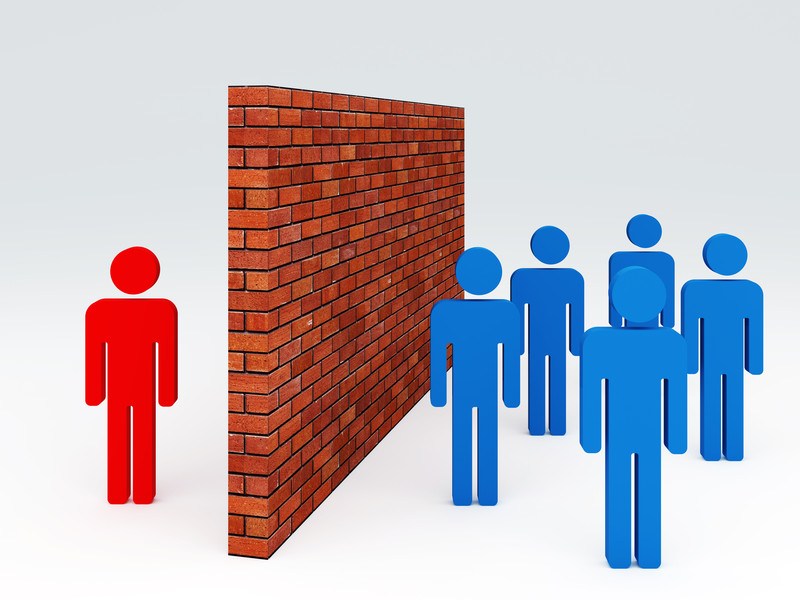
Which of the following is a barrier to communication?
Message is not clear
Not listening
Lack of language skills
All of the above

Which is NOT important in effective communication?
Wearing a red tie
Making eye contact
Using appropriate body language
Using the appropriate tone

A good, clear speaker…
Understands what he/she wants to say
Considers the audience and the setting
Checks to assure understanding, and listens to responses
All of the above
What's the favourite drink of India?
coffee
tea
milk
What's the name of India's film industry?
Dollywood
Hollywood
Bollywood
India is the only country in the world where
both lions and tigers live.
both cats and dogs live.
both lions and elephants live.
People in India greet each other by saying...
Hān
Namaste
Dhanyavāda
Which monument was built as a tomb for an emperor's wife?
Mysore Palace
Taj Mahal
Jantar Mantar
Jamma Masjid
Which of the following is not a part of Management function
Directing
Planning
Delegating
Controlling
Creating company mission statement is
Planning
Controlling
Organising
Staffing
A manager engaged in the managerial function of______is monitoring progress toward goal achievement and taking corrective action when needed
Motivating
Planning
Controlling
Coordinating
Art of getting things done through others
Planning
Management
Controlling
MoraleStaffing
Which of the following tend to be least important to the success of lower level management
Decisions skills
Human skills
Conceptual skills
Technical skills
Management as a profession has which of the features
well defined and systematised knowledge
Service motive
Code of conduct
All of the above
Select various skills required by a manager
Technical
Human
Conceptual
Management is defined as the organizational function of using all available resources efficiently to achieve the best possible returns.
True
False
Which function in management involves monitoring improvements and taking corrective actions whenever needed?
Planning
Organizing
Leadership
Controlling
Whose responsibility is it to set objectives that are consistent with an organisation's objectives as well as plan and implement the objectives?
top management
middle management
lower level mangement
team leader
Businesses and enterprises operate in different sectors, which are based on stage of final product / service and skills required. These are (Choose your answers from the list)
Primary
Secondary
Tertiary
Quaternary
Pentagon
The primary sector is the one that uses the raw material extracted or grown. This first stage of production
True
False
Examples of primary sector are farming and mining
True
False
The secondary sector uses the raw materials extracted and grown to make/ transform products which are then sold to consumers and other businesses.
True
False
Tertiary sector provides services such as transport, education and retail i.e. in tertiary sector products are sold to consumers and other businesses
True
False
Quaternary sector provides information services to customers such as IT consultancy, data analytics, R&D and media. The people working in quaternary sector are highly skilled
True
False
Scope of business refers to number of employees it has and will be micro, small, medium or large
True
False
The business operations defined by area such as local, national, international are categorized as being defined by
Size
Scope
Space
Sequence
Local refers to businesses operating and serving customers with in 20 mile radius
True
False
A business has customers in all regions of the UK. What is the scope of this business?
Local
National
International
Difference between business management and entrepreneurship is an entrepreneur's capacity and willingness to take risk and innovate to establish, run and manage a business
True
False
A business set up to provide founder with enough income to enjoy the quality of the life they desire and provide flexibility are called
Start ups
Lifestyle Businesses
Social Enterprises
Franchises
Businesses that trade to intentionally tackle social problems, improve communities, provide people access to employment and training, or help the environment are called
Start ups
Lifestyle enterprises
Social enterprises
Franchises
A business that is set up when the owner allows other people to use the name and branding of an established business are called ....................... and are effectively the agent of established business
Start ups
Lifestyle enterprises
Social enterprises
Franchises
A franchisor pays a fee to a franchisee and acts as its agent to use name and branding of an established business.
True
False
Luisa left university and wanted a career as travel writer. She soon realized this job was virtually impossible but her heart was set on travelling, managing her own future and earning enough money to sustain this way of life. She now combines writing, teaching and managing a band and this allows her the flexibility to travel and work. Choose the answer(s) from below
Start up
Lifestyle enterprise
Social Enterprise
Franchise
Attaining success in a consultancy journey is a combination of three factors. These are:
Functional + Organizational prowess + EQ in client management
Functional + Documentation prowess + EQ in client management
Functional + Technical prowess + EQ in client management
Functional + Communication skills + EQ in client management
It is NOT okay to have ‘just enough’ knowledge of the business. As integration consultants, complete familiarization of industry jargons is needed.
TRUE
FALSE
In a project kick off, establishing our competency is encouraged by exercising the following except:
Research the functional / Birds eye view of the project. Read SoW / reading materials 100x.
Research systems involved (beyond schema) as deep as you can.
Learn and observe the project roles, stakeholders. Invest time observing tendencies, behaviors, character, influence.
Based on your research alone, exhibit mastery of the end to end and avoid asking further questions to impress the client.
Communication between stakeholders and counterparts is NOT within the scope of a competent software engineer/consultant.
TRUE
FALSE
Which of the following exhibits a consultative mindset.
A. “I don’t think constant back and forth with the client for feedback is necessary”.
B. “Ben presented an outdated data, but I might cause a scene if I raise it. I’ll leave it for now.”
C. “Hi, Kara! I noticed we might have missed something crucial in this API, can we revisit our design again?”
D. “The client shut off my suggestion last time. I shouldn't offer any suggestions moving forward.”
Based on the presentation, what will you gain from improving your consultative mindset?
A. Broader Outlook, Morale Boost, Chance to Practice Soft Skills
B. Broader Outlook, Morale Boost, Chance to Practice Tech Skills
C. Broader Outlook, Morale Boost, Chance to Practice Mulesoft Skills
D. Broader Outlook, Morale Boost, Chance to Practice Salesforce Skills
Which would most likely result in delay, rework and defects during testing?
A. Lack of foresight at analysis phase / beginning.
B. Lack of MUnit scenarios
C. Lack of follow-ups with the client
D. Lack of details in Logging implementation
_______ mindset should be actively cultivated and practice to deliver effectively in a project as Integration Experts.
A. Administrative
B. Deep
C. Consultative
D. Collaborative
What are the Five Project Management Process Groups in order?
Initiating, Planning, Monitoring & Controlling, Executing, and Closing.
Initiating, Monitoring & controlling, Planning, Executing, and Closing
Initiating, Executing, Planning, Monitoring & Controlling, and Closing
Initiating, Planning, Executing, Monitoring & Controlling. and Closing
You are a Project Manager currently. You have finalized the list of Stakeholders. Which Process Group are you working in?
Planning
Executing
Monitoring & controlling
Initiating
Full form of CSM is ?
Client Success Manager
Customer Success Manager
Customer Success Management
Client Success Management
No charges are associated with any complex integration requests
True
False
CCDA Stands for
common clinical document architecture
A project Phase is always
Dynamic
Unique
Interesting
Redundant
The sooner you identify these _____the sooner you nip negative developments
Risk
Goal
requirement
advantages
What is a scope creep?
Change of request
modification request
additional request
not clearly defined
During which phase of a project is the project plan most closely monitored?
Design phase
Planning and analysis phase
Implementation or publishing phase
Building and testing phase
Which SDLC Model do we follow?
Spiral
Agile
Waterfall
Iterative
What skills are needed to successfully complete projects?
Leadership skills
Interpersonal skills
Teamwork skills
Listening skills
User Acceptance testing and End user testing are one and the same ?
True
False
INM Stands for ?
Integration Network Management
Interface Network Management
Integration Network Monitoring
Interface network Monitoring
What is a cycle time ?
Diff in days between phase assigned and actual deployment date
Diff in days between phase Project created and actual deployment date
Diff in days between phase assigned and closing date
SLA stands for ?
Standard level agreement
Service Level Assignment
Service Level Agreement
FTE Stands for ?
Full Time Equivalent
Full Time Employee
Full Time Engineer
Full time engagement
How many FTE do we have in citius complex workstream
11
10
13
Who is your MDL ?
Srikant Keerti
Vaishali Nambiar
Mukund Ambardekar
Bhaskar
Who is your BPO ?
Meghan Hoegler
Corinne Depietro
Jordan Natale
Yiu Wing
Who are our covering Resources?
Rutuja Sawant
Maragani Naveen
Prem Solanki
Rohit Mourya
Solution selling is
Get the complete set of products, accessories & services
Meets their need
Enhances their overall experience
All of the above
3rd step is Solution selling is
Answering Objections
Demonstrating complete solution
Greeting the customer
Acknowledge customer when they are
3 feet of approach ability
7 feet of approach ability
10 feet of approach ability
Positive body language is
Closed Body language
Leaning
Confident
Drooping shoulders
Type of Probing - How often you will use the product?
Specific Probes
Product-Specific
General Probes
None
Type of questions we ask to the customer
Close ended questions
Direct questions
Open ended questions
Demonstrations include
Product knowledge
Test Drive
ResQ Plans
Greeting
Select Non verbal ques
Looking at one product
Grabbing Purse/Wallet
Can you deliver it tomorrow?
Playing with the product on their own
Select Verbal Cues
Looking at one product
Can I pay in EMIs?
Grabbing Purse/Wallet
Do you have stock of this model?
Which one is wrong about litmus?
1 to 6 - Red
9 to 10 - Green
5 to 7 - Amber
Select the response in case Customer didn't purchased the product
Suggest 2-3 options
Note the customer's contact number
Ignore the customer
Ask relevant questions to the customer
Techniques of Selling accessories
Solution Selling
Upselling
Cross Selling
A customer comes to your store looking for a mobile worth 15,000 but you sold mobile worth 25,000. Which type of selling is this ?
Cross Selling
Upselling
Solution Selling
Cross Selling is
Mobile and Fit bit
Refrigerator and Microwave
Washing machine and Iron
From 32GB SD Card to 64GB SD Card
Correct Order of Selling steps
Greet > Qualify > Demo >Objection answering > Asking for sale> Complete the Sale
Greet > Demo > Qualify > Asking for sale >Objection answering > Complete the Sale
Greet > Qualify > Demo > Asking for sale >Objection answering > Complete the Sale
Are deed, processes and performances provided or coproduced by one entity for another entity or person.
Package
Amenity
Services
Marketing
Which of the following is an example of professional services?
Hotel
Travel Agencies
Accounting
All of these
.....is the physical surroundings or the physical facility where the service is produced, delivered and consumed.
Servicespace
Serviceplace
Servicescape
Servicescope
Which of the following is not an element of physical evidence?
Employee dress
Equipment
Employee training
Facility design
Service delivery and customer satisfaction depend on employee actions because services are
Perishable
Standardized
Heterogeneous
Tangible
Which of the following is not a tangible dominant?
Detergents
Investment Management
Automobiles
Soft drinks
In services, mass production is easy.
True
False
Services are typically produced and consumed simultaneously. This is an example of the
________characteristic of services.
Intangibility
Inseparability
Heterogeneous
Pershiable
According to research,resolving customer problems effectively has a strong impact on:
Customer Satisfaction
Loyalty
Word-of-mouth Communication
All of the above
Services can not be stored. This describes the ___________characteristic of services
Variability
Inseparability
Inconsistency
Perishability
__________describes the employees skills in serving the client
Interactive marketing
External Marketing
Internal Marketing
Communication Marketing
If a firm is practicing ____________________, the firm is training and effectively
motivating its customer-contact employees and all of the supporting service people to work as
a team to provide customer satisfaction
Double-up marketing
Interactive marketing
Internal marketing
External marketing
_________ is the environment in which the service is delivered and where the firm and
customer interact and any tangible components that facilitates performance or communication
of the service.
People
Process
Promotion
Physical evidence
surgery , consultancy ,teaching are examples of
Tangible goods
major services with minor goods
minor services with major goods
Pure services
Identify the ODD one
HDFC
IDBI
IRDAI
ICICI
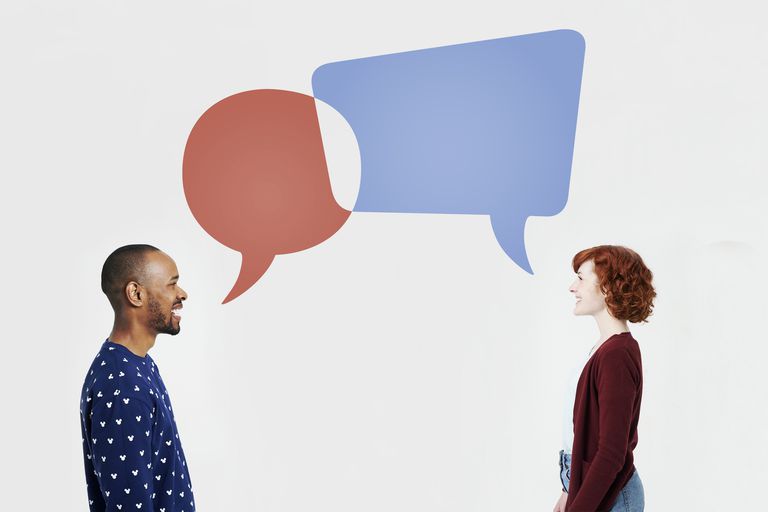
What is verbal communication?
gestures, facial expressions, and body positions
use of language

Communication without words is called
Silent speaking
Verbal communication
Nonverbal communication
Interpersonal communication
Examples of correctly using speech and volume skills include...
Giving the right info, speaking at the right volume, and articulating your words.
Speaking softly, use long pauses, and positive facial expressions.
Keep eye contact, speaking loudly, and using the right language.
Hold your head high, yell all your words, and keep your eyes closed.
Juan is drumming his fingers on the table while his mother gives him directions for cleaning the house. This gesture communicates
worried
impatience
contempt
disgust
Mr. Jones is stroking his chin while talking to his Science class. What is he communicating?
Anger
Fear
Contempt
Trying to make a decision
When asked if she was cheating during the test by her teacher, Kim looks down at the floor. What is her body language communicating?
fear
sadness
guilt
concealing something
John bites his fingernails but only in the presence of his coach. What is his body language communicating?
sadness
insecurity
fear
anger
Which of the following is a barrier to communication?
Message is not clear
Not listening
Lack of language skills
All of the above
Facial expressions, posture and eye contact are all skills in ....?
verbal communication
anti-verbal communication
post-verbal communication
non-verbal communication
The process of exchanging thoughts and messages between two or more people is the definition of...
Eye Contact
Communication
Conflict
Communion
What type of language listed below is considered to always be unacceptable? Select ALL that apply.
Persuasive
Judgmental
Informative
Assumptive
Sexist
To be a leader
is easy
something you are born to do
takes hard work and a willingness to lead
you must be very smart
Workers with leadership skills
will have more job opportunities
are more likely to advance within a company
both a and b
none of the above
The benefits of being a leader are
wealth, fame, happiness
self-confidence, self-fulfillment, and self-worth
self-confidence, wealth, fame
none of the above
These are leadership skills except
Feedback
Responsibility
Communication
Kindness
What is a characteristic that you believe every leader should process?
Kind hearted & Loyalty
Delegating & Flexibility
Smart & Loyalty
Communication & Handosome
What is positive personality?
Humerous & Kind Hearted
Optimistic & Impulsive
Confident person & Optimistic
Human to human, Human to Machine and Machine to Machine are ... skill?
Responsibility
Positive Personality
Commitment
Feedback
What skills that will help you to convey you to trustworthiness as a leader?
Integrity
Reliability
Honesty
Moral Compass
How may a good leader motivate others?
positive atitude
verbal encouragement
being passionate about what they are doing
all of the above
Why are communication skills important for a leader?
so they can tell people what to do
to be able to deceive followers
none of the above
to be able to explain their goal or vision
The foundation of any relationships is
trust
bravery
looks
all of the above
An honest leader has
morals
values
integrity
all of the above
What is the first step in becoming a leader?
understanding yourself
understanding qualities of a follower
understanding the qualities great leaders have
all of the above
A leader that is dependable
keeps their commitment
is willing to make personal sacrifices
doesn't make excuses and stays on the job unit it is done
all of the above
A good leader must have courage because they
make many difficult decisions
must fight other people
will be physically challenged
all of the above
What would a leader do if they had a teammate that was struggling with their game?
Tell the coach you don't want them on the team
Make fun of them when they fail
Show them how to improve what they are doing and encourage them to be positive
Ignore them, it isn't your problem
What is "self-discipline"?
being the most intelligent person
self-dis-cip-line
the quality or fact of continuing to exist, persistence
the ability to control one's feelings and overcome one's weaknesses
Define Leadership:
Coercing individuals to perform as a team.
Inspiring fear among team members in order to accomplish goals.
Influencing individuals into doing things they don't want to do.
Projecting control over others in order to get the job done.
Identify the four qualities and skills that make great leaders.
Outgoing, humor, emotional, and egotistical.
Impulsive, trustworthy, selfish, and doubtful.
Knowledgeable, temperamental, judging, and pessimist.
Communication, confidence, integrity, and attitude.
1. What is the first step in effective management?
a) Identifying challenges
b) Exploring contextual issues
c) Discovering required qualities and abilities
d) Defining performance goals
2. Which of the following is a responsibility of managers?
a) Implementing technical tasks only
b) Avoiding involvement in employee development
c) Ignoring contextual challenges
d) Identifying roles and responsibilities
3. What is the primary goal of performance management?
a) Reducing workforce diversity
b) Avoiding coaching discussions
c) Identifying disciplinary measures
d) Improving employee performance
4. What is an essential step in addressing challenges in performance management?
a) Ignoring employee feedback
b) Skipping self-audits
c) Identifying the process and challenges
d) Avoiding feedback conversations
5. What is a key aspect of effective leadership for diverse teams?
a) Using a single leadership style for all situations
b) Adapting leadership styles to different situations
c) Ignoring communication with direct reports
d) Avoiding leadership flexibility
6. In SLII®, what skill is emphasized to accelerate team members' goal completion?
a) Using the same leadership style consistently
b) Avoiding conversations with direct reports
c) Using only one leadership style
d) Adapting leadership styles to tasks and people
7. What is the importance of coaching for managers?
a) It focuses solely on disciplining employees.
b) It promotes conflict within the team.
c) It enhances employee development and performance.
d) It avoids direct communication with employees.
8. What is a key aspect of effective coaching micro-skills?
a) Avoiding feedback and guidance
b) Ignoring employee challenges
c) Providing clear expectations and support
d) Implementing disciplinary actions immediately
9. What role does a manager play in employee motivation?
a) Decreasing motivation through micromanagement
b) Ignoring employee needs and concerns
c) Recognizing and enhancing employee motivation
d) Focusing solely on individual achievements
10. What managerial practice contributes to building a motivational climate?
a) Underestimating the importance of feedback
b) Avoiding recognition of employee efforts
c) Providing opportunities for growth and development
d) Maintaining a rigid leadership style
11. What is the purpose of using the AMA Guide during a coaching discussion?
a) To avoid addressing employee concerns
b) To follow a generic coaching script
c) To manage the coaching process effectively
d) To delegate coaching responsibilities
12. How does effective coaching contribute to performance improvement?
a) By solely focusing on disciplinary actions
b) By avoiding direct communication with employees
c) By enhancing employee development and skills
d) By ignoring employee challenges
13. What types of delegation can managers engage in?
a) Solely task-related delegation
b) Only delegation of decision-making authority
c) Both task-related and developmental delegation
d) Avoiding delegation altogether
14. Why is assessing current delegation practices important for managers?
a) To avoid employee involvement in decision-making
b) To maintain a rigid approach to delegation
c) To identify challenges and opportunities for improvement
d) To discourage employee growth and development
15. What is the purpose of a self-reflection worksheet on business ethics?
a) To encourage unethical behavior in the workplace
b) To assess employees' technical skills
c) To guide managers in making ethical decisions
d) To avoid ethical considerations
16. Which asset provides information on motivation and delegation?
a) A self-audit worksheet
b) A digital asset on performance alignment
c) A motivational climate worksheet
d) An AMA digital asset on motivation and delegation
An organization's value chain can be represented by a special type of flowchart called SIPOC. SIPOC stands for:
Superior service, inferior service, peak hour service, optimized service, and client service
Simple, intellectual, procedural, optimal coding
Sample, information, practice, organization, and control
Suppliers, inputs, process, outputs, and customers
Verified deliverables are inputs in which of the following scope management processes?
Define Scope
Create WBS
Validate Scope
Control Scope
Which of the following processes produces a work breakdown structure as an output?
Create WBS
Define Scope
Develop Project Management Plan
All of the following are true regarding the Control Scope process EXCEPT:
It assures that underlying causes of all requested changes and recommended corrective actions are understood and processed through the Integrated Change Control process
One of the key focuses in the process may be dispute resolution related to project scope
It monitors the status of the project and product scope, maintains control over the project by preventing overwhelming scope change requests, and manages changes to the scope baseline
It verifies the correctness of work results
A project manager, managing a data center project, had the opportunity to attend several meetings about the project prior to the creation of the project charter. In one of the meetings, the sponsor specifically denied funding for two very specific items. Two months into the project, a couple of stakeholders requested the project manager add work for one of the items that was strongly denied by the sponsor. What will be the best thing the project manager can do in this situation?
Add the work if it does not have much impact on the schedule
Inform the stakeholders that the work cannot be added
Evaluate the impact of adding the work on time, cost, quality, risk, human resource, and other elements
Immediately inform the sponsor about the request that was denied by him
Completion of the product scope is measured against which one of the following?
Scope statement
Project requirements
Project objectives
Product requirements
Your company, ITProConsultancy, has assigned you as the project manager to upgrade the call center in your organization. The number of calls the customer support agents have to answer each month has increased drastically in the last five months, and the phone system is approaching the maximum load limit. Your team has worked on the requirements document and the project scope statement, and you are now ready to create the WBS with the help of your team members. All of the following are true regarding the WBS EXCEPT:
The WBS represents all the work required to be completed in the project
Each level of the WBS represents a verifiable product or results
Activities in the WBS should be arranged in the proper sequence they will be performed
The WBS should be decomposed to a level called the work package level where cost and schedule can easily be calculated
Sarah, a project manager, is in the Define Scope process of developing a comprehensive, detailed description of the project and product. Which of the following is NOT a tool & technique used in this Define Scope process?
Product Analysis
Expert Judgement
Data Analysis
Data Representation
Your project to build a new substation to supply power to a newly developed industrial park is not going too well. You are overwhelmed with numerous issues in the project and got really frustrated when the city conducted an inspection and reported a building code violation. You were asked by management to ensure full compliance to the mandatory city and construction industry standards. At this time, you are also approaching the final deadline of the project in two weeks. You have identified a couple of changes that will drastically enhance performance and make your clients very happy. While trying to sort out all these messes, you received a call from the senior engineer informing you that he would be leaving the company soon. Which is the MOST critical issue you should address first?
Notify the customers about the possible delay in the project
Initiate the change control process to implement new changes
Find a replacement for the senior engineer
Ensure compliance with the city and construction industry standards
As a project manager, you are responsible for determining and delivering the required levels of both grade and quality. Select which of the following statements you disagree with.
Grade relates to the product's characteristics.
Grade relates to the customer requirements.
Quality relates to the customer requirements.
Quality and grade of a product must be carefully managed.
A project manager is in the Control Scope process of monitoring the status of the project and product scope, maintaining control over the project by preventing overwhelming scope change requests, and managing changes to the scope baseline. Which one of the following is NOT true about this process?
The Control Scope process must be integrated with other control processes
It should be performed prior to scope planning
Variance analysis is used as a tool & technique in this process
Work performance information and change requests are the key outputs in this process
A project manager is in the Collect Requirements process of collecting and documenting quantifiable needs and expectations of the sponsor, customer, and other stakeholders. Which of the following is NOT true regarding this process?
It describes project deliverables and the work required to create them in detail as well as deliverables description, product acceptance criteria, requirements assumptions and constraints, and exclusions from requirements
Requirements documentation and requirements traceability matrix are the key outputs in this process
Interpersonal and team skills and data representations are used as tools & techniques in this process
The scope management plan and requirements management plan are inputs in this process
You have been selected as the project manager for a major data center upgrade at your company headquarters. The sponsor has handed you a project charter and wished you the best of luck. What should you do next as the first step?
Instruct the team to work on a project scope statement
Instruct the team to work on the WBS
Review the charter and make sure that all key stakeholders have inputs into the scope
Start working on planning the project
As per the project manager’s instruction, the team has decomposed project deliverables and project work into smaller, more manageable components to develop a WBS and WBS dictionary. The team finalized the WBS by establishing control or cost accounts and unique identifiers for the lower-level components of the WBS called work packages. Normally presented in the chart form, this WBS provides a structure for hierarchical summation of:
Cost and schedule information
Cost and requirements information
Cost, resource, and schedule information
Schedule and requirements information
The sponsor has recently assigned you as a project manager to design and develop a custom video conferencing tool. As per the sponsor, the project must be completed in four months and should integrate with the existing infrastructure and applications in the organization. This is an example of which of the following?
Constraints
Assumptions
Expert judgment
High-level planning
Walkthroughs, reviews, product reviews, and audits are examples of which one of the following methods of examining work or a product to determine whether it conforms to documented standards or not?
Observation
Verification
Inspection
Group decision-making techniques
The team members are analyzing the objectives and description of the products stated by the customer or sponsor and turning them into tangible deliverables and finally creating the project scope statement. Which of the following BEST describes what the team members are doing?
Performing the product analysis
Performing the plan quality management
Conducting a multi-criteria decision analysis
Determining the product description
Julia is managing a water treatment plant construction project. A new government has recently been sworn in. During the election campaign, the winning candidate made a number of commitments regarding environmental control reforms. Julia is not sure how the new government and its future policies might affect her project. This is an example of:
Variability risk
Mitigated risk
Ambiguity risk
Opportunity risk
All of the following are TRUE about the Validate Scope process EXCEPT:
Customer acceptance of the project deliverables is a key output of this process
It is an input to the Develop Project Management Plan process and an output of the Control Quality process
It should be performed at the end of each phase of the project
This process is closely related to the Control Quality process

