
 Worksheets
A2 unit 3 y 4
Total questions: 58
Worksheet time: 2hrs 6mins

shoulder
elbow
hip
knee
neck

shoulder
elbow
hip
knee
neck

¿Cómo llamamos a los ojos en ingles?
Nose
Eyes
Head
Hand

¿Cómo le llamas a las orejas en ingles?
Lips
Fingers
Ears
Nose


What's the matter?
She has a headache
She has a sore throat
She has an earache
She has a rash

What's the matter?
He has got the flu
He has got temperature
He has got a runny nose
All options are correct

¿Cómo se llama cuando tienes dolor de cabeza?
(a)

ESCOGE SEGÚN LA IMAGEN
TOOTHACHE
BROKEN ARM
COLD

ESCOGE SEGÚN LA IMAGEN
TOOTHACHE
BROKEN ARM
COLD

ESCOGE SEGÚN LA IMAGEN
TOOTHACHE
BROKEN ARM
COLD
He has ... time to play with his children.
Few
Little
There are too...students in the library.
Lots of
Many
A lot
Most
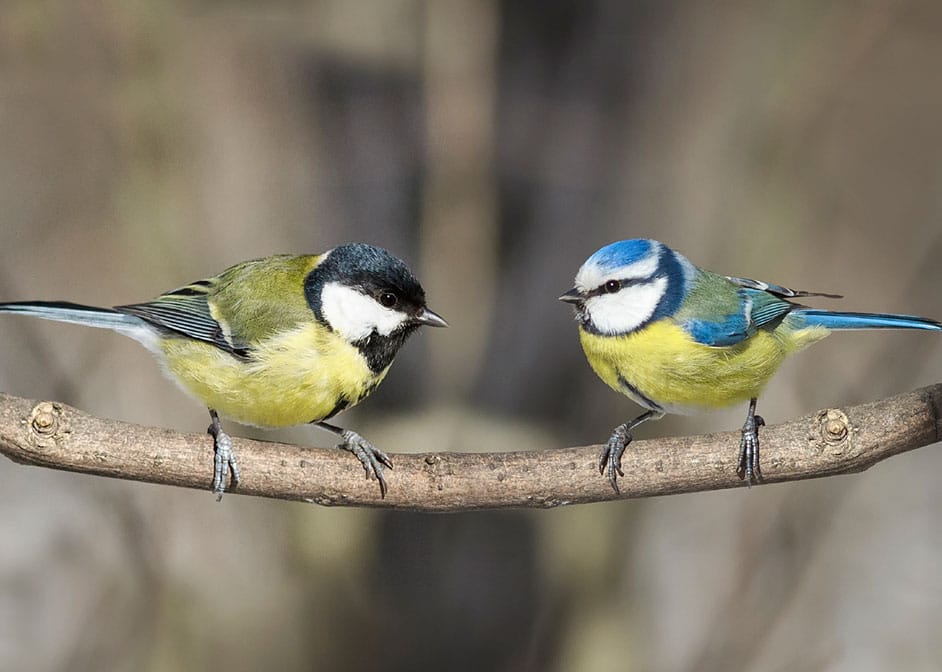
There aren't _____ birds around here during the winter.
much
many
How much t-shirts do you own?
Correct
Incorrect
1.- Comparative of "small"
small
smaller
smallest
more small
3.-Superlative of "intelligent"
intelligent
more intelligent
the intelligent
the most intelligent
6.- Superlative of "Bad"
bader
worst
worse
the worst
7.- Comparative of "good"
better than
better
the best
best
9.- Superlative of "famous":
the most famous
famous
more famous
more famous than
My mother is ____ than my father.
old
older
the oldest
the old

Mount Everest is ___________ (high) mountain in the world
more high
the higher
the highest
A car is _____________(expensive) than a motorcycle
most expensive
More expensive
My house is _________(big) than yours.
more big
Bigger
Biggest
Lima is __________________ city in Peru.
more dangerous than
the most dangerous
most dangerous
more dangerous
English is _____________(easy) than mathematics
More easy
easier
Easiest
Mary is ______________(tall) than Sara
Taller
tallest
more tall

MISS UNIVERSE IS THE ________________(BEAUTIFUL) WOMAN IN THE WORLD
the most beautiful
more beautiful
beautifulest

Dolphin is ________________ intelligent animal in the world.
more intelligent
the most intelligent
inteligenter
There wasn't _______time to finish the homework.
enough
too
I didn't buy the jacket because it was _______ big
enough
too
This dress isn't ___________ nice as the red one.
too
enough
as
I can't see anything. It's ______ dark.
too
enough
as
I'm not tall ___________ to see the concert from here
too
enough
as
I'm not buying that. It's __________ expensive.
too
enough
as
That cashier isn't ________ friendly as the other one.
too
enough
as
Get up
Salir de la cama
Regresar a un lugar
Ir a la casa de alguien
Dejar de funcionar
Look after
Cancelar
Cuidar
Vomitar
Crecer
Get along with
Regresar a un lugar
Llevarse bien
Respetar
Buscar
Grow up
Ser como alguien
Hacer algo malo y no ser castigado
Madurar. Crecer
Dejar de hablar

Encender y apagar un aparato electrónico se dice en inglés...
Turn on / Turn off
Power on / Power off
Play in / Play out
Start up / Start down
Break up means
Volver con alguien
Ser infiel
Terminar una relación
Wake up
Despertarse (Levantarse)
dormir arriba
Despertarse arriba
Take up
tomar una actividad
Empezar una actividad
Tomar arriba
ESCOGE LA TRADUCCION CORRECT DE ESTA FRASE VERBAL:
HURRY UP
SUBIR A ...
APURARSE
BAJAR DE
PEDIR
Nothing's Impossible
“The rocks were really hard to grab. Then something magic happened. I climbed over the rock wall and made it! I didn’t know I could make it that high.” —A blogger named Singapore Student
In Singapore, elementary and high school students take outdoor-skills courses as part of their studies. They’re usually three or five days long and include rope and rock climbing, going to sea in a small boat called a kayak, sleeping in a tent each night, taking long walks in the jungle, and learning to start a fire. It’s real life. One careless mistake could really hurt someone. So should outdoor skills really be taught at school? Why does the Singapore government think this should be part of every student’s education?
Minister for Education Ng Chee Meng says that the challenge of the outdoor course helps students develop skills like critical thinking, working together, and good communication—abilities that are necessary for work and life. He believes that these skills are as important as traditional subjects like math, science, literature, and so on. Students need to learn from books, but for some lessons, reading isn’t as useful as doing.
What do the students think? “It was so good!” said one teenager after the course. According to blogger Singapore Student, “It makes you a more independent and caring person.” Angelique, another student in Singapore, had such a good experience that she went back for a twenty-one-day course. “It helped me to grow stronger,” she says. The kayak trip was stressful because of stormy weather. She says there were moments when she felt afraid and hopeless—she thought the trip was too hard. But she remembered that “smooth seas never made a skilled sailor” and felt brave enough to continue against the storm. “I am thankful for this amazing opportunity, and I would do it again,” she says.
Right now, students attend courses with groups from their own school. After 2020, however, all students will do the course in groups from several different schools. Why does this matter? People from China, Malaysia, India, and other cultures live closely together in Singapore. Good communication skills are more important now than ever in order for people to live and work together. Working closely with students from other cultures is a great way to learn this useful lesson. One student said it this way: “There is nothing to be afraid of, and nothing’s impossible.” And that’s a great lesson to learn.
According to the text answer TRUE or FALSE
1. Students in Singapore have a three- or five-day outdoor-skills course as part of their education.
TRUE
FALSE
Nothing's Impossible
“The rocks were really hard to grab. Then something magic happened. I climbed over the rock wall and made it! I didn’t know I could make it that high.” —A blogger named Singapore Student
In Singapore, elementary and high school students take outdoor-skills courses as part of their studies. They’re usually three or five days long and include rope and rock climbing, going to sea in a small boat called a kayak, sleeping in a tent each night, taking long walks in the jungle, and learning to start a fire. It’s real life. One careless mistake could really hurt someone. So should outdoor skills really be taught at school? Why does the Singapore government think this should be part of every student’s education?
Minister for Education Ng Chee Meng says that the challenge of the outdoor course helps students develop skills like critical thinking, working together, and good communication—abilities that are necessary for work and life. He believes that these skills are as important as traditional subjects like math, science, literature, and so on. Students need to learn from books, but for some lessons, reading isn’t as useful as doing.
What do the students think? “It was so good!” said one teenager after the course. According to blogger Singapore Student, “It makes you a more independent and caring person.” Angelique, another student in Singapore, had such a good experience that she went back for a twenty-one-day course. “It helped me to grow stronger,” she says. The kayak trip was stressful because of stormy weather. She says there were moments when she felt afraid and hopeless—she thought the trip was too hard. But she remembered that “smooth seas never made a skilled sailor” and felt brave enough to continue against the storm. “I am thankful for this amazing opportunity, and I would do it again,” she says.
Right now, students attend courses with groups from their own school. After 2020, however, all students will do the course in groups from several different schools. Why does this matter? People from China, Malaysia, India, and other cultures live closely together in Singapore. Good communication skills are more important now than ever in order for people to live and work together. Working closely with students from other cultures is a great way to learn this useful lesson. One student said it this way: “There is nothing to be afraid of, and nothing’s impossible.” And that’s a great lesson to learn.
According to the text answer TRUE or FALSE
2. Students learn outdoor skills as a reward for their hard work on more important school subjects like math.
TRUE
FALSE
Nothing's Impossible
“The rocks were really hard to grab. Then something magic happened. I climbed over the rock wall and made it! I didn’t know I could make it that high.” —A blogger named Singapore Student
In Singapore, elementary and high school students take outdoor-skills courses as part of their studies. They’re usually three or five days long and include rope and rock climbing, going to sea in a small boat called a kayak, sleeping in a tent each night, taking long walks in the jungle, and learning to start a fire. It’s real life. One careless mistake could really hurt someone. So should outdoor skills really be taught at school? Why does the Singapore government think this should be part of every student’s education?
Minister for Education Ng Chee Meng says that the challenge of the outdoor course helps students develop skills like critical thinking, working together, and good communication—abilities that are necessary for work and life. He believes that these skills are as important as traditional subjects like math, science, literature, and so on. Students need to learn from books, but for some lessons, reading isn’t as useful as doing.
What do the students think? “It was so good!” said one teenager after the course. According to blogger Singapore Student, “It makes you a more independent and caring person.” Angelique, another student in Singapore, had such a good experience that she went back for a twenty-one-day course. “It helped me to grow stronger,” she says. The kayak trip was stressful because of stormy weather. She says there were moments when she felt afraid and hopeless—she thought the trip was too hard. But she remembered that “smooth seas never made a skilled sailor” and felt brave enough to continue against the storm. “I am thankful for this amazing opportunity, and I would do it again,” she says.
Right now, students attend courses with groups from their own school. After 2020, however, all students will do the course in groups from several different schools. Why does this matter? People from China, Malaysia, India, and other cultures live closely together in Singapore. Good communication skills are more important now than ever in order for people to live and work together. Working closely with students from other cultures is a great way to learn this useful lesson. One student said it this way: “There is nothing to be afraid of, and nothing’s impossible.” And that’s a great lesson to learn.
According to the text answer TRUE or FALSE
3. A student named Angelique said the course was a terrible experience and she would never do it again.
TRUE
FALSE
Nothing's Impossible
“The rocks were really hard to grab. Then something magic happened. I climbed over the rock wall and made it! I didn’t know I could make it that high.” —A blogger named Singapore Student
In Singapore, elementary and high school students take outdoor-skills courses as part of their studies. They’re usually three or five days long and include rope and rock climbing, going to sea in a small boat called a kayak, sleeping in a tent each night, taking long walks in the jungle, and learning to start a fire. It’s real life. One careless mistake could really hurt someone. So should outdoor skills really be taught at school? Why does the Singapore government think this should be part of every student’s education?
Minister for Education Ng Chee Meng says that the challenge of the outdoor course helps students develop skills like critical thinking, working together, and good communication—abilities that are necessary for work and life. He believes that these skills are as important as traditional subjects like math, science, literature, and so on. Students need to learn from books, but for some lessons, reading isn’t as useful as doing.
What do the students think? “It was so good!” said one teenager after the course. According to blogger Singapore Student, “It makes you a more independent and caring person.” Angelique, another student in Singapore, had such a good experience that she went back for a twenty-one-day course. “It helped me to grow stronger,” she says. The kayak trip was stressful because of stormy weather. She says there were moments when she felt afraid and hopeless—she thought the trip was too hard. But she remembered that “smooth seas never made a skilled sailor” and felt brave enough to continue against the storm. “I am thankful for this amazing opportunity, and I would do it again,” she says.
Right now, students attend courses with groups from their own school. After 2020, however, all students will do the course in groups from several different schools. Why does this matter? People from China, Malaysia, India, and other cultures live closely together in Singapore. Good communication skills are more important now than ever in order for people to live and work together. Working closely with students from other cultures is a great way to learn this useful lesson. One student said it this way: “There is nothing to be afraid of, and nothing’s impossible.” And that’s a great lesson to learn.
According to the text answer TRUE or FALSE
4. In the future, students will take the outdoor-skills course with people from other schools.
TRUE
FALSE

