
 Worksheets
Grade 6 Science Review
Total questions: 250
Worksheet time: 3hrs 32mins
What is the process by which plants make their food called?
Transpiration
Chloroplast
Respiration
Photosynthesis
What is the main function of the heart in the human body?
To control body temperature
To produce hormones
To pump blood
To digest food
Name the largest planet in our solar system.
Mars
Saturn
Neptune
Jupiter
What is the unit used to measure electric current?
Volts
Amperes (A)
Watts
Ohms
What is the process of water changing from a liquid to a gas called?
precipitation
evaporation
sublimation
condensation
Which part of the flower produces pollen?
Sepal
Stamen
Pistil
Petals
What is the force that pulls objects towards the center of the Earth?
gravity
repulsion
centrifugal force
magnetism
What is the outermost layer of the Earth called?
mantle
crust
atmosphere
core
What is the process of plants releasing water vapor through their leaves called?
Condensation
Evaporation
Transpiration
Precipitation
Which gas do plants use during photosynthesis to make food?
Carbon dioxide (CO2)
Nitrogen (N2)
Hydrogen (H2)
Oxygen (O2)
Which of the following is a Homogeneous Mixture?
halo-halo
ginatan
coffee
This type of mixture contains two or more substances that are visibly distinguishable
homogeneous
heterogeneous

homogeneous
heterogeneous
The spinning of Earth is called _____________________.
axis
rotation
orbit
True or False
Venus is the hottest planet in our solar system.
True
False
Earth makes one full turn on its axis every ___________ hours.
12
365
24
Earth rotations around an imaginary line called an ___________________.
planets
axis
rotation
Our _____________ is made of planets, moons and the Sun.
orbit
solar system
stars
_____________ is the hottest season.
fall
winter
spring
summer
A __________ is an object in space made of hot, glowing gases.
orbit
phase
star
Each shape of the Moon we see during one month is called a _____________.
phase
axis
star
The path Earth takes around the Sun is called its _______________.
rotation
orbit
axis
A_____________ is a huge object that moves around the Sun.
rotation
phase
planet
Which of the following is not an effect of an earthquake?
loss of lives
destruction of property
strong winds
tsunamis
Which best describes tsunamis?
They are seismic waves along the seashores.
They are giant ocean waves caused by earthquakes.
They are giant ocean waves beneath the faults.
They are giant seismic waves on Earth's crust.
Earthquakes cause changes on the surface of Earth. Which of the following are observed in the environment after an earthquake?
I. landslides
II. fissures on the ground
III. liquefaction
IV. undisturbed structures
I only
I and II
I, II, and III
II, III, and IV
Which of the following is true about the magnitude of earthquakes?
Higher magnitude earthquakes cause widespread damage.
Higher magnitude earthquakes cause lesser damage.
Higher magnitude earthquakes can be felt by only a few.
Higher magnitude earthquakes have slow seismic waves.
Which of the following is not an effect of a volcanic eruption?
lahar flow
scattered rocks and debris
ashfall
toppled-down buildings
What is the best way to prevent loss of lives during volcanic eruptions?
Covering the nose with damp cloth
Evacuating the area as instructed by authorities
Staying inside buildings
Watching the spectacular eruption of the volcano
What causes day and night?
rotation of the moon
rotation of the Earth
rotation of the Sun
revolution of the moon
What accounts for the differences in climate around the world?
rotation of the Earth
rotation of the Sun
revolution of Earth around the Sun
revolution of the moon around Earth
Which of the following activities are enjoyed during the wet season in the Philippines?
I. swimming in hot springs
II. farmers planting rice
III. surfing
IV. picnics at the park
II only
I and II only
II, III and IV
I, II, and IV
Which is TRUE about the seasons in the Philippines?
The Philippines has wet and dry seasons.
Dry season in the country is longer than the wet season.
All places in the country have the same climate type.
The Philippines has four seasons throughout the year.
The weather report for the day is fair, with temperature at 30oC, no precipitation expected, and wind is at 1 kph. What outdoor activities can be done?
I. drying of crops
II. going our for a picnic
III. washing of clothes
IV. playing of outdoor games
I only
I and II only
I, II, and III
I, II, III, and IV
How long does Earth rotate on its axis?
12 hours
24 hours
30 days
12 months
How long does Earth revolve around the Sun?
24 hours
165 days
300 days
365 1/4 days
Which wind blows during the dry season?
hanging amihan
hanging habagat
trade winds
polar winds
Which planet is not among the terrestrial planets?
Earth
Mars
Saturn
Venus
How can you avoid getting sick during rainy days?
I. Bring an umbrella and put on a raincoat
II. Maintain clean surroundings
III. Boil your drinking water
IV. Wear sunglasses
I and II only
I, II and III
II and II only
I, II, III, and IV
Which group is made up of the giant planets?
Jupiter, Saturn, Uranus, Neptune
Jupiter, Saturn, Neptune, Mars
Saturn, Uranus, Neptune, Venus
Earth, Mars, Jupiter, Saturn
What part of Earth experiences longer daytime than night time from June to August?
places at the Northern Hemisphere
places at the Southern Hemisphere
places at the North and South poles
places anywhere on Earth
What phenomenon is characterized by excessive rainfall and floods?
El Nino
La Nina
tropical cyclone
both El Nino and La Nina
What do you call the shaking of Earth's crust?
earthquake
tsunami
erosion
landslide
2. It is the measure of the amount of energy released by an earthquake.
intensity
energy
magnitude
aftershocks
3. It refers to the measure of the strength of an earthquake.
transition
intensity
magnitude
aftershock
4. It is also known as the southwest monsoon
amihan
habagat
amigat
habahan
5. It refers to the movement of the Earth around the sun.
rotation
gravitational force
tornado
revolution
7. How many seasons do the Philippines have?
1
2
3
4
8. What does Hanging Amihan brings from the month of November to February?
La Nina
typhoon
hot temperature
cold temperature
9. Which of the following causes a random change on the surface of the Philippines?
tsunamis and tornadoes
forest fires and hurricanes
earthquake and volcanoes
sandstorm and thunderstorm
11. What is magma?
pieces of the Earth's crust
molten rock inside of a volcano
small rock
plates that meet
13. The following are elements of weather EXCEPT.
humidity
air pressure
rainfall
location
14. A student wants to figure out what the climate is where she lives. She decides to record the temperature every day, at the same time, for a week. What is the BEST reason why this might not give her accurate results for what the climate is?
She is only measuring temperature and not precipitation.
She did not calculate the wind conditions, humidity, and air pressure.
She measured only one week instead of measuring over a long period of time.
She recorded the temperature at only one time of day instead of more frequently.
15. High humidity means what?
There is a lot of water vapor in the air.
The temperature is cool.
There is a cold front approaching.
There is a high-pressure system.

Which planet is the smallest planets?
Mercury
Venus
Mars
Earth
Which is the biggest planet?
Jupiter
Mercury
Mars
Neptune
In what category do we put the planets that are made of gas and ice?
Jovian
Terrestrial
Milkyway
Inner
Cooking pots and pans made of metals make cooking faster because they quickly allow heat transfer from the flame to the food being cooked.
True
False
What material can you use in order to block the sun?


Why are metals considered good conductors ? Because they allow ________.
heat to diffuse
heat to scatter
heat to pass through
a little amount of heat to pass through
A duck flies 60 meters in 10 seconds. What is the duck’s speed?
600 m/s
6 m/s
50 m/s
70 m/s
Liquid water can become a gas in the process of ______________.
a. freezing
b. sublimation
c. condensation
d. evaporation
Ice is formed from liquid water during the process of ______________.
a. freezing
b. evaporation
c. condensation
d. deposition
The process in which water vapor changes to liquid.
a. evaporation
b. deposition
c. sublimation
d. condensation
Dry ice or frozen carbon dioxide that changes to gas is an example of ________________.
a. deposition
b. condensation
c. sublimation
d. evaporation

When we breathe in...................enters our lungs and passes into the blood.
oxygen
carbon dioxide

It is a long tube. The air goes down this tube.
bronchi
windpipe

The windpipe is also called
trachea
alveoli

When we breathe out , ................. leaves our body.
oxygen
carbon dioxide

They are two spongy, air-filled organs protected by the ribs.
alveoli
lungs

Inside the lungs there are lots of little sacs called.......
Here, oxygen passes into the blood and carbon dioxide leaves the blood.
lungs
alveoli

They are two tubes .Oxygen enters the lungs through .......
bronchi
alveoli

NUMBER 1:
lungs
pharynx
mouth
alveoli

NUMBER 6:
Lungs
Trachea
Mouth
Alveoli

NUMBER 3:
Pharynx
Trachea
Bronchi
Alveoli
When we breath in the diaphragm...
Contracts
Relaxes
When we breathe out the diaphragm...
Contracts
Relaxes

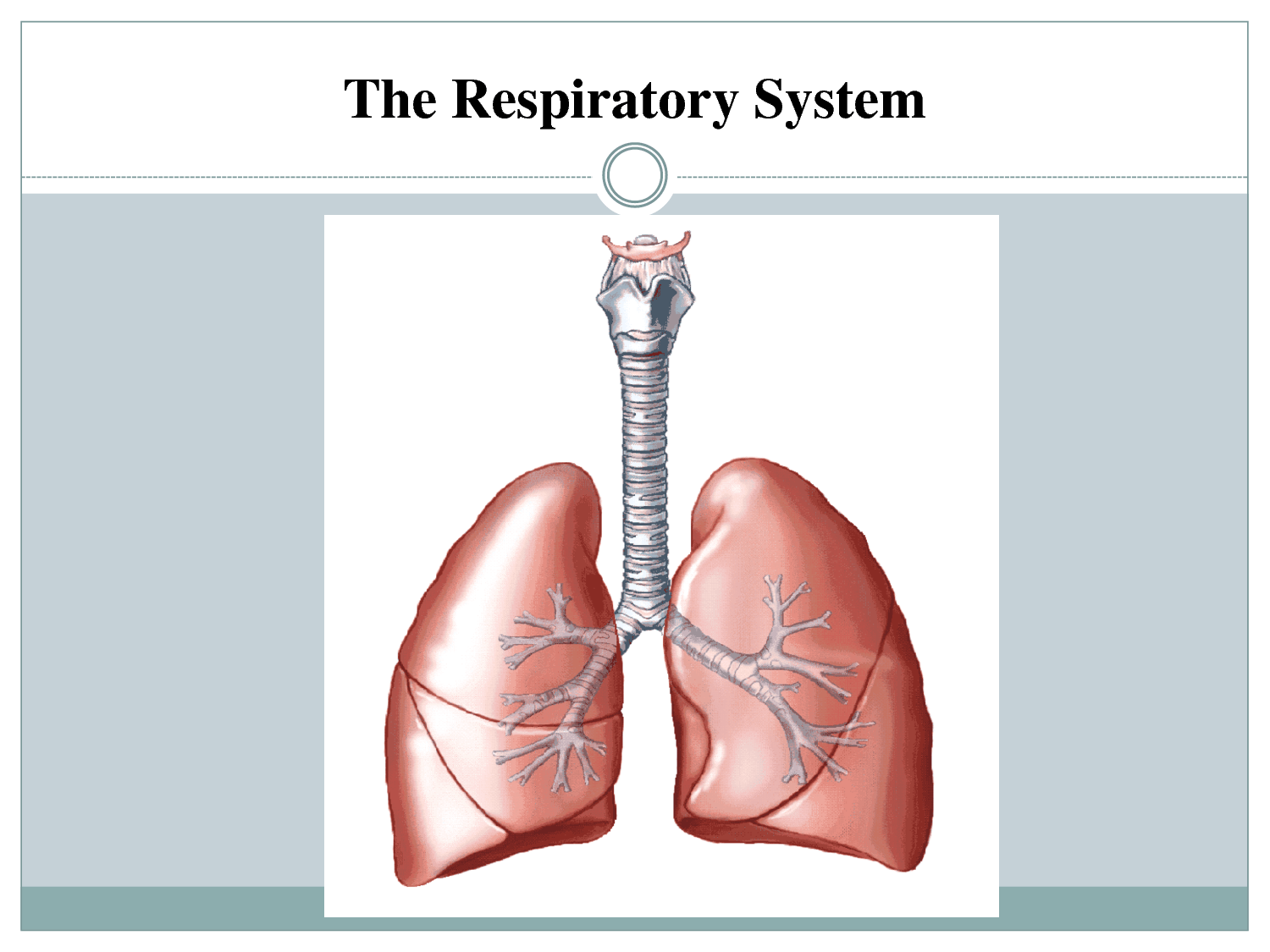
What is the main function of the respiratory system?
to provide oxygen and remove carbon dioxide from the body
to break down food and absorb nutrients
to remove oxygen from the body and deliver carbon dioxide
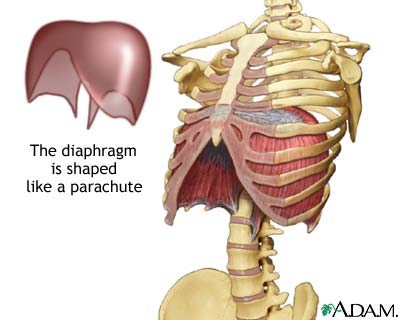
What is function of the dome-shaped diaphragm muscle?
This is where gas exchange happens.
Air passes through the diaphragm on the way to the lungs.
It attaches to the lungs and contracts and relaxes to help in breathing.
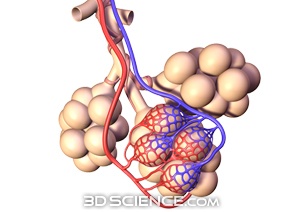

Flap of tissue that covers the opening to the windpipe during swallowing
Pharynx
Trachea
Epiglottis

What type of cells carry oxygen in the blood?
red blood cells
white blood cells
What are the main functions of the lungs?
to bring in air from the atmosphere
pass oxygen into the bloodstream
pumps blood throughout your body
maintaining blood pressure
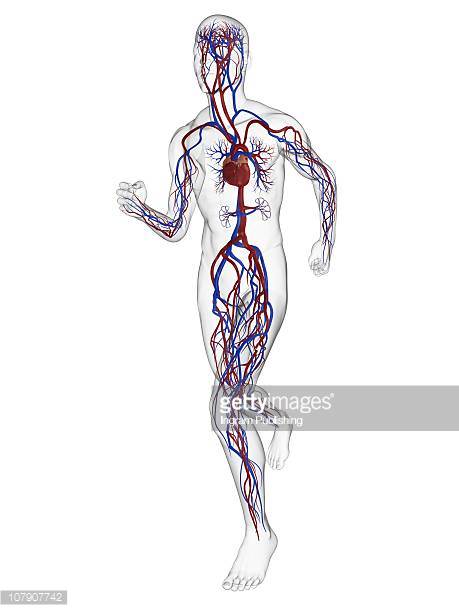
What is the main organ of the circulatory system?
small intestine
bone
lungs
heart
Arteries carry oxygen rich blood away from the heart.
True
False
The job of the heart is to . . .
pump blood around the body.
send food to the small intestines.
break down food.
give energy to the body.
Arteries, veins, and capillaries are three types of __________


Your heart is about the size of your __________.
mouth
fist
show
Blood carries ____________ to the heart.
vitamins
germs
oxygen
Blood is carried back to your heart in little tubes called ____________.
veins
arteries
hoses
Your heart pumps blood throughout your entire body through little tubes called _____________.
veins
arteries
hoses
Which describes all the parts of the circulatory system?
heart, lungs, stomach, muscles
heart, blood, arteries, and veins
bones, skin, hair
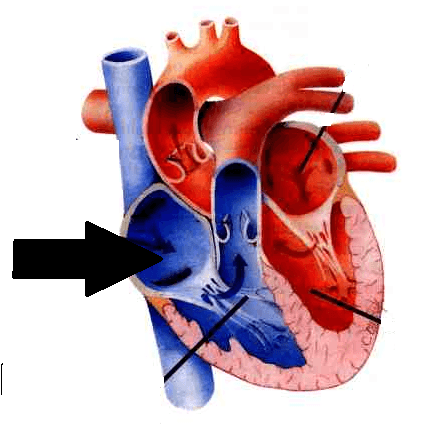
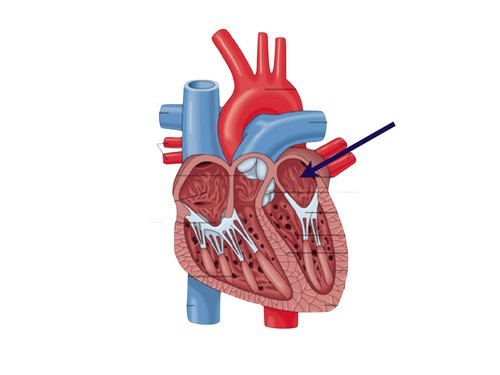
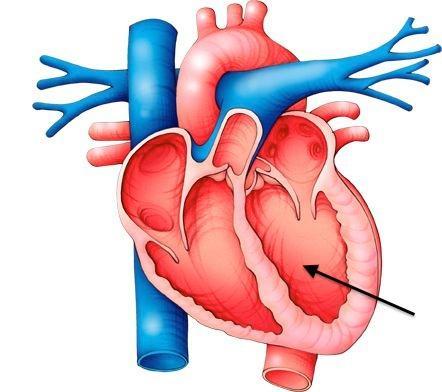
This chamber of the heart RECEIVES oxygen rich blood back from the lungs
Right Atrium
Left Atrium
Right Ventricle
Left Ventricle
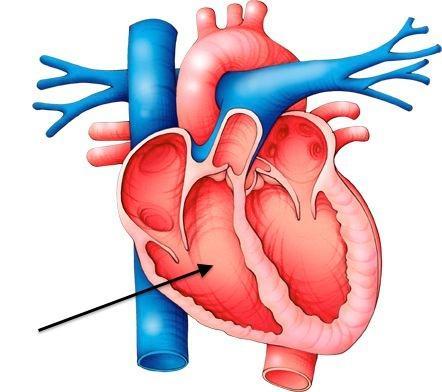
This chamber of the heart pumps the blood from the heart to the lungs through the pulmonary artery
Right Atrium
Left Atrium
Right Ventricle
Left Ventricle
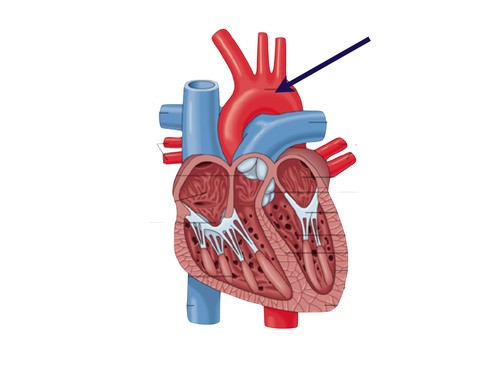
This chamber of the heart pumps the blood back out to the body cells through the Aorta
Right Atrium
Left Atrium
Right Ventricle
Left Ventricle

Blood is made up of
Plasma
Blood cells - red and white
Platelets
All of the above
Formed in the bone marrow, they are small cells that have important function of clotting of the blood
white blood cells
red blood cells
platelets
leukocytes
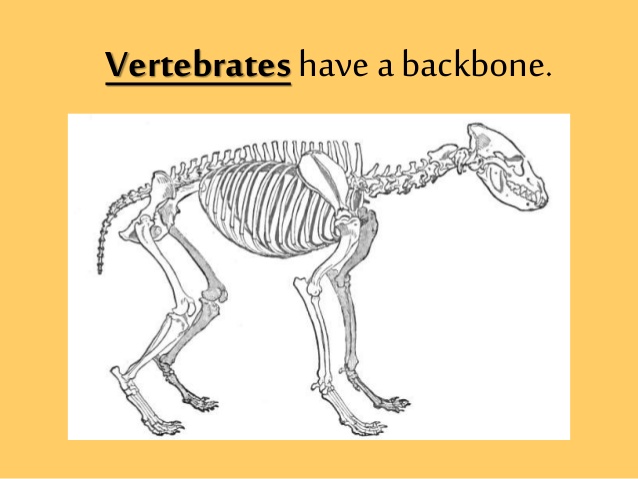
What is the major difference between vertebrates and invertebrates?
Vertebrates have a backbone and invertebrates do not.
Invertebrates live in water and vertebrates do not.
Invertebrates have a backbone and vertebrates do not.
Invertebrates are smaller than vertebrates.
Mammals, fish, birds, reptiles and amphibians are all ___.
invertebrate
vertebrate

Is this animal a vertebrate or invertebrate?
invertebrates
vertebrates

Which group does it belong to?
invertebrate
vertebrate

Which group does it belong to?
invertebrate
vertebrate

Which group does it belong to?
vertebrate
invertebrate

Are these animals vertebrates or invertebrates?
vertebrates
invertebrates

Vertebrates are animals with ____.
backbones
special tubes
no backbones
no special tubes
Crabs, lobsters, and shrimp with hard exoskeletons are ___.
vertebrates
invertebrates
What is an invertebrate?
an animal without a backbone
mammals
birds
an animal with a backbone
Animals That body temperature changes depending on surrounding is called
Cool Blooded
Cold Blooded
Warm Blooded
Hot Blooded
Animal that body temperature stays the same all the time is called
Cool Blooded
Cold Blooded
Warm Blooded
Hot Blooded
Jellyfish, spiders, starfish, and worms are ________.
Vertebrates
Invertebrates


Classify this animal.
reptile
segmented worm
amphibian
mollusk

Is a flat surface whose one end is higher than the other to lift heavy objects with relatively little effort.
Wedge
Inclined Plane
Screw
Pulley
Is a simple machine made up of two inclined planes placed back to back creating a thick base and a sharp edge.
Wedge
Inclined Plane
Wheel and axle
Lever
Is another simple machine, which consists of an inclined plane wrapped around a cylinder.
Wedge
Lever
Pulley
Screw
Is a grooved wheel that turns around an axle which is held in place by a mounting bracket. Rope and wire moves along the wheel's circumference.
Screw
Inclined plane
Pulley
Lever
It has the same appearance with a pulley, but is has a wheel that is fixed to the axle, like in the steering wheel of a car.
Incline plane
Lever
Wedge
Wheel and axle
Machines are used to transform, transfer energy, multiply speed or force, and change the direction of the force.
True
False
Do work in one movement or a one-type-of-work easing device.
Compound machine
Simple machine
Washing machine
Factory machine
The following are examples of compound machines EXCEPT..
Bicycles
Sewing machines
Scissors
Crowbar
The following are parts of a lever.
Resistance
Effort
Fulcrum
Distance
Simple machines make work easier by trading ________ for force.
Distance
Motion
Work
Friction
It uses grooved wheels and ropes/chains to raise, lower, or move a load.
PULLEY
SCREW
LEVER
WEDGE
It uses grooved wheels and ropes/chains to raise, lower, or move a load.
PULLEY
SCREW
LEVER
WEDGE
It is an object with a slanted edge that is sharp. It can be used to cut materials apart
PULLEY
SCREW
LEVER
WEDGE
It is a slanted surface used to connect lower surfaces to higher ones.
PULLEY
INCLINED PLANE
SCREW
LEVER
It is an inclined plane wrapped around a shaft that holds things together or lifts objects
PULLEY
SCREW
LEVER
WEDGE
These are basic tools that multiply the amount of force to make work easier.
simple machines
wheel and axle
lever
wedge
Which is a characteristic of simple machines?
They run electricity
They have few or no moving parts
They are difficult to work
They have motors
A simple machine that helps a vehicle to move from one place to another.
lever
inclined plane
wheel and axle
inclined plane
Which of these is an example of a wedge?
wheel
spoon
seesaw
butter knife
Which layer of the Earth is in a liquid state of matter?
Crust
Inner Core
Mantle
Outer Core
Which is the best description of the characteristics of the asthenosphere?
Solid, but flowing
Liquid, but dense
Hot, but solid metal
Brittle, but shifting

Which of the following best describes a change one would observe in moving from Earth's crust downward to the outer core?
Pressure would change from very high to none
Density would change from least to most dense
Plasticity would change from flexible to rigid
Heat would change from relatively hot to cool
The lithosphere consists of the-
upper mantle and crust.
lower mantle and outer core.
inner and outer core.
crust and the entire mantle.
According to scientific data, which layer of Earth is the thickest?
Crust
Inner Core
Mantle
Outer Core
What layer of the Earth is composed of material of the highest density?
Outer Core
Inner Core
Crust
Mantle
Which of the following models would best represent the inner and outer core of Earth, based on the physical characteristics of each layer?
A metal ball bearing (solid) suspended in oil (liquid)
Gelatin (red semi-solid) on top of a cracker (brittle solid)
A ball of clay (solid) filled with water (liquid)
Rubber ball (flexible solid) painted red (thin solid covering)
Oceans and other bodies of water are found on which layer of the Earth?
Outer Core
Mantle
Inner Core
Crust
Which of the following would be an accurate feature to include in a model of the Earth?
A crust that is the thickest layer.
An inner core that contains oceans.
A thin mantle in the center of the model.
A liquid outer core below the mantle.
Which of the following best describes Earth's asthenosphere?
Liquid rock that can reach the surface
Solid rock that is broken into plates
Dense rock that moves the crust
Metal rock at the center of the Earth
Earth's layers are evidence that, over time, Earth has gradually-
spun more quickly.
grown in size.
cooled into a solid.
broken into parts.
How many layers does Earth have?
1
2
3
4
What is the thinnest layer?
Crust
Mantle
Outer Core
Inner Core
What is the thickest layer?
Crust
Mantle
Outer Core
Inner Core
What is the coolest layer?
Crust
Mantle
Outer Core
Inner Core
What is the hottest layer?
Crust
Mantle
Outer Core
Inner Core
What is the densest layer?
Crust
Mantle
Outer Core
Inner Core
Which layer is the only liquid layer?
Crust
Mantle
Outer Core
Inner Core
Which layer is made of solid Iron and nickel?
Crust
Mantle
Outer Core
Inner Core
Which layer is made of liquid iron and nickel?
Crust
Mantle
Outer Core
Inner Core
The Lithosphere is made up of the ___________.
Crust and Upper Mantle
Inner and Outer Cores
Outer Core and Lower Mantle
Lower and Middle Mantle
What is the Asthenosphere?
an elastic substance on which the tectonic plates float.
the air that we breathe.
another name for a globe.
the hard inner core
If we can't travel to the center of the Earth, how do we know so much about it?
Seismic waves, made by earthquakes and man-made explosions
special camera scopes sent through all the layers of the earth
very long thermometers that can reach to the inner core
super powerful x-rays
Which is TRUE about the continental crust?
It is thinner than oceanic crust
It is denser than oceanic crust
It is thicker but less dense than the oceanic crust
It is thinner and more dense than the oceanic crust
Earth’s lithosphere is made up of what layer/s?
Crust
Mantle
Crust and Mantle
Crust and upper mantle
Where is the thickest part of the crust located?
Along the ocean floor
Mountain area
Valley
Deepest part of the ocean
Which is NOT true about the lithosphere?
It has the same thickness everywhere
It is the outermost part of the earth
It is composed of the continents and the ocean floor
It varies in thickness

Which of the following facts are NOT based on the picture?
Continental crust is thicker than oceanic crust
Oceanic crust is denser than the continental crust
The layer below the crust is the upper mantle
The Lithosphere is composed of the crust and the upper mantle
What do you call the broken segments that make up the lithosphere?
Crust
Mantle
Core
Plates
What do you call the theory about the movement of plates?
plate motion
plate run
plate movement
plate tectonics
Which of the following is NOT an effect of the tectonic plate?
Earthquake
Mountain building
Formation of valley
The temperature of the mantle
What type of volcano is made of ash and cinders from pyroclastic flow?
Shield
Cinder Cone
Composite
What type of volcano is wide and flat, created by layers of lava flow?
Shield
Cinder Cone
Composite
Which type of volcano is steep and cone-shaped with a bowl-shaped crater?
Shield
Cinder Cone
Composite
Cinder cone volcanoes have which type of eruption?
Quiet eruptions with lava flows.
Explosive eruptions with pyroclastic flow.
Alternating quiet and explosive eruptions.
Which word describes molten rock that is below the crust?
Lava
Magma
Shield Volcano

What is an active volcano?
A volcano that has erupted at least once in the last 10,000 years.
A volcano that hasn’t erupted in the last 10,000 years, but could still erupt.
A volcano that should never erupt again.
What is a dormant volcano?
A volcano that has erupted at least once in the last 10,000 years.
A volcano that hasn’t erupted in the last 10,000 years, but could still erupt.
A volcano that should never erupt again.
What are some things volcanologists monitor?
emissions
slope
earthquakes
All of the above

What type of volcano has steep sides with a broad base?
Shield
Mega volcano
Composite
Cinder cone
What is another name for a composite volcano?
Metavolcanoes
Stratovolcanoes
Megacones
Epicanoes
True or False: Cinder cones usually erupt for short periods of time
True
False
This movement caused the rocks to move past each other.
Tectonic Earthquakes
Volcanic Earthquakes
Collapse Earthquakes
Explosion earthquakes
It is caused by the breakage of rocks due to changing pressure and tension built up by the injection of magma.
Volcanic-tectonic
Long-period
Tremors
None of the above
Parts of a Volcano
----highest point or the apex of the volcano
Summit
Slopes
Base
Parts of a Volcano
----lower outer part of the volcano
Summit
Slopes
Base
Parts of a Volcano
----sides or flanks of a volcano that radiate from the main or central vent
Summit
Slopes
Base
Other Geologic features of a volcano:
-----mouth of the volcano which is a funnel-shaped or bowl shaped hollow at the top of the vent from where magma, ash and gas comes out
Main Vent
Conduit
Magma Chamber
Side Vent
Crater
Other Geologic features of a volcano:
-----main opening or outlet on the surface of a volcano that emits lava, gases, ash or other volcanic materials.
Main Vent
Conduit
Magma Chamber
Side Vent
Crater
Other Geologic features of a volcano:
-----a region beneath the vent of a volcano where molten rock or magma is deposited or stored before eruption.
Main Vent
Conduit
Magma Chamber
Side Vent
Crater
Other Geologic features of a volcano:
-----underground central tube-like or pipe-like structure of a volcano that connects the magma chamber to the crater through which the magma travels.
Main Vent
Conduit
Magma Chamber
Side Vent
Crater
Other Geologic features of a volcano:
-----smaller outlet through which magma escapes.
Main Vent
Conduit
Magma Chamber
Side Vent
Crater
Other Geologic features of a volcano:
----- is a molten rock which is given off onto the surface of the Earth when a volcano erupts
Main Vent
Conduit
Magma Chamber
Lava
Crater
Other Geologic features of a volcano:
----- is a mixture of rock, minerals, glass particles and gases expelled or pushed out of the volcano during volcanic eruption.
Main Vent
Conduit
Magma Chamber
Ash and Gas Cloud
Crater
It can change within a minute or hours.
Climate
Geography
Weather
US placed their largest military and naval bases in the Philippines.
TRUE
FALSE
Who administer or send out the storm warning signals?
DSWD
DPWH
PAG-ASA
It is a flat surface and will be used to find the location of a place or country.
atlas
globe
map
These are some problems if there will be climate change, EXCEPT.
traffic jam
plants will grow fast
suspension of classes
It takes a very long time to change.
Climate
Weather
Typhoon
What is "amihan"?
northwest monsoon
southwest monsoon
southeast monsoon
What is the other term for "habagat" ?
northwest monsoon
southern monsoon
southwest monsoon
What kind of season experienced in the Philippines every June to November?
hot and dry season
hot season
wet season
It refers to the study of place and the ways of how people live and work.
atlas
geography
globe
Which planet in the solar system has the characteristics that can support life?
Mercury
Earth
Jupiter
Neptune
What planet is the farthest from the sun?
Venus
Mercury
Neptune
Saturn
Which of the following statements describes the inner planets?
They are small and made of ice and gas.
They are large and made up mostly of gas.
They are large and made of gases and metal.
They are solid and made up of rocks and metals.
________________ is known as the "red planet".
Mars
Uranus
Mercury
Neptune
What planet is the smallest in the Solar System?
Earth
Uranus
Mercury
Mars
Which of the following is the biggest planet?
Saturn
Venus
Neptune
Jupiter
It is the first planet discovered by means of a telescope.
Mars
Uranus
Mercury
Earth
Which of the following is NOT a terrestrial planet?
Saturn
Mercury
Venus
Mars
________________ is the first planet to be discovered using mathematical calculations.
Mars
Earth
Neptune
Uranus
Which planet is the brightest object in the sky?
Mercury
Venus
Saturn
Jupiter