
NEW
Font size
 Worksheets
7.1 DNA Structure and Function
Total questions: 19
Worksheet time: 10mins
DNA stands for
Deoygenated Neogenetic Ability
Deoxyribonucleic Acid
Determined Natural Algorithm
Denatured Nucleic Acids
The basic building block for a nucleic acid is a
protein
amino acid
nucleotide
ribose sugar
DNA is made up of four nucleotide. Adeline, Thymine, Guanine and
Cytosine
Uracil
Ribosine
Helicase
DNA is ____________ meaning it can be passed down from parent to offspring
nuclear regulated
heritable
easily modified
self repairing
Science refers to an heritable distinguishing characteristics as a
type
option
traits
genetic value
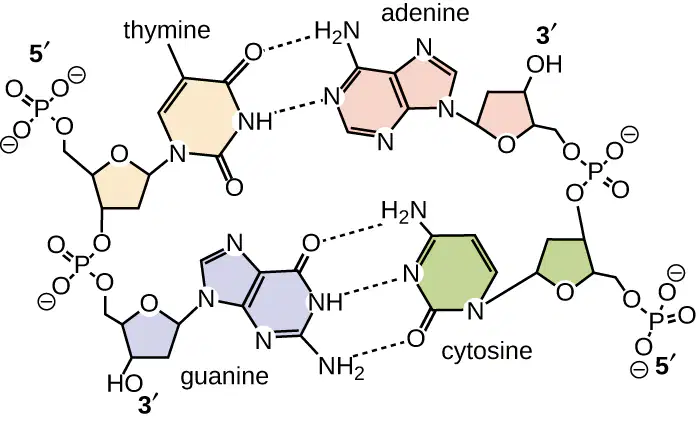
The weak attractive force depicted by the dotted lines is connecting the base pair 'ladder rungs' is a _______________. This is the same type of interaction that gives water its unique capabilities.
Covalent Bond
Ionic Bond
Hydrogen Bond
Carbon Bond
The study of how traits are inherited is called
The structure of DNA is called a
According to the Base Pairing rule of DNA which are the correct bonded pairs?
Adenine with Cytosine; Thymine with Guanine
Adenine with Guanine; Thymine with Cytosine
Adenine with Thymine; Cytosine with Guanine
Any purine with any pyramide
The base pairing rule in DNA has a pattern similar to ___________. In fact researchers are experimenting with using DNA for compact data storage.
binary code
Morse code
fingerprinting
the electromagnetic spectrum
A segment of DNA that codes for a specific protein or regulates a cell process is ____
alleles
chromosomes
gene
trait
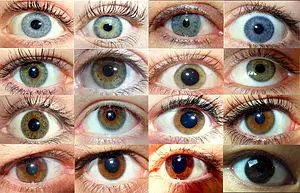
We all have genes that code to make our iris (colored portion of the eye). However those genes come in different versions known as _________________.
alleles
chromosomes
gene types
traits
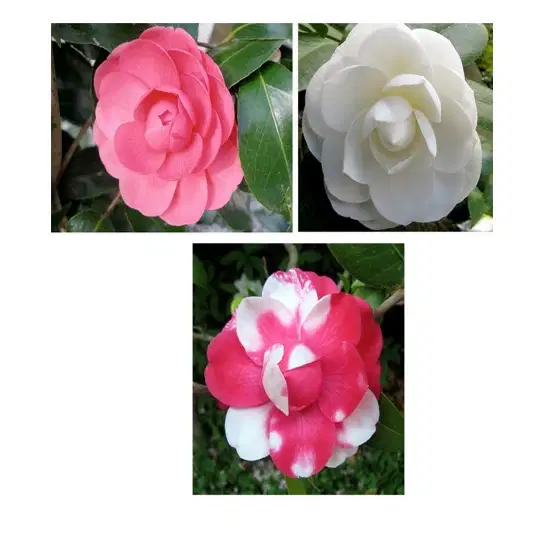
We each inherit one allele from each of our parents. The way these alleles interact with each other determines our physical traits, also known as our
genotype
allele combination
phenotype
charaterics
The alleles we inherit from our parents are not always observable in our traits, however they are still part of our genetic make up, also known as our
genotype
allele combination
phenotype
charaterics
When is DNA copied?
Metaphase
Prophase
Telophase
Interphase
The process of making a copy of DNA is known as
DNA replication
DNA duplication
DNA transcription
DNA translation
The enzyme that unzips DNA is
The opposite strands of DNA are called
New nucleotides are added to each of the complimentary strands by the enzyme

