
NEW
Font size
 Worksheets
Unit 10 Amendment Rights and Court Cases Review
Total questions: 32
Worksheet time: 25mins

How did the passage of the Voting Rights of 1965 impact political participation?
All persons who passed a literacy test could now vote.
All children of foreign citizens could now vote.
All African-Americans could now vote.
All women could now vote.

Based on the scenario above, which constitutional violation has occurred?
Calvin is arrested for committing a crime.
Calvin is sentenced to serve time in prison.
Calvin is not allowed to speak freely in court.
Calvin is not granted an attorney.
Larry is 19. He couldn’t vote last year because he had to be 21. This year, a new law has passed that allows him to vote.
15th Amendment
19th Amendment
23rd Amendment
24th Amendment
26th Amendment
When the Civil War was over, the United states ratified the 15th amendment which promised that a person's right to vote could not _____
be denied based on whether you were male or female
be denied based on race, color or previous condition as a slave
be denied even if a person was not a citizen
After the 15th Amendment was passed giving freed slaves the right to vote, some states used certain laws to try to prevent them from voting. These were called "Jim Crow" laws. One was a __________ (which is money a voter must pay to be able to vote)
crime tax
slave tax
poll tax
The _______ amendment to the Constitution gave women the right to vote in the year 1920
1st
14th
19th
Suffrage is a fancy word meaning _____
the right to vote
the process to amend the Constitution
suffering
The ___________ protects voting rights guaranteed in the Constitution
Legislative Branch
Civil Rights Act of 1965
Civil War Act of 1865
The ______amendment was passed in the year 1971 and set the national voting age to be 18
26th
14th
1st
Which of the following was an outcome of the Brown v. Board decision?
Segregation was deemed legal in the south
Schools that segregate were found to deny equal protection
Jim Crow was no longer allowed to be used as a character
School were allowed to segregate but businesses were not
US v. Nixon is considered a landmark case because it provided what lesson for future leaders?
You must obey a court order
The president is accountable for enforcing the law
The president is not above the law
The president is not allowed to have private meetings
Which of the following ideas BEST describes what protection we have from the case Miranda v. Arizona?
Self- incrimination
Right to counsel
Freedom of speech
Freedom of expression
Students have limited freedom of speech in a school setting. Which of the following cases helped prove that point?
Plessy v. Ferguson
Gideon v. Wainwright
In re Gault
Hazelwood v. Kuhlmeier
Judicial Review allows the Supreme Court to do what?
Find persons innocent until proven guilty
Determine if a law is unconstitutional
Limit the number of cases they hear
Determine who will be the next Chief Justice
Which court case established Judicial Review?
Plessy v. Ferguson
In re Gault
Tinker v. Des Moines
Marbury v. Madison
What is due process?
people who are accused of crimes do not have to testify
people who are accused of crimes must be read their rights
people who are accused of crimes must be treated fairly
people who are accused of crimes deserve to go to jail
This case started with a prank phone call.
Tinker v. Des Moines
In Re Gault
DC v. Heller
Gideon v. Wainwright
Which of the following was the focus of Plessy v. Ferguson?
Due process rights
Freedom of speech
Judicial Review
Separate but equal

What does this court decision illustrate?
The court has the power to discriminate based on race.
The court has the power of judicial review.
The court is a district court.
The court is a trial court.
This case deals with your right to counsel in a courtroom.
Miranda v. Arizona
District of Columbia v, Heller
Gideon v. Wainwright
In re Gault
Some of the background to this case included a hotel break-in and taping people without their knowledge.
Bush v. Gore
US v. Nixon
District of Columbia v. Heller
Marbury v. Madison
Which of the following Supreme Court Decisions was overturned by the ratification of the 13th and 14th Amendments?
Marbury v. Madison
Dred Scott v. Sandford
Plessy v. Ferguson
Brown v. Board of Education
Allowed for the censorship (blocking) of materials / stories written in school newspapers.
Plessy v Ferguson
Tinker v Des Moines
Marbury v Madison
Hazelwood v Kuhlmeier
Juveniles are allowed to have “Due Process” rights. (right to a trial, right to an attorney, right to question witnesses, etc.)
District of Columbia v Heller
Tinker v Des Moines
In Re Gault
Miranda v Arizona
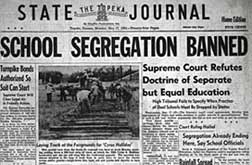
Ruled that “Separate but Equal” was Unconstitutional.
Hazelwood v Kuhlmeier
Marbury v Madison
Plessy v Ferguson
Brown v Board of Education
A person accused of a crime no matter how poor has the right to an attorney during trial. Enforces the 6th Amendment.
Tinker v Des Moines
Gideon v Wainwright
Miranda v Arizona
United States v Nixon
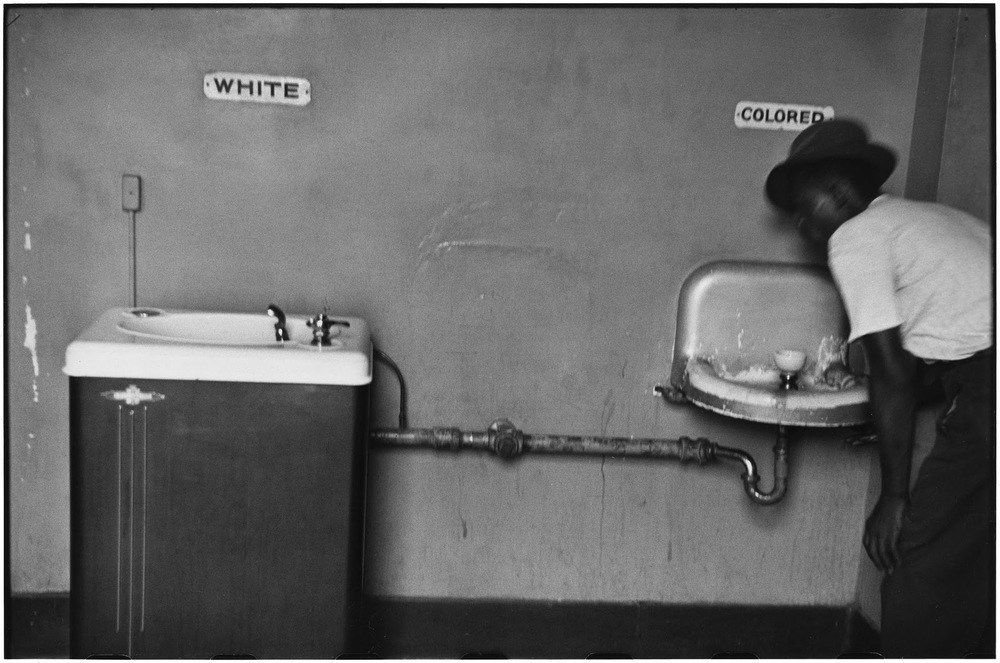
Established “Separate but Equal”, which provided separate public facilities for both whites and blacks as long as they were equal.
District of Columbia v Heller
In Re Gault
Brown v Board of Education
Plessy v Ferguson
Established the Supreme Courts power of “Judicial Review” to see if laws are Constitutional / Unconstitutional. (Judicial Branch interprets the laws)
Marbury v Madison
Hazelwood v Kuhlmeier
In Re Gault
District of Columbia v Heller
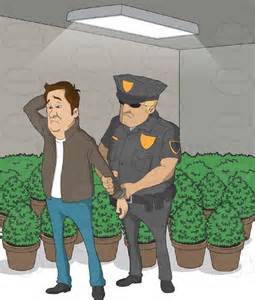
Suspects cannot be questioned (interrogated) until they are informed of their rights (right to remain silent, right to an attorney, etc.)
Brown v Board of Education
Miranda v Arizona
Tinker v Des Moines
Bush v Gore

