
 Worksheets
Day 7 Capacitance and Inductance
Total questions: 28
Worksheet time: 14mins
Capacitors were also known as a:
condenser
tap
current holder
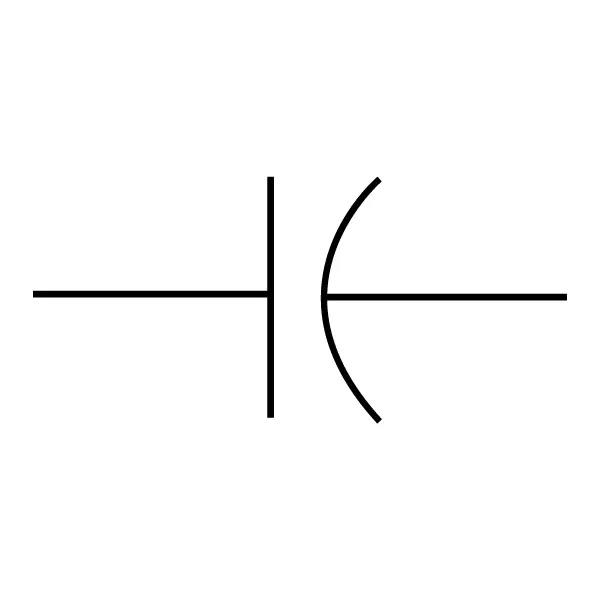
This schematic symbol represents a:
Unit of measure for capacitors is:
What is the insulating material between two metal plates in the capacitor known as:
The time required for the voltage across the capacitor to rise to 63.2 % of the source voltage is known as the:
Which component acts as a reservoir of voltage
This specifies the maximum DC voltage that can be applied without the risk of damage
Breakdown voltage
The working voltage of a capacitor selector should be at least ___ greater than the highest voltage to be applied.
20%
25%
75%
50%
(1)The area of storage plates
(2) The separation between the plates
(3) The composition of the Dielectric
Affects which component:
Capacitors are divided into which of these two groups:
fixed and variable capacitors
Which type of capacitor is made of metal foil plates separated by sheets of mica, which form the dielectric
The type of variable capacitors are designed to allow changing the value of capacitance easily:
Tuning capacitors
Small adjustable capacitors are referred to as(uses plastic and ceramic as dielectric):
True or False: Current leads the applies voltage 90 degrees out of phase in a capacitive circuit
This is known as the opposition to the flow of AC caused by the capacitance in the circuit
Unit of measure for capacitive reactance:
The voltage induced into the conductor is of such a polarity that it opposes the change that caused it is known as:
Back voltage is also commonly referred to as:
Counter electromagnetic force
Inductance is represented by which letter:
Unit of measure for inductor:
Unit of measure for inductive reactance:

This schematic symbol represents:

This schematic symbol represents:
Inductors that are used to change the values of current and voltage:
Transformers
The inductors that are used to filter out unwanted audio and radio frequency energy in AC circuits:
Chokes
When alternating current flows in a conductor, the changing lines of flux radiate out and cut across other nearby conductors. This is known as:
Self-inductance
Transformers operation is based on what type of inductance:
Inductive reactance and capacitance may create a ___ between the voltage and current in an AC circuit:
phase shift

