
NEW
Font size
 Worksheets
Getting ready for April’s solar eclipse; take a look at eclipses
Total questions: 12
Worksheet time: 6mins
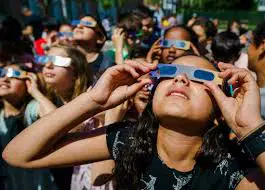
Which sentence from the article is
BEST supported by the photos from South Africa, Chile and Vietnam
in the section “The Path Of The April Eclipse”?
Eclipses have fascinated humanity for thousands of years.
But even people outside of these areas will get a partial glimpse of the eclipse.
On April 8, the eclipse will dazzle millions of people as it races across North America.
Korreck recalled an eclipse she saw years ago.
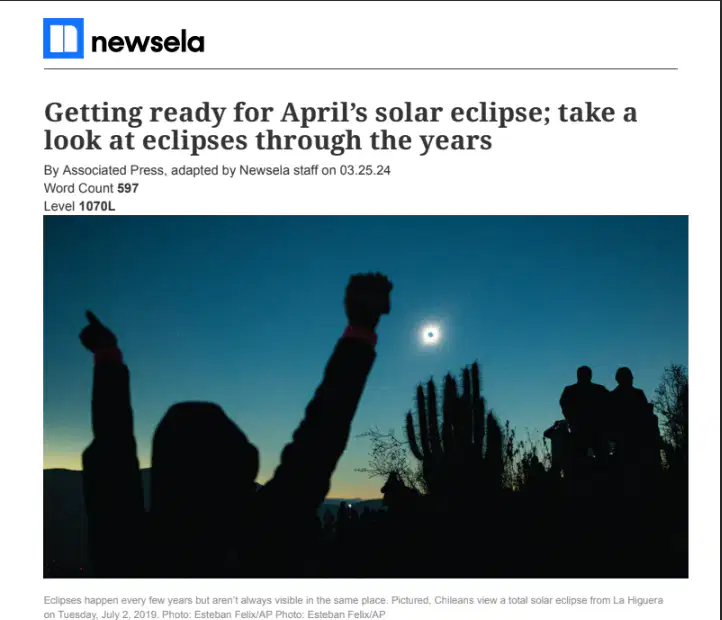
What is the primary purpose of using headings and subheadings in the article?
To provide the main argument of the text in a summarized form.
To organize the text into sections that are easy to navigate and understand.
To list all the sources and references used in the writing of the text.
To entertain the reader with interesting facts unrelated to the main text.
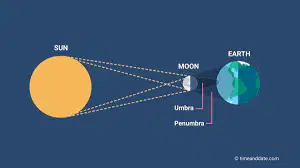
A solar eclipse requires precise timing of celestial bodies passing in space.
Which sentence from the article provides the BEST support for the statement?
During an eclipse, one object in space, like a planet or moon, passes through the shadow of another
object in space.
Solar eclipses are a moment in time when skies darken and stillness creeps in.
A solar eclipse happens when, at just the right moment, the moon passes between the sun and Earth.
From our perspective on Earth, the moon completely blocks the sun’s light for a brief time.
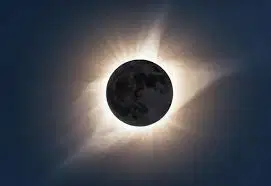
Which sentence from the section "The Path Of The April Eclipse"
BEST explains why the sun’s corona is rarely seen by humans?
The moon will block the sun for up to 4 minutes, 28 seconds.
“The sight of a total solar eclipse is stunning because the most beautiful celestial object — the sun’s
corona — is hidden from us all our lives except for the precious moments of totality,” said Michael Zeiler.
The sun’s corona is the outermost part of the sun’s atmosphere, which is the layer of hot gas that
surrounds the sun.
The corona is usually hidden by the bright light of the sun’s surface, except during an eclipse.
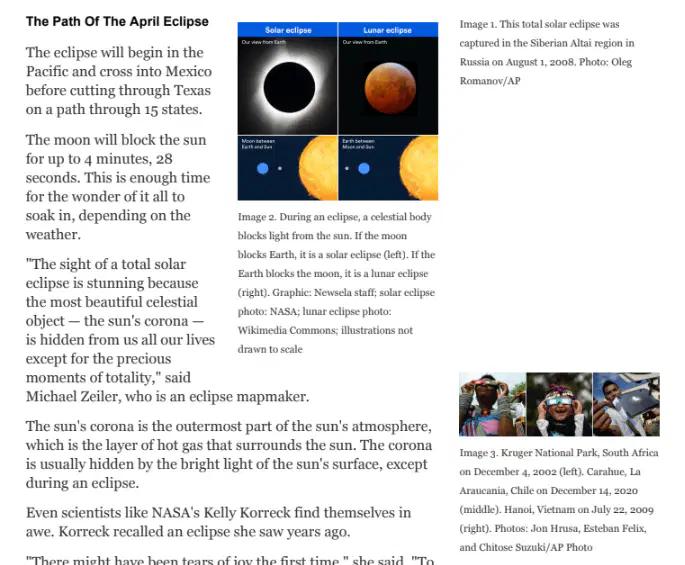
Which option accurately describes how the images included
in the article affect the reader’s understanding of solar eclipses?
They outline the April 8 eclipse’s pathway, highlight public interest and show what a person can expect
to see.
They illustrate the darkness of a total eclipse, show how they affect people and explain scientific
technology.
They explain why an eclipse occurs, illustrate what an eclipse looks like and show how to view
one safely.
They highlight a scientist’s reaction, explain how often an eclipse occurs and emphasize safety
concerns.
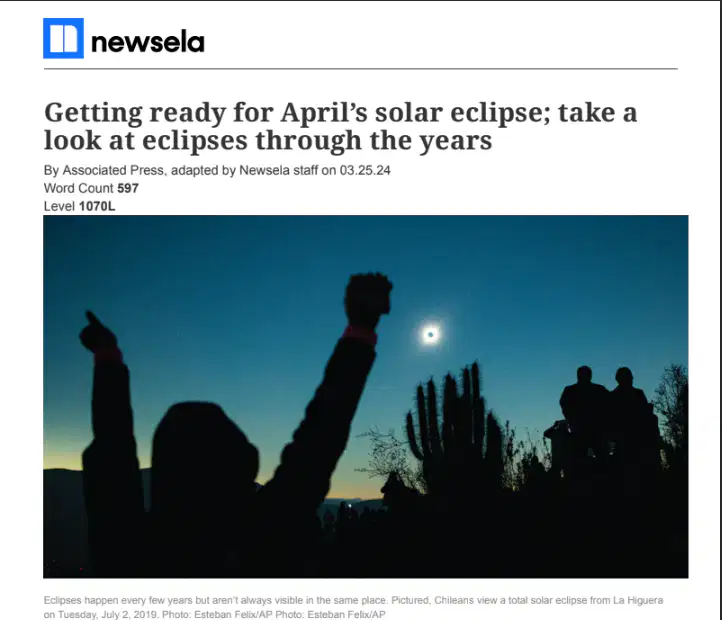
The author's purpose of the article
Getting ready for April’s solar eclipse; take a look at eclipses through the years
is to __________ the reader.
inform
persuade
entertain
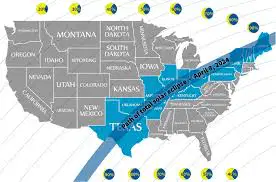
Identify the text structure that is used in this sentence from the article:
The eclipse will begin in the Pacific and cross into
Mexico before cutting through Texas on a path through 15 states.
Compare and Contrast
Sequence/ Chronological Order
Problem and Solution
Cause and Effect
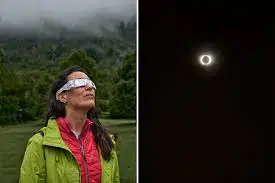
Do not use regular sunglasses because they are not safe for direct viewing.
This sentence from the article utilizes which type of text structure?
sequence of events
compare and contrast
cause and effect
problem and soution
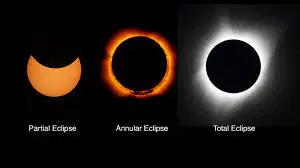
What happens during a solar eclipse from our perspective on Earth?
The Earth passes between the sun and the moon.
The sun moves behind the Earth, causing darkness.
The moon completely blocks the sun's light for a brief time.
The sun and moon switch places in the sky.
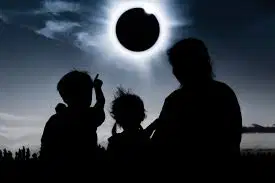
How long will the moon block the sun during the April eclipse mentioned in the article?
Up to 2 minutes, 30 seconds.
Up to 3 minutes, 15 seconds.
Up to 4 minutes, 28 seconds.
Up to 5 minutes, 10 seconds.
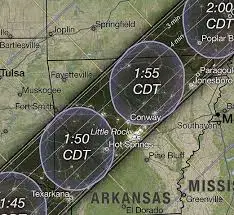
What is the path of totality?
The area where a lunar eclipse can be viewed.
The area where a full eclipse can be viewed and appears as total darkness.
The path the moon takes every night.
The trajectory of the sun during an eclipse.
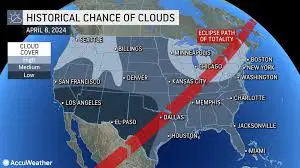
Through which areas will the April eclipse travel?
Across the Atlantic, through Europe, and into Asia.
From the Arctic Circle, through Russia, and ending in the Middle East.
From the Pacific, through Mexico, across 15 states, and over Canada and the North Atlantic.
Starting in South America and moving up through Central America and the Caribbean.

