
Font size
 Worksheets
Sports Economics Australia
Total questions: 69
Worksheet time: 36mins
What is the concept of opportunity cost in sports economics?
The concept of opportunity cost in sports economics refers to the value of the next best alternative that is foregone when a decision is made involving scarce resources.
Opportunity cost in sports economics is the same as the sunk cost fallacy.
Opportunity cost in sports economics refers to the total revenue generated by a sports team.
Opportunity cost in sports economics is the financial cost of participating in sports events.
Explain the term 'salary cap' and its impact on sports teams.
A salary cap only applies to certain positions within a team.
A salary cap allows teams to spend an unlimited amount of money on player salaries.
A salary cap is a limit on the number of players a team can have on its roster.
A salary cap is a limit on the amount of money a team can spend on player salaries. It promotes parity among teams and prevents wealthier teams from dominating the league.
How do sports teams generate revenue besides ticket sales?
Parking fees, ticket refunds, player fines
Merchandise sales, broadcasting rights, sponsorships, advertising, concessions, licensing deals, hosting events
Discuss the role of endorsements in sports economics.
Endorsements in sports economics provide athletes with additional income opportunities and contribute to the growth of the sports industry.
Endorsements in sports economics are illegal
Endorsements in sports economics have no impact on athletes' income
Endorsements in sports economics lead to a decrease in the sports industry
What are the economic implications of hosting major sporting events like the Olympics?
Hosting major sporting events like the Olympics can boost tourism, create jobs, and stimulate infrastructure development, but it can also lead to high costs, potential debt, and underutilization of facilities post-event.
Hosting major sporting events like the Olympics always results in profit
Hosting major sporting events like the Olympics never leads to debt
Hosting major sporting events like the Olympics has no impact on the economy
Explain the concept of market value in sports economics.
Market value in sports economics is the price at which a player, team, or sports entity would be traded in a competitive market.
Market value in sports economics is the cost of tickets for sporting events.
Market value in sports economics is the amount of revenue generated by a sports league.
Market value in sports economics is the number of wins a team has in a season.
How do player contracts affect the financial health of sports teams?
Player contracts allocate a significant portion of the team's budget to player salaries, impacting the financial health by limiting investments in other areas.
Player contracts allow teams to invest more in infrastructure and facilities
Player contracts have no impact on the financial health of sports teams
Player contracts increase the team's revenue by attracting more sponsors
Discuss the impact of globalization on sports economics.
Globalization has made sports more exclusive, reducing accessibility and participation among diverse populations.
Globalization has led to a decrease in sports viewership and interest, resulting in lower revenue for sports organizations.
Globalization has increased revenue streams through international broadcasting rights, sponsorships, and merchandise sales, as well as created global sports leagues and tournaments, attracting a larger audience and increasing the value of sports franchises.
Globalization has caused sports leagues to become more localized, limiting their reach and impact on a global scale.
What is the significance of TV broadcasting rights in sports economics?
TV broadcasting rights are crucial in generating revenue for sports organizations, teams, and leagues, impacting player salaries and financial stability.
TV broadcasting rights do not affect financial stability
TV broadcasting rights have no impact on sports economics
TV broadcasting rights only benefit players directly
Explain the concept of price discrimination in the context of sports economics.
Price discrimination in sports economics involves charging different prices to different consumer groups based on their willingness to pay, maximizing revenue by capturing surplus.
Price discrimination in sports economics means offering discounts to consumers based on their loyalty to the team.
Price discrimination in sports economics involves charging the same price to all consumers regardless of their willingness to pay.
Price discrimination in sports economics refers to setting prices based on the cost of production.
What role do sports agents play in sports economics?
Sports agents negotiate contracts for players, securing the best possible financial deals and endorsements, which can significantly impact a player's income and the financial dynamics of sports teams.
Sports agents only provide legal advice to players and do not participate in economic activities.
Sports agents have no role in sports economics.
Sports agents are primarily concerned with coaching and training athletes.
How does fan engagement through social media platforms impact sports economics?
Fan engagement through social media has no significant impact on sports economics.
Increased fan engagement on social media platforms can lead to higher ticket sales, merchandise sales, and sponsorship deals, thereby boosting revenue for sports teams and leagues.
Social media engagement decreases the value of sports teams due to negative publicity.
Social media platforms are only used for broadcasting games and do not facilitate fan engagement.
What is the impact of sports betting on sports economics?
Sports betting generates significant revenue for sports leagues and teams through partnerships and sponsorships with betting companies.
Sports betting has led to a decrease in viewership of sports events.
Sports betting is illegal and has no impact on sports economics.
Sports betting only benefits the betting companies and has no financial impact on sports leagues or teams.
How does the implementation of advanced analytics impact team performance and decision-making in sports economics?
Advanced analytics have no significant impact on team performance or decision-making in sports economics.
Advanced analytics primarily benefit the marketing departments of sports teams and have little impact on performance.
Advanced analytics provide teams with insights into player performance, injury prevention, and game strategy, leading to improved decision-making and competitive advantage.
Advanced analytics increase the cost of operations for sports teams without providing any real benefits.
What is the role of fan loyalty in the financial success of sports teams?
Fan loyalty has a minimal impact on the financial success of sports teams as it does not translate to revenue.
Fan loyalty is crucial for financial success as it drives merchandise sales, ticket sales, and can attract sponsorships, contributing to a team's revenue.
Fan loyalty only affects the team's performance on the field and has no financial implications.
Fan loyalty leads to increased costs in fan engagement activities without significant financial returns.
Discuss the economic effects of player transfers on the selling and buying clubs in sports economics.
Player transfers have no economic effects on the selling or buying clubs.
Player transfers can lead to financial instability for both selling and buying clubs due to unpredictable transfer fees.
For the selling club, player transfers can result in immediate financial gain and potential loss in team strength, while buying clubs may gain in team strength but face financial pressure from transfer fees.
Player transfers only benefit the players involved and have no impact on the clubs' economics.
who is the father of economics?
Ricardo
marshal
Adam smith
J B Say

Which of these examples is a service?
Mr. Farr sells guitars.
Mr. Swenson gives art supplies to consumers.
Coach provides lessons for different sports.
Ms. Miller writes books.
Which of the following is/are the branches of Economics?
Micro Economics
Macro Economics
None of above
The basic idea of choice presents which of the problems described below in economics?
People get to decide what they want.
Businesses can sell what they want.
Decisions produce costs.
Choice is a way of life.
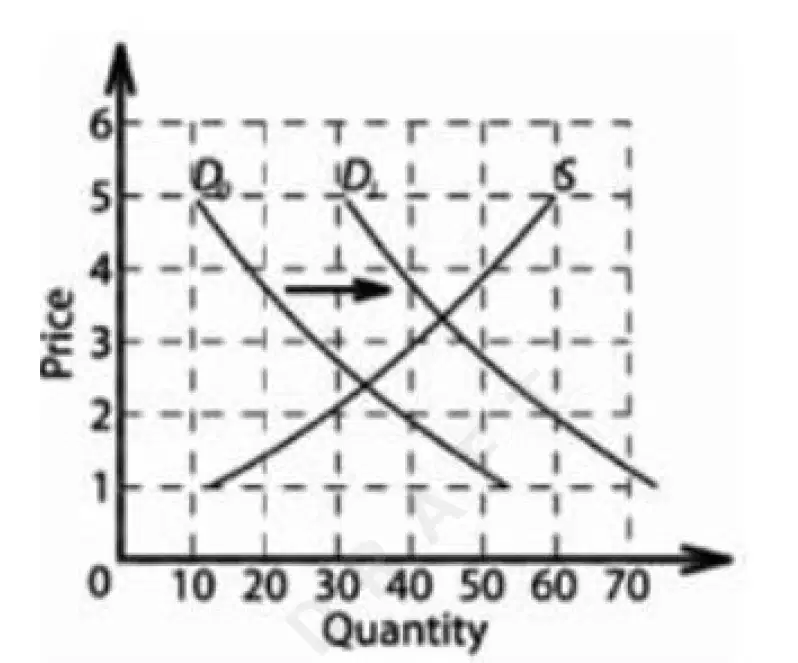
Which of the following would most likely cause the shift shown in the graph above?
A new, popular model of cell phone just came on the market.
The cost of parts for cell phones has gone up.
Cell phone salesmen are working overtime to sell their phones.
The cell phone company made a large profit this year.
Scarcity is a basic economic problem because -
resources are limited
governments limit production
opportunity costs limit demand
people have trouble making choices
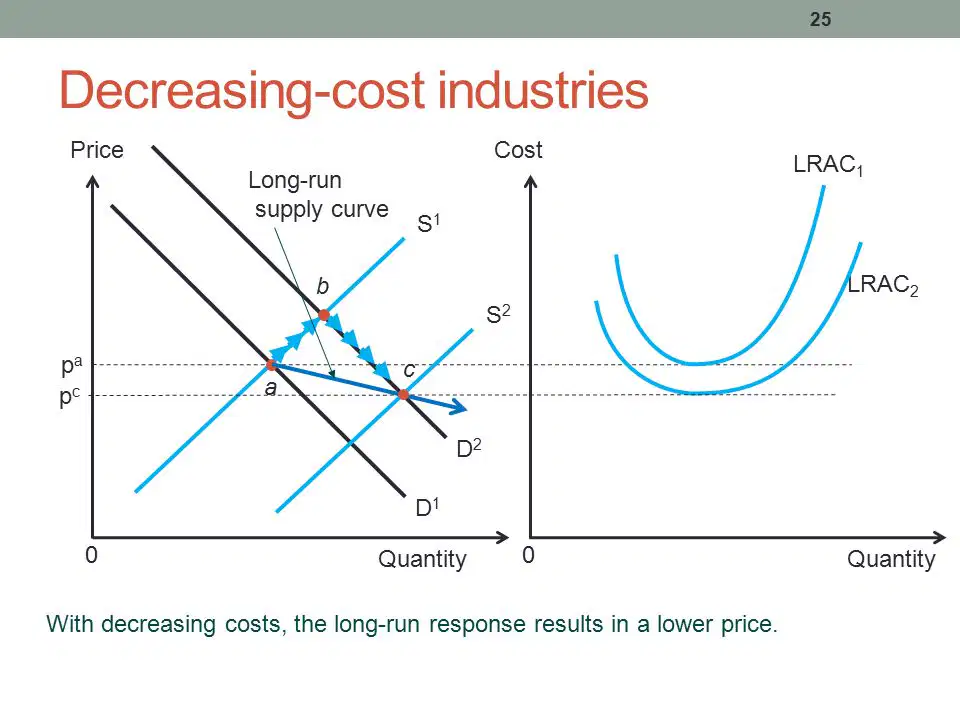
In a supply and demand graph, what likely happens if the cost of parts for
automobile products decreases?
A. The demand curve for automobiles shifts to the right.
B. The supply curve for automobiles shifts to the right.
C. The supply curve for automobiles shifts to the left.
D. The demand curve for automobiles shifts to the left.
Which of the following is a basic characteristic of all economic systems?
Price controls
Wage incentives
Small business owners
Distribution of goods and services
How do you calculate revenue?
sales x price
price x cost
cost + sales
sales - total price
What is another name for a business' sales revenue?
Sales
Costs
Sales turnover, turnover or revenue
Profit and Loss
Which type of profit shows how successful the business activity has been?
Operating Profit
Sales
Expenses
Dividends
If a business's costs exceeds it sales revenue, it will experience a ........?
loan
profit
loss
debt
Which group is interested in a business's profit and loss account?
Stillholders
Stileholders
Stakeholders
Staleholders
The profit and loss account is used by people who may want to become?
customers
suppliers
consumers
investors
Who would be pleased if they looked at a profit and loss account and it showed a loss?
Competitors
Investors
Shareholders or Lenders
the Inland Revenue
What is a profit?
One of the 4 P's of marketing
a financial gain
where someone loses money
What is a loss?
One of the 4 L's of marketing
an increase in financial value
Where one owes money because the profit did not reach the money spent
I have no idea
What is revenue?
The amount of money a sports franchise loses
The amount of money a company spends during an event
NOT THIS ONE
The amount of money a company or team actually receives during a specific period or after an event
If the cost price of an item is $10 and the selling price is $12, was a profit or a loss made?
profit
loss
neither
If the price of a good or service decreases what will happen to the demand for it?
increase
decrease
stay the same
who knows
If the price of a good or service increases what will happen to the demand for it?
increase
decrease
stay the same
who knows

If the price of printers goes down, what happens in the market for ink cartridges?
Supply increases.
Supply decreases.
Demand increases.
Demand decreases
What is a consumer?
a person who takes things
a person who purchases goods and services for personal use
a person who takes good away
the economic factors affecting the price, demand, and availability of a commodity
What is a producer?
a person who gives goods away
things people would like to have
the exchanged of goods and services without the use of money
a person, company, or country that makes grows, or supplies goods for sale
What is a free market economy?
An economy based on supply and demand with little or no government control
The international exchange of goods
An economy in which decisions are made by the government
An economy that is communist
If the supply of a good is higher than the demand, what happens to the price?
stays the same
price increases
price decreases
Basic things humans need to survive
want
import
need
Extras that make life more enjoyable
need
want
savings
not being able to meet all wants at the same time
demand
supply
scarcity
Actions that people do for others
goods
services
supply
What is supply?
the amount of an item you have
how many people want your good/service
the money you have left over after you paid your bills
What is demand?
the amount of an item you have
how many people want your good/service
the money you have left over after you paid your bills
things purchased by consumers
goods
consumer
producer
supply
A person who provides a good or service
producer
need
want
consumer
Which of the following is an example of a service? Select ALL that apply.
Burger King
sofa
teaching
construction

Which choice best describes the economic problem of scarcity in the world?
People have limited wants there is an unlimited amount of resources.
People have unlimited wants but there is a limited amount of resources
People have no wants so resources don't matter

