
 Worksheets
Ecology
Total questions: 22
Worksheet time: 11mins

A single living thing (ex: 1 elephant)
Organism
Population
Community

A group of living organisms of the same species that live in a specific area (ex: a herd of elephants in an area in Africa)
Organism
Population
Community

Made up of all the populations of different species that live and interact in an area (ex: all elephants, zebras, birds, grasses, plants, etc.)
Organism
Population
Community
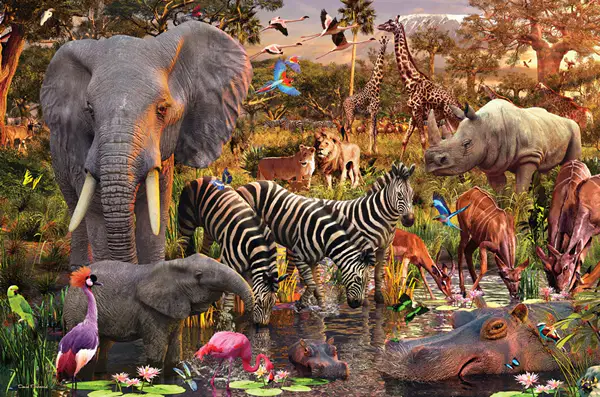
a community of organisms and their nonliving environment (abiotic & biotic)(ex: elephants, zebras, birds, grasses, water). This the 1st level to bring in nonliving (abiotic) parts of the environment.
ecosystem
biosphere
community

thin layer of Earth and its atmosphere where life exists
Biosphere
ecosystem
organisms
TRUE or FALSE: Levels of organization from smallest to largest: Organism, Population, Community, Ecosystem and Biosphere
True
False

The study of interactions of living things with one another and with their environment.
Biotic
Ecology
Law of Conservation of Energy
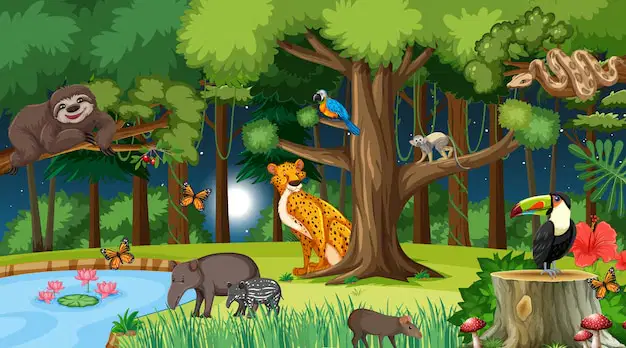
Living factors in an environment (ex: grass, fish, insects, birds, etc.)
Biotic
Abiotic
Heat
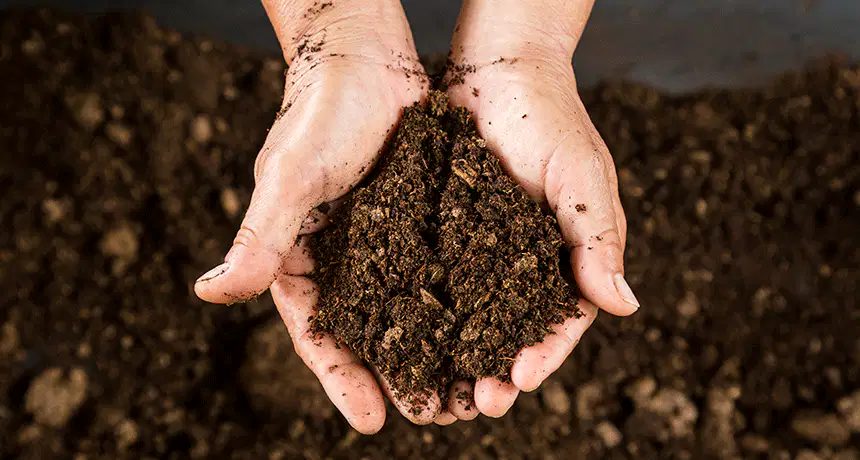
Nonliving parts of the environment
Biotic
abiotic
heat
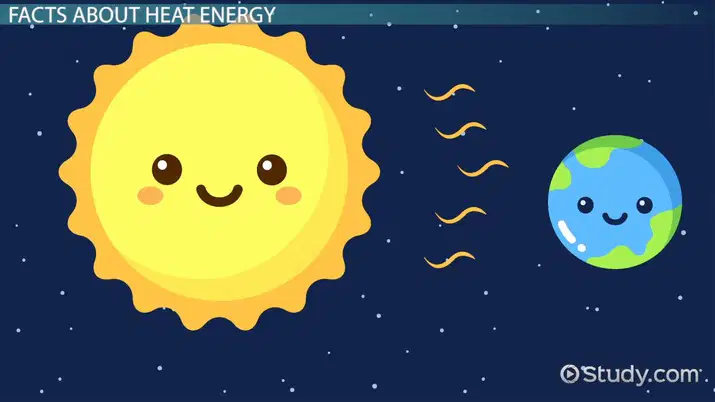
True or False: Heat energy flows from hot to cold
true
false

Energy cannot be created or destroyed
Newtons 3rd Law
Law of Conservation of Energy
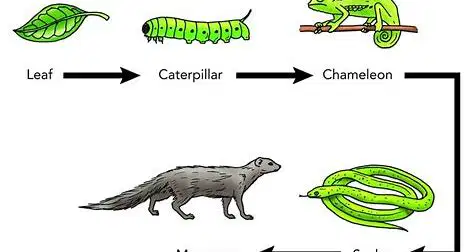
series of steps in which organisms transfer energy by eating and being eaten (arrows go in the direction of how the energy is transferred)
food chain
producer
parasite
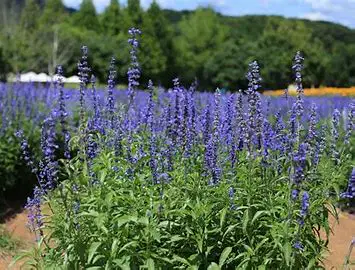
also called an autotroph - use light or chemical energy to make food through the process of photosynthesis
consumer
producer
decomposer
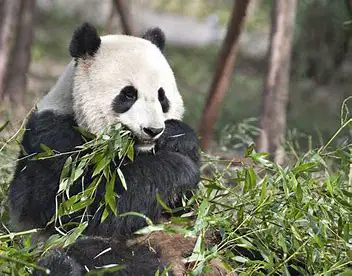
also called a heterotroph - organisms that eat other organisms for their energy
Consumer
Producer
Decomposer
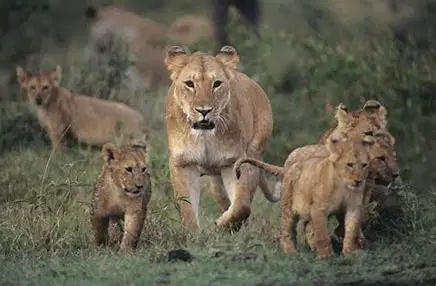
eat only animals
omnivore
carnivore
producer
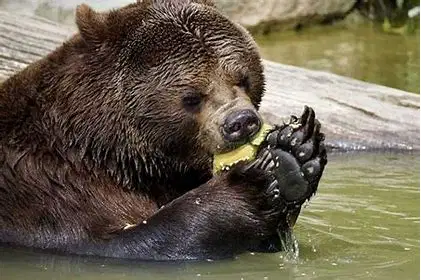
eats plants and animals
herbivore
carnivore
omnivore
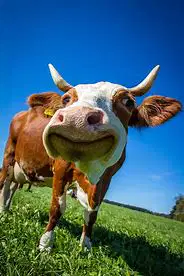
obtain energy be eating only plants
omnivore
Herbivore
carnivore
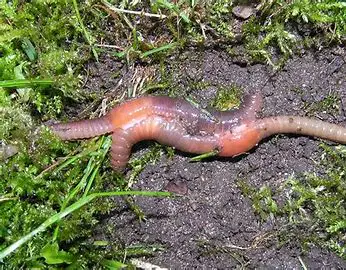
break down dead organiz matter (fungi, bacteria, worms)
decomposer
producer
herbivore
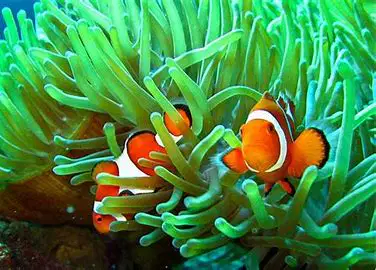
long term relationship between two or more different species
commensalism
Food Web
Symbiosis
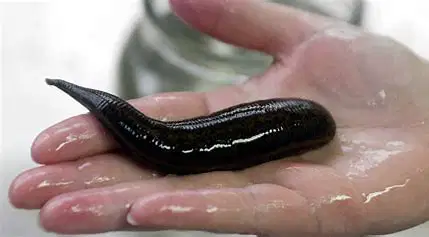
One organism benefits while the other is harmed (win-lose)
Commensalism
Parasitism
mutualism
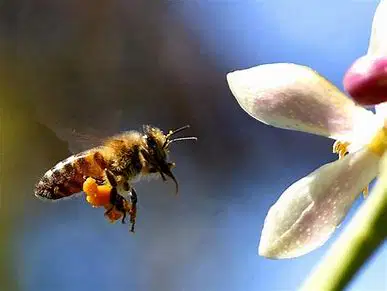
Both benefit (win-win)
Mutualism
Commensalism
Parasitism
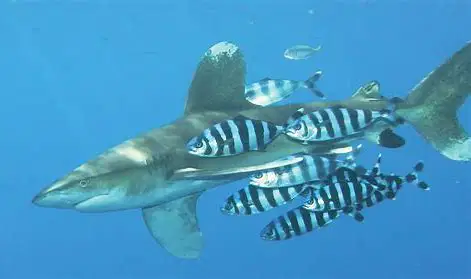
One organism benefits while the other is unaffected/doesn't care
Mutualism
Commensalism
Parasitism

