
Font size
 Worksheets
7th Grade FAST Prep Semester 1 Standards
Total questions: 50
Worksheet time: 2hrs 40mins

What does the ad hominem fallacy involve?
The use of popular mass appeal to convince others
The use of a flawed comparison to assume a similarity exists
The use of finger-pointing or name-calling to attack the person instead of the argument
The use of an extreme example that is highly unlikely

Which fallacy is characterized by the use of popular appeal to convince others to do or believe something because everyone else does?
Slippery slope
Bandwagon
Hasty generalization
Strawman

What does a hasty generalization fallacy refer to?
The use of an extreme example that is highly unlikely to try to discredit the action or words of another
The use of quick judgment that is not based on facts but on a very limited experience
The use of a completely unrelated fact to shift a conversation or change the subject
The use of assuming that if one thing happens, it will result in multiple other worse things happening

What is a false analogy fallacy?
The use of a completely unrelated fact to shift a conversation
The use of quick judgment that is not based on facts
The use of assuming that if one thing happens, it will result in other worse things happening
The use of a flawed comparison to assume a similarity exists between two things because another similarity between them exists

What is a red herring fallacy?
The use of a flawed comparison to assume a similarity exists
The use of an extreme example that is highly unlikely
The use of a completely unrelated fact to shift a conversation or change the subject
The use of quick judgment that is not based on facts

What is the slippery slope fallacy?
The use of finger-pointing or name-calling to attack the person instead of the argument
The use of a flawed comparison to assume a similarity exists
The use of quick judgment that is not based on facts but on a very limited experience
The use of assuming that if one thing happens, it will result in multiple other worse things happening

What is dialogue in a story? (there are 2 correct answers)
When the narrator speaks.
When characters speak.
The use of quotation marks.
The main theme of the story.

Which fallacy involves the use of an extreme example that is highly unlikely to try to discredit the action or words of another?
Ad hominem
Bandwagon
Hasty generalization
Strawman
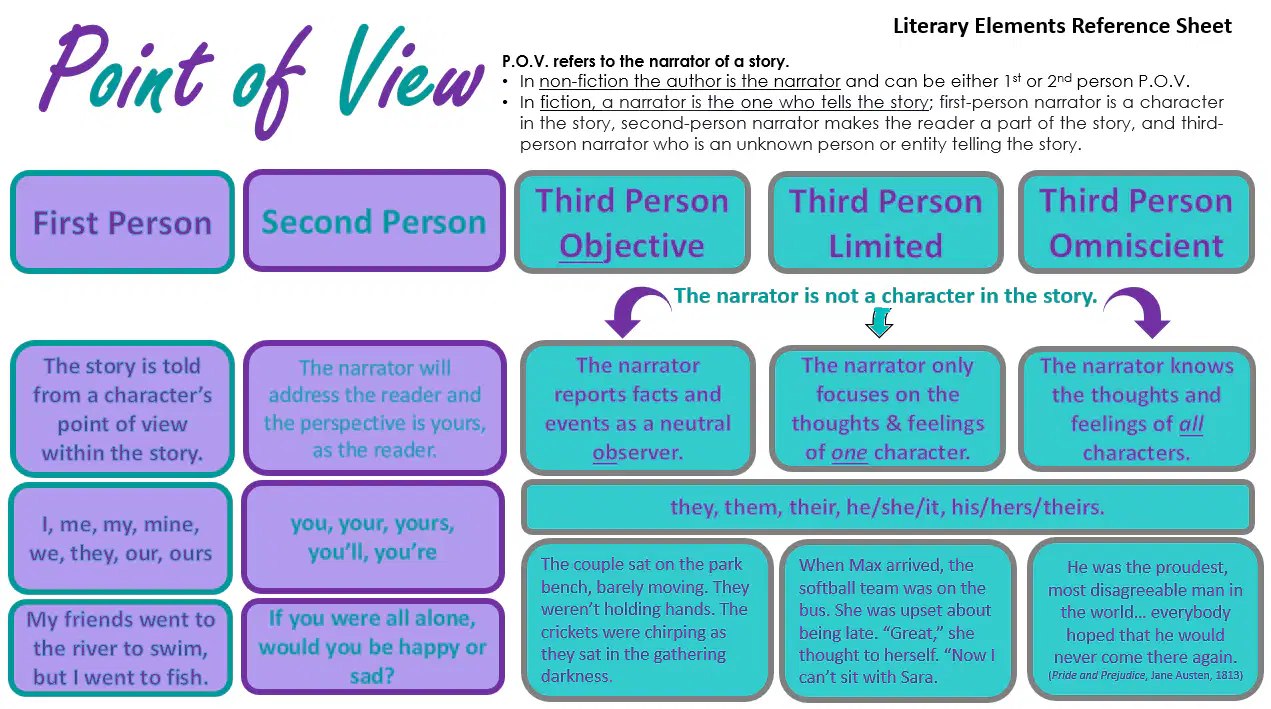
What is narration in a story?
The background description.
When the narrator speaks.
The use of quotation marks.

What do quotation marks do in a story?
Indicate the main theme.
Describe the setting.
Separate narration from dialogue.
Show the action.
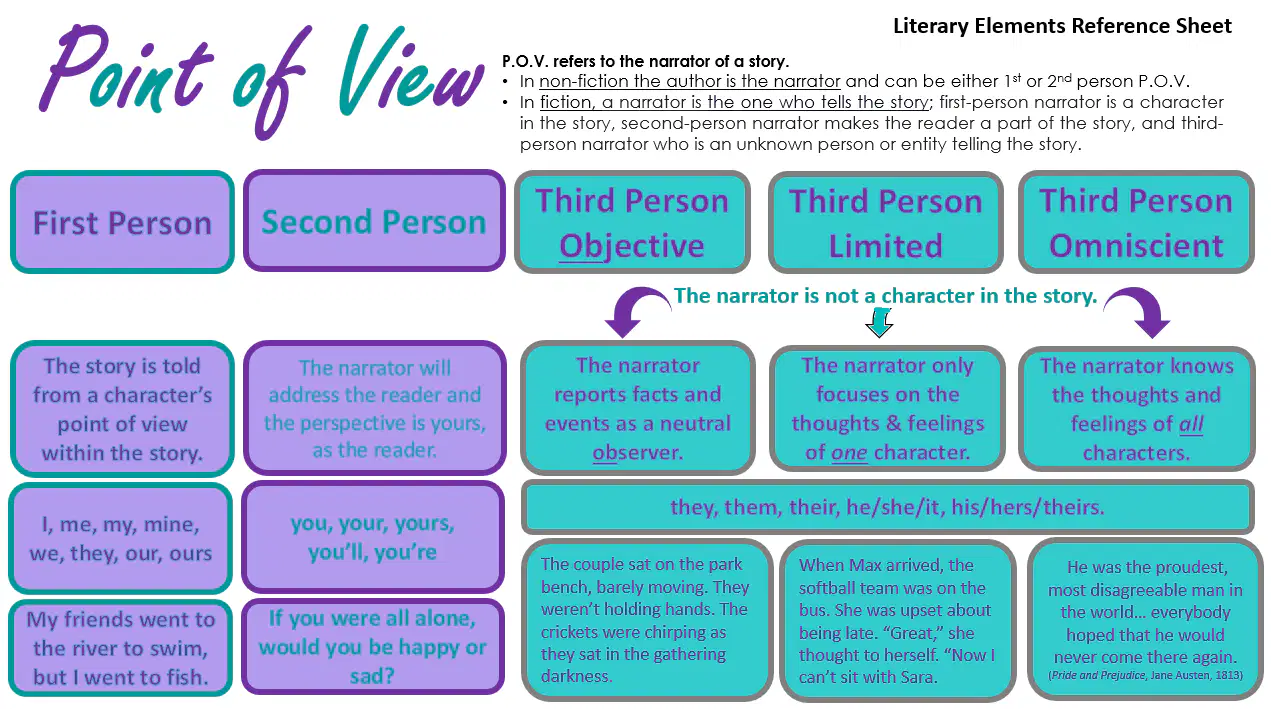
Which pronouns are typically used when the narrator is speaking about their own experiences in the first-person perspective?
he, she, her, they, them
I, me, my, mine, we, us, ours
you, your
they, them, their, theirs
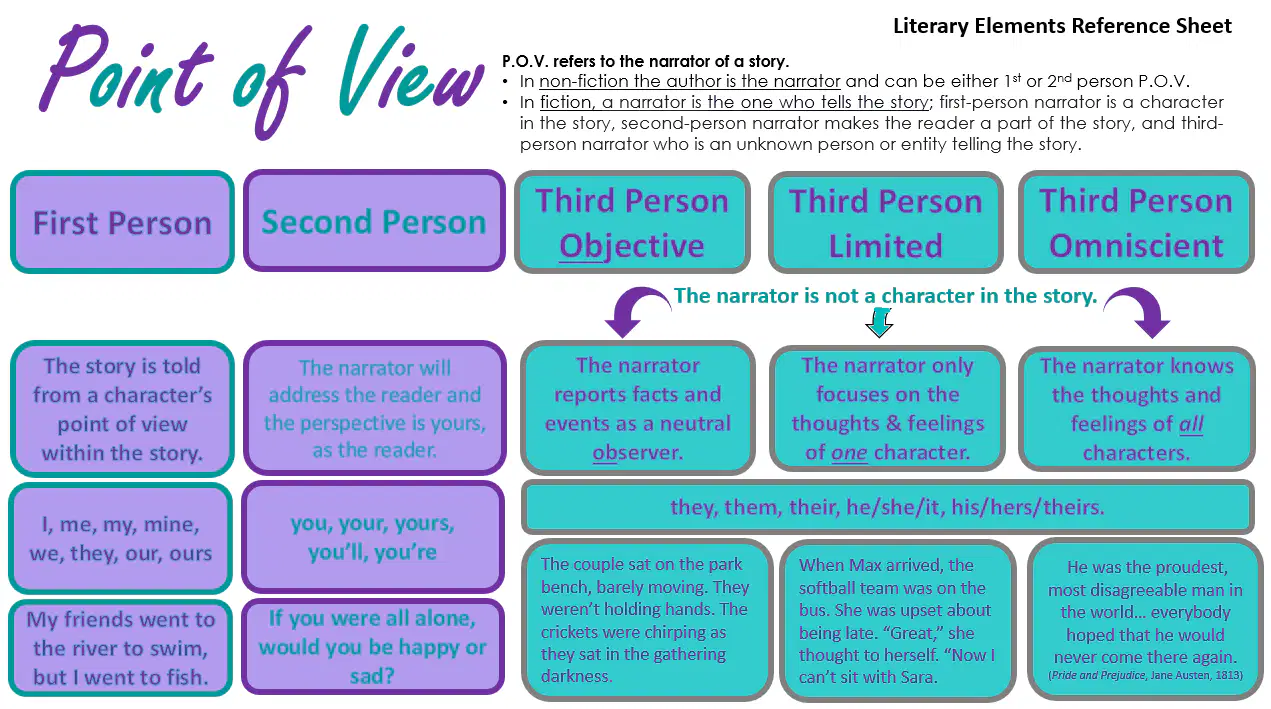
What pronouns would you find in a text that is written from the second-person perspective?
I, me, my, mine, we, us, ours
he, she, her, they, them
you, your
they, them, their, theirs
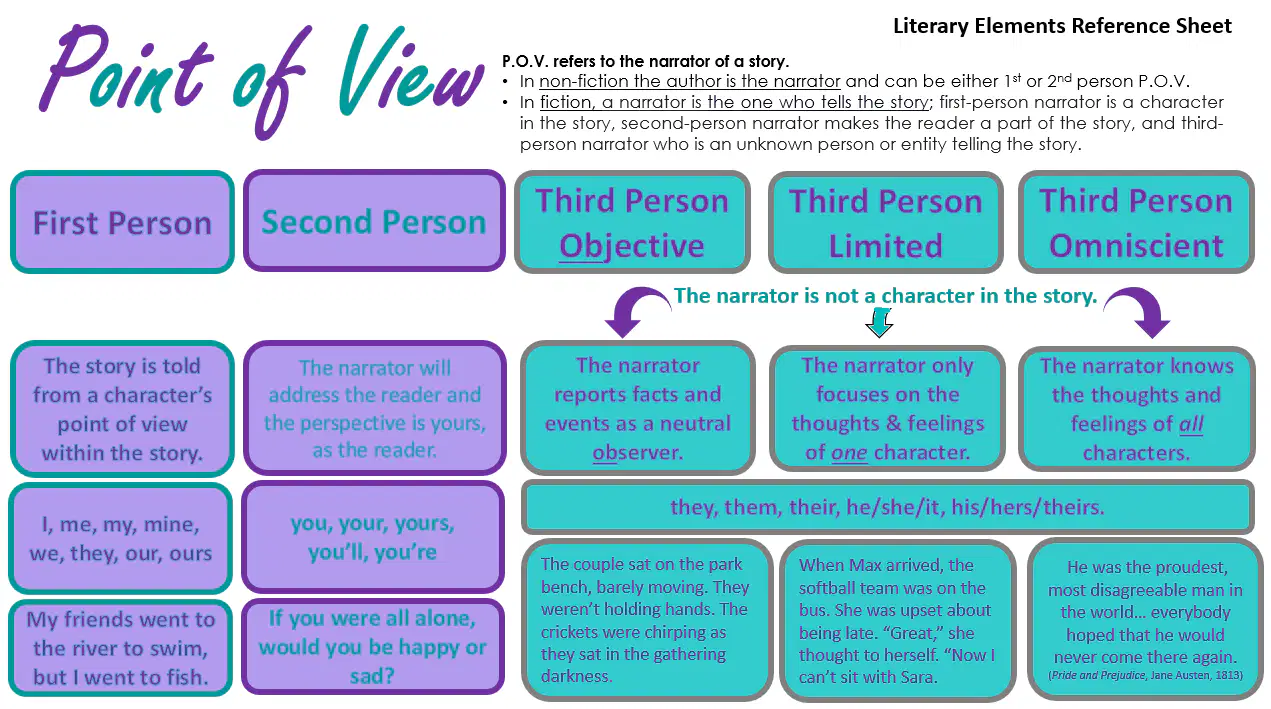
If a story is told from the third-person perspective, which pronouns are likely to be used?
I, me, my, mine, we, us, ours
you, your
he, she, her, they, them
they, them, their, theirs
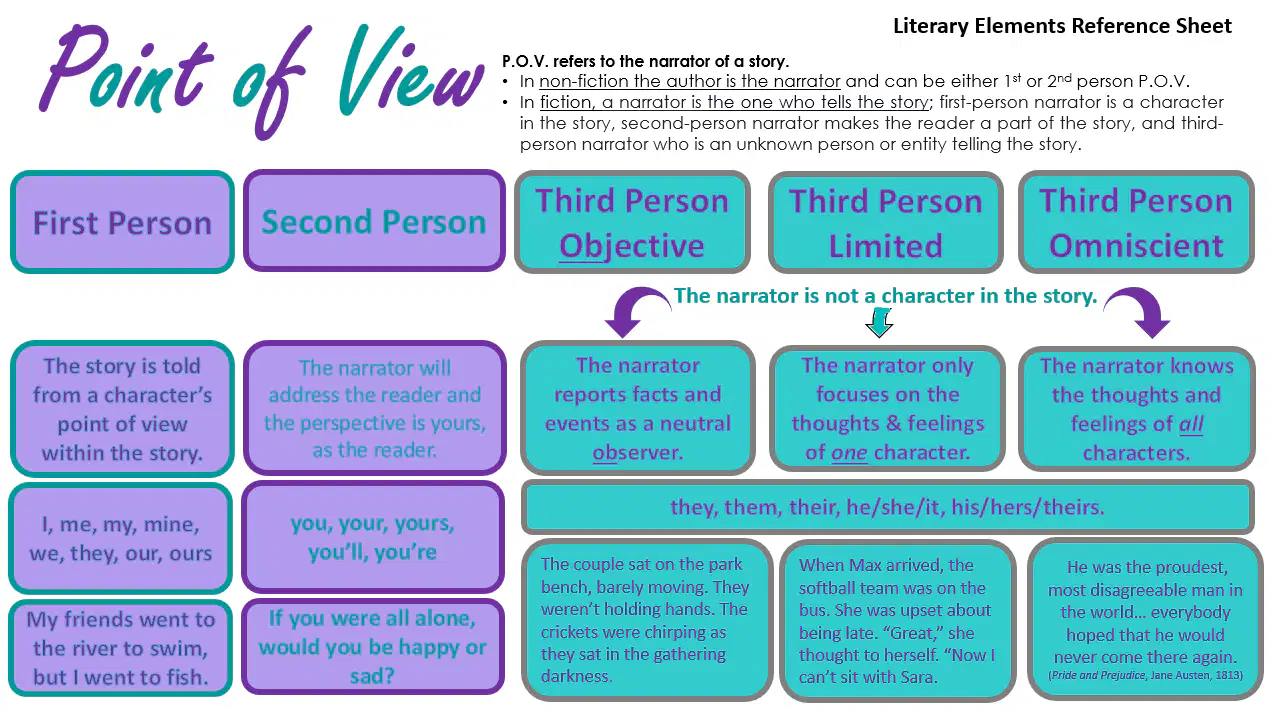
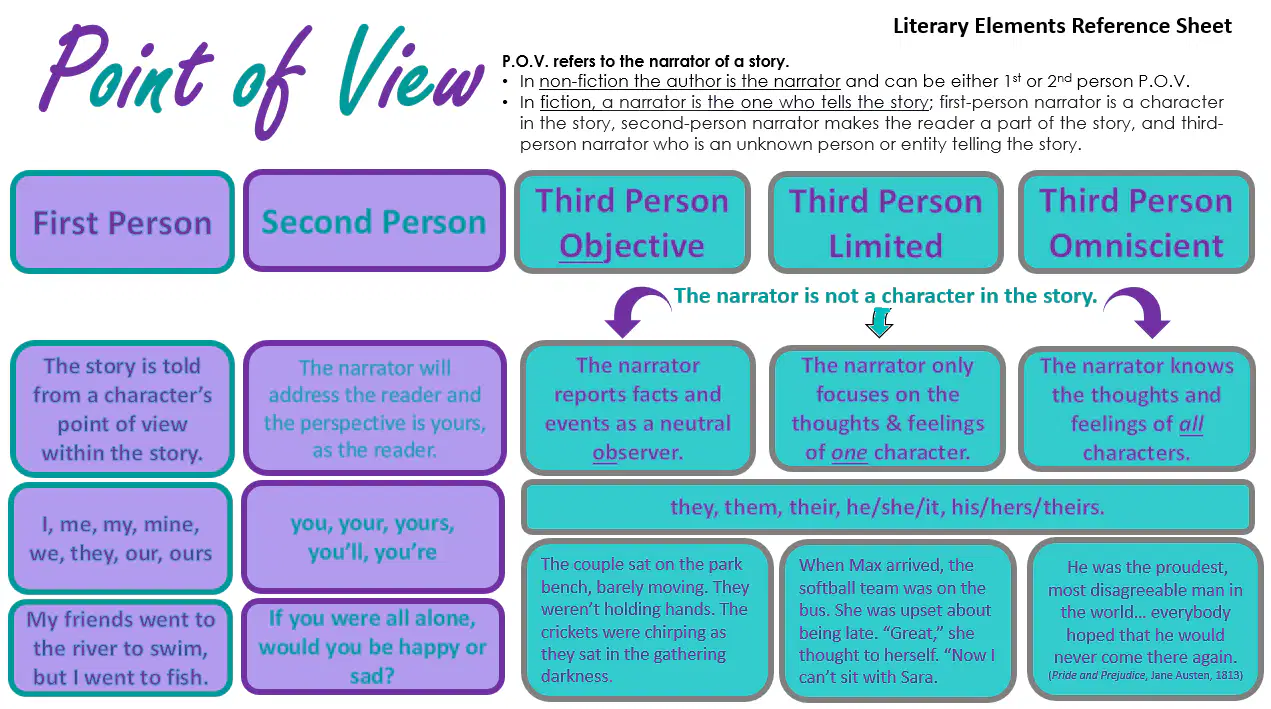
What point of view is used when the narrator is a character in the story and often uses "I" or "we"?
Second-Person
Third-Person Limited
Third-Person Omniscient
First-Person

What pronoun is commonly used in the second-person perspective?
He
They
I
You
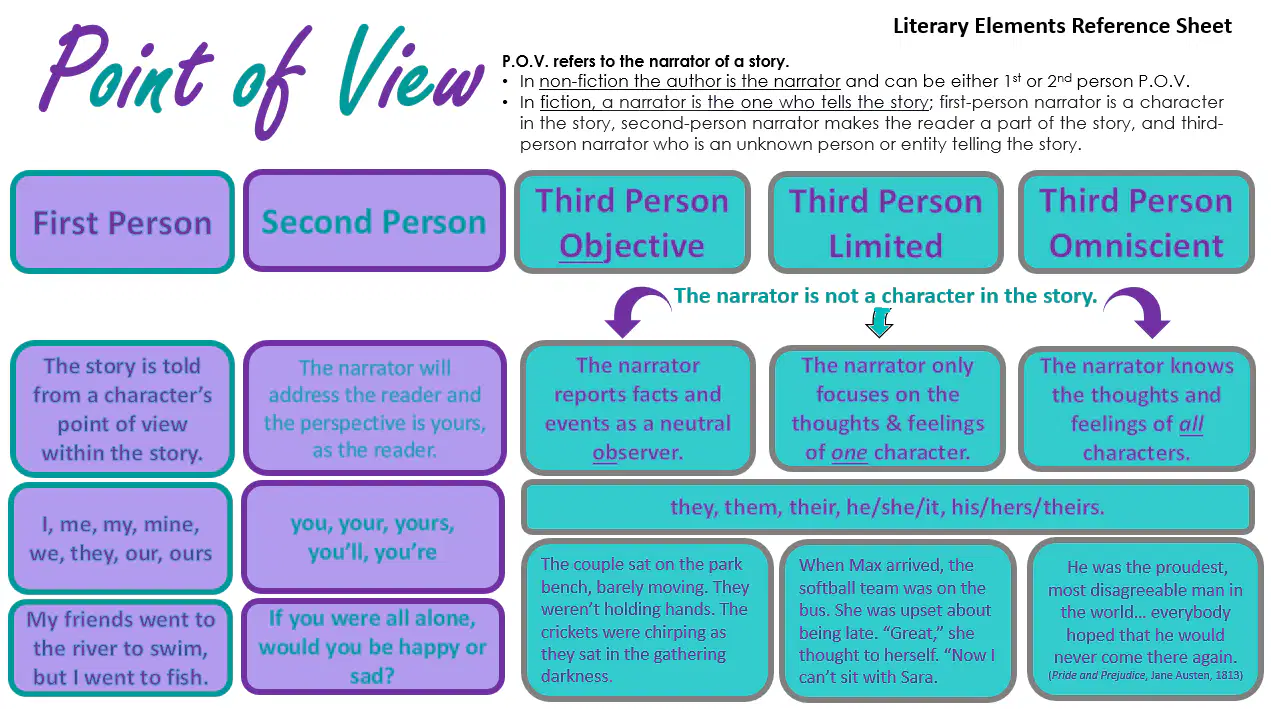
What is the second-person perspective usually used for ____ and I am speaking to the reader with words like "you", "your", "yours" ... ?
Telling a story
Giving instructions
Describing historical events
Writing a diary

Which pronouns are commonly used in third-person narration?
I, Me, My
You, Your
He, She, They
We, Us, Our

When reading a third-person narrative, what should you ask to determine the type of narrator?
Does the narrator tell the thoughts and feelings of characters? If so, is it only 1 person (limited), or all (omniscient).
Does the narrator use the word "I" frequently?
Is the narrator always the protagonist?
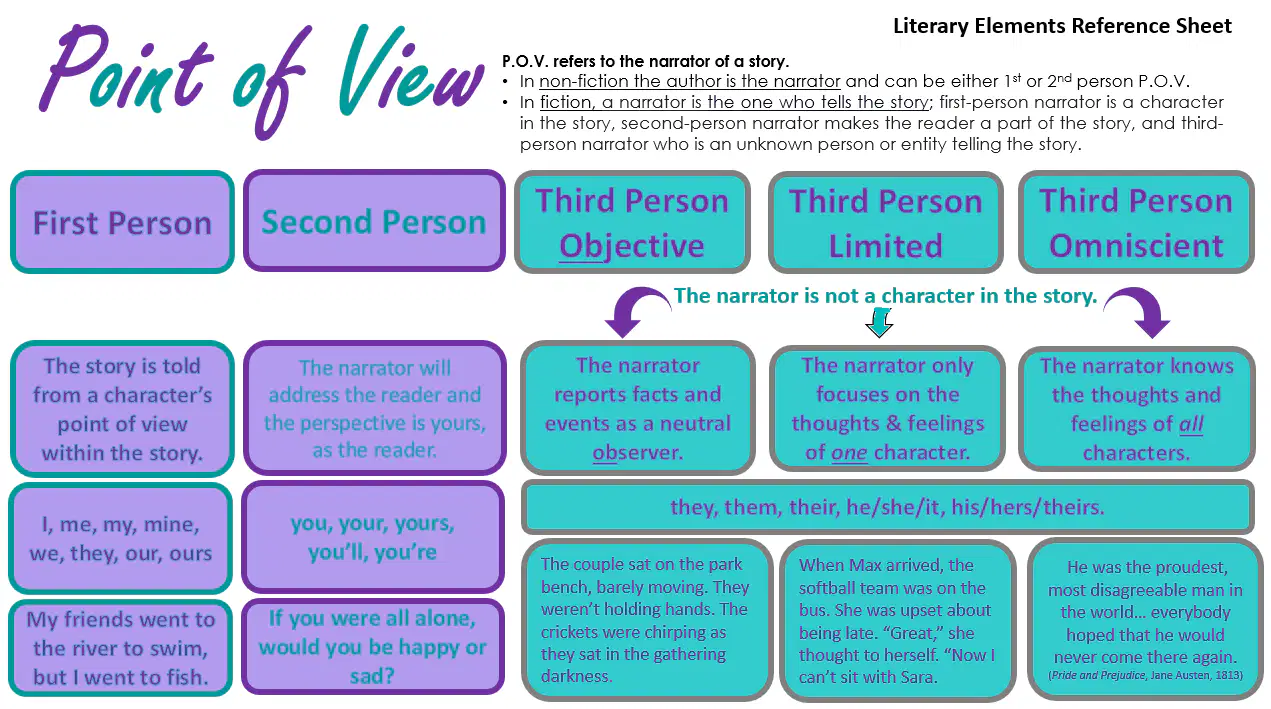
What does the term "Third-Person Omniscient" refer to in literature?
A) A narrator who reports facts and events as a neutral observer.
B) A narrator who knows and tells the story from one character's perspective.
C) A narrator who knows and tells the thoughts and feelings of more than one (possibly all) character(s).
D) A narrator who does not know any of the characters' thoughts or feelings.
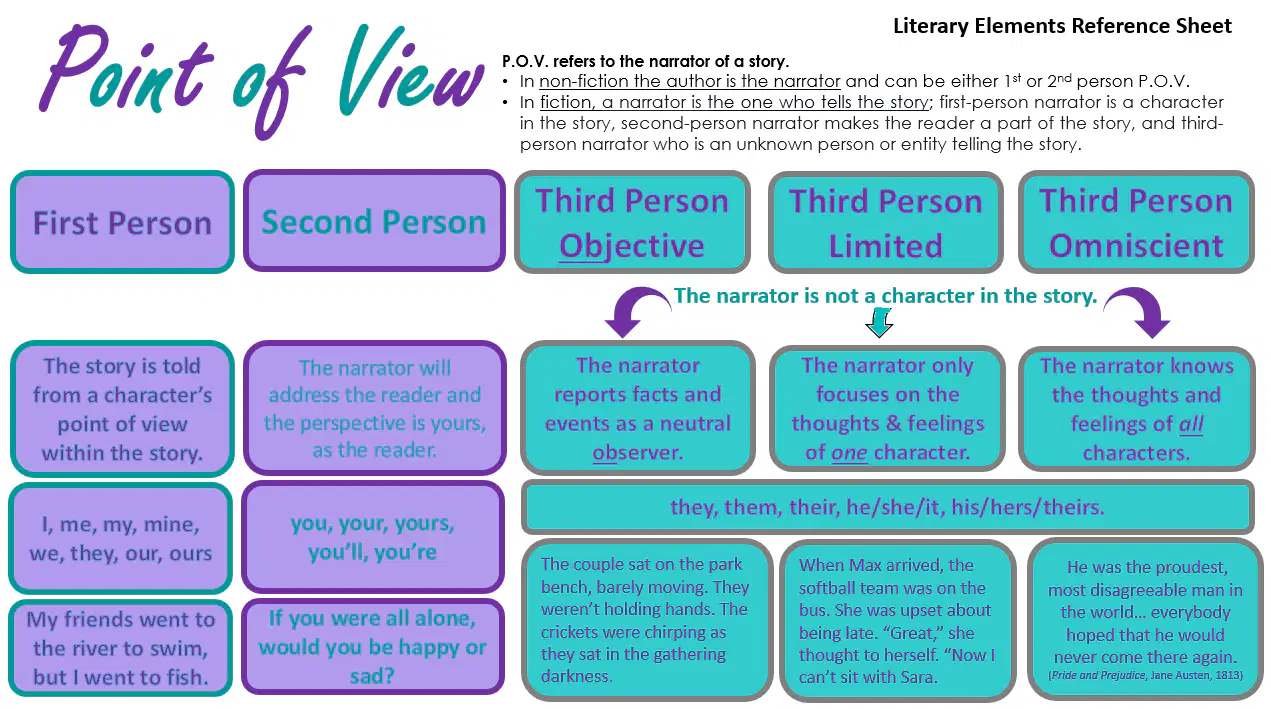
If "scient" means knowing, what does "omni" mean in the context of the term "Third-Person Omniscient"?
A) One
B) All
C) None
D) Limited
If "Omni" means all, what does "scient" mean in the context of the term "Third-Person Omniscient"?
A) Writing
B) Knowing
C) Telling
D) Observing
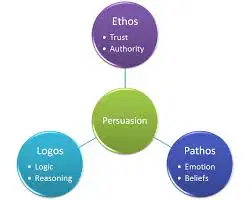
What are the three components of the rhetorical triangle?
(Literary Device)
Logos, Ethos, Pathos
Logic, Emotion, Credibility
Argument, Character, Imagination
Reason, Writer, Audience

What does logos appeal to in an argument?
(Literary Device)
Emotions
Writer's character
Reason and logic
Audience's beliefs
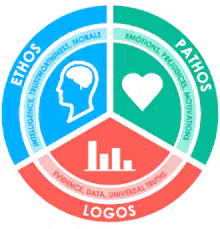
Ethos is related to the credibility of the:
(Literary Device)
Text
Writer
Audience
Emotions
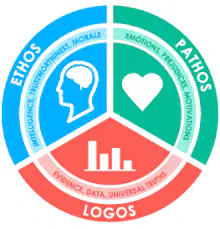
Pathos is intended to appeal to:
(Literary Device)
Logic
Emotions and beliefs
Credibility
Equilateral balance
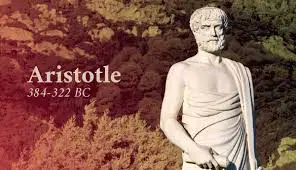
According to Aristotle, a speaker's ability to persuade an audience is based on appeals to:
(Literary Device)
Logos, ethos, and pathos
Logic, emotion, and credibility
Text, writer, and audience
Reason, character, and imagination
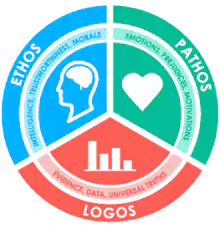
What is the purpose of using logos in writing, according to the document?
(Literary Device)
To demonstrate the writer's personal beliefs
To engage the reader's emotions and imagination
To make the argument logical and well-reasoned
To show the writer's qualifications
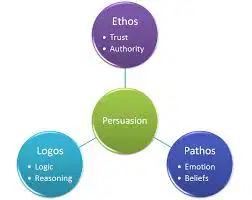
Which of the following is an aspect of ethos as described in the document?
(Literary Device)
Using vivid examples and images
Arranging the argument in a well-reasoned order
The writer's qualifications and connection to the topic in order to be able to persuade others.
Appealing to the values and beliefs of the reader
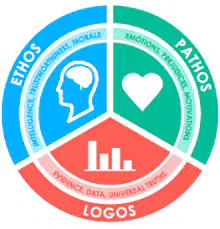
What does pathos appeal to in writing?
(Literary Device)
The logical structure of the argument
The reader's emotions and imagination
The credibility of the sources used
The professional presentation of the document

What is diction?
Hint: Think of a dictionary
(Literary Device)
The arrangement of words and phrases in writing.
Can't be this one; this is syntax.
The careful and purposeful choice of words in writing.
A chart to break down an author's syntax and diction to better understand their purpose.
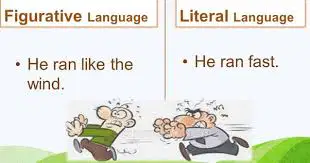
What is the difference between literal and figurative language?
(Literary Device)
One says precisely what it means; the other uses comparisons to clarify or explain.
The use of positive and negative words can alter the meaning of a sentence.
The arrangement of words and phrases in writing.
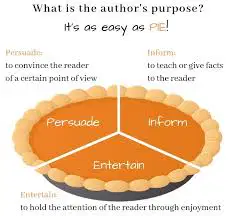
What are the three major types of author's purpose?
(Literary Device)
The use of positive and negative words can alter the meaning of a sentence.
entertain, inform, persuade
The careful and purposeful choice of words in writing.
The arrangement of words and phrases in writing.

How does connotation affect diction?
(Literary Device)
The arrangement of words and phrases in writing.
The use of positive and negative words can alter the meaning of a sentence.
A chart to break down an author's syntax and diction to better understand their purpose.
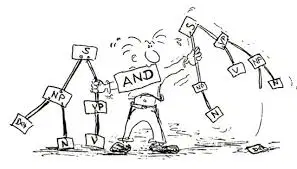
What is syntax?
(Literary Device)
The use of positive and negative words can alter the meaning of a sentence.
The arrangement of words and phrases in writing.
A chart to break down an author's syntax and diction to better understand their purpose.

How can using root words and affixes help me determine a word's meaning?
- is a base word or part of a word from which other words are obtained by adding a prefix or suffix
- by breaking down an unfamiliar word into word parts can help you identify meaning when context clues aren't present.
= is a letter or group of letters added to the beginning or end of a word to change its meaning: a prefix or suffix
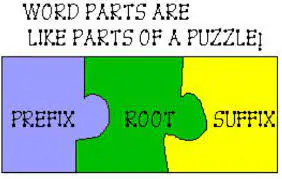
What is an affix?
A base word or part of a word from which other words are obtained by adding a prefix or suffix
Breaking down an unfamiliar word into word parts can help you identify meaning when context clues aren't present.
A letter or group of letters added to the beginning or end of a word to change its meaning: a prefix or suffix
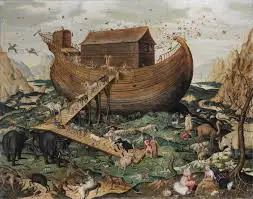
Writers and speakers often allude to characters and stories from the Bible. Do you recognize these Biblical allusions? It rained so much over the weekend that I was tempted to start building an ark. What is the best answer to describe what this allusion means?
(Literary Device)
It didn't rain
It rained a lot
It rained so much, we needed to build a boat.
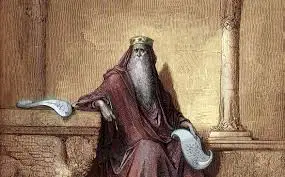
The Bible tells the story of Noah. Noah built an ark, or ship, when rain caused the earth the flood. I have no doubt an answer exists, but I need the wisdom of Solomon to figure it out. What best answers the meaning of this allusion?
(Literary Device)
I need to be smart
I need to be as smart as a known wise man
I don't know
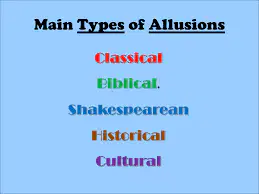
"A new armored military jeep is supposed to be indestructible. Hopefully it's nothing like the Titanic." This allusions refers to notable (a) .
(Literary Device)
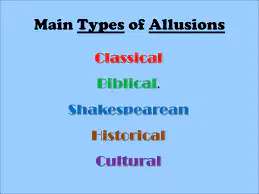
With the dignity and determination of Rosa Parks, she held her head high and held her ground firmly. This is a type of (a) allusion.
(Literary Device)
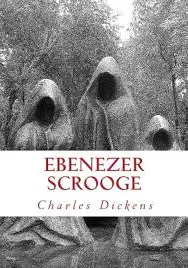
People often make references to famous pieces of writing. These include fairy tales, fables, poems, short stories, novels, and more. Do you know what connection these allusions are making? "I asked my brother if I could borrow lunch money. As always, he was a real Scrooge." My brother is (a) .
(Literary Device)
Kari drifted down the hallway toward her first class at her new school. She felt like Alice falling down the rabbit hole. She was fearful, yet somehow excited, by what she might discover on the other side. This is referring the "Alice in Wonderland" which is a type of (a) allusion.
(Literary Device)
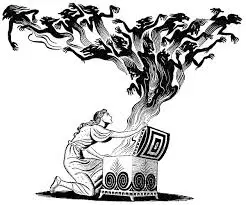
When Rhea found out that the students were cheating on their exams, she told the teachers even though she knew that it would open a Pandora’s box. Which answer best explains the correlation between Pandora's Box and students getting caught cheating?
(Literary Device)
a world of hurt
lots of surprises
the unknown
The Ballad of Bradley Drake
by Lydia Samoy
[1] Among kids at my school Bradley Drake was the best:
He was a super strong, good-looking guy.
I used to joke that he wore an S on his chest
Came from Krypton, had a cape, and could fly.
The first verse of the poem alludes to the character Superman. What does the allusion tell you about the speaker in the poem?
(Literary Device)
The speaker felt Bradley looked like a superhero.
The speaker thought Bradley was really an adult.
The speaker suspected Bradley had a secret identity.
The Ballad of Bradley Drake
by Lydia Samoy
[1] Among kids at my school Bradley Drake was the best:
He was a super strong, good-looking guy.
I used to joke that he wore an S on his chest
Came from Krypton, had a cape, and could fly.
[2] He was an Einstein in science, a Newton in math,
and Picasso when it came to art.
He would tell funny jokes to make all the boys laugh
And sing songs to melt every girl’s heart.
The second verse of the poem alludes to three historical figures. What do the historical allusions reveal?
(Literary Device)
Bradley Drake changes his name in every course.
Bradley Drake took many different classes at school.
Bradley Drake is an expert in every class.
“Nothing can stop me.
No matter what you throw at me,
I will still rise up.”
The final verse of the poem alludes to a musician. What does the allusion suggest?
(Literary Device)
never give up
be a good listener
life is hard
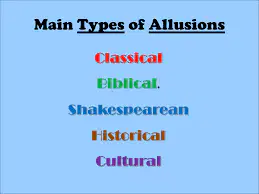
Where do allusions come from?
(Literary Device)
A reference to a well-known person or something from literature, history, music, art, politics, or pop culture.
Look for context clues, do some research, and absorb allusions from things you see, read, and hear.
The Bible, history, literature, mythology, and pop culture.
They save time, set a mood, and build emotion.
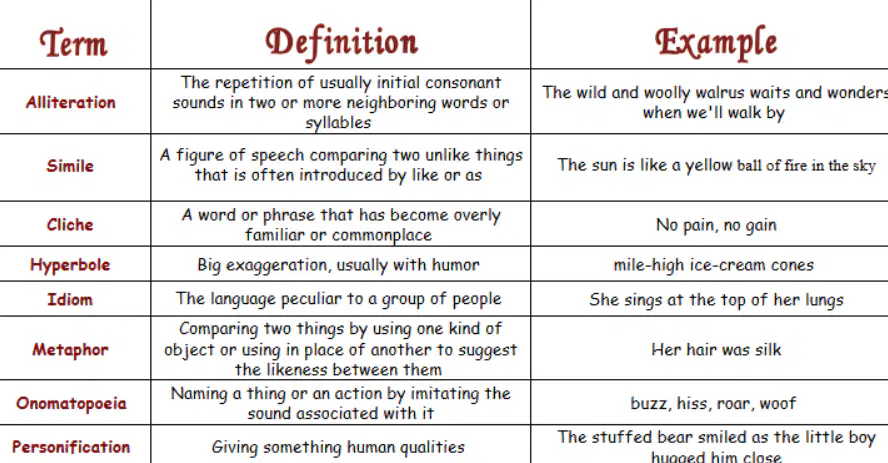
What is the primary purpose of using hyperbole in literature?
(Literary Device)
To create a sense of realism
To emphasize a point through exaggeration
To provide factual information

Which literary device involves giving human characteristics to non-human objects or abstract ideas?
(Literary Device)
Metaphor
Simile
Personification

Which of the following is an example of a metaphor?
He is as brave as a lion.
The world is a stage.
The leaves danced in the wind.
She sings like an angel.

