
 Worksheets
World History 4th Nine Weeks Exam Practice
Total questions: 45
Worksheet time: 33mins
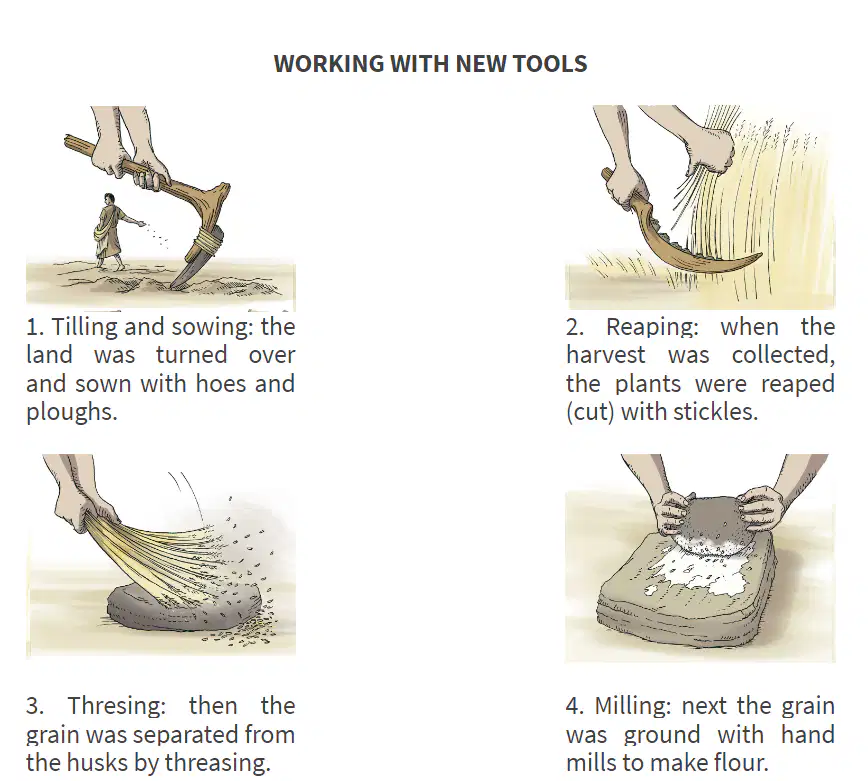
What changes in human life occurred as a result of the Neolithic Revolution?
Development of agriculture
Invention of the wheel
Creation of the first written language
Discovery of electricity
Which of the following were empires of the ancient world?
Roman, British, and Ottoman Empires
Persian, Roman, and Mauryan Empires
Greek, Aztec, and Incan Empires
Egyptian, Babylonian, and Roman Empires

What were some of the major developments in Tang and Song China and how did it have a broader impact on East Asia?
Invention of gunpowder, magnetic compass, and paper money
Construction of the Great Wall
Development of the feudal system
Introduction of Buddhism
What are the 5 major world religions?
Christianity, Islam, Hinduism, Buddhism, Judaism
Christianity, Islam, Sikhism, Shintoism, Zoroastrianism
Christianity, Buddhism, Confucianism, Taoism, Hinduism
Islam, Hinduism, Buddhism, Paganism, Judaism
What is Monotheism?
Belief in many gods
Belief in one god
Belief in no gods
Belief in ancestral spirits

Which of the following most likely said this about their faith?
Buddah
Jesus
Muhammad
Moses
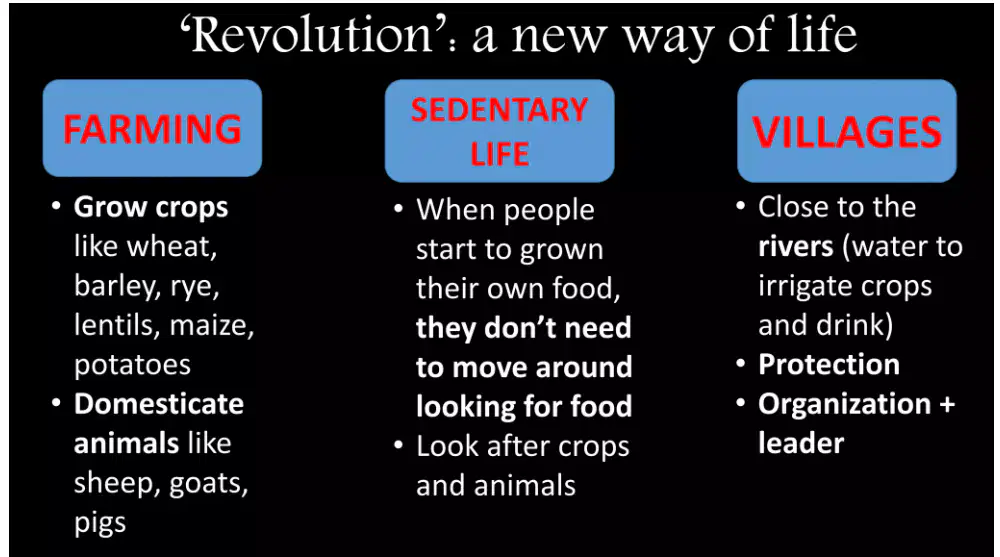
What was the Neolithic Revolution?
A political revolution in ancient Egypt
A technological revolution in the Bronze Age
The transition from nomadic herding to settled farming
The invention of the first writing systems
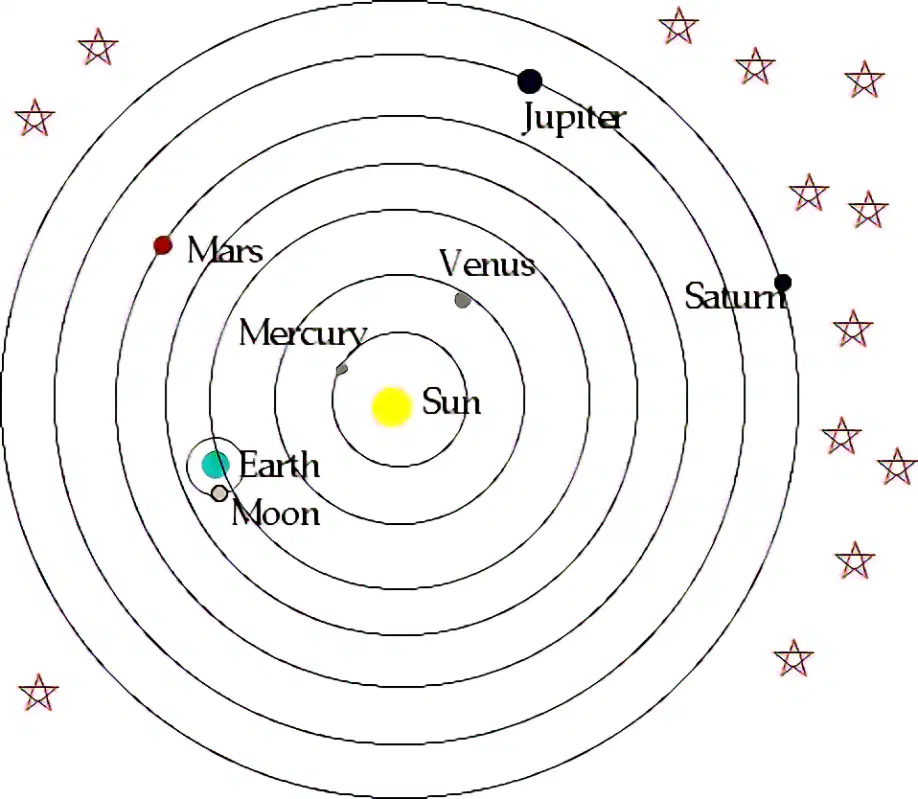
What were the following scientists/mathematicians known for: Copernicus & Galileo?
Advancements in algebra and geometry
Discoveries in the field of medicine
Contributions to the Scientific Revolution and heliocentrism
Inventions in the field of engineering
What were the Crusades fought over? (choose 2)
Control of trade routes to Asia
Religious control of the Holy Land
Political dominance in Europe
Access to gold and silver mines
What is the Black Death and what impact did it have on Europe?
A famine that led to economic decline
A war that resulted in political fragmentation
A pandemic that caused massive population loss
A religious movement that led to cultural change
What was the Hundred Years' War and how did it contribute to the end of medieval Europe?
A conflict between Rome and Carthage that led to the rise of the Roman Empire
A series of battles between England and France that weakened feudalism
A religious war that resulted in the separation of church and state
An economic crisis that led to the development of capitalism
What is feudalism?
A political system based on democratic principles
An economic system based on free-market capitalism
A social system based on the exchange of land for military service
A religious hierarchy with the pope at the top
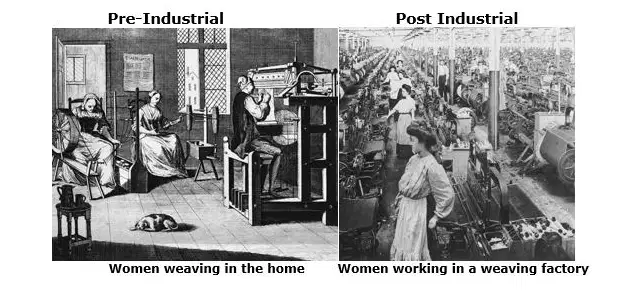
How did changes in textile manufacturing(clothing) help initiate the
Industrial Revolution?
Textile Manufacturers used raw materials recently discovered in the Americas to introduce products in Europe
textile Manufacturers used highly skilled laborers who were more productive than unskilled laborers
Textile Manufacturers were the first to combine Steam Power and machinery to mass produce goods
Textile Manufacturers introduced new methods of transportation for goods

What were the positive and negative impacts of the Columbian Exchange?
Introduction of new foods and diseases to Europe
Expansion of European languages and decline of native cultures
Increase in global trade and spread of invasive species
All of the above
What are two Canals that were created to help reduce the time to transport goods around the world?(choose two)
Suez
South American
African
Panama
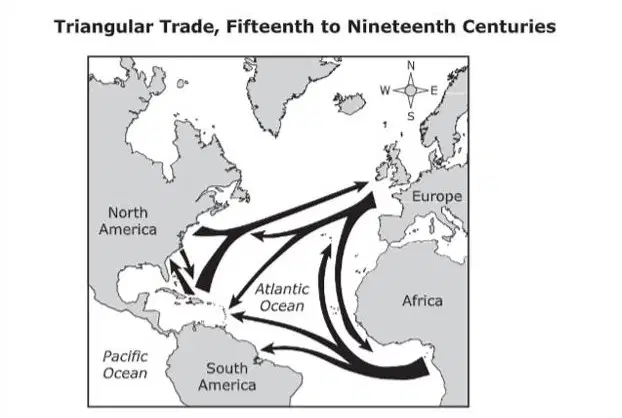
What is Chattel Slavery and what is the name of the trade system that involved the sale of Slaves?
A system of servitude where slaves are treated as personal property and the trade system is called the Triangular Trade
A system of temporary indentured servitude and the trade system is called the Linear Trade
A system of paid labor contracts and the trade system is called the Square Trade
A system of equal employment opportunities and the trade system is called the Circular Trade
What was the divine right of the Kings?
The belief that they have absolute authority due to their heritage
The belief they have absolute authority as they were appointed as Gods representative by the church.
The belief they have absolute authority due to the fact that they have control of the military
The belief that they are god
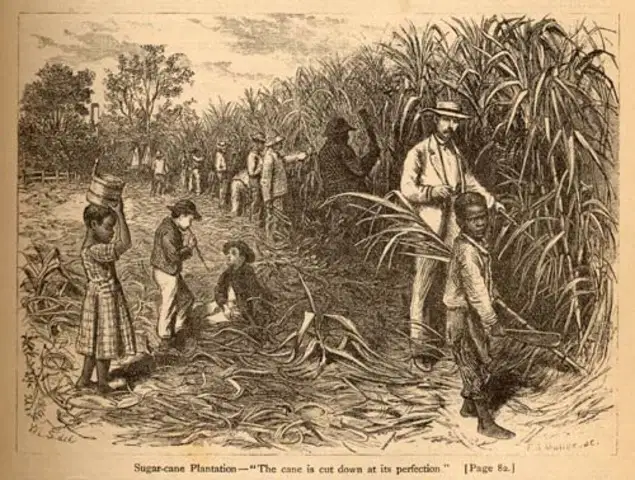
What were the main reasons for importing slaves to the New World?
To provide labor for plantations and mines
To serve as soldiers in colonial armies
To act as guides for new territories
To establish educational institutions
What Enlightenment ideas influenced the American and French revolutions?
Ideas of divine right and absolute monarchy
Ideas of liberty, democracy, and equality
Ideas of mercantilism and colonial expansion
Ideas of religious supremacy and theocracy
Who was the Philosopher that influenced the American constitution and Bill of Rights?
René Descartes
John Locke
Thomas Hobbes
Voltaire
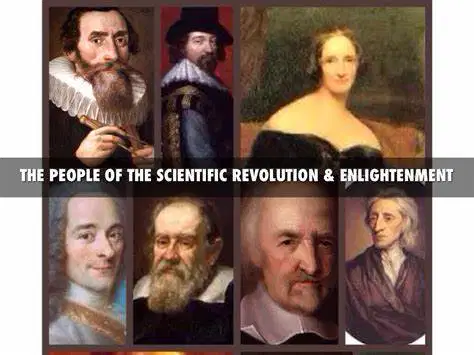
What is the Scientific Revolution and who were key people to know in the scientific revolution?
A period of advancements in religious thought with key people like Martin Luther and John Calvin
A period of advancements in artistic expression with key people like Leonardo da Vinci and Michelangelo
A period of advancements in political theory with key people like Jean-Jacques Rousseau and Montesquieu
A period of advancements in scientific thought with key people like Copernicus, Galileo, and Newton
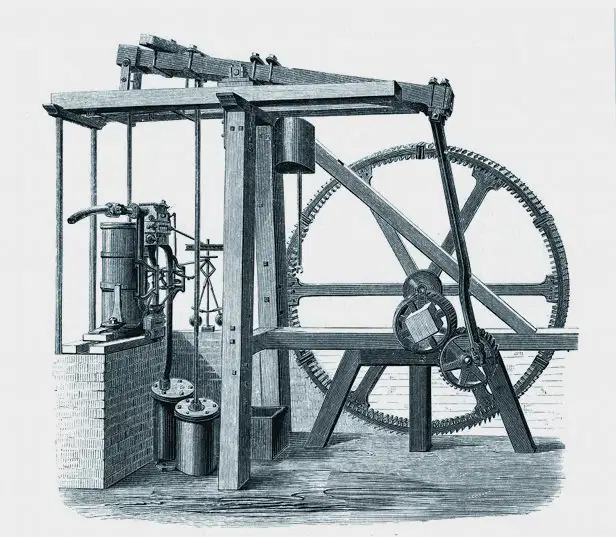
What is the Industrial Revolution?
A cultural movement that emphasized the importance of art and literature
A political movement that led to the establishment of democratic governments
A period of rapid industrialization and technological innovation
A religious movement that led to the spread of new denominations
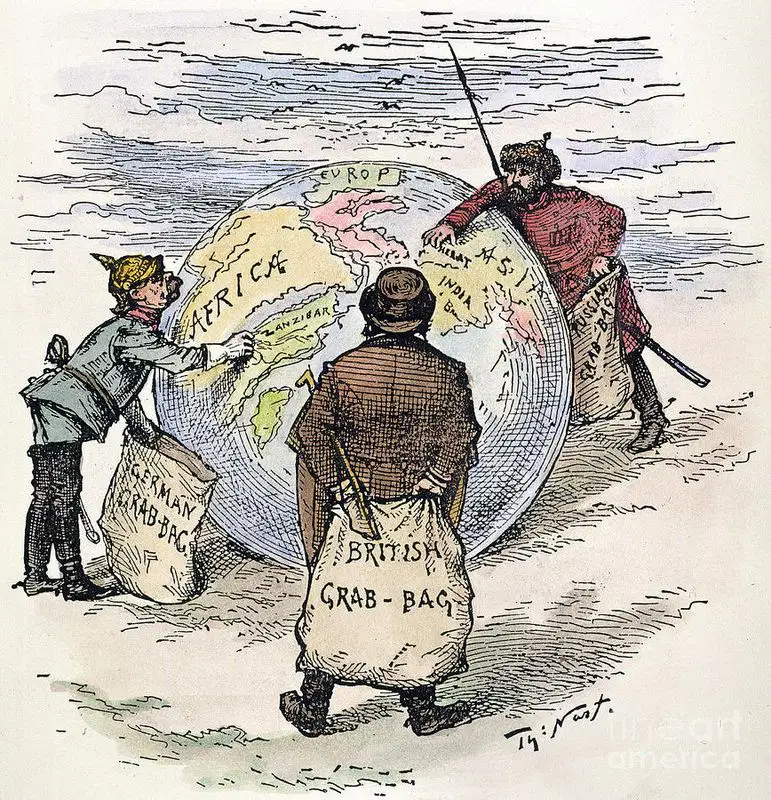
What is Imperialism?
The policy of maintaining a large standing army
The policy of promoting free trade across nations
The policy of extending a country's power through diplomacy
The policy of extending a country's power through colonization
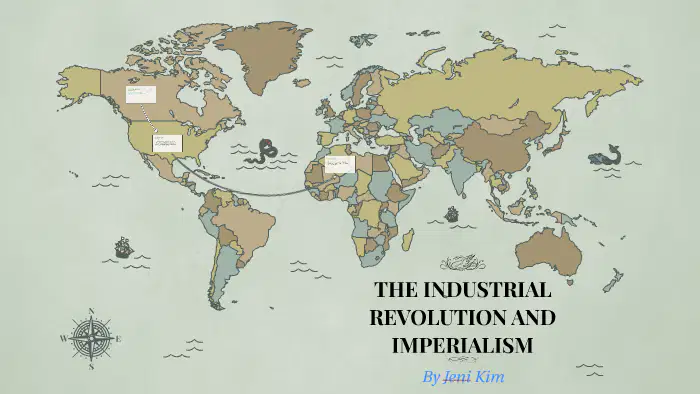
What were the reasons for the Industrial Revolution? What impact did the Industrial Revolution have on Imperialism?
The need for new markets and resources; it decreased the pace of imperialism
The desire for cultural exchange; it had no significant impact on imperialism
The need for new markets and resources; it accelerated the pace of imperialism
The desire for technological stagnation; it reversed the effects of imperialism
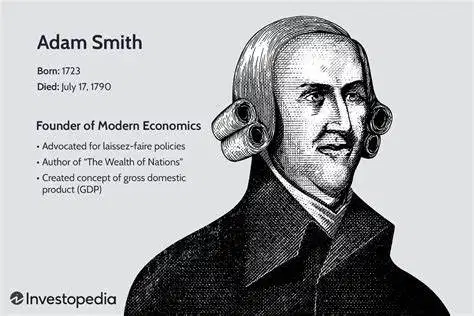
Who is Adam Smith and what economic idea was he known for?
A philosopher known for the idea of communism
An economist known for the idea of the invisible hand and free-market capitalism
A politician known for the idea of protectionism
A scientist known for the idea of planned economies
Who was Simón Bolívar and what role did he play in Latin American Revolutions?
A European monarch who opposed Latin American independence
A military leader who fought for Latin American independence
A diplomat who negotiated peace treaties in Latin America
An artist who depicted the struggles of Latin American revolutions
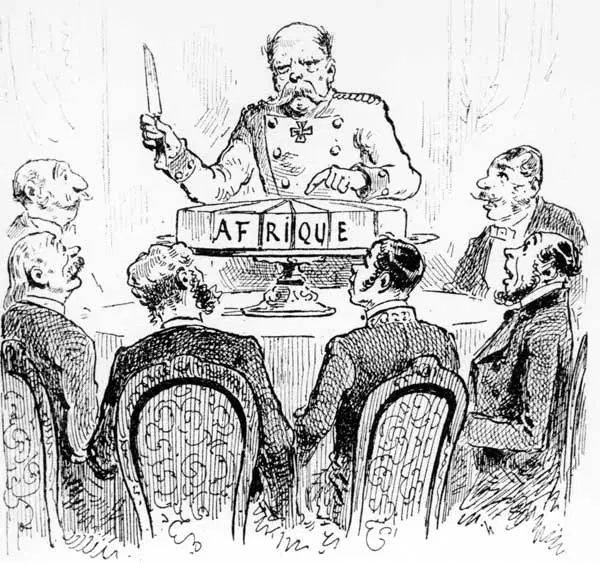
The Berlin Conference affected European Imperialism By...
establishing partnerships with Kingdoms in Africa
defending the rights of African Citizens
supporting the establishment of Spheres of influence in Africa
developing partnerships with other countries to form Joint-Stock businesses
Who were the two major powers in the Cold War?
United States and Soviet Union
United States and China
Soviet Union and Germany
China and Japan
What were the two different political ideologies fought over during the Cold War?
Capitalism and Communism
Democracy and Monarchy
Fascism and Socialism
Imperialism and Nationalism
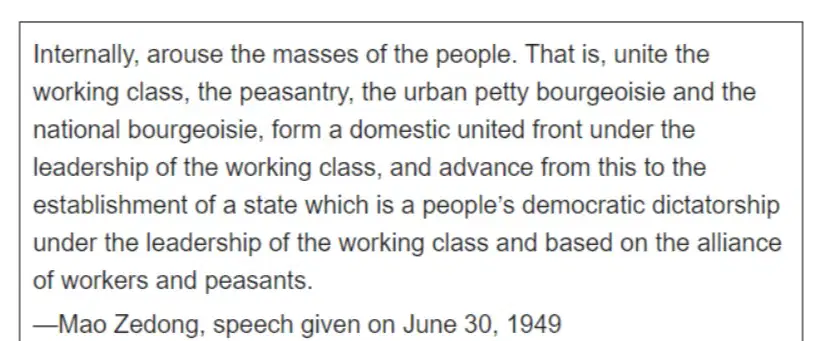
According to the text After WWII, Communist China was ruled by a democratic dictatorship led by who?
Mao Zedong
Zhou Enlai
Deng Xiaoping
Xi Jinping
What was the primary technology used to deter actual war between the US and the Soviet Union?
Nuclear weapons
Biological weapons
Chemical weapons
Conventional weapons
What reasons were given for the Vietnam War?
To prevent the spread of communism
To support French colonialism
To gain economic control
To establish a monarchy
What is the difference between the outcome of the Korean and Vietnam Wars?
The United Nations played a key role in the end of The Vietnam War not the Korean War
The United States played a minor role in Korea but a major role in Vietnam
Nuclear weapons were used to end the Korean War but not the Vietnam War
Korea was Split in half at the 38th Parallel while Vietnam was reunited under communist control
What is a theocracy?
A government controlled by religious leaders
A government where the ruler is seen as a god
A government led by a royal family
A government elected by the people
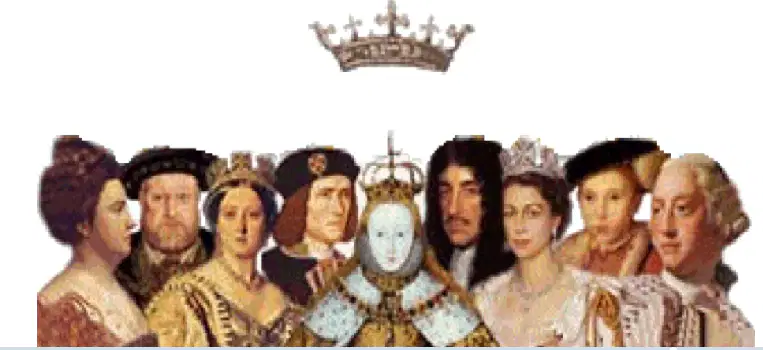
What is an absolute monarchy and who were a few examples of absolute rulers?
A system where the monarch has unrestricted power; examples include Louis XIV of France and Peter the Great of Russia
A system where the monarch shares power with an elected parliament; examples include Queen Elizabeth II of the UK and King Felipe VI of Spain
A system where the monarch is a figurehead with no real power; examples include Emperor Akihito of Japan and King Carl XVI Gustaf of Sweden
A system where the monarch is elected by the people; examples include Napoleon Bonaparte of France and Julius Caesar of Rome
What was one reason that the Bolsheviks were able to gain support for the Russian Revolution?
The Promised to turn the land over to the people
They promised to bring new technology the country
They promised everyone would be wealthy after the revolution
they promised to keep fighting in WWI
How was Adolf Hitler able to rise to power in Germany?
Political instability and independence movements
nationalist pride and communist expansion
extreme hardships brought on by Economic and social decline
political coups supported by soviet communists
What event came before the Arab Israeli War?
The end of the Cold War
The end of WWI
The U.N. partition of Palestine to create the nation of Israel
Genocide in Rawanda
What was the Manhattan project during WWII?
The creation of housing for soldiers in Manhattan
The Creation of a lab in New York to build the Atomic Bomb
The code name for the project to create the Atomic Bomb in New Mexico
The creation of concentration camps during WWII found on Manhattan
What were two examples of Genocide in the 20th Century
Rwanda and The United States
Armenian and Rwandan
Israel and Armenian
Other
The attack on the World Trade Center (9/11), the Bombing of the USS Cole, and the World Trade Bombing of 1993 are all considered
American Terrorists
examples of Islamic Fundamentalism (terrorism)
Espionage during war
false events
The Surplus of Food
Rise of Cities
and Job specialization
Were all effects of which revolution?
Industrial Revolution
Scientific Revolution
Neolithic Revolution
Economic Revolution
Justinian's code of Laws
Roman 12 Tables
and John Locke's treatises on government
are all related to which type of government system?
Authoritarian
Absolutism
Democratic Republic
Limited Monarchy
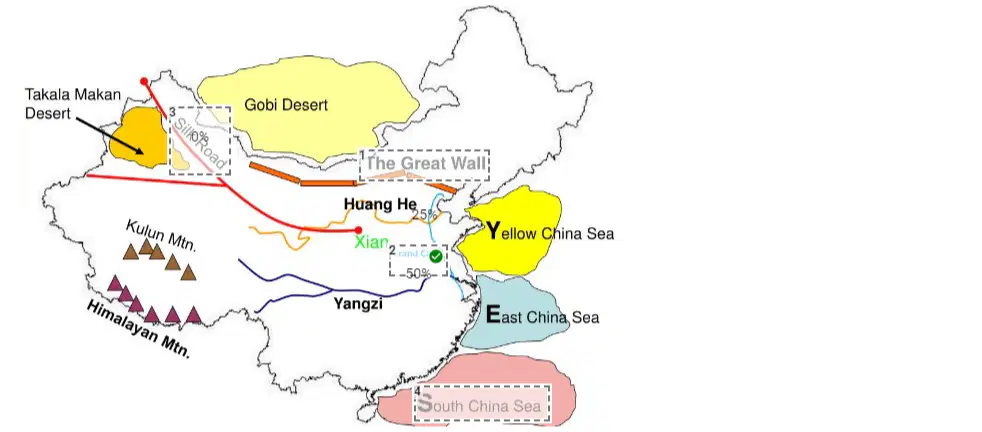
In ancient China what was created to help transport food from farms to urban centers (cities) and supplies and goods from cities to farms?
The Silk Road
The Great Wall of China
The South China Sea
The Grand Canal
Who was Mother Teresea and what was her main focus of work in India?
A nun who worked in politics of India
A nun who used her wealth to help all in need
A nun who focused her attention on the poor and those in need of healthcare
a nun who worked on religious reform in India

