Wayground logo

Free Printable Worksheets

Font size

S
M
L
XL
Worksheets

kingdom animalia - invertebrates

Total questions: 161

Worksheet time: 2hrs 50mins

Name
Class
Date
1.
invertebrates with soft tube-like bodies
a)
cnidarians
b)
worms
c)
arthropods
d)
crustaceans
2.
invertebrate animals that have stinging tentacles
a)
cnidarians
b)
worms
c)
arthropods
d)
crustaceans
3.
animals that do not have a backbone
a)
invertebrate
b)
ingrate
c)
vertebrate
d)
non-vertebrate
4.
invertebrates with soft tube-like bodies
a)
cnidarians
b)
worms
c)
arthropods
d)
crustaceans
5.
invertebrate animals that have stinging tentacles
a)
cnidarians
b)
worms
c)
arthropods
d)
crustaceans
6.
invertebrate animals with shells and jointed legs
a)
cnidarians
b)
worms
c)
arthropods
d)
crustaceans
7.
arthropods with 3 pairs of legs
a)
insects
b)
arachnids
c)
myriapoda
d)
crustaceans
8.
arthropods with 4 sets of legs
a)
insects
b)
arachnids
c)
myriapoda
d)
crustaceans
9.
arthropods with multiple pairs of legs
a)
insects
b)
arachnids
c)
myriapoda
d)
crustaceans
10.
arthropods commonly found in water
a)
insects
b)
arachnids
c)
myriapoda
d)
crustaceans
11.
invertebrates with soft tube-like bodies
a)
worms
b)
molluscs
c)
cnidarians
d)
echinderms
12.
invertebrates with soft, unsegmented (separate parts) bodies that like damp places
a)
worms
b)
molluscs
c)
cnidarians
d)
echinderms
13.
invertebrates that have spiny skins and radial symmetry (are symmetrical like a wheel)
a)
worms
b)
molluscs
c)
cnidarians
d)
echinoderms
14.
Organisms, like sponges, lacking body tissues and body symmetry belong to which of the following phyla?
a)
Cnidaria
b)
Mollusca
c)
Nematoda
d)
Porifera
15.
Identify this animal.
a)
sponge
b)
cnidarian
c)
roundworm
d)
flatworm
16.
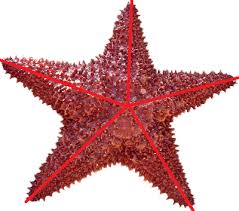
What type of symmetry is pictured?
a)
bilateral symmetry
b)
radial symmetry
c)
asymmetry
d)
cellular respiration
17.
What type of symmetry is displayed in the picture?
a)
asymmetry
b)
bilateral symmetry
c)
radial symmetry
d)
photosynthesis
18.
Which of the following is/are true of animals?
a)
They are multicellular.
b)
They are eukaryotic.
c)
They are heterotrophs.
d)
All choices are correct.
19.
Soft bodied invertebrate with a thick muscular foot for movement: some have shells
a)
molluks
b)
arthropod
c)
segmented worm
d)
sponge
20.
What group has a long tube-like body with many sections and breathes through its skin?
a)
Segmented Worms
b)
Arthropods
c)
Echinoderms
d)
Sponges 
21.
What group has a body that goes out from the middle and breathes with tube feet?
a)
Segmented Worms
b)
Arthropods
c)
Echinoderms 
d)
Mollusk
22.
This group is made of filter feeders and has lots of pores in its body:
a)
Segmented Worms
b)
Arthropods
c)
Mollusks
d)
Sponges
23.
This group has jointed legs and segmented bodies and exoskeletons:
a)
Segmented Worms
b)
Mollusks
c)
Sponges
d)
Arthropods
24.
Slugs and Snails
a)
Segmented Worms
b)
Mollusks
c)
Arthropods
d)
Sponges
25.
insects, and arachnids (spiders and ticks)
a)
Sponges
b)
Arthropods
c)
Segmented Workd
d)
Mollusks
26.
clams, squids, and octopuses
a)
Sponges
b)
Echnioderms
c)
Mollusks
d)
Segmented Worms
27.
get oxygen through air tubes (out of water) or gills (in water)
a)
Mollusks
b)
Arthropods
c)
Echinoderms 
d)
Segmented Worms
28.
leeches and earthworms
a)
Mollusks
b)
Arthropods
c)
Echinoderms
d)
Segmented Worms
29.
sea cucumber, brittle stars, and sea stars 
a)
Mollusks
b)
Echinoderms 
c)
Segmented Worms
d)
Arthropods 
30.
specialized cells for getting oxygen from the water
a)
Arthropods
b)

Humans

c)
Sponges
d)
Mollusks
31.
The simplest invertebrate
a)
Mollusks
b)
Echinoderms
c)
Sponges 
d)
Arthropods
32.

Sponges

a)

Are plants

b)

Are plankton

c)

Are found in cold waters

d)

Are filter feeders

33.

A squid is a member of what family that have soft bodies.

a)

Sponges

b)

Crustaceans

c)

Molluscs

d)

Coelenterates

34.

Common characteristics of Echinoderms are

a)

Tubed feet, no shell

b)

spiky skin, have an exoskeloton

c)

symmetrical body usually 5 sided, are plants

d)

tubed feet, symmetrical body usually 5 sided

35.

Jellyfish, sea anemone, coral, are part of what invertebrate group

a)

Molluscs

b)

Coelenterates

c)

Sponges

d)

Stingers

36.

Which group are all the same classification?

a)

lobster, coral, hermit crab

b)

Shrimp, jellyfish , bluebottle

c)

mussel, octopus, scallop

d)

Sea cucumbers, starfish, pipi

37.

What is the phylum for vertebrates?

(a)  

38.

Which of the following classes represents a vertebrate with fur or hair?

a)

Birds

b)

Mammals

c)

Arachnids

d)

Reptiles

39.

How many legs does insects have?

(a)  

40.

Which class under the phylum Chordata has moist, scale-less skin?

(a)  

41.

Which of these best describes how members of phylum Porifera eat?

a)

They lure prey in with bio-luminescent chemicals.

b)

They sting and stun prey that come near their pores.

c)

They filter-feed by pumping water through their many chambers.

d)

They trap small bits of food in the cilia near their mouth.

42.

Which of these statements BEST describes why sponges are considered to be one of the simplest animals in the animal kingdom?

a)

Sponges lack a brain, muscles, nervous system, and appendages

b)

Sponges do not hunt for prey

c)

Sponges are considered to be one of the oldest living organisms

d)

Sponges are sessile (cannot move)

43.

Look at the following sponges. The large opening at the top with the arrow is called the...

4 lines
44.

What phylum is this animal?

a)

Platyhelminthes

b)

Nematoda

c)

Nemertea

d)

Annelida

45.

This is a muscular structure used for locomotion in mollusks like the garden snail.

a)

a. foot

b)

b. mantle

c)

c. radula

d)

d. shell

46.

What advantage do mollusks without shells have over mollusks that have shells?

a)

a. they can move more quickly in their environment

b)

b. they can camouflage more easily

c)

c. they can store nutrients that would have been used to produce the shell

d)

d. they can sense danger more effectively

47.

Tube feet help echinoderms do all of the following except:

a)

swim away from predators

b)

pry open the shells of other animals

c)

sense the environment around the animal

d)

catch and crush prey

48.

Which of the following echinoderms is considered the "vacuum cleaner of the sea" because it breaks down organic matter?

a)

sea star

b)

sea cucumber

c)

sea urchin

d)

brittle star

49.

What percent of all animals are invertebrates?

a)

97%

b)

92%

c)

94%

d)

87%

50.

Which of the following animals is NOT an arthropod?

a)

a king crab

b)

a mosquito

c)

an earthworm

d)

an orb weaver spider

51.

Echinoderm

a)
b)
c)
d)
52.

Which invertebrate group does this organism belong to?

a)

sponge

b)

cnidarian

c)

echinoderm

d)

mollusk

e)

arthropod

53.

Which invertebrate group does this organism belong to?

a)

sponge

b)

cnidarian

c)

echinoderm

d)

mollusk

e)

arthropod

54.

Which invertebrate group does this organism belong to?

a)

sponge

b)

cnidarian

c)

echinoderm

d)

mollusk

e)

arthropod

55.

Which invertebrate group does this organism belong to?

a)

sponge

b)

cnidarian

c)

echinoderm

d)

mollusk

e)

arthropod

56.

Which invertebrate group does this organism belong to?

a)

sponge

b)

cnidarian

c)

echinoderm

d)

mollusk

e)

arthropod

57.

Which invertebrate group does this organism belong to?

a)

sponge

b)

cnidarian

c)

echinoderm

d)

mollusk

e)

arthropod

58.

Which invertebrate group does this organism belong to?

a)

sponge

b)

cnidarian

c)

echinoderm

d)

mollusk

e)

arthropod

59.

Which invertebrate group does this organism belong to?

a)

sponge

b)

cnidarian

c)

echinoderm

d)

mollusk

e)

arthropod

60.

Which invertebrate group does this organism belong to?

a)

sponge

b)

cnidarian

c)

echinoderm

d)

mollusk

e)

arthropod

61.

Which invertebrate group does this organism belong to?

a)

sponge

b)

cnidarian

c)

echinoderm

d)

mollusk

e)

arthropod

62.

Which invertebrate group does this organism belong to?

a)

sponge

b)

cnidarian

c)

echinoderm

d)

mollusk

e)

arthropod

63.

Which invertebrate group does this organism belong to?

a)

sponge

b)

cnidarian

c)

echinoderm

d)

mollusk

e)

arthropod

64.

Which invertebrate group does this organism belong to?

a)

sponge

b)

cnidarian

c)

echinoderm

d)

mollusk

e)

arthropod

65.

Which invertebrate group does this organism belong to?

a)

sponge

b)

cnidarian

c)

echinoderm

d)

mollusk

e)

arthropod

66.

Which invertebrate group does this organism belong to?

a)

sponge

b)

cnidarian

c)

echinoderm

d)

mollusk

e)

arthropod

67.

Which invertebrate group does this organism belong to?

a)

sponge

b)

cnidarian

c)

echinoderm

d)

mollusk

e)

arthropod

68.

Which invertebrate group does this organism belong to?

a)

sponge

b)

cnidarian

c)

echinoderm

d)

mollusk

e)

arthropod

69.
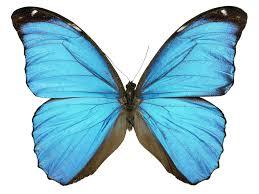
What type of symmetry does this organism have?
a)
Asymmetry
b)
Radial
c)
Bilateral
70.
An animal that is attached in one spot is said to be
a)
motile
b)
sessile
c)
symmetrical
d)
radial
71.

invertebrates with soft, unsegmented (separate parts) bodies that like damp places

a)

worms

b)

mollusks

c)

cnidarians

d)

echinderms

72.

What side of the body is being shown

a)

Posterior

b)

Anterior

c)

Inferior

d)

Superior

73.

What side of the body is being shown?

a)

Posterior

b)

Medial

c)

Proximal

d)

Anterior

74.

The arrow is pointing to which side of the dog?

a)

cranial

b)

caudal

c)

ventral

d)

dorsal

75.

The arrow is pointing to which side of the dog?

a)

cranial

b)

caudal

c)

ventral

d)

dorsal

76.

flat body

a)

cnidarian

b)

insect

c)

flatworm

d)

roundworm

77.
What does the term echinoderm mean?
a)
tube feet
b)
star shaped
c)
spiny skin
d)
stomach foot
78.

What has a circular body plan that is divided into equal halves such as a sea star or jellyfish?

a)

Bilateral Symmetry

b)

Radial Symmetry

79.

What is the class of this animals?

a)

Mammal

b)

Amphibian

c)

Invrtebrate

d)

Reptile

80.

What is the class of this animals?

a)

Mollusc

b)

Protozoa

c)

Annelids

d)

Reptile

81.

What is the class of this animals?

a)

Mammal

b)

Amphibian

c)

Invrtebrate

d)

Reptile

82.

What is the class of this animals?

a)

Mammal

b)

Amphibian

c)

Invrtebrate

d)

Reptile

83.

Give birth (viviporous) and wam blooded (homoitherm)

a)

Cat

b)

Fish

c)

Bird

d)

Frog

84.

Lay eggs (oviporous) and wam blooded (homoitherm)

a)

Cat

b)

Fish

c)

Bird

d)

Frog

85.

Use gills to breathe

a)

Bird

b)

Worm

c)

Cat

d)

Fish

86.

It stay in water and on land. It use moist skin and lung to breathe.

a)

Fish

b)

Bird

c)

Frog

d)

Crocodile

87.
What am I?
a)
Mollusk
b)
Annelid
c)
Arthropod
d)
Cnidarian
88.
What am I?
a)
Arthropod
b)
Cnidarian
c)
Mollusk
d)
Porifera
89.
I am spiny, have a water vascular system with tube feet, radial symmetry, and am called a brittle star.
a)
Mullosk
b)
Arthropod
c)
Echinoderm
d)
Cnidarian
90.
I am an arachnid, have four pairs of legs, and a body with two sections.
a)
Echinoderm
b)
Arthropod
c)
Annelid
d)
Porifera
91.
I have a round body divided into segments and my digestive tract has two openings.
a)
Echinoderm
b)
Cnidarian
c)
Annelid
d)
Mollusk
92.
I have a round body, which is divided into segments and a digestive tract with two openings.  I am a leech.  What Phyla am I in?
a)
Mollusk
b)
Echinoderm
c)
Arthropod
d)
Annelid
93.
I have spiny skin, water vascular system with tube feet, and a radial symmetry.  I am a sea anemone.
a)
Arthropod
b)
Cnidarian
c)
Echinoderm
d)
Mollusk
94.
I have a digestive cavity with one opening, and have tentacles.  I am a hydra.
a)
Echinoderm
b)
Cnidarian
c)
Arthropod
d)
Mollusk
95.
I have a hard exoskeleton, a segmented body, pairs of jointed appendages, and live on land and water.  I am a crab.  What is my phylum?
a)
Mollusk
b)
Arthropod
c)
Echinoderm
d)
Cnidarian
96.
I have three pairs of legs and a body divided into three sections.  As a butterfly, I have wings.
a)
Echinoderm
b)
Annelid
c)
Arthropod
d)
Mollusk
97.
What Phylum am I in?
a)
Echinoderm
b)
Arthropod
c)
Mollusk
d)
Annelid
98.
What phylum am I in?
a)
Echinoderm
b)
Cnidarian
c)
Mollusk
d)
Annelid
99.
In what phylum am I?
a)
Mollusk
b)
Echinoderm
c)
Cnidarian
d)
Annelid
100.
In what phylum am I?
a)
Annelid
b)
Mollusk
c)
Echinoderm
d)
Cnidarian
101.
I have a cavity with one opening.  I am coral.  In what phylum am I?
a)
Mollusk
b)
Arthropod
c)
Echinoderm
d)
Cnidarian
102.
I am spiny and have a water vascular system with tube feet.  I am a sea cucumber.
a)
Cnidarian
b)
Echinoderm
c)
Mollusk
d)
Annelid
103.

Organisms with bilateral symmetry...

a)

can be divided into left and right

b)

can be divided into wedges, like a pizza

c)

have no order or divisions to their shape

104.

I have no mouth but many pores and am asymmetric. I don't move very much but I am a marine animal.

a)

I am an arthropod

b)

I am a mollusk

c)

I am a sponge

d)

I am a cnidarian

105.

I look like a star and live in the oceans. I am not a fish.

a)

I am an arthropod

b)

I am an echinoderm

c)

I am a mollusk

d)

I am a sponge

106.

I am a marine anemone.

a)

I am an arthropod

b)

I am a mollusk

c)

I am a cnidarian

d)

I am an echinoderm

107.

Which of these invertebrates have asymmetric bodies?

a)

worms

b)

sponges

c)

cnidarians

d)

echinoderms

108.
I have dry and rough skin, lay eggs, breathe with lungs, and am ectothermic (cold-blooded). What am I?
a)
Fish
b)
Mammals
c)
Amphibians
d)
Reptiles
109.
The only group of animals that begin their lives breathing through gills in the water and as adults can live on land breathing with lungs
a)
amphibians
b)
arthropods
c)
mammals
d)
fish
110.
I am spiny, have a water vascular system with tube feet, radial symmetry, and am called a brittle star.
a)
Mullosk
b)
Arthropod
c)
Echinoderm
d)
Cnidarian
111.

It has a mantle, or a thin layer of tissue, that

covers its internal organs.

a)

Arthropod

b)

Mollusk

c)

Echinoderm

d)

Roundworm

e)

tapeworm

112.

A member of the phylum Nematoda, which consists of animals that have smooth skin and a long, cylindrical, and unsegmented body that tapers at both ends. Also, they periodically shed a layer of chitin. Almost all are parasitic.

a)

segmented worms

b)

round worm

c)

flat worm

d)

cnidarian

e)

annelid

113.

Which phylum of worms has a bilateral symmetry, one-way digestive system, respiration through skin, hydrostatic skeleton and segmented body?

a)

Annelid

b)

Platyhelminthes

c)

Nemotoda

d)

Nemertea

e)

cnidaria

114.

State the phylum of this organsim

a)

Mollusca

b)

Porifera

c)

Arthropoda

d)

Cnidaria

115.

I have many pores and am a filter feeder. State the phylum of this organism

a)

Porifera (sponge)

b)

Arthropoda

c)

Cnidaria

d)

Molluska

116.
An animal that can be divided into two parts  that are nearly mirror images of each other.
a)
blueprints
b)
asymmetry
c)
bilateral symmetry
d)
strategy
117.
This type of symmetry can not  be divided into two parts that are mirror images of each other.
a)
asymmetry
b)
bilateral symmetry
c)
strategy
d)
investigation
118.
An animal with this type of symmetry can be divided into two parts that are nearly mirror images of each other anywhere through its central axis.
a)
asymmetry
b)
radial symmetry
c)
bilateral symmetry
d)
strategy
119.
A flexible, rod shaped structure that supports the body of a developing chordate.
a)
characteristics
b)
stomach
c)
transparency
d)
notochord
120.
Asymmetrical, no tissues or organs, and filters food through pores.
a)
Porifera (sponges)
b)
Nematoda (roundworms)
c)
Annelida (segmented worms)
d)
Platyhelminthes (flatworms)
121.
Hollow body with tentacles, stinging cells, and radial symmetry.
a)
Arthropods
b)
Porifera
c)
Cnidarians
d)
Mollusca
122.
Most are parasites, some are free living, and the body is flat and soft.
a)
segmented worms
b)
roundworms
c)
flatworms
d)
sponges
123.
Tube shaped body that is pointed at the ends.  Most are free living, some are parasities.  THe digestive system is open at both ends.
a)
flatworms
b)
roundworms
c)
segmented worms
d)
sponges
124.
The body is divided into many ring-like segments.  They have well-developed organs and systems. 
a)
sponges
b)
flatworms
c)
round worms
d)
segmented worms
125.
Example of an annelida.
a)
earthworm
b)
whipworm
c)
jelly fish
d)
barrel sponge
126.
Example of a flatworm.
a)
leech
b)
tapeworm
c)
trichinella
d)
coral
127.
Example of a Porifera.
a)
bath sponge
b)
heartworm
c)
marine worm
d)
fluke
128.
What is an example of Cnidarians?
a)
earthworm
b)
jellyfish
c)
finger sponge
d)
hookworm
129.
What is an example of Mollusca?
a)
sarfish
b)
snails
c)
segmented worm
d)
flatworm
130.
What is an example of Arthropoda?
a)
butterfly
b)
sea urchin
c)
birds
d)
reptiles
131.
These invertebrates have a soft body and most have a hard shell.  They have a muscular foot and a mantle that helps make the shell.
a)
flatworm
b)
snails
c)
roundworm
d)
segmentedworm
132.
This invertebrate has spiny skin, water vascular system, tube feet, and radial symmetry.
a)
starfish
b)
crab
c)
reptile
d)
slug
133.
Starfish, sea urchins, sand dollar and sea cucumber are all part of this phylum.
a)
Echinodermata
b)
Mollusca
c)
Porifera
134.
Snails, clams, octopus, oysters. squid, and slugs are all part of this phylum.
a)
Flatworms
b)
Mollusca
c)
Arthropods
135.
THis invertebrate phylum has these characteristics: exoskeleton, jointed legs, segmented bodies, specialized mouth part and compound eyes.
a)
Flatworm
b)
Mollusca
c)
Arthropoda
136.
Tapeworm, planaria, and fluke are part of this phylum.
a)
Flatworms
b)
Roundworms
c)
Segmented worms
137.
Heartworm, hookworm, whipworm and trichinella are all part of this phylum.
a)
flatworm
b)
roundworm
c)
segmented worm
138.
Earthworm, leech, and marine worms are all part of this phylum.
a)
flatworms
b)
roundworms
c)
segmented worms
139.
Jellyfish, coral, and sea anemone are examples of this phylum.
a)
Porifera
b)
Cnidarians
c)
Annelida (segmented worms)
140.
This is the largest animal phylum.
a)
arthropods
b)
mollusks
c)
flatworms
141.
Special cells used by cnidarians to inject poison are called
a)
setae
b)
canals
c)
nematocysts
142.
The process of shedding and replacing an exoskeleton is called
a)
molting
b)
filtering
c)
metamorphosis
d)
nymphing
143.
The feet of echinoderms are connected to large tubes called
a)
setae
b)
nematocysts
c)
canals
canal
d)
segments
144.
What am I?
a)
Mollusk
b)
Annelid
c)
Arthropod
d)
Cnidarian
145.
An aquatic invertebrate of the phylum Porifera that attaches to stones or plants and that has a porous structure and a tough, elastic skeleton.
a)
cnidarian
b)
sponge
c)
mollusk
d)
echinoderm
146.

Which choice below contains characteristics for ALL invertebrates?

a)

bodies are multi-cellular, have backbones, keep internal conditions in balance, reproduce

b)

bodies are single-cellular, do not have backbones, reproduce, are autotrophs

c)

do not have backbones, reproduce, are heterotrophs, obtain oxygen for energy

d)

are autotrophs, do not have backbones, obtain food and oxygen for energy, are sessile

147.

Which group of invertebrates must molt its exoskeleton as it grows?

a)

Cnidarians

b)

Mollusks

c)

Arthropods

d)

Echinoderms

148.

Which invertebrate group below is describes as being the simplest of all the invertebrates with pores that are lined with specialized cells to obtain their resources?

a)

Segmented worms

b)

mollusks

c)

echinoderms

d)

sponges

149.

Which structure for movement is a characteristic of some Mollusk?

a)

stinging tentacles

b)

pores for obtaining food

c)

jointed legs

d)

a thick muscular foot

150.

Which picture shows an example of an animal with an exoskeleton?

a)
b)
c)
d)
151.

Which animal below moves with the aid of tube feet and has “spiny skin"?

a)
b)
c)
d)
152.

Which animal below uses specialized cells to sting its prey

a)
b)
c)
d)
153.

Which group of invertebrates is a non-predatory filter feeder?

a)

Sponge

b)

Insects

c)

Echinoderms

d)

Segmented worms

154.

Which type of invertebrate has a simple nervous system, a digestive tube that runs the length of their body and blood flowing in vessels?

a)

Mollusks

b)

Segmented Worms

c)

Sponges

d)

Echinoderms

155.

Earthworms need oxygen from the air to breathe. Which of the following allows earthworms to take in oxygen?

a)

Gills

b)

Specialized Cells

c)

Skin

d)

Nostrils

156.

Which group of invertebrates is known for its radial symmetry?

a)

Cnidarians

b)

Arthropods

c)

Sponges

d)

Mollusks

157.

You have observed an insect on a plant you notice that the insect looks like the leaves on the plant. Which adaptation for survival does this insect have?

a)

Mimicry

b)

Ejection

c)

Stinging

d)

Grouping

158.

A new species of animal is discovered. It moves using a strong muscular foot, it lives in salt water, and

it has a shell surrounding its soft body. In which group of invertebrates should scientists place this new animal?

a)

Mollusks

b)

Segmented Worms

c)

Echinoderms

d)

Sponges

159.

Which invertebrate animal has the ability to camouflage itself and eject ink to protect its soft body

a)

Octopus

b)

Jellyfish

c)

Clam

d)

Earthworm

160.

The following objects are all found in nature. What do they have in common?

a)

Living cells

b)

Radial symmetry

c)

Tissues

d)

Nothing is similar

161.

Most animals that have been discovered on earth are invertebrates. Choose the groups of animals below that are invertebrates.

a)

Arthropods

b)

Marsupials

c)

Sponges

d)

Reptiles

e)

Echinoderms