
 Worksheets
B11 & B12: Gas Exchange and Respiration
Total questions: 30
Worksheet time: 14mins
During gas exchange what enters from alveoli to the capillaries?
CO2
CO
O2
nitrogen


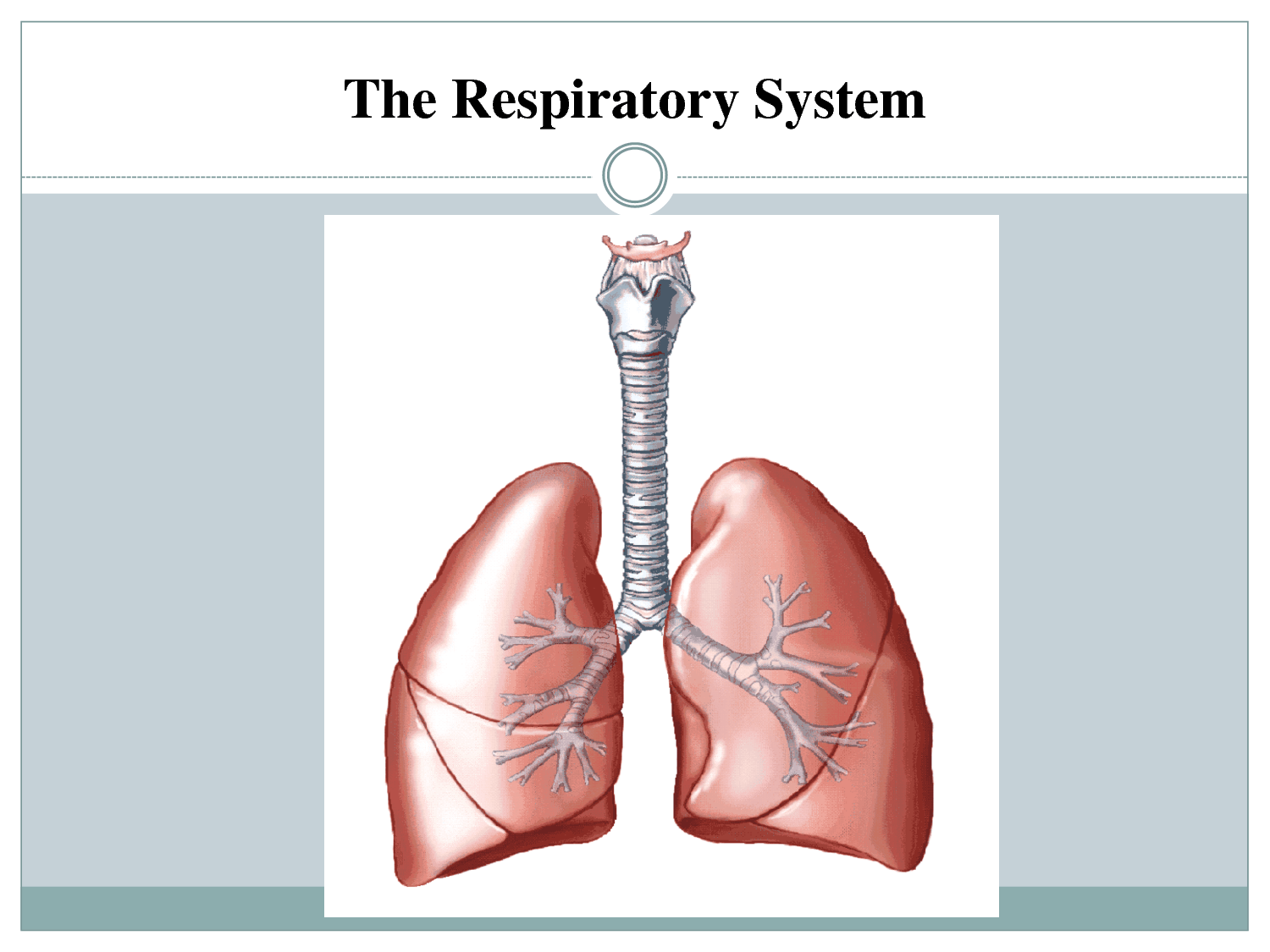
When you breathe, your lungs take in ___ and remove ___.
air/oxygen
oxygen/carbon dioxide
carbon dioxide/waste
waste/air
Which of the following are features of the alveoli that adapt them to gas exchange?
I. High surface area
II. Thin walls
III. Dry surfaces
I and II only
I only
II and III
I, II, and III
Given the following structures:
1. alveoli
2. bronchi
3. bronchioles
Which of the following is the correct order in which air would flow after inhalation?
1,2,3
2,1,3
2,3,1
3,2,1
What adaptations does the alveoli have for efficient gas exchange?
thick walls
thin walls
small surface area
what is found around alveoli?
capillaries
pleura
lymphatic nodes
saliva
What is sign for brain to send impulse for breathing?
high CO2 level
low CO2 level
high O2 level
high blood concentration
Diaphragm is
part of lungs
muscle that helps in breathing
throat muscle
structure in bones
What is the name of two main branches from the trachea (one to each lung)?
bronchi
alveoli
capillaries
bronchioles
The main function of cilia which line the respiratory surface is to
Moisten the trachea
Lubricate the bronchi to ease the flow of air into the lungs
Move the mucus to the pharynx and away from the lungs
Provide mucus to the lungs to prevent the lungs from dehydration
Also called the throat
larynx
pharynx
trachea
epiglottis

What are the products of aerobic respiration?
Carbon Dioxide and Energy
Lactic Acid
Water and Carbon Dioxide
Glycogen and Carbon Dioxide
What is the chemical formula for glucose?
C6H12O6
C12H6O12
C6O12H6
6CH2O
What is the equation for aerobic respiration?
C6H12O6 + 6O2 --> 6CO2 + 6H2O
C6H12O6 + O2 --> CO2 + H2O
C6H12O6 + 6O2 --> CO2 + 6H2O
6C6H12O6 + 6O2 --> 6CO2 + 6H2O
Where in the body does respiration take place? Select the best answer.
The lungs
The muscles
All cells
The blood
What is the purpose of respiration? Select the best answer.
To release the chemical energy stored in glucose
To generate heat
To produce energy
To absorb oxygen by diffusion
Where in a cell does aerobic respiration take place?
Cytoplasm
Ribosomes
Mitochondria
Nucleus
Chloroplasts
Why do athletes continue to breath heavily after exercise? Choose 2 answers.
They need O2 to break down lactic acid
They need more O2 for aerobic respiration
They have to remove excess CO2 from the blood
The muscle cells need to rebuild their stores of ATP
Respiration is the process carried out in cells to produce
oxygen
energy
glucose
starch
Why do muscle cells have more mitochondria?
to increase oxygen production
to produce more energy
to ensure more carbon dioxide is released
to gain water
The correct word equation for aerobic respiration is
carbon dioxide + water (+ energy) → glucose + oxygen
water + oxygen → carbon dioxide + glucose (+ energy)
glucose + oxygen → carbon dioxide + water (+ energy)
glucose + water → carbon dioxide + water (+ energy)

