
 Worksheets
Unidad 9 ¿Cómo te preparas?
Total questions: 68
Worksheet time: 2hrs 37mins
What is the correct reflexive pronoun to use for "yo" when conjugating a reflexive verb in Spanish?
te
se
me
nos

How do you conjugate the reflexive verb "levantarse" in the first person singular (yo) in the present tense?
levanto
levantarme
me levanto
levantase
Which of the following is NOT a common reflexive verb in Spanish?
ducharse
comer
vestirse
acostarse
In the sentence "Ella se peina antes de salir", what is the grammatical function of "se"?
It doesn't mean anything.
It is a direct object pronoun.
It is a reflexive pronoun.
It is an indirect object pronoun.

How do you say "We wake up at seven in the morning" in Spanish using a reflexive verb?
Nosotros despertamos a las siete de la mañana.
Nosotros nos despertamos a las siete de la mañana.
Ellos se despiertan a las siete de la mañana.
Yo me despierto a las siete de la mañana.
What is the correct reflexive pronoun to use for "ellos" when conjugating a reflexive verb in Spanish?
me
se
nos
te
Choose the sentence that correctly uses a reflexive verb.
Yo como el desayuno en la cocina.
Tú te vistes rápidamente por la manana.
Ella ve la televisión en la sala.
Nosotros jugamos fútbol en el campo.
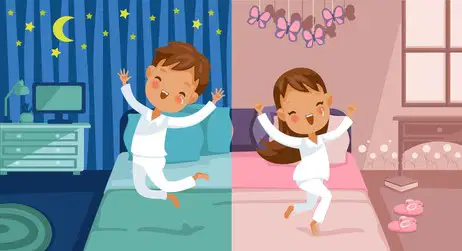
How do you conjugate the reflexive verb "acostarse" (to go to bed) for the subject "mis hermanos"?
ellos se acuestan
ellos acuestan
ellos acuestanse
ellos se acostar
Which reflexive pronoun would you use for "tú" with a reflexive verb?
te
me
se
nos

What is the infinitive form of the reflexive verb used in "Nosotros nos lavamos las manos."?
lavar
lavarse
lavamos
lavándose
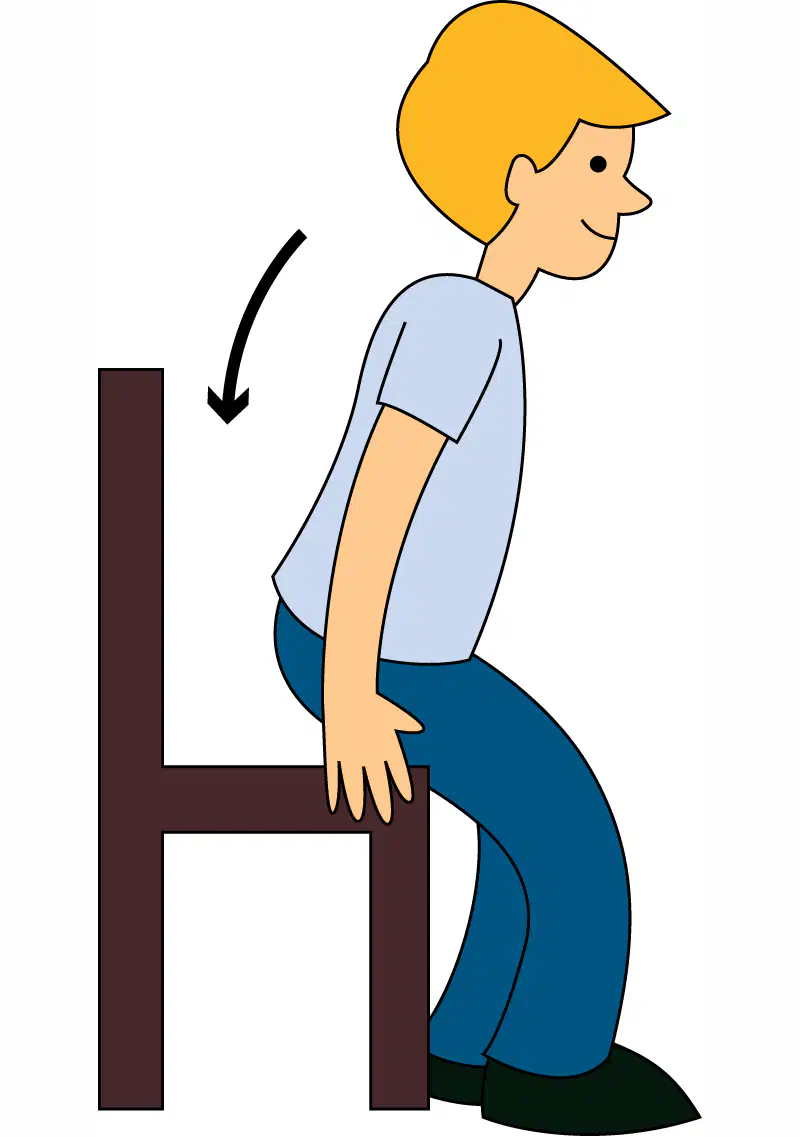
Which of the following sentences correctly demonstrates the use of the reflexive verb "sentarse" (to sit down)?
Yo siento en la silla.
Tú te sientas en la silla.
Ella sienta en la silla.
Nosotros sentamos en la silla.

What is the correct way to say "She brushes her teeth" using a reflexive verb in Spanish?
Ella se cepilla el pelo.
Ella se cepilla los dientes.
Ella cepilla el pelo.
Ella cepillarse los dientes.
In the sentence "Nosotros nos acostamos temprano.", how does "nos" function grammatically?
It indicates a plural subject.
It is a direct object pronoun.
It is a reflexive pronoun.
It makes the verb negative.

What is the correct way to say "I get dressed" using a reflexive verb in Spanish?
Yo visto.
Yo me visto.
Yo visto a mí.
Yo me visto a mí.

How do you conjugate the reflexive verb "despertarse" (to wake up) for the subject "ella"?
ella se despierta
ella despierta
ella despertarse
ella se despierto
In the sentence "Tú te lavas la cara", how does "te" function grammatically?
It indicates a plural subject.
It is a direct object pronoun.
It is a reflexive pronoun.
It indicates posession.

What is the correct way to say "You take a shower" using a reflexive verb in Spanish?
Tú te duchas.
Tú duchas.
Dúchate.
Ducharse.

How do you conjugate the reflexive verb "dormirse" (to fall asleep) for the subject "yo"?
Yo me duermo.
Yo duermo.
Yo dormirme.
Yo me dormir.

Which of the following sentences correctly demonstrates the use of the reflexive verb "ponerse" (to put on) in the first person plural (nosotros)?
Nosotros ponemos la ropa.
Nosotros nos ponemos la ropa.
Nosotros ponernos la ropa.
Nosotros se ponen la ropa.

Choose the sentence that correctly uses a reflexive verb.
La muchacha acuesta a las diez de la noche.
La muchacha se acuesta a las diez de la noche.
La muchacha se acosta a las diez de la noche.
La muchacha acostarse a las diez de la noche.

Gloria _________ a las siete de la mañana. (takes a bath)
se bañan
bañase
se bañar
se baña

Victor y Oscar ____________ cada día para ir a la escuela. (get ready)
se arreglan
te arreglas
se arregla
nos arreglamos

Alicia __________ las uñas cada fin de semana. (paints)
se pinta
se pintan
pintarse
pinta

Which verb means "to comb"?
despertarse
peinarse
cepillarse
vestirse
Place the following pronouns in the correct order on the chart.
se (3rd person singular)
se (3rd person plural)
os
Spanish Reflexive Pronouns
me
nos
te
Match the following for llamarse: to call oneself
Mis abuelos____Julio y Juanita
se llaman
Yo ____ Lola
me llamo
Nosotros _____ Pepe y Nacho
nos llamamos
Tú _____ Alberto, ¿no?
te llamas
Mi hermano ____ Felipe
se llama

Yo siempre (a) el pelo con una toalla. (secarse)
Please conjugate the verb in the parentheses.
Match the following

acostarse (o-ue)

afeitarse

bañarse

ducharse

maquillarse
Match the following

vestirse (e-i)

peinarse

cepillarse

secarse

cortarse
Match the following

despertarse (e-ie)

dormirse (o-ue)

levantarse

ponerse

quitarse
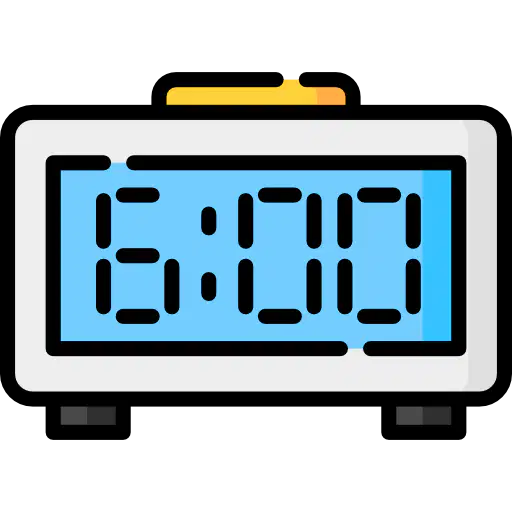
Reorder the following to make a logical sentence.
me
despierto
a
las
seis
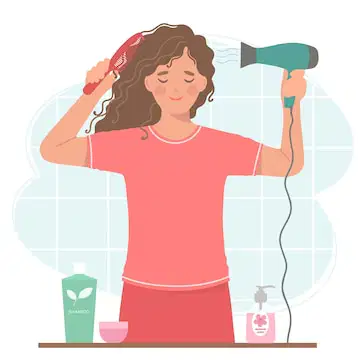
Reorder the following to make a logical sentence.
ella
se
seca
el
pelo
¿Dónde está la toalla?
¿Dónde está el peine?
¿Dónde está el cepillo?
¿Dónde está el desodorante?

Translate the following sentence: I wash my face.
(include yo to start the sentence)
(a)

¿Cómo se dice gold jewelry en español?
el agua de colonia
las joyas de plata
las joyas de oro
el salón de belleza

¿Cómo se dice I put on the shirt en español?
Yo me quito la camisa.
Yo lavo la camisa.
No me gusta la camisa.

¿Cómo se dice She takes a shower en español?
(a)
Match the following vocabulary words.

la audición

la boda

la cita

el concurso

un evento especial
Choose the correct verb form.
Los estudiantes (a) nerviosos hoy.

Choose the correct verb form.
Los estudiantes (a) muy inteligentes.
I wake up at 6:00. - (a) a las seis. (please include yo)
Hoy yo (a) bien porque siempre yo (b) paciente.

Which of the following is an example of a reflexive verb in Spanish?
comer
hablar
levantarse
dormir

Uso un __________ para arreglarme el pelo.
maquillaje
peine
cinturon
agua de colonia

Tú _________ en agua caliente.
te secas
te despiertas
te duchas
te pones
Tú no _______ baja. Beatriz y yo ______ de acuerdo.
eres, somos
eres, estamos
estás, estamos
estás, somos
Puede usar el secador, el peine, el cepillo, y el gel para __________ __ ____.
lavarse la cara
cepillarse los dientes
arreglarse el pelo
secarse el pelo
Me pongo la loción cuando tengo la piel seca (dry skin).
Ilógico
Lógico

¿Qué es esto?
Los uñas
La uña
Las uñas
El uña

To say that you do something to or for yourself, you use a _______ verb.
stem changing
reflexive
-AR verb
ser

¿Cómo te preparas?
Me llamo. Me comunico. Me gusta. Me encanta.
Me gusta pasar tiempo con amigos.
Me despierto. Me levanto. Me ducho. Me arreglo el pelo.
None of the above
Completa la frase: Yo _________ temprano todos los días. (wake up)
me visto
me baño
me acuesto
me despierto
Yo uso mi despertador para despertarme temprano.
lógico
ilógico
Anita usa el jabón para maquillarse.
lógico
ilógico
Guillermo usa la crema de afeitar para acostarse.
lógico
ilógico
Choose the most logical response.
Normalmente mi hermana (a) a las seis y media de la mañana.
Choose the most logical response.
Luego (a) la ropa.
¿Cómo se dice at 1:00 en español?
a una
a la una
el la una
son las una
¿Cómo se dice at 10:20 en español?
Son las diez y veinte.
Es las diez y veinte.
A las diez y veinte.
Son las diez y veinte.
¿Cómo se dice It is 3:00 en español?
Son las tres.
Es la tres.
A las tres.
A la tres.
What follows después de or antes de if it is an action?
an adjective
a conjugated verb
an infinitive
an adverb

Marcos ___________ con una toalla grande. (dries himself)
se levanta
se acuesta
se cepilla
se seca

Roberto ___________ a las diez de la noche.
se acuesta
acuesta
se acosta
se acostar
What is the only possible subject of this sentence?
___________se despierta a las seis.
Yo
Roberto
Mis amigos y yo
Las chicas

