
 Worksheets
FAST Review ELA G8 S1
Total questions: 55
Worksheet time: 1hrs 4mins

In a novel, if a character is being bullied and decides to start an anti-bullying campaign at school, this character is typically the ________ of the novel.
(Literary Elements)
antagonist
protagonist
sidekick
mentor
When a character in a short story is struggling with their school science project and needs to pass the class, the science project is the ________.
protagonist
antagonist
catalyst
setting
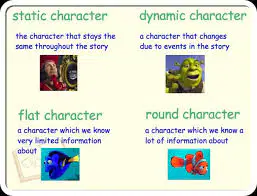
A character that starts off as young and innocent but learns the importance of acceptance and empathy through a personal tragedy is considered a ________ character.
Dynamic
Static
Flat
Archetypal
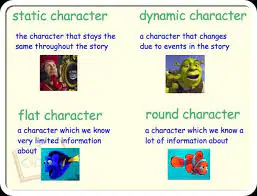
If a character in a short story is unique, unpredictable, and fails to learn an important lesson about greed, they are both ________ and ________.
Flat, static
Round, static
Round, dynamic
Flat, dynamic

What is the term used for the beginning of a story where the characters, including the protagonist, and the setting are introduced?
(Literary Elements)
C) Exposition
A) Climax
B) Resolution
D) Falling Action

Which part of the plot involves the protagonist making a choice or taking action to solve the conflict, and is considered the turning point of the story?
(Literary Elements)
D) Climax
C) Rising Action
E) Falling Action
F) Resolution

What is the falling action in a story?
(Literary Elements)
A) The part where the conflict is introduced
B) The section where the story's tension and excitement reach their peak
C) The segment following the climax where the conflict begins to resolve
D) The final part where the story concludes and the conflict is fully resolved

What is the resolution in a story?
(Literary Elements)
A) The introduction of the main conflict
B) The climax or turning point of the narrative
C) The buildup of tension leading to the climax
D) The conclusion where the conflict has the solution and the story ends

Match the following Vocabulary Terms:
(Literary Elements)
exposition
first part of the story
climax
the peak/most action of the story
resolution
the ending of the story
theme
the main message of the story

What does the theme of a story represent?
Hint: It is found in the resolution
(Literary Elements)
A) The sequence of events in a plot
B) The background setting of the story
C) The message or lesson conveyed by the story
D) The main character in the story
Label this basic plot diagram.
(Literary Elements)
Falling action
Climax
Rising action
Introduction
Resolution
What does the term "Denotative" mean?
Emotion, attitude, or feeling
Dictionary definition
Two words having the same pronunciation, but different spellings and meanings
Two words with the same pronunciation and spelling, but different meanings
What does the term "Connotation" mean?
Tone (emotion, attitude, or feeling) expressed in word choice.
Dictionary definition
Two words having the same pronunciation, but different spellings and meanings
Two words with the same pronunciation and spelling, but different meanings

What is a synonym?
Two words having opposite meanings
Two words with the same pronunciation, but different spellings and meanings
Two words having the same or nearly the same meaning
Two words with the same pronunciation and spelling, but different meanings

What is a antonym?
Two words having opposite meanings
Two words with the same pronunciation, but different spellings and meanings
Two words having the same or nearly the same meaning
Two words with the same pronunciation and spelling, but different meanings

What is a homonym? Remember: homo = same & nym = name
Two words having opposite meanings
Two words with the same pronunciation, but different spellings and meanings
Two words having the same or nearly the same meaning
Two words with the same pronunciation and spelling, but different meanings
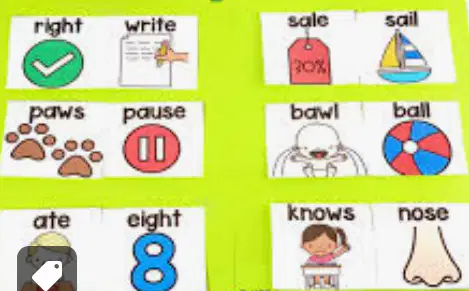
What is a homophone? Remember: homo = same & phone= sound
Two words having opposite meanings
Two words with the same pronunciation, but different spellings and meanings
Two words having the same or nearly the same meaning
Two words with the same pronunciation and spelling, but different meanings
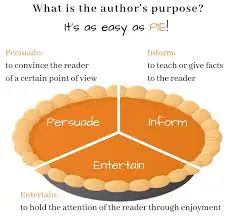
Pie
(Literary Elements)
state a claim about a topic and prove its accuracy and credibility through facts and evidence
prove the speaker's opinion on a topic is valid or correct, or
increase the audience's knowledge of a subject,
use emotional appeals to sway the audience's opinions or beliefs
present statistical data or research findings in a clear and understandable way
provide step-by-step instructions for completing a task or achieving a goal
emphasizing writing that's interesting, amusing, and captivating, and
Engaging
Maggie discovered that rocks in caves can be quite sharp. The razor-sharp teeth of cave's ...
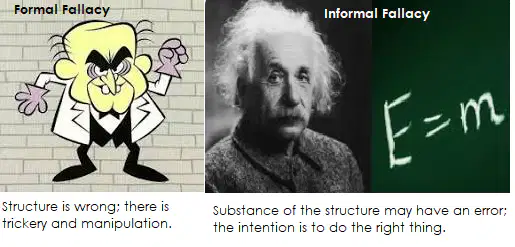
What is a formal fallacy? Remember a fallacy is incorrect or false;
if it is intentional, it is considered formal and is used to manipulate others' thinking;
if it is informal their was an unintentional mistake in the reasoning.
An error in reasoning that occurs in the form or structure of an argument.
A reasoning based on truth.
A persuasive technique that relies on emotional appeals.
A logical argument.

Which of the following is an example of an ad hominem fallacy?
This is formally and intentionally structured for manipulation.
Claiming that a politician's argument about climate change is wrong because they are not a scientist.
Arguing that a theory must be true because it has not been proven false.
Concluding that all politicians are dishonest because one has been found guilty of lying.
Asserting that someone's argument is invalid because it leads to a contradiction.

Which is the best expression of the straw man fallacy?
This type of fallacy is formally and intentionally structured for manipulation.
Intentionally distorting the opponent's statement in hopes of convincing them you believe what you are saying.
Everyone is doing it, you should too!
Attack a person's credibility in hopes that others will not trust them because you don't want them to believe what is being said by that person.
It occurs when there has been presented as a distracter; kind of like a smoke screen.

What is an analogy?
A comparison between two historical events
A comparison between two like or unlike things
A detailed explanation of a concept
A grammatical structure in a sentence

What is the relationship in the analogy: Tree is to leaf as book is to __________.
Page
Library
Reading
Cover

What is the relationship in the analogy: Heart is to pump as lung is to __________.
Expand
Blood
Oxygen

What is the relationship in the analogy: Water is to liquid as ice is to __________.
solid
gas
cold
32 degrees

Identify the type of relationship in the following analogy: Foot is to shoe as hand is to __________.
Glove
Arm
Finger
Nail
When copying information from a source and paraphrasing, it needs to be done in this process:
Copy the text, then move words or phrases around.
Polish your work by using synonyms to replace difficult words, BUT be sure NOT to change proper nouns or key words.
Review to confirm the paraphrased text makes sense and is relatable.
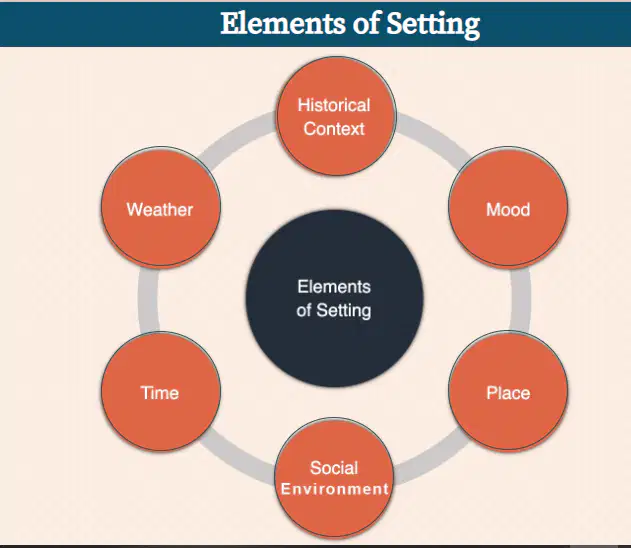
Which of the following best describes the historical context of a setting? Hint: historia means past events
(Literary Device)
Mood - emotional response to connotation
Place - The physical location where the story takes place
Time period in which the story is set, including any relevant historical events
Weather conditions present in the story
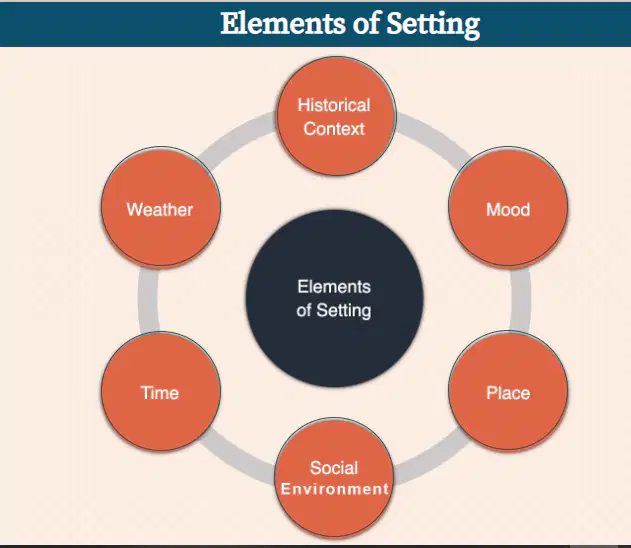
What element of setting is primarily concerned with the geographical location of the story?
(Literary Device)
Mood
Place
Time

Which element of setting focuses on the customs, values, and laws that affect characters' lives?
(Literary Device)
Weather
Social environment
Place

How does the time of day contribute to the setting of a story?
(Literary Device)
It establishes the historical context. Nope, historical context can be a part of the setting because it is relating to time but does NOT contribute to the "time of day". So, do NOT select this one.
It influences the story's mood by creating a specific atmosphere i.e., night is scary, morning is a beginning... .
It specifies the weather conditions. Nope, "weather" does not contribute to time or place which are the key elements to a setting.

What is the significance of weather in a story's setting?
(Literary Device)
It primarily serves to indicate the story's geographical location.
It can symbolize the internal states of characters or foreshadow events.
It is used to determine the social norms i.e., typical behaviors expected from a select group.
It establishes the historical context of the narrative. Remember: historia refers to past time

Which element of setting is directly related to the physical and temporal aspects of the story's world?
(Literary Device)
Mood
Social environment
Place and Time
Historical context

How does the historical context influence the development of characters in a story? Hint: Old folks may say, "This generation is ... !" indicating their generation had better beliefs and practices.
(Literary Element)
By determining the weather conditions they experience
By affecting their emotional responses and moods
By shaping/showing their beliefs, values, and actions according to the time period
By specifying the geographical location in which they live

What is the primary function of place in the setting of a story?
To establish the mood through descriptive imagery
To provide a backdrop against which the characters' stories unfold
To outline the societal norms and values affecting the characters

What type of word relationship is represented by the pair "quiet : inaudible"?
Synonym
"quiet : inaudible"
Antonym
"quiet : deafening"
Homonym
"watch: watch"
Homophone
"steal : steel"

What does a false analogy fallacy involve?
This type of fallacy is formally and intentionally structured for manipulation.
- incorrectly connects two things based on one or a few shared characteristics.
- attacks or criticizes someone's character
- uses an argument's exaggerated outcome to convince others to do what you want

What is bandwagon fallacy?
This type of fallacy is formally and intentionally structured for manipulation.
- appeals to the popularity of a practice or concept as a method of persuasion.
- attacks or criticizes someone's character rather than the logic or content of the argument.
- incorrectly connects two things based on one or a few shared characteristics.

What characterizes a hasty generalization fallacy?
This type of fallacy is formally and intentionally structured for manipulation.
- made without sufficient evidence, often based on very limited experience.
- incorrectly connects two things based on one or a few shared characteristics.
- attacks or criticizes someone's character rather than the logic or content of the argument.
- uses an argument's conclusion as a premise for proving the argument.

What is a red herring fallacy (we usually say something smells fishy)?
This type of fallacy is formally and intentionally structured for manipulation.
A fallacy that attacks or misrepresents the viewpoint of another, typically through emotions or guilt.
A fallacy that is used to distract or redirect from an argument by avoiding key issues or ignoring opposing views.
A conclusion or reply that does not follow the previous statement in a logical manner or does not make sense in any way.
A fallacy based on the premise "if this, then that," often a chain of events that result in an unlikely or extreme outcome.

Match the following
Light
Hope and/or Knowledge
Dark
Despair and/or not knowing
Circle
Completeness
Water
Purification and/or Cleaning

Match the following
A Forest
Mystery and /or the Unknown
A Garden with a brook running through it
Peace and Tranquility
A Mountain or the woods
Solitude and Reflection
A Library
Knowledge and Wisdom

Which object is commonly used to symbolize peace and/or love?
Sword
Dove
Clock
Mirror
What does the season of spring universally symbolize in literature?
Death
Decay
Rebirth and renewal
Stagnation

What does stormy weather typically symbolize in a story?
Clarity and resolution
Chaos and turmoil

In literature, what does the color red most often symbolize? Hint: it can symbolize danger, but in this case it symbolizes -
Sadness
Love and passion
Peace

Why might an author use a setting symbol like a desert?
To highlight abundance
To symbolize isolation or emptiness
To indicate a busy setting
To show technological progress

What does fog often symbolize in literature?
Clarity and understanding
Mystery or uncertainty
Joy and happiness
Rapid movement

Which object is often used to symbolize time passing or the inevitability of death?
A river
A clock
A dove
A mountain

What are the names of the five stages of a plot?
Introduction, rising action, climax, falling action, and conclusion
Exposition, rising action, climax, falling action, and resolution

Who is typically the protagonist of a story?
The character who must resolve a conflict
The character who is the problem

What is a round character?
simple, predictable, and 2-dimensional
- complex, 3-dimensional character

What is a flat character?
3-dimensional, complex and requires a paragraph or more to explain
2-dimensional, underdeveloped, and can be described in a few words

What is indirect characterization?
the author provides examples about a character, tells the reader/audience exactly what the character is like
the author provides clues about a character, but does not tell the reader/audience exactly what they're like, so the audience must figure it out

smile : happy as cry:
Anger
Sad
Fear
Surprise

Identify the type of relationship in the following analogy: Nurse : hospital as teacher : __________.
Student
School
Room
Education

Complete the analogy: Fish : swim as bird : __________.
Fly
Nest
Sing
Feather

Identify the type of relationship in the following analogy: Painter is to brush as writer is to __________.
Book
Pen
Story
Paper

Identify the type of relationship in the following analogy: Painter is to brush as writer is to __________.
Book
Pen
Story
Paper

