
 Worksheets
class_11
Total questions: 173
Worksheet time: 2hrs 42mins
True or False: Communication is more than just talking face to face?
True
False
What is Body Language?
Postures, gestures, and facial expressions.
The exchange of information through the use of words.
Your words say one thing but your body language say another.
Speak from your point of view.
Good listening skills include what?
Smiling and waving at people
Yelling loud at people
Writing in slang.
None the above.
The exchange of information through the use of words or actions is
Active listening
Body language
Communication
Aggressive
Which of the following is considered a speaking skill?
Make clear, simple statements
Paying attention
Rereading your words before you send a message
Which of the following is considered a listening skill?
Thinking before you speak
Writing clear, simple statements
Paying attention

Two types of communication are:
Verbs and Nouns
Verbal and information
Verbal and non-verbal
Happy and sad

An example of verbal communication is:
Phone conversation
Posture
Eye contact
Writing an email
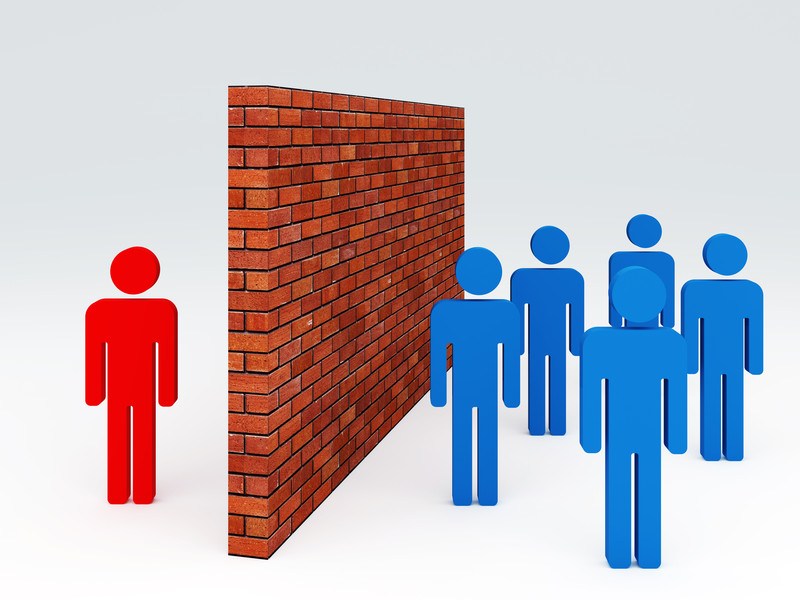
Which of the following is a barrier to communication?
Message is not clear
Not listening
Lack of language skills
All of the above

Which is NOT important in effective communication?
Wearing a red tie
Making eye contact
Using appropriate body language
Using the appropriate tone

A good, clear speaker…
Understands what he/she wants to say
Considers the audience and the setting
Checks to assure understanding, and listens to responses
All of the above
What's the favourite drink of India?
coffee
tea
milk
What's the name of India's film industry?
Dollywood
Hollywood
Bollywood
India is the only country in the world where
both lions and tigers live.
both cats and dogs live.
both lions and elephants live.
People in India greet each other by saying...
Hān
Namaste
Dhanyavāda
Which monument was built as a tomb for an emperor's wife?
Mysore Palace
Taj Mahal
Jantar Mantar
Jamma Masjid
Communication is more than just talking face to face?
True
False
What is Body Language?
Your words say one thing but your body language say another.
Postures, gestures, and facial expressions.
The exchange of information through the use of words.
Speak from your point of view
Good listening skills include what?
Smiling and waving at people
Writing in slang.
Yelling loud at people
None the above.
The exchange of information through the use of words or actions i
Active listening
Body language
Communication
Aggressive
Which of the following is considered a listening skill?
Thinking before you speak
Paying attention
Writing clear, simple statements

Two types of communication are:
Verbs and Nouns
Verbal and information
Happy and sad
Verbal and non-verbal

An example of verbal communication is:
Phone conversation
Posture
Eye contact
Writing an email

Which of the following is a barrier to communication?
Message is not clear
Not listening
Lack of language skills
All of the above

Which is NOT important in effective communication?
Wearing a red tie
Making eye contact
Using appropriate body language
Using the appropriate tone

A good, clear speaker…
Understands what he/she wants to say
Considers the audience and the setting
Checks to assure understanding, and listens to responses
All of the above

We communicate by:
Speech (Telephone call, conversations, etc)
Visuals (Body language, facial expressions)
Writing (Letter, emails, newsletters, etc)
All of the above

Includes gestures, facial expressions, and body positions
Feedback
Verbal Communication
Dance
Non-Verbal Communication

The use of sounds and words to express yourself
Non-Verbal Communication
Verbal Communication
Customer Service
Interpretive Dance

From the image the brain’s ability to make sense of what
we see through our eyes is _______.
Visual Perception
Prejudice
Feelings
Communication
You can help control prejudice by:
believing your first impression and not allowing others to influence your thoughts.
believing only what your parents taught you about other races.
valuating all information before making a judgement.
doing all of the above.
What is communication without words?
Sign language
Gestures
Non-verbal communication
Telepathy

An example of non-verbal communication is:
Eye Contact
Telephone conversation
Sleeping
Face-to-face conversation

When shaking hands, you should always:
Wear heavy cologne or perfume
Make eye contact
Shake repeatedly until the person begs you to stop
Make sure your hand is sweaty
The following are the 7C's of communication: Concreteness, Courtesy, correctness, Clarity, Consideration, Conciseness and Creativity
True
False
______ implies 'stepping into others' shoes'.
Courtesy
Consideration
Correctness
_______ implies there are no grammatical errors.
Correctness
Conciseness
Concreteness
_______ emphasizes on avoiding complex phrases and enhances the meaning of the message.
Completeness
Correctness
Clarity
WHAT IS THE PROCESS OF EXCHANGING INFORMATION AND MEANING BETWEEN INDIVIDUALS OR GROUPS CALLED
COMMUNICATION
NEGOTIATION
PERSUASION
PRESENTATION
WHICH OF THE FOLLOWING IS AN EXAMPLE OF NON-VERBAL COMMUNICATION
SPEAKING
WRITING
USING HAND GESTURES
SEND AN EMAIL
WHAT DOES ACTIVE LISTENING INVOLVE
INTERRUPTING THE SPEAKER
FOCUSING ON YOUR RESPONSE
AVOIDING EYE CONTACT
PAYING ATTENTION AND UNDERSTANDING THE SPEAKER
WHICH OF THE FOLLOWING IS AN EXAMPLE OF WRITTEN COMMUNICATION
HAVING A CONVERSATION
SENDING A TEXT MESSAGE
MAKING A PHONE CALL
ATTENDING A MEETING
WHAT IS EMPATHY
UNDERSTANDING AND SHARING THE FEELINGS OF OTHERS
CONVINCING OTHERS TO AGREE YOUR POINT OF VIEW
IGNORING THE EMOTIONS OF OTHERS
ALL OF THE ABOVE
WHAT ARE INTERPERSONAL SKILLS
SKILLS USED IN COMMUNICATION
SKILLS USED IN NON VERBAL COMMUNICATION
SKILLS USED IN ONE-ON-ONE INTERACTIONS
SKILLS USED IN PUBLIC SPEAKING
WHICH COMMUNICATION SKILL INVOLVES EXPRESSING IDEAS EFFECTIVELY THROUGH WRITING
VERBAL COMMUNICATION
NON VERBAL COMMUNICATION
LISTENING SKILLS
WRITTEN COMMUNICATION
WHICH COMMUNICATION SKILL INVOLVES USING BODY LANGUAGE AND FACIAL EXPRESSIONS
VERBAL COMMUNICATION
NON VERBAL COMMUNICATION
LISTENING SKILLS
WRITTEN COMMUNICATION
NON VERBAL CUES INCLUDE
EYE CONTACT
OPEN ARMS
NODDING
ALL OF THE ABOVE
WHICH OF THE FOLLOWING IS A BARRIER TO COMMUNICATION
MESSAGE IS NOT CLEAR
NOT LISTENING
LACK OF LANGUAGE SKILLS
ALL OF THE ABOVE
LISTENING TO SOMEONE'S OPINION MEANS YOU HAVE TO CHANGE YOUR BELIEFS
TRUE
FALSE
WHICH OF THESE IS NOT A COMMUNICATION SKILL
LAUGHING
SWIMMING
ASKING QUESTIONS
IF YOU WANT TO COMPLAIN, WHAT'S THE BEST WAY TO BEHAVE
STAY CALM, STICK TO YOUR POINT
GET VERY ANGRY
GET READY TO CRY
IF YOU NEED TO MAKE A PHONE CALL FOR INFORMATION WHAT COULD YOU DO BEFORE CALL
PREPARE YOUR QUESTIONS
BRUSH YOUR TEETH
MAKE A COFFE
YOU HAVE A DISCUSSION WITH A FRIEND ABOUT POLITICS. YOU DON'T AGREE WITH THEM. WHAT SHOULD YOU DO
CHANGE THE SUBJECT
SAY WHAT YOU BELIEVE
GET ANGRY WITH YOUR FRIEND
True or False: Communication is more than just talking face to face?
True
False
True or False: Communication is more than just talking face to face?
True
False
What is Body Language?
Postures, gestures, and facial expressions.
The exchange of information through the use of words.
Your words say one thing but your body language say another.
Speak from your point of view.
The exchange of information through the use of words or actions is
Active listening
Body language
Communication
Aggressive
Which of the following is considered a speaking skill?
Make clear, simple statements
Paying attention
Rereading your words before you send a message
Two types of communication are:
Verbs and Nouns
Verbal and information
Verbal and non-verbal
Happy and sad
An example of verbal communication is:
Phone conversation
Posture
Eye contact
Writing an email
Which of the following is a barrier to communication?
Message is not clear
Not listening
Lack of language skills
All of the above
Which is NOT important in effective communication?
Wearing a red tie
Making eye contact
Using appropriate body language
Using the appropriate tone
A good, clear speaker…
Understands what he/she wants to say
Considers the audience and the setting
Checks to assure understanding, and listens to responses
All of the above

We communicate by:
Speech (Telephone call, conversations, etc)
Visuals (Body language, facial expressions)
Writing (Letter, emails, newsletters, etc)
All of the above

Includes gestures, facial expressions, and body positions
Feedback
Verbal Communication
Dance
Non-Verbal Communication

The use of sounds and words to express yourself
Non-Verbal Communication
Customer Service
Interpretive Dance
Verbal Communication

An example of non-verbal communication is:
Sleeping
Face-to-face conversation
Telephone conversation
Eye Contact

Good customer service is the ability of an organisation to constantly and consistently exceed:
The speed of sound
The customer's expectations
The rainfall in South America
Their competitor's sales

True or False: Communication skills are vital to individuals and businesses
True
False
Which of these is not a communication barrier?
language
visual perception
voice moderation
environmental factors
Which of these is not a part of the 7C's of communication?
cognate
concise
correct
concrete
What expresses a sudden and strong feeling?
apostrophe
interjection
punctuation
conjunction
Which of these is a "do" of discussion etiquette?
use loud tone
argue unnecessarily
listen to others
be close-minded
What are verbal and non-verbal responses to messages called?
Communication
Feedback
Verbal
Message
The speaker should always give non-verbal cues while giving a speech?
True
False
What is Body Language?
Postures, gestures, and facial expressions.
The exchange of information through the use of words.
Your words say one thing but your body language say another.
Speak from your point of view.
Which is the most effective style of communication?
Aggressive
Passive
Assertive
Which of following is a negative body language to use when speaking?
Fold your arms or cross your legs
Stand behind a lecture and keep your body hidden
Keep your arms open and use gestures
Do not make eye contact
The exchange of information through the use of words or actions is
Active listening
Body language
Communication
Aggressive
Which type of communication includes gestures, facial expressions, and body positions?
Verbal Communication
Feedback
Decoding
Non-Verbal Communication
What is Body Language?
Postures, gestures, and facial expressions.
The exchange of information through the use of words.
Your words say one thing but your body language say another.
Speak from your point of view.
The exchange of information through the use of words or actions is
Active listening
Body language
Communication
Aggressive
Under which category of the type of communication does sending a text message come?
Verbal
Non-Verbal
Which is not a part of the communication cycle?
encoding
decoding
encrypting
feedback
Active listeners view communication as a:
long process
three-way process
crucial process
dynamic process
What is the part of speech that describes other words called?
Noun
Adjective
Adverb
Pronoun
Geet and Preet love to listen to music-
Identify the subject:
Geet
Preet
Geet and Preet
Music
Identify the type of sentence-
Dancing is my hobby.
Assertive sentence
Imperative sentence
Interrogative sentence
Declarative sentence
True or False: Communication is more than just talking face to face?
True
False
What is Body Language?
Postures, gestures, and facial expressions.
The exchange of information through the use of words.
Your words say one thing but your body language say another.
Speak from your point of view.
Good listening skills include what?
Smiling and waving at people
Yelling loud at people
Writing in slang.
None the above.
Hearing, thinking about and responding to another person’s message is
“I” Message
Active Listening
Body Language
Mixed Messages
Three Styles of Communication
Aggressive, Active Listening, communication
Passive, “I” Messages, Assertive
Aggressive, passive, and assertive
None of the above
When a person states his/her position in a firm but positive manner is
Aggressive
Assertive
Passive
None of the above
The exchange of information through the use of words or actions is
Active listening
Body language
Communication
Aggressive
A situation in which your words say one thing but your body language says another is
An “I” Message
A mixed message
Body Language
Active listening
A person that is overly forceful, pushy, hostile or otherwise attacking in approach is known as
Asserive
Active listener
Aggressive
Passive
Which communication style is the most effective?
Aggressive
Passive
Assertive
Which of the following is considered a speaking skill?
Make clear, simple statements
Paying attention
Rereading your words before you send a message
Which of the following is considered a listening skill?
Thinking before you speak
Writing clear, simple statements
Paying attention
Two types of communication are:
Verbs and Nouns
Verbal and information
Verbal and non-verbal
Happy and sad
An example of verbal communication is:
Phone conversation
Posture
Eye contact
Writing an email
Which of the following is a barrier to communication?
Message is not clear
Not listening
Lack of language skills
All of the above
Which is NOT important in effective communication?
Wearing a red tie
Making eye contact
Using appropriate body language
Using the appropriate tone
A good, clear speaker…
Understands what he/she wants to say
Considers the audience and the setting
Checks to assure understanding, and listens to responses
All of the above
We communicate by:
Speech (Telephone call, conversations, etc)
Visuals (Body language, facial expressions)
Writing (Letter, emails, newsletters, etc)
All of the above
Includes gestures, facial expressions, and body positions
Feedback
Verbal Communication
Dance
Non-Verbal Communication
The use of sounds and words to express yourself
Non-Verbal Communication
Customer Service
Interpretive Dance
Verbal Communication


Our facial expressions, tone of voice, movement, appearance, eye contact, gestures, and posture are called _____________________.
verbal communication
nonverbal communication
nonverbal communication
sending and receiving wordless messsages
exchange of information using words
verbal communication
sending and receiving wordless messsages
exchange of information using words
Our facial expressions, tone of voice, movement, appearance, eye contact, gestures, and posture are called _____________________.
verbal communication
nonverbal communication
Which of the following is positive body language to use while speaking?
Cross your legs and fold your arms.
Look around and avoid eye contact.
Keep arms open and use open gestures.
Try to hide your while speaking to others.
When providing a feedback, you should
shout at the speaker.
add personal interest.
Depend what other people say.
Give useful remarks which can be used for improvement.
When someone is speaking to you, you should
make funny faces.
pay attention.
use your phone.
yawn frequently.
James is discussing with his new team members, what is a good way for him to practice good listening skills.
keep an open mind.
interrupt while they speak.
Avoid looking at them.
Think about what he wants to order on Grab.
Karen likes to say hurtful statements and doesn't like listening to others. Does she have proper communication skills?
Yes
No
When you want to ask a question, which is the best way to do it?
Use leading words to get the respond that you want.
Only accept yes or no as an answer.
Ask something that you aren't comfortable to answer yourself.
Be open to their response so they can address it fully with comfort and clear thoughts.
There is something you would like to confirm with the speaker, what should you do?
ask them politely.
pull them closer and ask them.
just stare and wait for them to ask if you need something.
Which of the following are benefits of having good communication skills in a team? (you may pick more than one.)
Strengthen relationships.
Solve problems and resolve conflicts properly.
Promotes team building.
You can criticize those who cannot speak up well.
which of the following are related to verbal communication? (you may pick more than one.)
meetings
face to face interaction
letters
body language
Nigel is a shy member of the team, what should you do to make him feel more comfortable.
Approach him nicely and ask simple questions to get a conversation slowly going.
Tease him for being shy.
Stare at him to make him feel uncomfortable.
Just let him be and focus on other members.
If there is no proper communication among team members, what will happen? (you may pick more than one.)
May cause arguments and problems.
Progress may be affected.
It will increase the time taken to complete any task.
Everyone will have a strong relationship.
does communication skills feel more important to you after listening to the presentation?
Yes. I find them more important now.
No. They are still not important.
For effective Communication, we need to be ...............
A. clear and concise
B. concise and loud
C. Loud and firm
Communication skills are needed in almost all aspects of life.
True
False
Developing your communication skills can help in ........
Only in professional life
Only in personal Life
Both in professional and personal lives
Effective communication can enhance our productivity at the professional level.
True
False
Without effective communication, employees ............... and can’t ................. their performance.
A. lack direction; measure
B. measure; lack direction
C. get restless; control
What are the essential skills for effective communication?
Listening carefully
Be Clear and Be Concise
Empathy
All of these
True or False: Communication is more than just talking face to face?
True
False
What is Body Language?
Postures, gestures, and facial expressions.
The exchange of information through the use of words.
Your words say one thing but your body language say another.
Speak from your point of view.
Good listening skills include what?
Smiling and waving at people
Yelling loud at people
Writing in slang.
None the above.
Hearing, thinking about and responding to another person’s message is
“I” Message
Active Listening
Body Language
Mixed Messages
Two types of communication are:
Verbs and Nouns
Verbal and information
Verbal and non-verbal
Happy and sad
An example of verbal communication is:
Phone conversation
Posture
Eye contact
Writing an email
Which of the following is a barrier to communication?
Message is not clear
Not listening
Lack of language skills
All of the above
Which is NOT important in effective communication?
Wearing a red tie
Making eye contact
Using appropriate body language
Using the appropriate tone
A good, clear speaker…
Understands what he/she wants to say
Considers the audience and the setting
Checks to assure understanding, and listens to responses
All of the above
We communicate by:
Speech (Telephone call, conversations, etc)
Visuals (Body language, facial expressions)
Writing (Letter, emails, newsletters, etc)
All of the above
Includes gestures, facial expressions, and body positions
Feedback
Verbal Communication
Dance
Non-Verbal Communication
An example of non-verbal communication is:
Sleeping
Face-to-face conversation
Telephone conversation
Eye Contact

In order to comprehend a message, you must be:
In the conference room
Wearing a suit or dress
Using a telephone
Actively listening
What body language shows you are listening?
Turning away from speaker
Nodding and making eye contact
Looking out the window
Communication effectiveness can be enhance by:
Practicing on communication style until you can use it with skills
Always using the same communication style as the one used by the person with whom you are interacting
Cultivating flexibility in responding to others
What is verbal communication?
Talking to someone
Whens someone is talking and someone else is listening
When more than one person is talking
Use verbal noises to show you are listening
Smiling and rolling your eyes are examples of
tone.
jargon.
gestures.
semantics.
When communicating verbally, tone is defined as
feelings displayed in the voice.
verbal and nonverbal behavior.
behavior demonstrated when speaking.
the factor that determines the voice’s volume.
I don't want him on my team. He works ___________.
too slowly
too fast
not slow enough
not fast enough
Jane is ________ interesting woman of all.
more
the more
the
the most
I ___________ buy the AUDI today. I have saved enough money.
am going to
will
Peggy ___________ shopping if she ___________ time in the afternoon.
will goes / has
goes / will have
will go / has
goes / has
3) _________ you watching television now?
a. Are
b. Is
c. Be
d. Did
9)I’m sorry, _________ to me?
a. You talk
b. Do you talk
c. Are you talking
d. Did you talk

piramid
pyramyd
pyramid
piramyd

treasures
treasurs
threasures
treashure

barbeku
barbeque
barbecue
barbequee
She _________ him that he's the only one she loves.
Ensures
Assures
Asures
Enssures
______________ is the ability to understand another person's feelings and perspectives
Empathy
Emphathy
Sympathy
Symphathy

saying something nice to someone is a ...
complement
compliment
complimment
commplement