
 Worksheets
Stingrays Quiz
Total questions: 23
Worksheet time: 12mins
What type of blood do stingrays have?
Warm-blooded
Cold-blooded
No blood
Variable temperature blood

Where do stingrays live?
On land
In the water all their lives
In the water but occasionally on land
In the air
How do stingrays breathe?
Through lungs
Through their skin
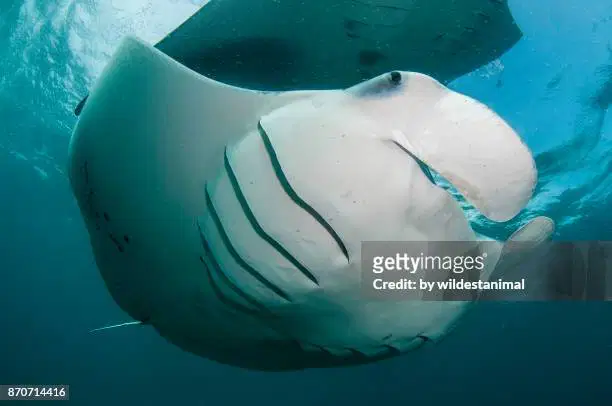
Through special organs called gills
They do not need to breathe

What are the possible colors of a stingray?
Red or blue
Green or yellow
Gray or brown
Pink or purple
How do stingrays hide from their predators?
By swimming fast
By changing color
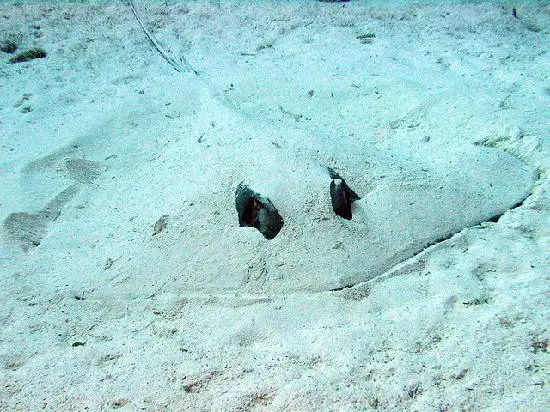
By burying themselves in sand
By making loud noises
Why does the color of a stingray help it hide?
It is very bright
It reflects sunlight
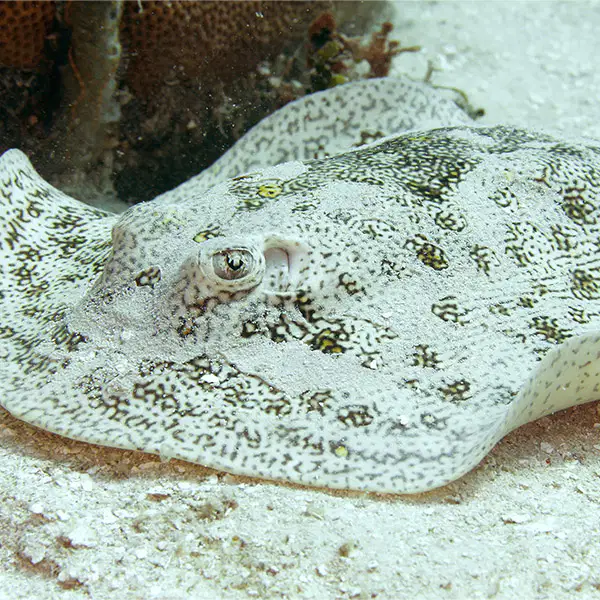
It blends into the sand
It changes with temperature
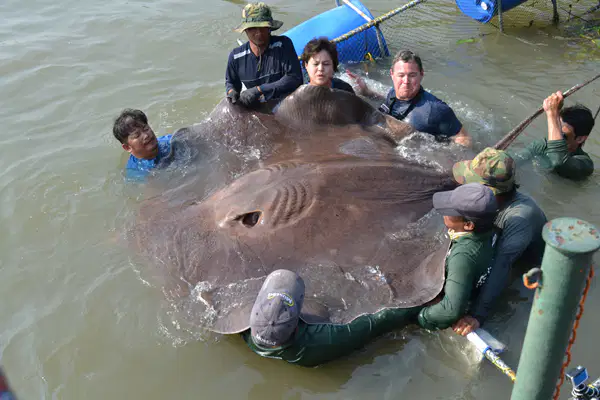
What type of animal are stingrays?
Mammals
Birds
Fish
Reptiles

What do stingrays have in their bodies instead of bones?
Muscles
Cartilage
Fat
Scales

How long is the biggest ray mentioned in the text?
22 centimeters
2 meters
7 meters
22 meters
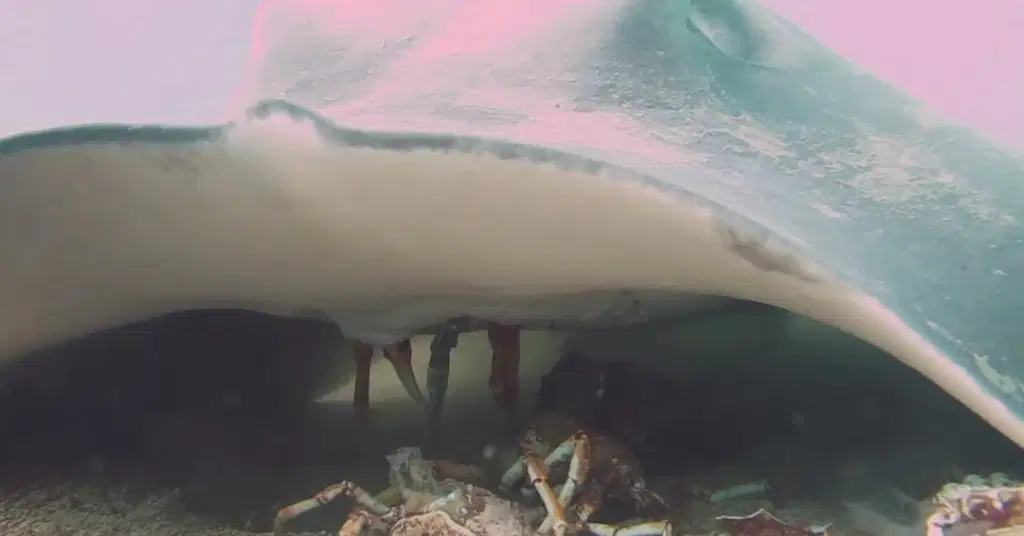
What type of diet do stingrays have?
Herbivorous
Omnivorous
Carnivorous
Insectivorous
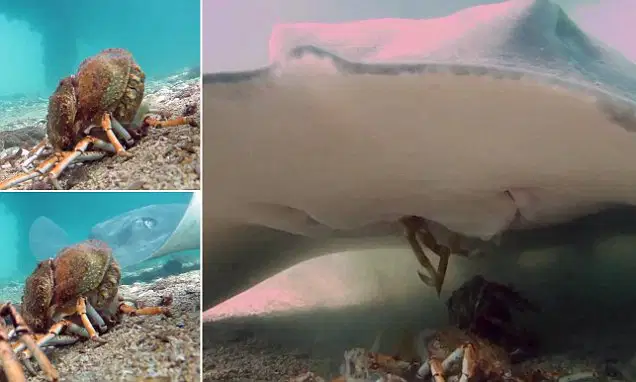
Which of the following is NOT mentioned as a part of a stingray's diet in the text?
Worms
Seaweed
Crabs
Mussels

What type of bottom surfaces do stingrays prefer?
Rocky and solid
Sandy or muddy
Coral reefs
Vegetation-covered
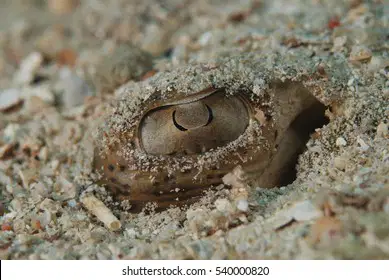
Why do stingrays hide under the sand?
To keep warm
To find food
To sneak up to their prey
To sleep
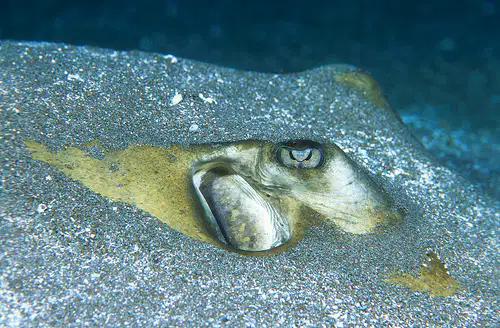
What is the function of the spiracle in stingrays?
It is used for stinging predators.
It assists in the stingray's sense of smell.
It helps the stingray to see above the water.
It is used for breathing when the stingray is buried in sand.
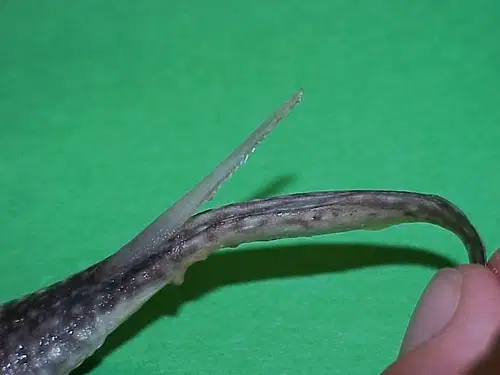
What do many rays have on their tails that can poison other animals when stung?
Scales
Fins
Spines
Whiskers
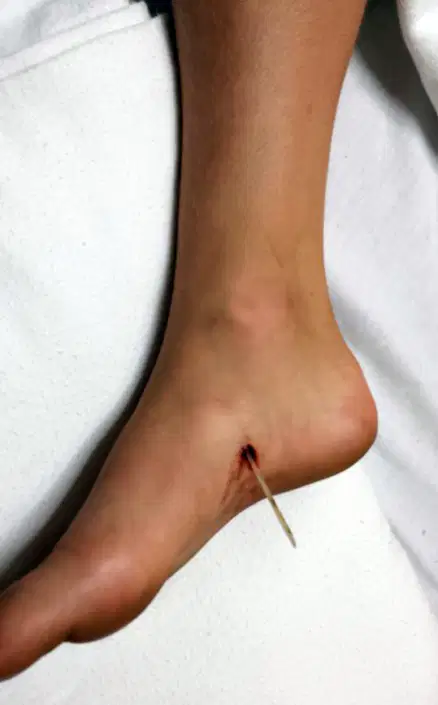
What can happen if a person steps on the tail of a ray?
They can get tickled
The ray's tail can break
The person can get stung by the tail
Nothing happens
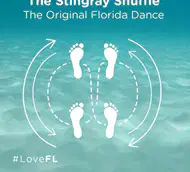
What is the recommended action to avoid a sting from a ray called?
The "Ray Dance"
The "Ocean Hop"
The "Sting Ray Shuffle"
The "Beach Twist"
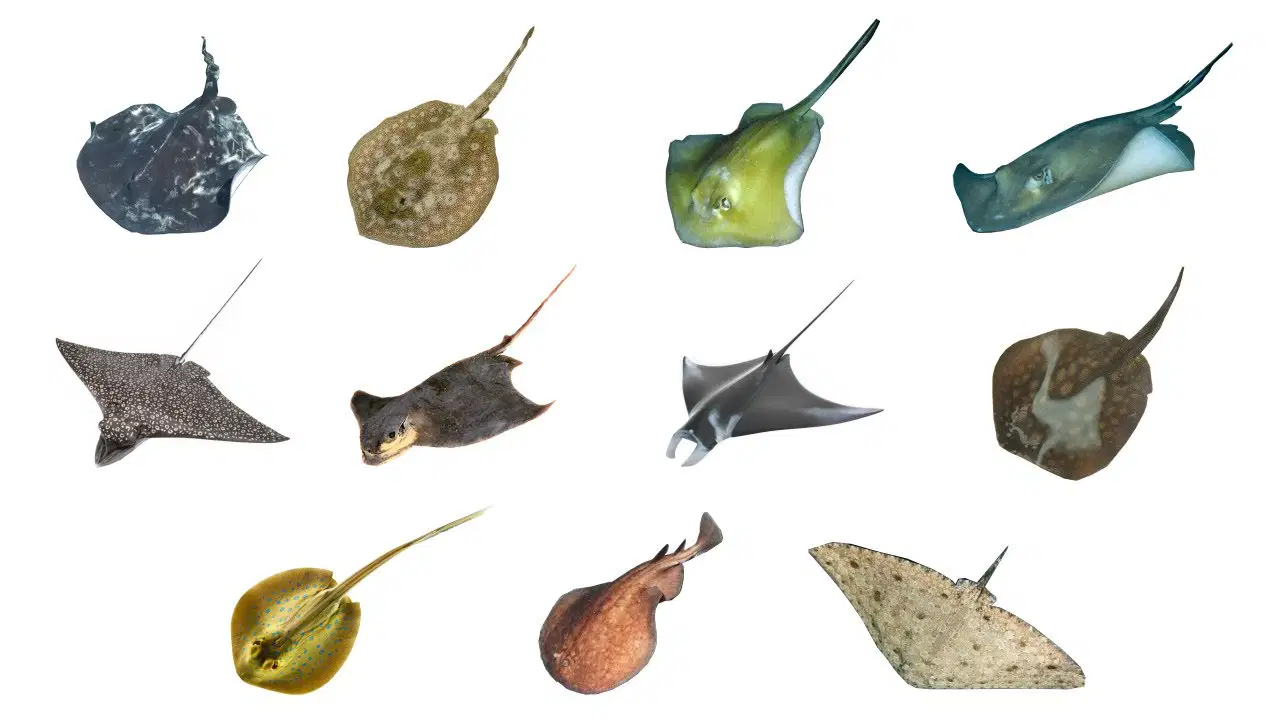
Stingrays are a group of rays that are related to which type of fish?
Salmon
Tuna
Sharks
Cod

What is the primary use of the barbed stingers on a stingray's tail?
Hunting
Self-defense
Swimming
Attracting mates
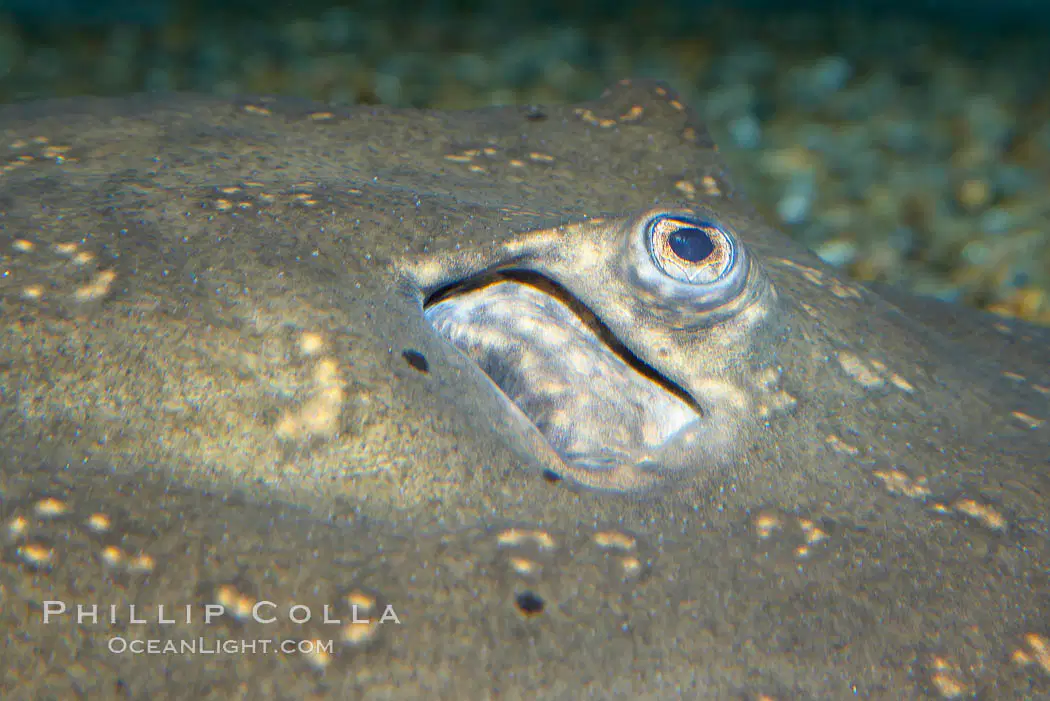
Where are the eyes of stingrays located?
On the underside of their bodies
On top of their bodies
At the end of their tails
On the sides of their heads
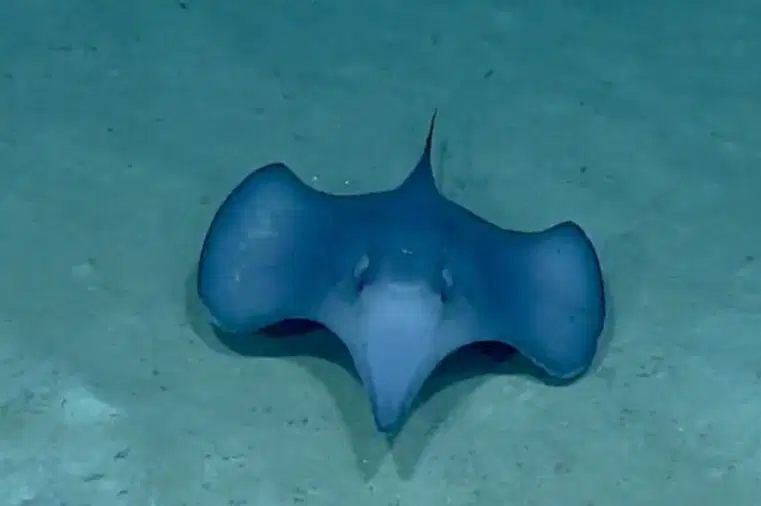
What is the distinctive feature of the Sixgill Stingray compared to other stingrays?
It has five gills.
It has a short, rounded snout.
It has six gills instead of the usual five.
Its eyes are placed close together.
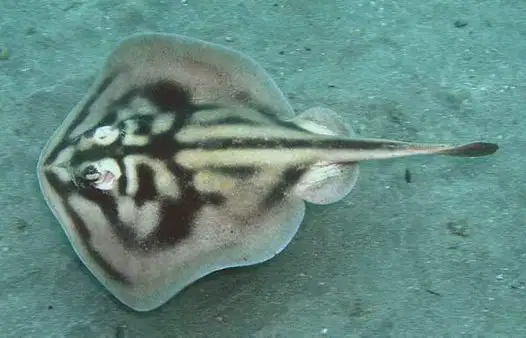
What distinctive feature do Stingarees have on their tail?
A colorful fin
A venomous stinging spine
A bioluminescent tip
A fluffy tuft
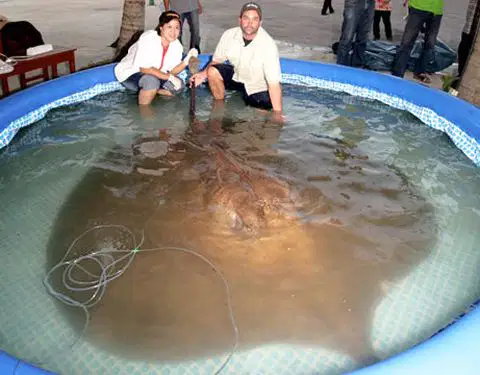
Which river stingray is known as the third largest freshwater fish in the world?
Amazon river stingray
Nile river stingray
Mekong "giant" river stingray
Mississippi river stingray

