
 Worksheets
Year 7 Music Knowledge Organiser Assessment Quiz - Summer 1
Total questions: 85
Worksheet time: 43mins
Name
Class
Date
1.
What is a theme?
a)
A repeating musical pattern
b)
How high or low the music sounds
c)
The main musical idea is presented
d)
The key signature
2.
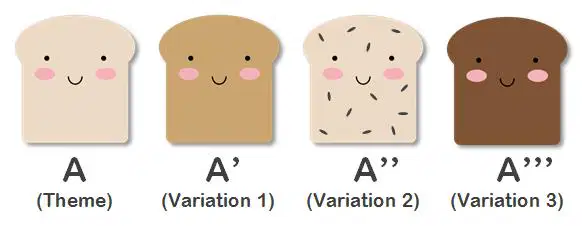
What often happens to the main theme in a theme and variation composition?
a)
New and unheard pieces of music are now played
b)
There are contrasting sections
c)
The original theme is transformed or changed using the elements of music
d)
The music stays exactly the same
3.
What is rhythm used to describe?
a)
How fast or slow the music is - the speed
b)
How long or short the note durations are
c)
How loud or soft the music is - the volume
d)
How high or low the notes sound
4.
What are dynamics used to describe?
a)
How fast or slow the music is - the speed
b)
How high or low the notes sound
c)
How loud or soft the music is - the volume
d)
How long or short the note durations are
5.
What is tempo used to describe?
a)
The volume of the music
b)
How high or low the music is
c)
The speed of the music
d)
The amount of instruments playing
6.

What is this symbol in English?
a)
Very loud
b)
Loud
c)
Moderately loud
d)
Gradually getting louder
7.

What is this symbol in Italian?
a)
Very loud
b)
Fortissimo
c)
Mezzo forte
d)
Gradually getting louder
8.

What is this symbol in English?
a)
Very loud
b)
Loud
c)
Moderately loud
d)
Gradually getting louder
9.

What is this symbol in Italian?
a)
Very loud
b)
Loud
c)
Mezzo forte
d)
Crescendo
10.

What is this symbol in English?
a)
Very loud
b)
Loud
c)
Moderately loud
d)
Gradually getting louder
11.

What is this symbol in Italian?
a)
Accelerando
b)
Gradually getting quieter
c)
Gradually getting louder
d)
Crescendo
12.

What is this symbol in English?
a)
Moderately soft
b)
Soft
c)
Very soft
d)
Gradually getting softer
13.

What is this symbol in English?
a)
Moderately soft
b)
Soft
c)
Very soft
d)
Gradually getting softer
14.
What does Allegro mean?
a)
Fast
b)
Moderate speed
c)
Slow
d)
Getting faster
e)
Getting slower
15.
What does Moderato mean?
a)
Fast
b)
Moderate speed
c)
Slow
d)
Getting faster
e)
Getting slower
16.
What does Largo mean?
a)
Fast
b)
Moderate speed
c)
Slow
d)
Getting faster
e)
Getting slower
17.
What does Accelerando mean?
a)
Fast
b)
Moderate speed
c)
Slow
d)
Getting faster
e)
Getting slower
18.
What does Rallentando mean?
a)
Fast
b)
Moderate speed
c)
Slow
d)
Getting faster
e)
Getting slower
19.
What is the main part of the song, it's catchy and repetitive
a)
Bridge
b)
Verse
c)
Chorus
d)
Intro
20.
The start of the song, the song's opening
a)
Bridge
b)
Verse
c)
Chorus
d)
Intro
21.
The part of the song which has the same tune/melody each time but uses different words of the song each time.
a)
Bridge
b)
Verse
c)
Chorus
d)
Intro
22.
What word is used to describe the words of a song?
a)
Bridge
b)
Verse
c)
Chorus
d)
Intro
e)
Lyrics
23.
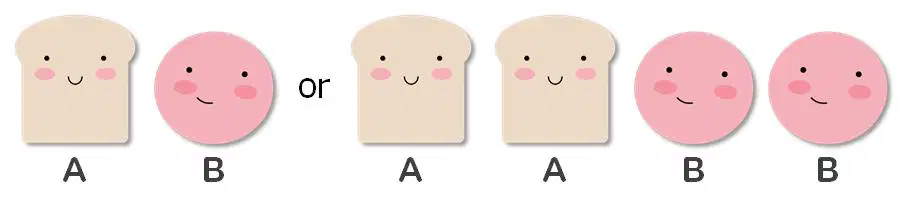
A musical form which uses AB
a)
Binary
b)
Ternary
c)
Rondo
d)
Question and answer
24.
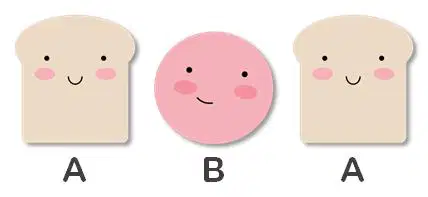
A musical form which turns around - ABA
a)
Binary
b)
Ternary
c)
Rondo
d)
Question and answer
25.
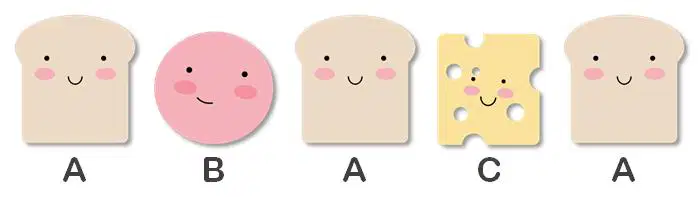
A musical form which has a repeating A section between the contrasting sections - ABACA...
a)
Binary
b)
Ternary
c)
Rondo
d)
Question and answer
26.
Phrases which form together like a musical sentence.
a)
Binary
b)
Ternary
c)
Rondo
d)
Question and answer
27.
A short musical idea
a)
Section
b)
Form
c)
Phrase/Motif
d)
Structure
28.
Select all the instruments that belong to the string family.
a)
Violin
b)
Double Bass
c)
Harp
d)
Viola
e)
Cello
29.
Select all the instruments that belong to the brass family.
a)
Trumpet
b)
Trombone
c)
Tuba
d)
French Horn
e)
Xylophone
30.
Select all the instruments that belong to the percussion family.
a)
Xylophone
b)
Tubular Bells
c)
Triangle
d)
Cymbals
e)
Castanets
31.
Select all the instruments that belong to the woodwind family.
a)
Flute
b)
Bassoon
c)
Piccolo
d)
Clarinet
e)
Saxophone
32.
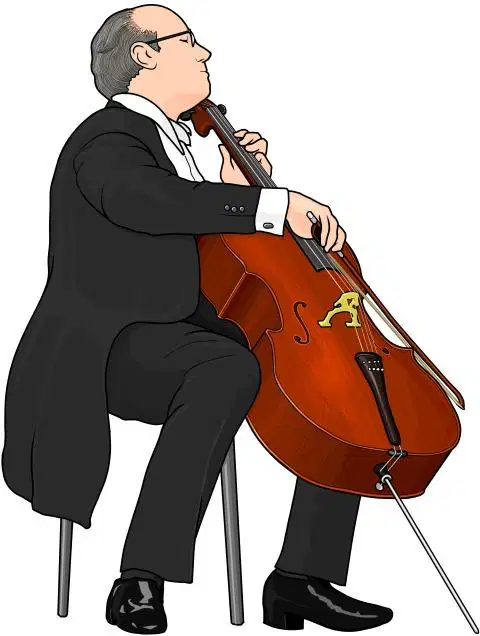
Which instrument is this?
a)
Harp
b)
Double Bass
c)
Violin
d)
Cello
33.
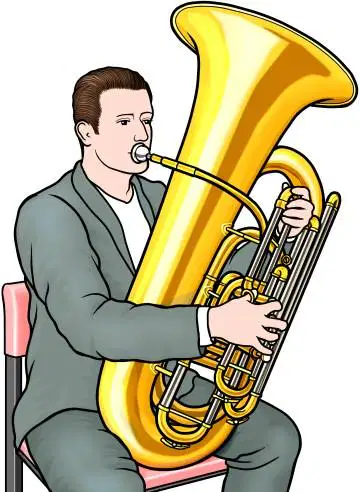
Which instrument is this?
a)
Tuba
b)
Trombone
c)
Trumpet
d)
Piano
34.
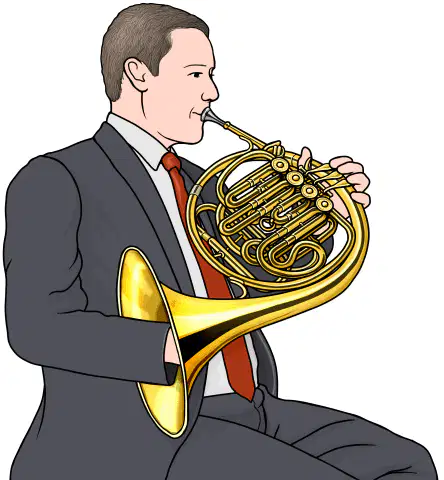
Which instrument is this?
a)
Tuba
b)
Trombone
c)
French Horn
d)
Piano
35.
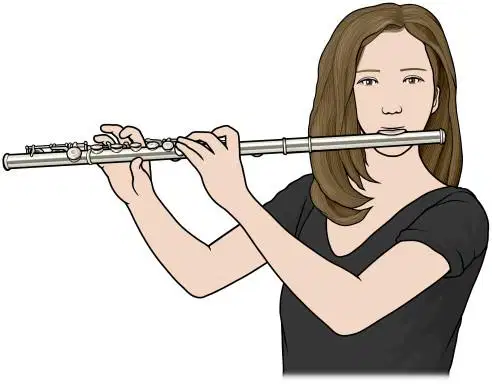
Which instrument is this?
a)
Piano
b)
Piccolo
c)
Flute
d)
French Horn
36.
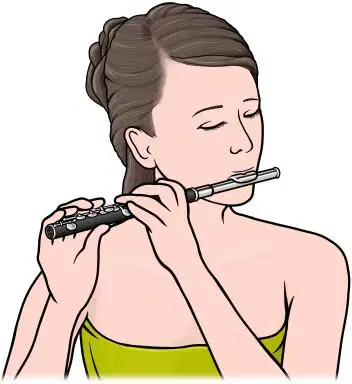
Which instrument is this?
a)
Piano
b)
Piccolo
c)
Flute
d)
French Horn
37.
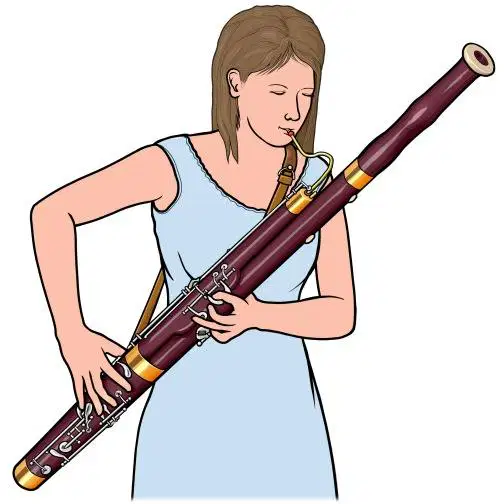
Which instrument is this?
a)
Piano
b)
Piccolo
c)
Flute
d)
Bassoon
38.
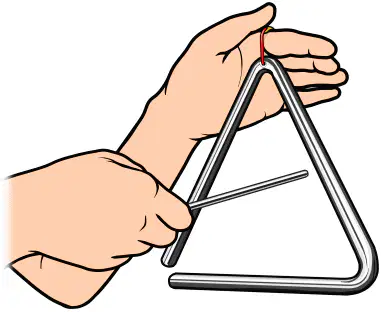
Pitched or unpitched percussion instrument?
a)
Pitched
b)
Unpitched
39.
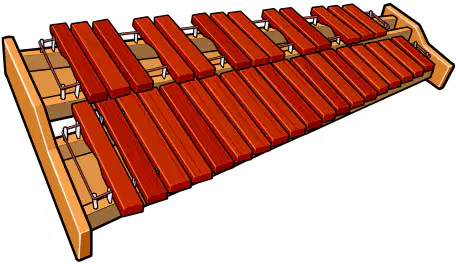
Pitched or unpitched percussion instrument?
a)
Pitched
b)
Unpitched
40.
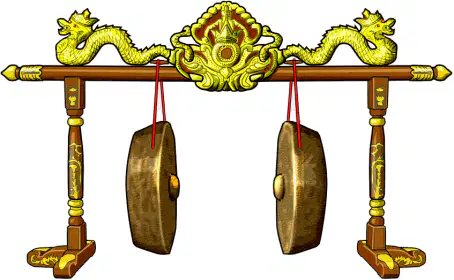
Pitched or unpitched percussion instrument?
a)
Pitched
b)
Unpitched
41.
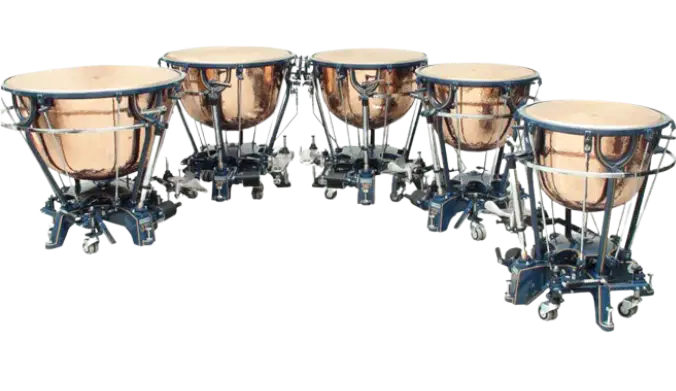
Pitched or unpitched percussion instrument?
a)
Pitched
b)
Unpitched
42.

Which instrument is this?
a)
Triangle
b)
Castanets
c)
Xylophone
d)
Glockenspiel
43.
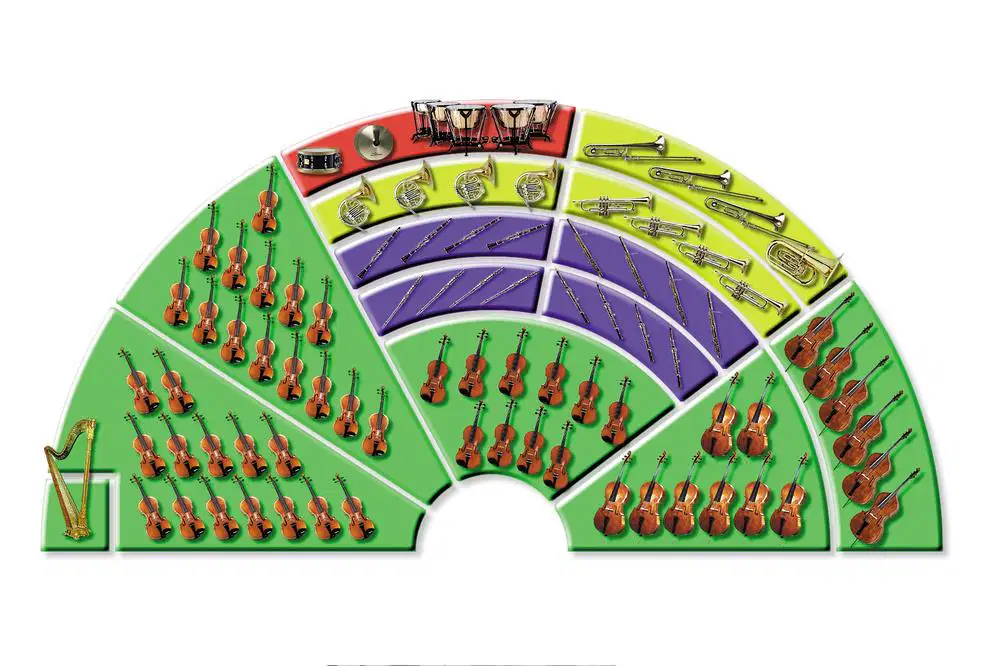
Which instrument family traditionally sit in the front of the orchestra closest to the conductor?
a)
String
b)
Woodwind
c)
Brass
d)
Percussion
44.

Which instrument family traditionally sit directly behind the string section?
a)
String
b)
Woodwind
c)
Brass
d)
Percussion
45.
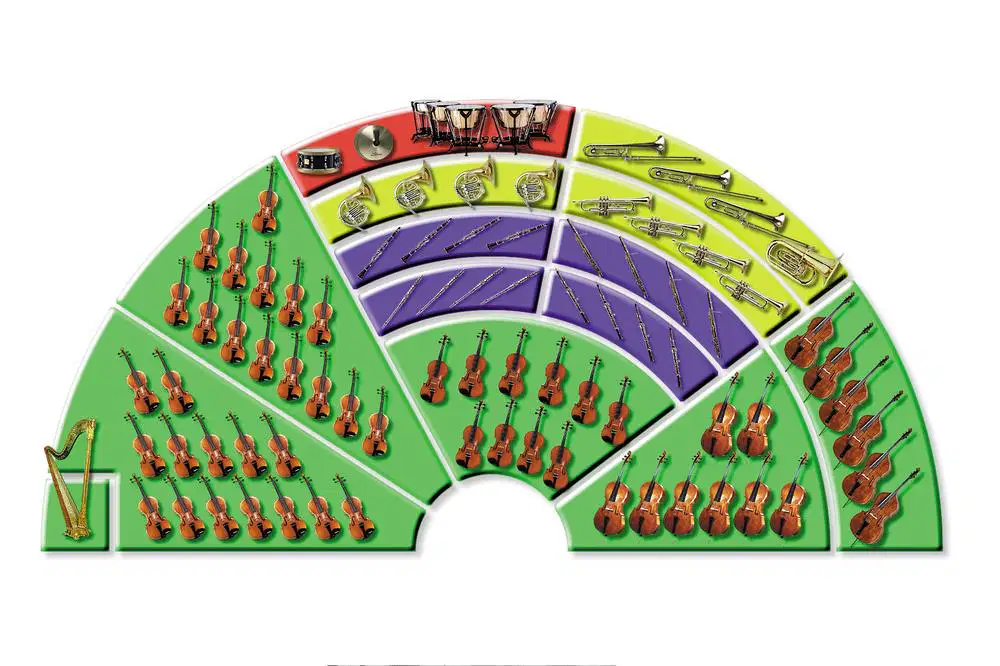
Which instrument family traditionally sit directly behind the woodwind section and in front of the percussion section?
a)
String
b)
Woodwind
c)
Brass
d)
Percussion
46.
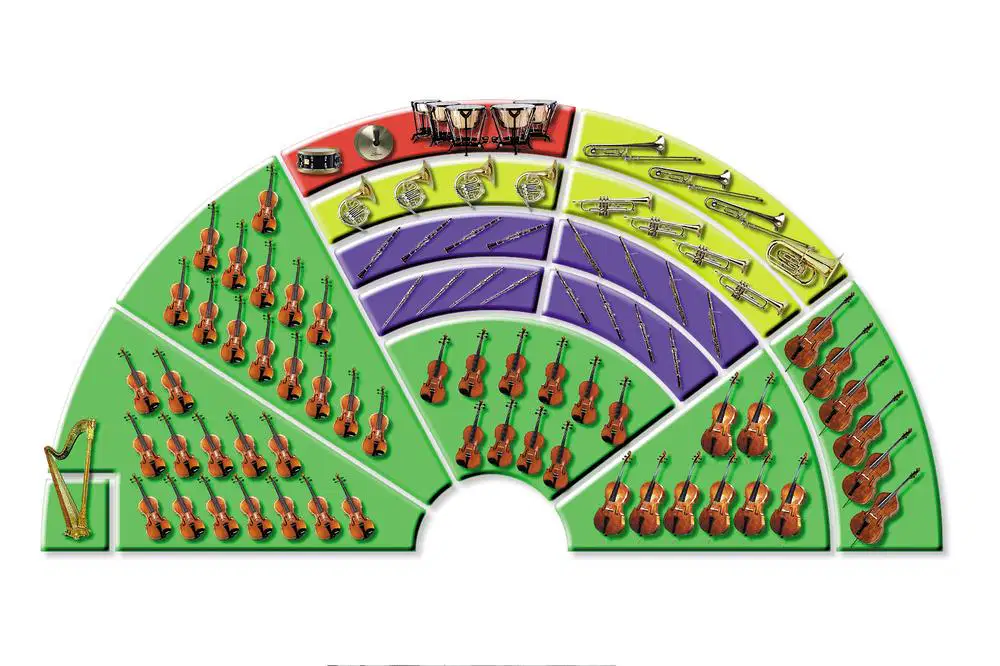
Which instrument family traditionally sits at the back of the orchestra?
a)
String
b)
Woodwind
c)
Brass
d)
Percussion
47.
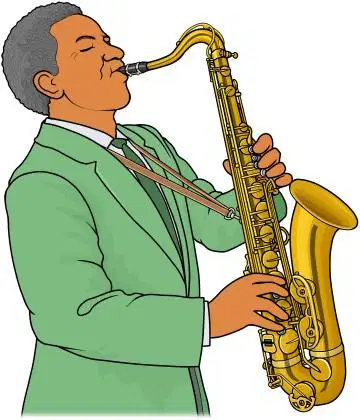
Why is the saxophone NOT considered a brass instrument?
a)
Because saxophones are primarily made of wood, hence categorized as woodwind instruments.
b)
Due to the brass body, saxophones produce a distinctive sound, differentiating them from woodwinds.
c)
Because saxophones use a vibrating reed to produce sound, aligning them with woodwind instruments despite the brass construction.
d)
The saxophone's brass body and valve mechanism classify it as a brass instrument, not a woodwind.
48.
Select the semibreve note
a)
Option 1
b)
Option 2
c)
Option 3
d)
Option 4
49.
Select the crotchet note
a)
Option 1
b)
Option 2
c)
Option 3
d)
Option 4
50.
Select the quaver note
a)
Option 1
b)
Option 2
c)
Option 3
d)
Option 4
51.
Select the minim note
a)
Option 1
b)
Option 2
c)
Option 3
d)
Option 4
52.

Which type of rest is this?
a)
Semibreve
b)
Minim
c)
Crotchet
d)
Quaver
53.

Which type of rest is this?
a)
Semibreve
b)
Minim
c)
Crotchet
d)
Quaver
54.

Which type of rest is this?
a)
Semibreve
b)
Minim
c)
Crotchet
d)
Quaver
55.

Which type of rest is this?
a)
Semibreve
b)
Minim
c)
Crotchet
d)
Quaver
56.

How many beats does a semibreve last for?
a)
4
b)
2
c)
1
d)
Half (1/2)
57.

How many beats does a minim last for?
a)
4
b)
2
c)
1
d)
Half (1/2)
58.

How many beats does a quaver last for?
a)
4
b)
2
c)
1
d)
Half (1/2)
59.

How many beats does a crotchet last for?
a)
4
b)
2
c)
1
d)
Half (1/2)
60.
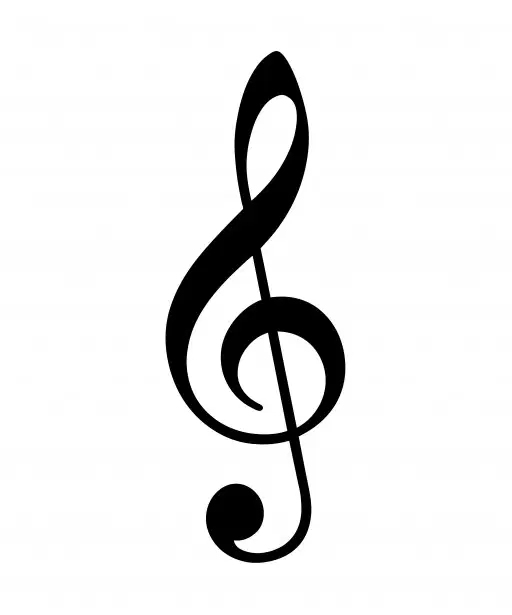
Which symbol is this?
a)
Treble Clef
b)
Bass Clef
61.

Which symbol is this?
a)
Treble Clef
b)
Bass Clef
62.
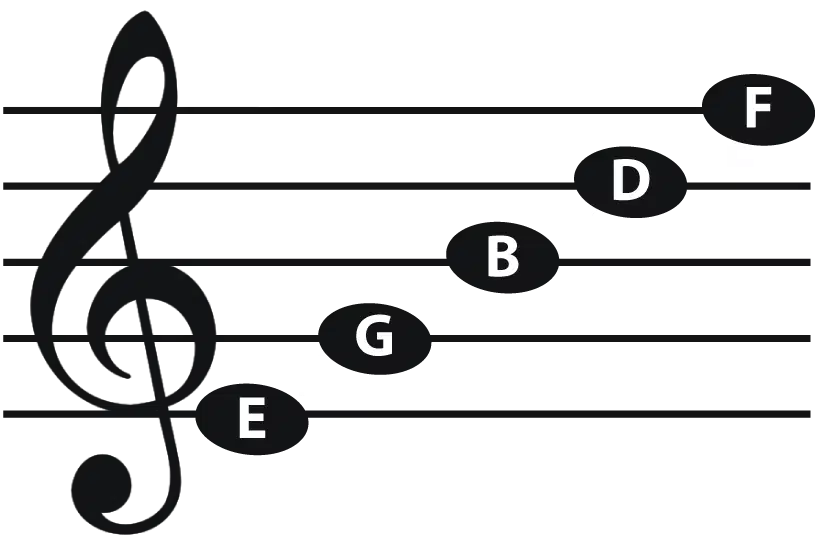
What acronym is used to remember the note names of the treble clef lines?
a)
Every Good Boy Deserves Football
b)
All Cows Eat Grass
c)
Green Buses Drive Fast Always
d)
F A C E
63.
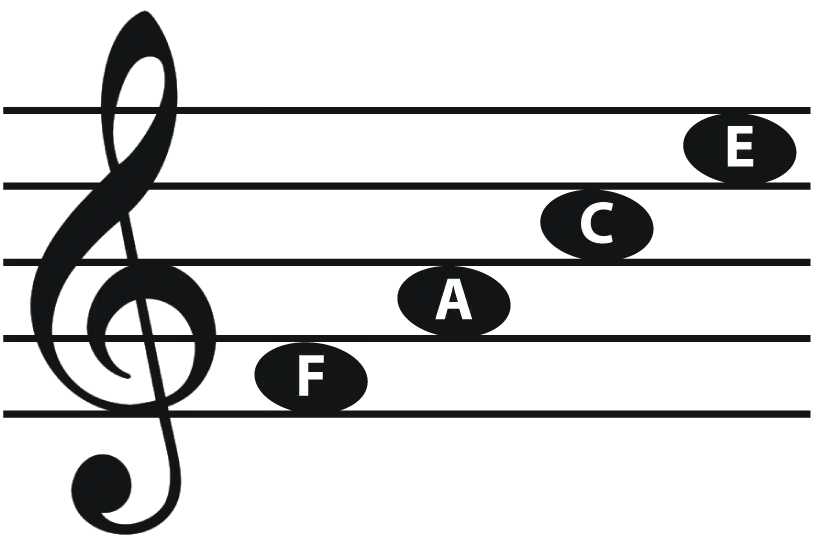
What acronym is used to remember the note names of the treble clef spaces?
a)
Every Good Boy Deserves Football
b)
All Cows Eat Grass
c)
Green Buses Drive Fast Always
d)
F A C E
64.
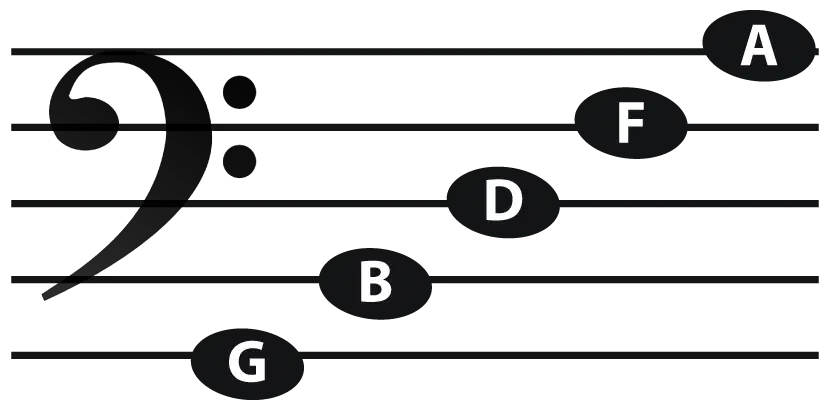
What acronym is used to remember the note names of the bass clef lines?
a)
Every Good Boy Deserves Football
b)
All Cows Eat Grass
c)
Green Buses Drive Fast Always
d)
F A C E
65.
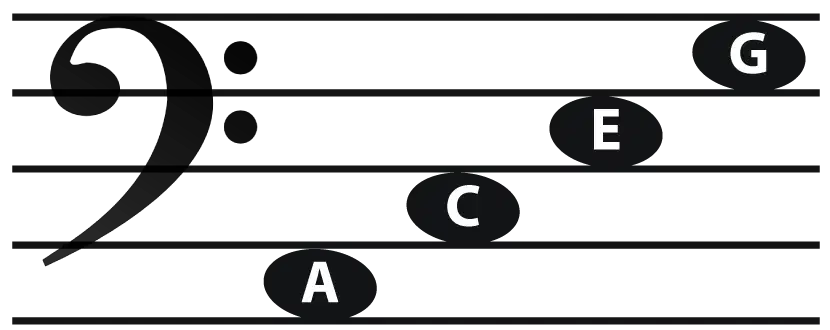
What acronym is used to remember the note names of the bass clef spaces?
a)
Every Good Boy Deserves Football
b)
All Cows Eat Grass
c)
Green Buses Drive Fast Always
d)
F A C E
66.
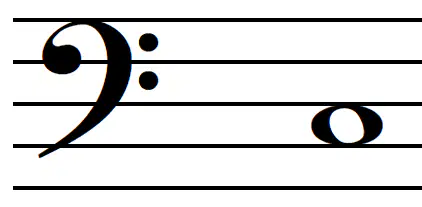
What is the letter name of this note?
a)
C
b)
D
c)
E
d)
F
e)
G
67.

What is the letter name of this note?
a)
E
b)
C
c)
D
d)
F
e)
G
68.
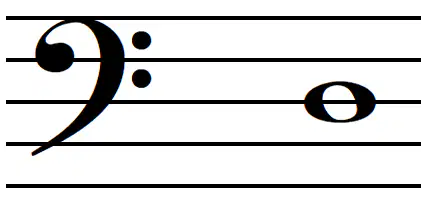
What is the letter name of this note?
a)
D
b)
C
c)
E
d)
F
e)
G
69.
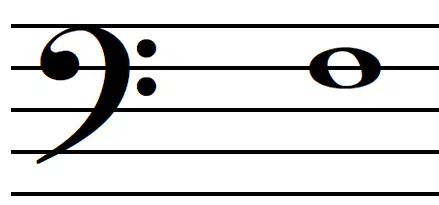
What is the letter name of this note?
a)
F
b)
C
c)
D
d)
E
e)
G
70.
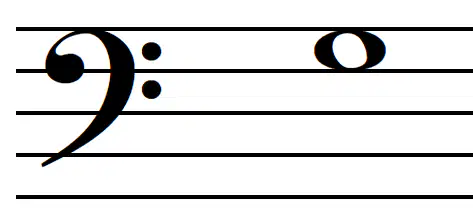
What is the letter name of this note?
a)
G
b)
C
c)
D
d)
E
e)
F
71.
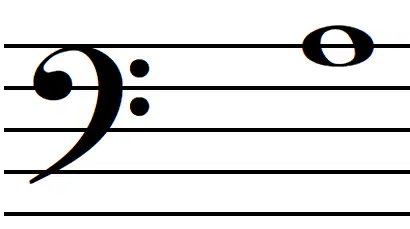
What is the letter name of this note?
a)
A
b)
C
c)
D
d)
E
e)
F
72.
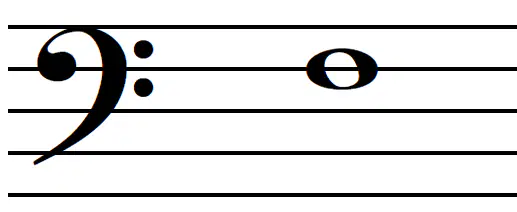
Is this note on a line or in a space?
a)
On a line
b)
In a space
73.
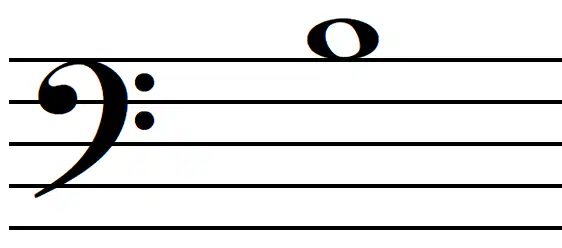
What is the letter name of this note?
a)
B
b)
C
c)
D
d)
E
e)
F
74.
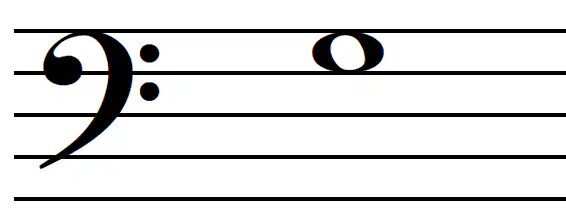
Is this note on a line or in a space?
a)
On a line
b)
In a space
75.
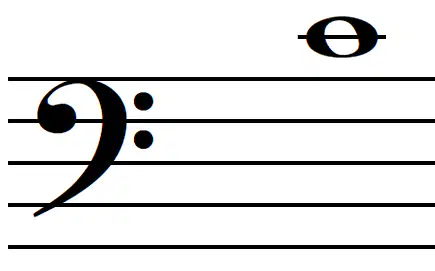
What is the letter name of this note?
a)
C
b)
D
c)
E
d)
F
e)
G
76.

What is this symbol used for?
a)
To read pitches on the stave that are usually higher than middle C
b)
To read pitches on the stave that are usually lower than middle C
77.
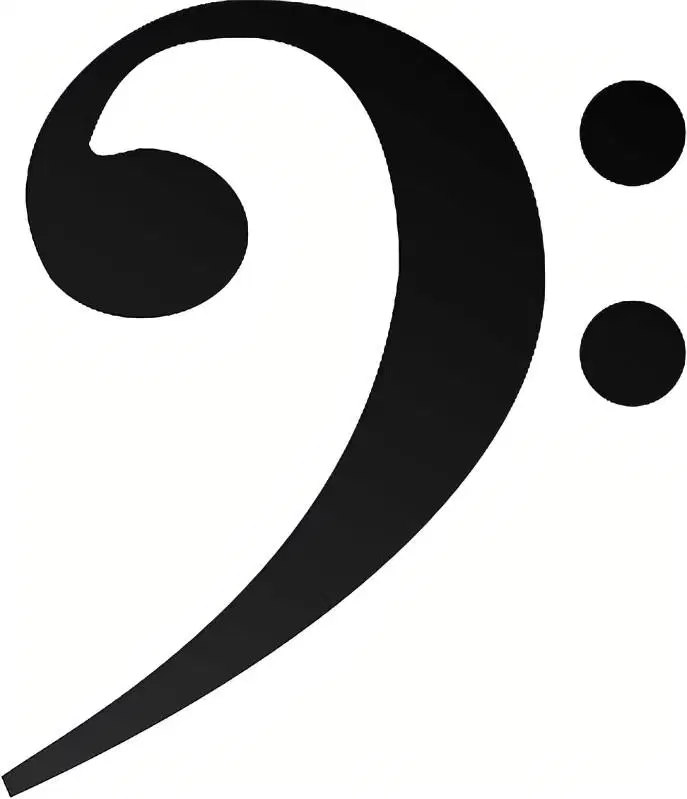
What is this symbol used for?
a)
To read pitches on the stave that are usually higher than middle C
b)
To read pitches on the stave that are usually lower than middle C
78.
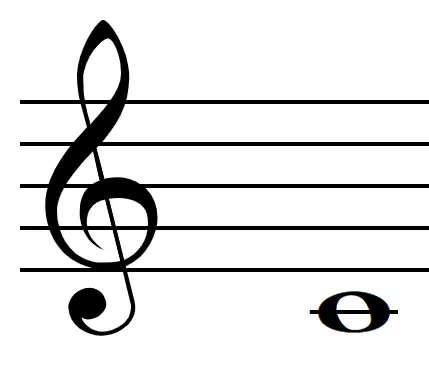
What is the letter name of this note?
a)
C
b)
D
c)
E
d)
F
e)
G
79.
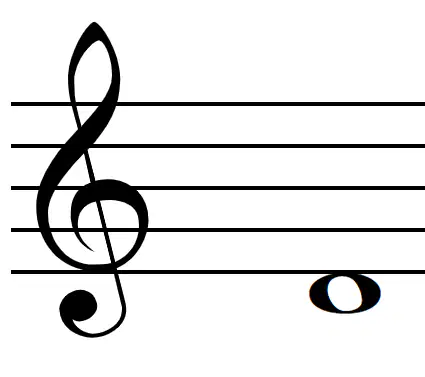
What is the letter name of this note?
a)
D
b)
C
c)
E
d)
F
e)
G
80.
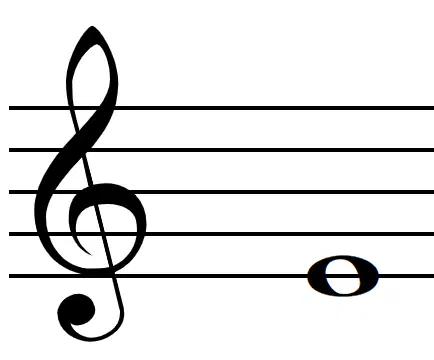
What is the letter name of this note?
a)
E
b)
C
c)
D
d)
F
e)
G
81.

What is the letter name of this note?
a)
F
b)
C
c)
D
d)
E
e)
G
82.
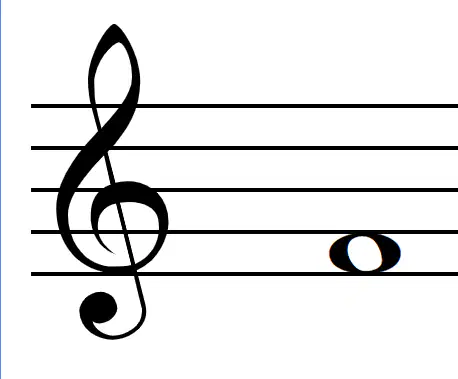
Is this note on a line or in a space?
a)
On a line
b)
In a space
83.
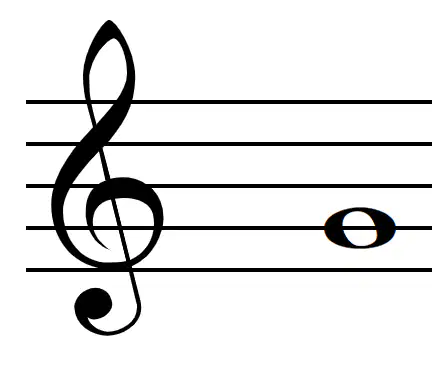
What is the letter name of this note?
a)
G
b)
C
c)
D
d)
E
e)
F
84.
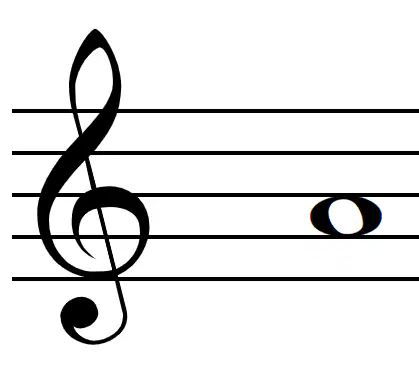
What is the letter name of this note?
a)
A
b)
C
c)
D
d)
E
e)
F
85.
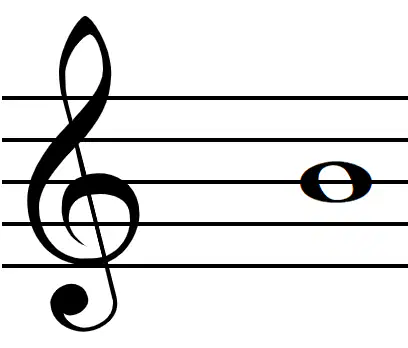
What is the letter name of this note?
a)
B
b)
C
c)
D
d)
E
e)
F
100 %

