
 Worksheets
Science CBT
Total questions: 10
Worksheet time: 7mins

What term best describes the type of environment shown in the diagram?
aquatic
grassland
rainforest
wetland
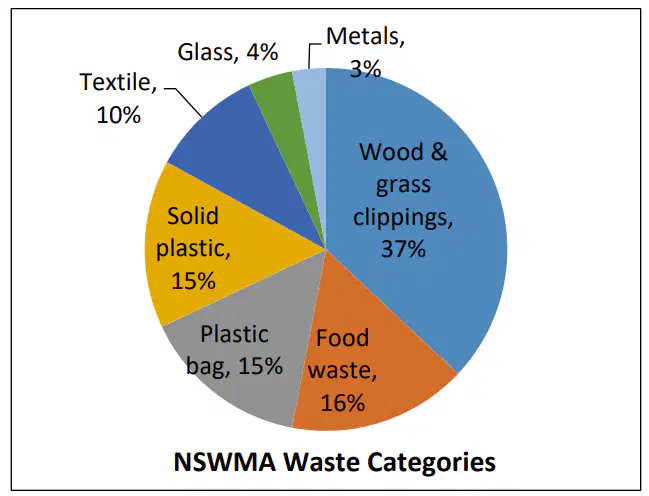
NSWMA has suggested that portions of the waste that can decompose should be composted.
What percentage of the waste should be composted?
16%
37%
53%
47%
Which type of hot water system contributes least to global warming?
electrical
coal
solar
wood

Which TWO activities would likely be responsible for the changes seen in the coral reefs after 20 years?
coastal development / construction
improper dumping of garbage
over-fishing
slash and burn
Which statement best describes how shadows form?
Shadows form when __________________
The light is turned off.
The light path is blocked by an object.
Light shines through an object?
Light reflects off an object.
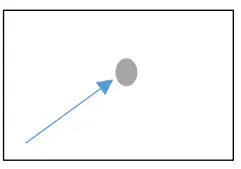
The arrow shows the light ray from a flashlight shined onto a mirror.
In which direction will the light ray most likely go after it hits the mirror?


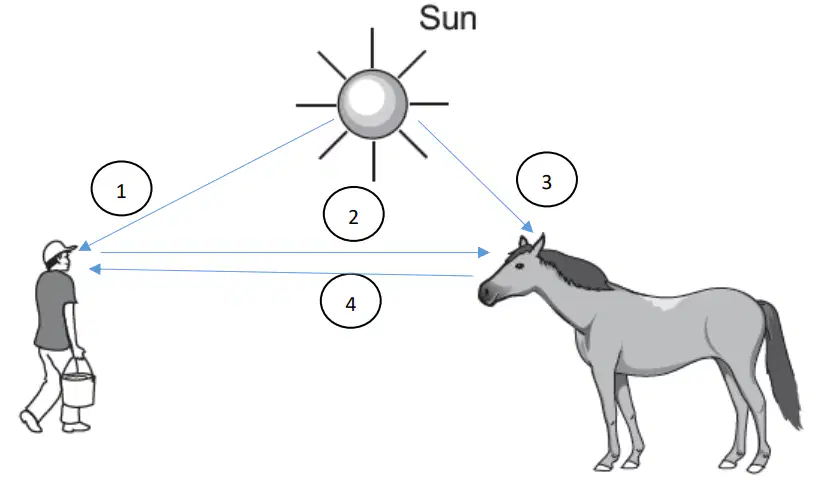
Which TWO light rays best explains how the boy is able to see the horse?
Ray 1
Ray 2
Ray 3
Ray 4
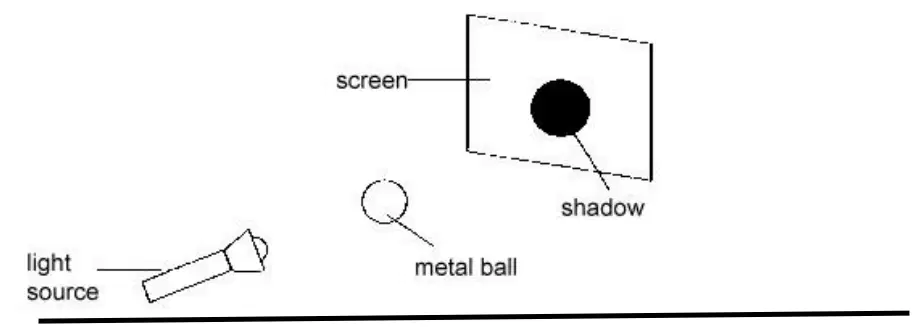
A student is investigating the formation of shadows using the apparatus set up. The student makes the following statement:
‘As the light moved closer the shadow got bigger’.
This type of statement is most likely ____________
a conclusion
a method
an observation
a prediction

Which statement is true?
The piano key C1 has the shortest string
The piano key C2 has the longest string
The shorter the string, the higher the pitch of the sound
The longer the string, the higher the pitch of the sound
Droplets of water formed on a window near a pot of hot water.
What best explains why droplets formed on the window? The window is.....
transparent
smooth
hard
cold

