wayground logo

Free Printable Worksheets

NEW

Font size

S
M
L
XL
Worksheets

Ag Introduction: FFA, Leadership, and Communication

Total questions: 29

Worksheet time: 15mins
Name
Class
Date
1.
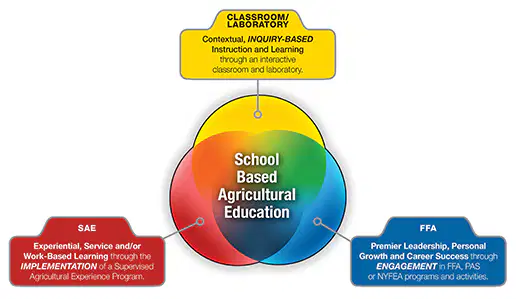
__________________________ is a national student and youth organization for those interested in agriculture and leadership. It is one of three components of agricultural education.
a)
FFA: Future Farmers of America
b)
USDA: United States Department of Agriculture
c)
GMO: Genetically Modified Organisms
d)
PPE: Personal Protective Equipment
2.
The main component of FFA where students are taught in the Ag classroom and participate in contextual learning about agriculture.
a)
Classroom/Laboratory Instruction
b)
Supervised Agriculture Experience (SAE)
c)
FFA Chapter and Meetings
d)
State and National Conventions and Competitions
3.
Work-based learning that allows FFA students to apply skills learned in the classroom to real world experience by giving them hands-on experience.
a)
Classroom/Laboratory Experience
b)
Supervised Agriculture Experience (SAE)
c)
FFA Chapter and Meetings
d)
State and National Conventions and Competitions
4.
Information exchange between individuals through a combination of symbols/signs/behavior.
a)
Communication
b)
Leadership
c)
Chairperson
d)
Diaagnose, Prepare, Deliver (DPD)
5.
The 3 phases of effective communication are:
a)
Communication
b)
Leadership
c)
Chairperson
d)
Diagnose, Prepare, Deliver (DPD)
6.
Effective written communication does NOT include which of the following?
a)
slang
b)
concise and complete sentences
c)
editing and revision
d)
factual information
7.

What statement is false in regards to effective written communication?

a)

It takes less time.

b)

It is clear, concise, and does not repeat itself.

c)

It is verifiable from the records (factual).

d)

It is formal in nature and should be proofread multiple times..

8.
The 3 phases of effective communication do NOT include:
a)
Interpret the response
b)
Diagnose the communication (determine the purpose)
c)
Prepare the communication
d)
Deliver the message
9.
The capacity or ability to solve problems and to set a direction.
a)
Communication
b)
Leadership
c)
Chairperson
d)
Diagnose, Prepare, Deliver (DPD)
10.

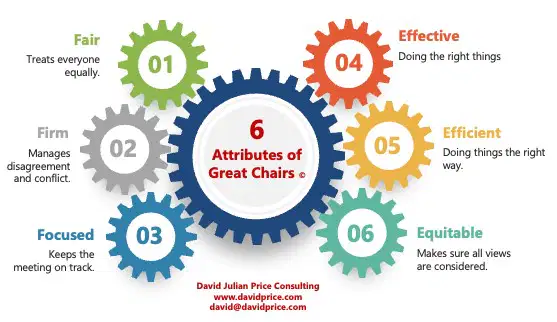
This person must possess good leadership skills which include:

1. Ability To Chair Meetings (Knowledge of PP)

2. Understanding The Business

3. Ability To Influence Others Without Dominating

4. Strong Personality

5. Good Communication Skills
a)
Communication
b)
Leadership
c)
Chairperson
d)
Diagnose, Prepare, Deliver (DPD)
11.
On what basis should an organization select a chairperson?
a)
Their ability to preside over meetings, fairly and impartially.
b)
Their ability to influence members to cast votes in their favor.
c)
Their ability to pose leading questions that spark debate with members.
d)
Their ability to select committee members that always agree with the officers.
12.
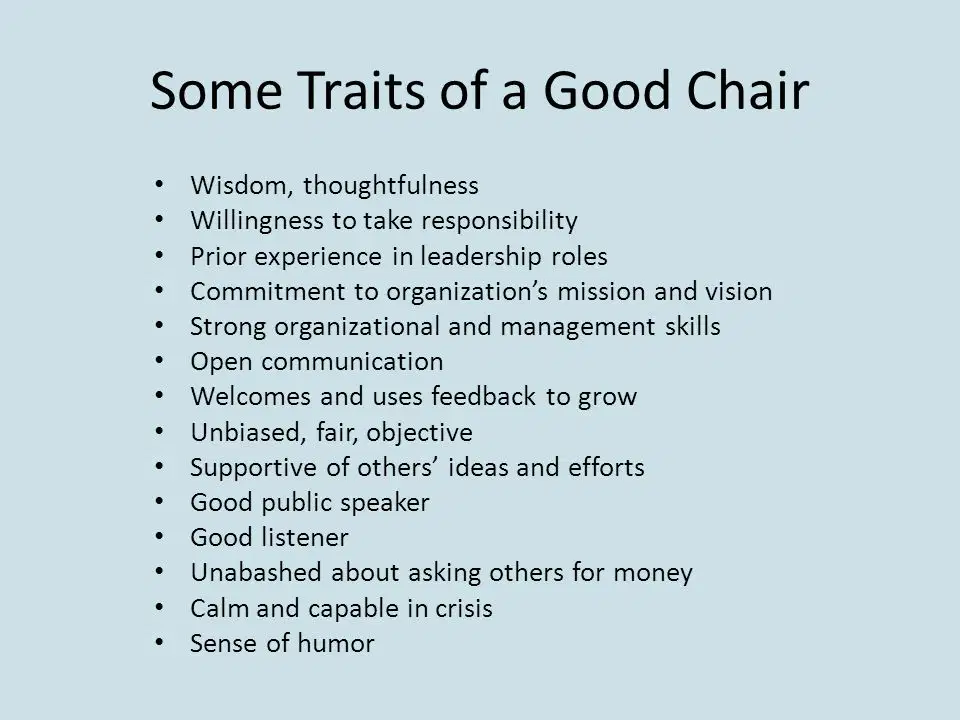
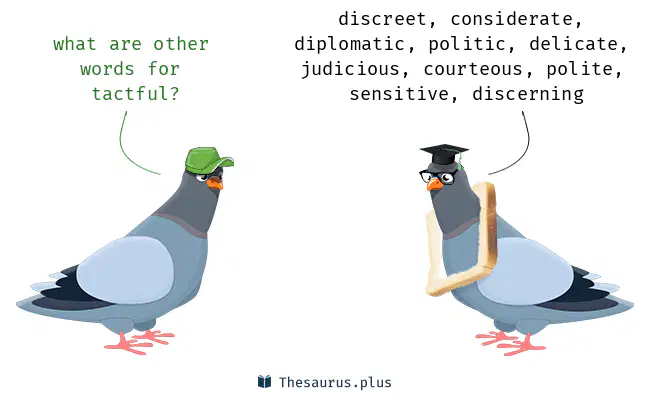
Which of the following is an important quality for a chairperson at a meeting?
a)
being tactful
b)
aggressiveness
c)
impertinence
d)
being sympathetic
13.
A system of guidelines or rules for conducting official meetings, including government and  FFA meetings.
a)
parliamentary procedures
b)
minutes
c)
gavel
d)
"I move to..."
14.
A wooden mallet used by the presiding officer to direct a meeting.
a)
parliamentary procedures
b)
minutes
c)
gavel
d)
"I move to..."
15.
The official written record (notes) of a business meeting.
a)
parliamentary procedures
b)
minutes
c)
gavel
d)
"I move to..."
16.

What must be said to make a member's idea an actual motion that can be discussed/voted on?

a)

"Listen up."

b)

"Hey!"

c)

adjourn

d)
"I move to..."
17.
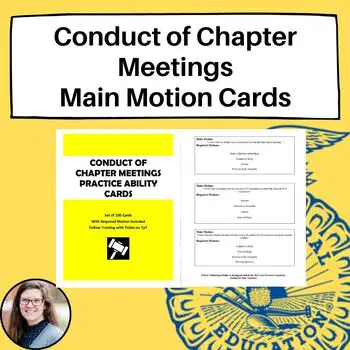
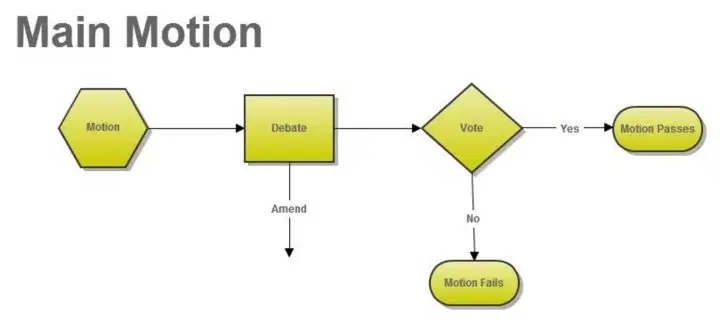
What basic motion presents an initial proposal and gets an idea in front of an assembly for consideration/vote for the first time?
a)
main motion
b)
amendment
c)
refer to committee
d)
division of the house
e)
adjourn
18.
A motion used to add to, subtract from, or strike out words in a main motion.
a)
main motion
b)
amendment
c)
refer to committee
d)
division of the house
e)
adjourn
19.
A motion used to add to, subtract from, or strike out words in a main motion.
a)
main motion
b)
amendment
c)
refer to committee
d)
division of the house
e)
adjourn
20.
A motion used to pause a motion to find more information before taking action on it.
a)
main motion
b)
refer to committee
c)
division of the house
d)
adjourn
21.
Why would a chairperson refer a motion to committee?
a)
to allow the committee to gather more information and report back before taking any action
b)
to try to exert personal influence
c)
because everyone is tired of arguing
d)
to go to the bathroom
22.
Why would a chairperson refer a motion to committee?
a)
to allow the committee to gather more information and report back before taking any action
b)
to try to exert personal influence
c)
because everyone is tired of arguing
d)
to go to the bathroom
23.
When a member disagrees with a voice vote (" All in favor say AYE, all against say NAY"), and calls for a counted vote.
a)
main motion
b)
amendment
c)
refer to committee
d)
division of the house
e)
adjourn
24.
A motion used to close or end a meeting.
a)
main motion
b)
amendment
c)
refer to committee
d)
division of the house
e)
adjourn
25.

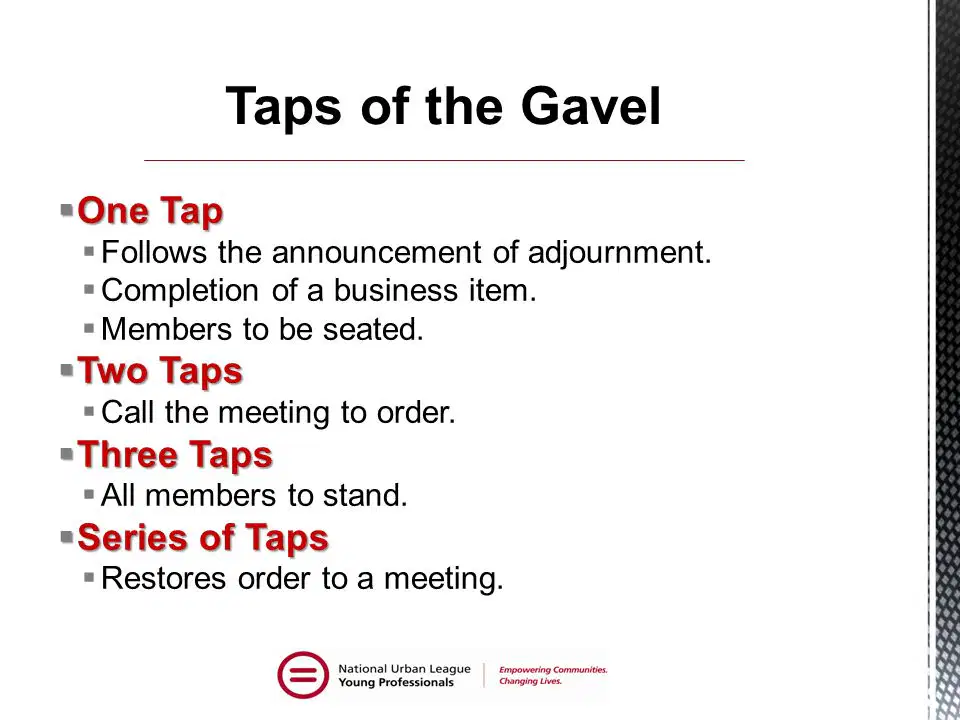
In order to announce the conclusion of a vote, or to get people to be seated, or to adjourn the meeting, a chairperson would give…

a)

ONE gavel tap

b)

TWO gavel taps

c)

THREE gavel taps

d)

MULTIPLE gavel taps

26.

To announce the beginning of a meeting/to call a meeting to order, the gavel would be tapped how many times

a)

one tap of the gavel

b)

multiple taps of the gavel

c)

three taps of the gavel

d)

two taps of the gavel

27.

In order to get members to all stand in unison, a chairperson would give…

a)

ONE gavel tap

b)

TWO gavel taps

c)

THREE gavel taps

d)

MULTIPLE gavel taps

28.

In order to bring a rowdy meeting back to order, a chairperson would give…

a)

ONE gavel tap

b)

TWO gavel taps

c)

THREE gavel taps

d)

MULTIPLE gavel taps

29.

ONE gavel tap is used for all of the following except

a)

to adjourn the meeting

b)

to announce the conclusion of a vote

c)

to get people to stand

d)

to get people to be seated