
 Worksheets
Symbiosis and Competition
Total questions: 15
Worksheet time: 36mins
Name
Class
Date
1.

A lion stalks a herd of antelope wading in a pond. A flock of water birds on the shore become startled by the sound of the lion’s approach and fly away with a great deal of noise. The birds’ sudden departure gives warning to the antelope, and they are also able to escape safely. What type of relationship exists between the birds and the antelope?
a)
competition
b)
mutualism
c)
commensalism
d)
parasitism
2.

A lichen is a combination of two organisms, an alga and a fungus. The fungus gets its food from the alga while the alga gets water from the fungus. This is an example of which relationship?
a)
competition
b)
mutualism
c)
commensalism
d)
parasitism
3.
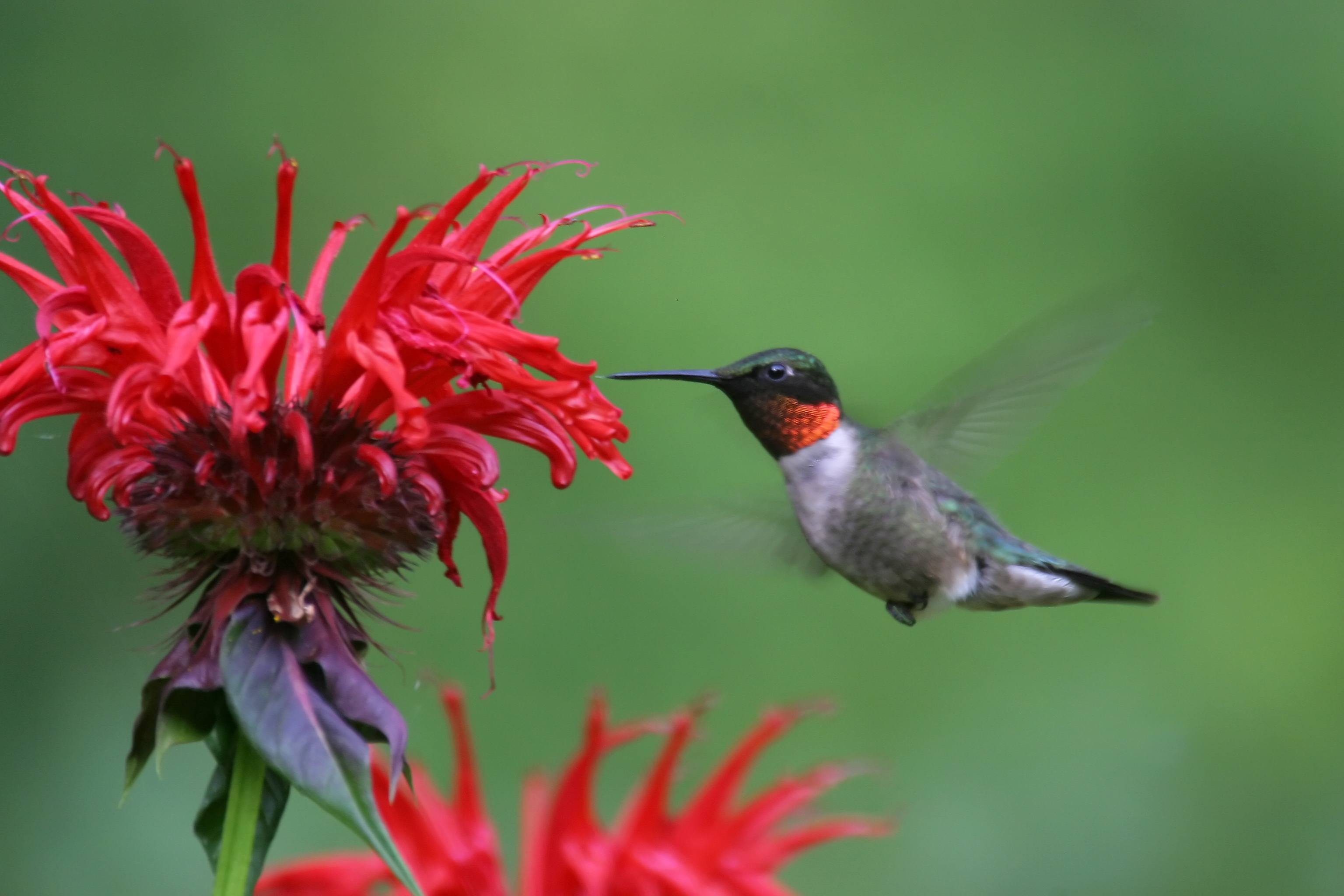
What type of symbiosis? Hummingbirds feed on nectar from flowers. The flowers are pollinated by hummingbirds as they move from flower to flower.
a)
commensalism
b)
mutualism
c)
parasitism
d)
predation
4.
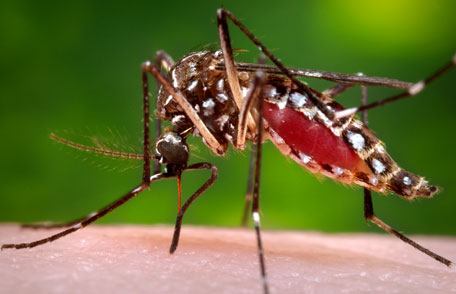
When a mosquito bites you, you are the __________ and the mosquito is the ____________.
a)
host, hostess
b)
parasite, host
c)
host, parasite
d)
prey, predator
5.

Yucca flowers are pollinated by yucca moths. The moths lay their eggs in the flowers where the larvae hatch and eat some of the developing seeds. Both species benefit.
a)
parasitism
b)
commensalism
c)
mutualism
6.

Mistletoe extracts water and nutrients from a spruce tree. The spruce tree is harmed.
a)
parasitism
b)
commensalism
c)
mutualism
7.

The stork uses it saw-like bill to cut up the dead animals it eats. As a result, the dead animal carcass is accessible to some bees for food and egg laying. The relationship neither harms nor benefits the stork.
a)
parasitism
b)
commensalism
c)
mutualism
8.
Two male Giraffes are fighting over the last green leaf of a tree that is dying.
a)
Competition
b)
Mutualsim
c)
Predation
d)
Commensalism
9.

a relationship that occurs when two or more organims of the same species need the same resource at the same time
a)
competition
b)
symbiosis
c)
predation
10.
In a parasitic relationship, one organism is ___________ and one organism is benefiting.
a)
helped
b)
harmed
c)
not effected
d)
happy
11.
In a mutual relationship, both organisms are ________________.
a)
hurt
b)
not effected
c)
harmed
d)
benefiting
12.
Commensalism is where one organism is benefiting and the other organism is _____________________.
a)
not effected
b)
helped
c)
harmed
d)
hurt
13.

A tick is a parasite to a horse. Which statement best describes the relationship between the tick and the horse?
a)
a. The tick helps the horse get food.
b)
a. The tick harms the horse by feeding on its blood.
c)
a. The horse harms the tick by feeding on its blood.
d)
The tick does not affect the horse.
14.
Which interaction benefits both organisms?
a)
A flea living on a dog
b)
A bee pollinating a flower
c)
A tapeworm living inside an animal
d)
A mosquito biting a person
15.

Tapeworms live in the intestines of dogs and absorb nutrients from food the dog eats. Which best describes the outcome of this relationship?
a)
The dog and tapeworm both become ill.
b)
The dog becomes ill, and the tapeworm benefits.
c)
The tapeworm and dog helpe ach other survive.
d)
The tapeworm helps the dog survive.
100 %

