
 Worksheets
Ceramic : Processing and Applications
Total questions: 10
Worksheet time: 8mins
What is the advantage of ceramic armor systems mentioned in the note?
High electrical conductivity
Low density for weight-efficient systems
Flexibility for easy shaping
High thermal expansion
What is the primary function of synthetic abrasives in cutting tools?
Increase material hardness
Enhance cutting efficiency
Improve thermal conductivity
Reduce tool lifespan
What is the purpose of the outer skin in ceramic armor systems?
To shatter the projectile
To enhance electrical conductivity
To provide flexibility
To increase thermal expansion
What type of materials are ceramic armor systems typically sandwiched between?
Conductive materials
Ductile outer and inner skins
Insulating materials
Brittle outer and inner skins
Which synthetic abrasive is commonly used for cutting tools due to its hardness?
Aluminum oxide
Silicon carbide
Diamond
Boron carbide
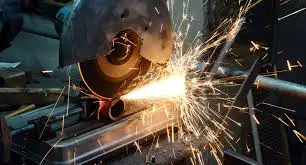
Which ceramic material is commonly used as an abrasive and for cutting tool tips?
Beryllium oxide
Boron carbide
Tungsten carbide
Aluminum oxide
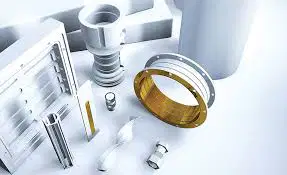
In which applications are advanced ceramic materials commonly used according to the note?
Structural components and electrical conductors
Thermal insulators and refractories
Filters and catalyst supports
Engine components and thermal barrier coatings
How do synthetic abrasives contribute to the efficiency of grinding and cutting processes?
By increasing material ductility
By reducing cutting precision
By enhancing material removal rates
By decreasing tool durability
What is the purpose of using synthetic abrasives in lapping and polishing applications?
To achieve ultra-smooth surface finishes
To reduce surface smoothness
To decrease material removal rates
To increase material hardness

Which of the following materials is commonly used as an insulation material in heating elements and cables?
Silicon carbide
Beryllium oxide
Magnesium oxide
Tungsten carbide

