
NEW
Font size
 Worksheets
DNA history, DNA and RNA. Team #4
Total questions: 20
Worksheet time: 7mins
Which molecule is primarily responsible for storing genetic information in living organisms?
RNA
DNA
Protein
Carbohydrate
The discovery of the double helix structure of DNA is credited to:
Franklin
Sanger
Watson and Crick
Chargaff
Chargaff's rules state that in DNA:
Adenine always bonds with Cytosine.
Adenine (A) pairs with Thymine (T), and Guanine (G) pairs with Cytosine (C).
All bases bond with each other equally.
RNA has a higher concentration than DNA.
The process of making a complementary RNA copy from a DNA template is called:
Replication
Transcription
Translation
Mutation
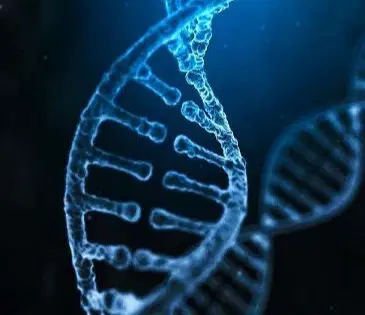
Which type of RNA carries the genetic code from DNA to ribosomes for protein synthesis?
Transfer RNA (tRNA)
Messenger RNA (mRNA)
Ribosomal RNA (rRNA)
All of the above
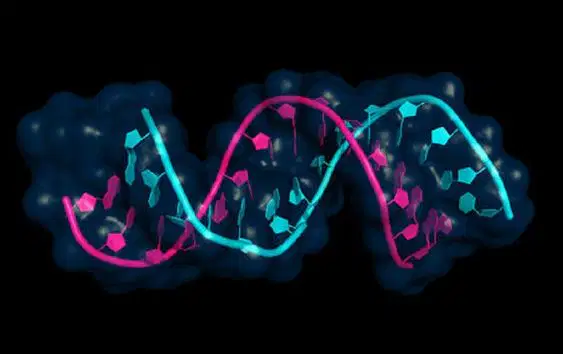
Unlike DNA, RNA molecules are typically:
Single-stranded
Double-stranded
Made up of Ribose sugar
All of the above
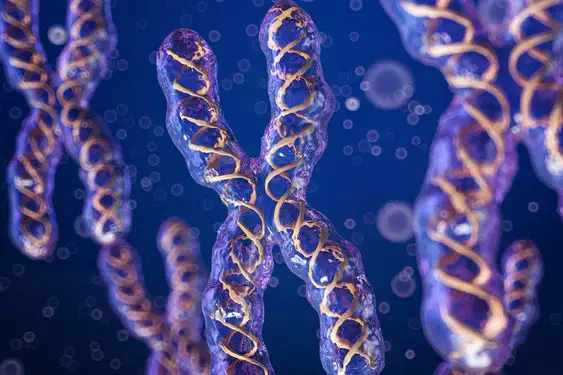
Mutations in DNA can occur due to
Errors during replication
Exposure to environmental factors
All of the above
The process of using the genetic code in mRNA to build a specific protein is called:
Transcription
Replication
Translation
Mutation
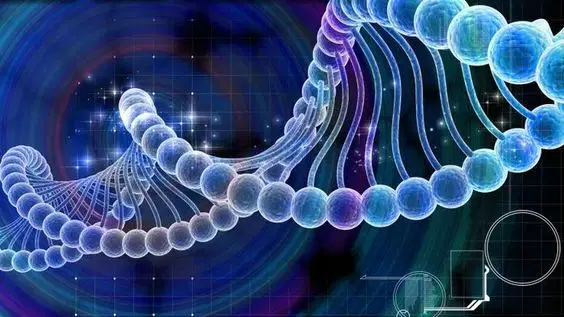
The Human Genome Project aimed to:
Sequence the entire human DNA
Sequence the entire human DNA
Develop gene therapy techniques
Create genetically modified organisms
DNA fingerprinting is a technique used for:
Gene editing
Creating clones
Identifying individuals based on their unique DNA patterns
Studying gene expression
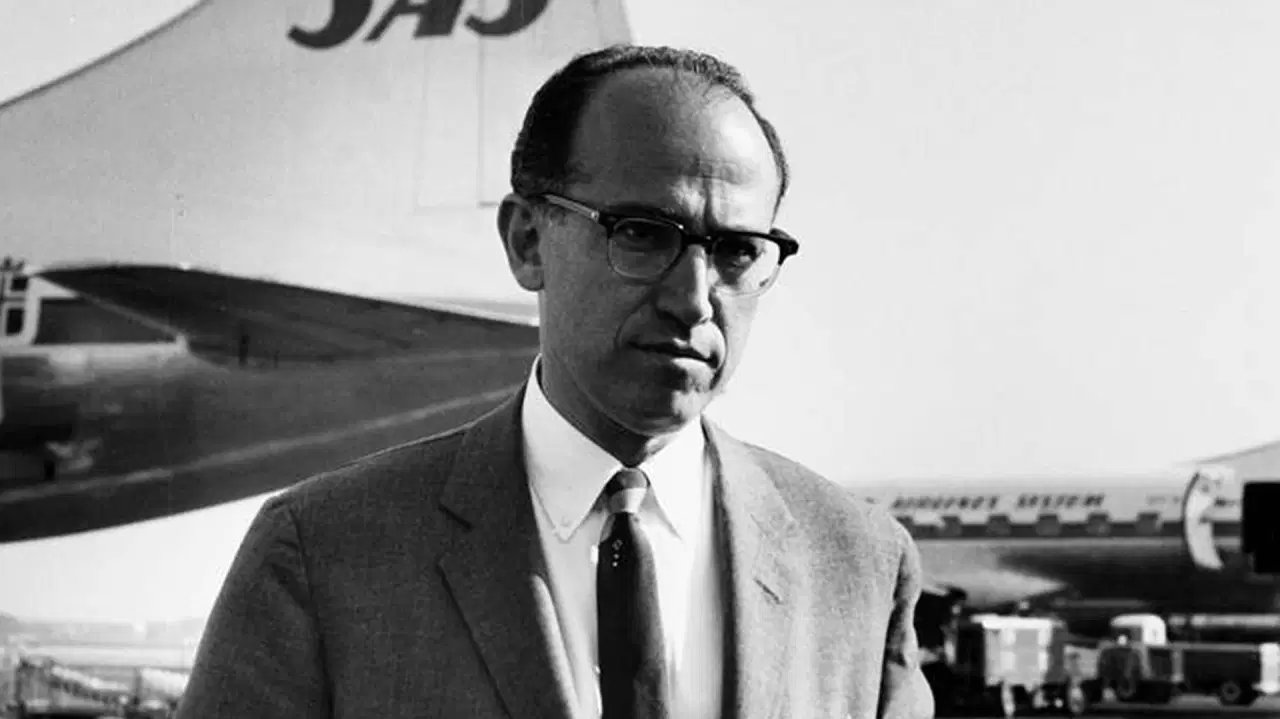
Which scientist is NOT associated with the discovery of DNA structure?
James Watson
Francis Crick
Rosalind Franklin
Jonas Salk
The sugar molecule found in DNA is called:
Deoxyribose
Ribose
Glucose
Fructose
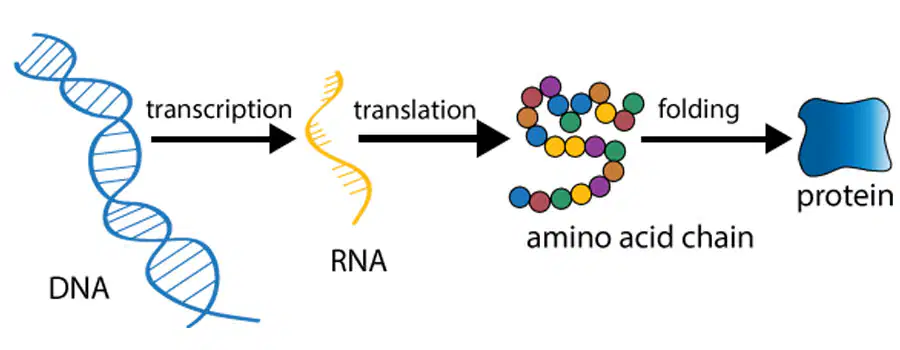
The central dogma of molecular biology describes the flow of genetic information as:
DNA -> RNA -> Protein
RNA -> DNA -> Protein
Protein -> RNA -> DNA
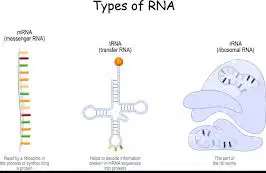
Which type of RNA helps ribosomes assemble amino acids into proteins?
Ribosomal RNA (rRNA)
ransfer RNA (tRNA)
Messenger RNA (mRNA)
None of the above
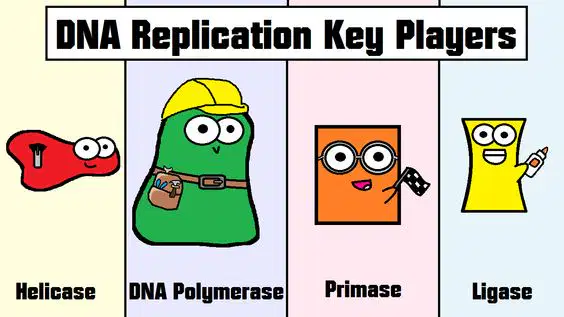
In DNA replication, the enzyme responsible for unwinding the DNA double helix is called:
DNA polymerase
Helicase
Ligase
RNA polymerase
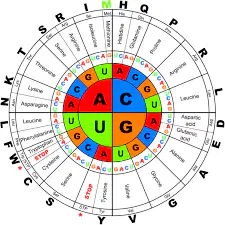
The three nucleotides that form the start codon for protein synthesis in mRNA are:
AAG
UAA
AUG
GCU

Which type of mutation in DNA can cause a genetic disorder?
Frameshift mutation
Silent mutation
Missense mutation
All of the above
CRISPR-Cas9 is a revolutionary tool used for:
DNA sequencing
Genome editing
Gene therapy delivery
Studying protein interactions
Non-coding DNA in the genome:
Makes up all of the DNA
Codes for all proteins
Is completely useless
Does not directly code for proteins, but may have regulatory functions
The field of epigenetics studies:
Changes in DNA sequence
How genes are turned on and off without changing the DNA sequence
The structure of chromosomes
The evolution of DNA

