
 Worksheets
Forces
Total questions: 26
Worksheet time: 26mins
What are forces?
(¿Qué son las fuerzas?)
Forces are push or pull an object
The effects of forces are...
Choose 4:
(Los efectos de las fuerzas son...
Elige 4):
make objects change shape
break objects
make a new object
make objects stop moving
make objects start moving
There are two types of force:
(Hay dos tipos de fuerza):
The most important non-contact force is...
(La fuerza más importante de no contacto es...)
Many forces repel obects. Other forces (a) objects.
What is a machine?
(¿Qué es una máquina?)
A machine is a device that does a task. It makes our lives easier and saves time.
The three simple machines most common are:
Lever
Plane
Inclined plane
Pulley
Pencil
The first machines were very (a)
First machines were made of:
(Las primeras máquinas estaban hechas de):
Choose 3
stone and bones
metal
wood
coal
leather and rope
Machines improved when people started using tools made up of:
(Las máquinas mejoran cuando las personas empiezan a utilizar herramientas hechas de):
Metal
Bones
Wood
Leather
Steam engines use ____. These machines were powerful and efficient.
(Las máquinas de vapor usan ____. Estas máquinas eran poderosas y eficientes.)
(a)
Today, most machines use:
(Hoy en día, la mayoría de máquinas utilizan):
Choose 2
fossil fuels
electricital energy
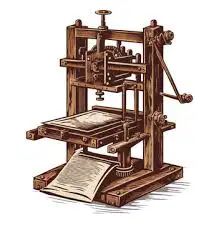
Who invented the printing press in the 15th century?
(¿Quién inventó la imprenta en el siglo XV?)
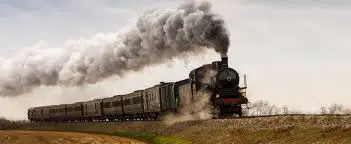
Who created the steam engine in the 18th century?
(¿Quién creó la máquina de vapor en el siglo XVIII?)
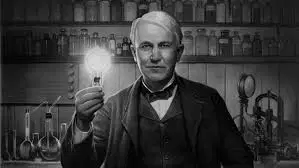
What two inventors applied the knowledge of electrical energy in the late 19th century and early 20th century?
(¿Qué dos inventores aplicaron el conocimiento de la energía eléctrica a finales del siglo XIX y a principios del siglo XX?)
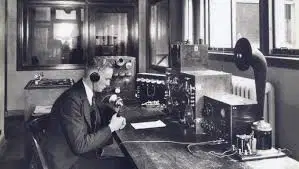
Who invented a system to send signals without cables in the 19th century? This system allowed the creation of radios, televisions and mobile phones.
(¿Quién inventó un sistema sin cables para mandar señales en el siglo XIX? Este sistema permitió crear radios, televisiones y teléfonos móviles. )
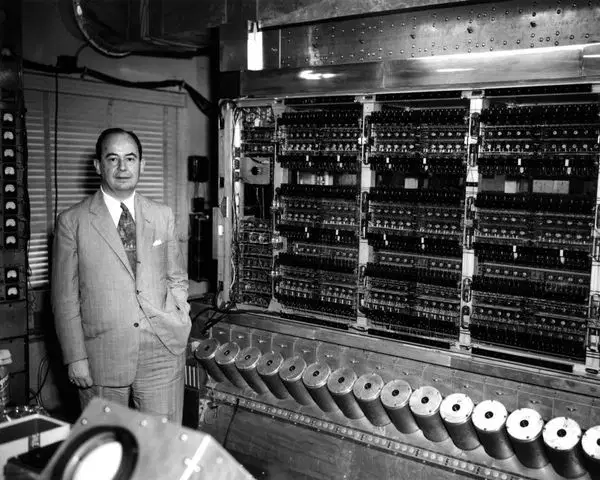
When were the first computers made that filled an entire room?
(¿Cuándo se hicieron los primeros ordenadores que ocupaban una habitación entera?)
18th century
19th century
20th century
21st century
At work, machines can do difficult and dangerous jobs.
(En el trabajo, las máquinas pueden realizar trabajos difíciles y peligrosos.)
True
False
I don't know
Transports: with new machines, products can't reach every corner of the world and people can't travel long distances in short periods of time.
(Transportes: con las nuevas máquinas, los productos no pueden llegar a todos los rincones del mundo y las personas no pueden recorrer largas distancias en cortos periodos de tiempo.)
True
False
I don't know
The telephone and the internet allow us to communicate instantly, we can send emails and make video calls.
(El teléfono e internet nos permiten comunicarnos al instante, podemos enviar correos electrónicos y realizar videollamadas.)
True
False
I don't know
Some appliances allow us to keep food longer and in better conditions, others, make our daily tasks easier.
(Algunos electrodomésticos nos permiten conservar los alimentos durante más tiempo y en mejores condiciones, otros, facilitan nuestras tareas diarias.)
True
False
I don't know

What type of energy is it?
Mechanical energy
Electrical energy
Chemical energy
Light energy
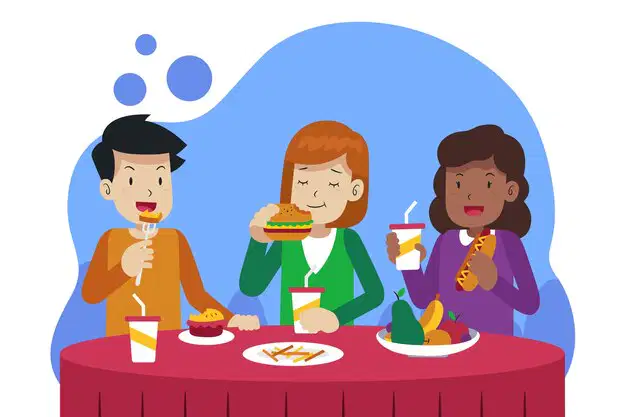
What type of energy is it?
Mechanical energy
Chemical energy
Electrical energy
Light energy
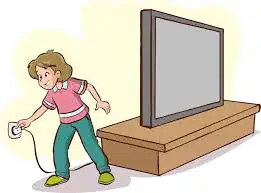
What type of energy is it?
Mechanical energy
Electrical energy
Chemical energy
Light energy
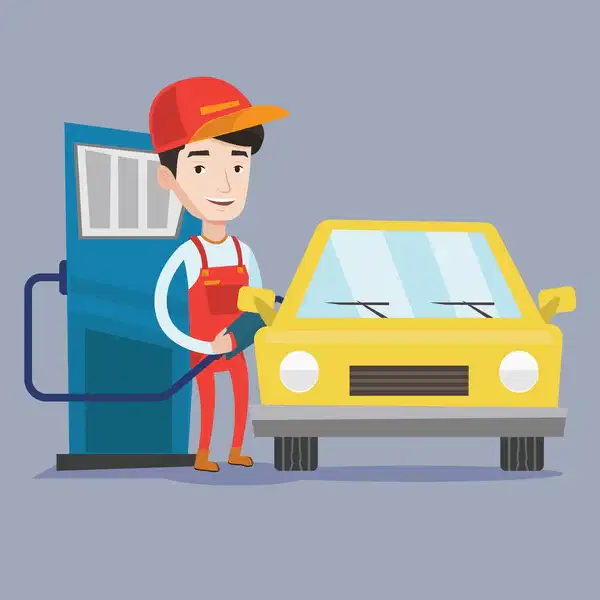
What type of energy is it?
Electrical energy
Mechanical energy
Chemical energy
Light energy
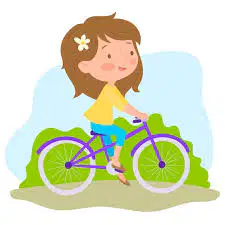
What type of energy is it?
Mechanical energy
Light energy
Chemical energy
Electrical energy

